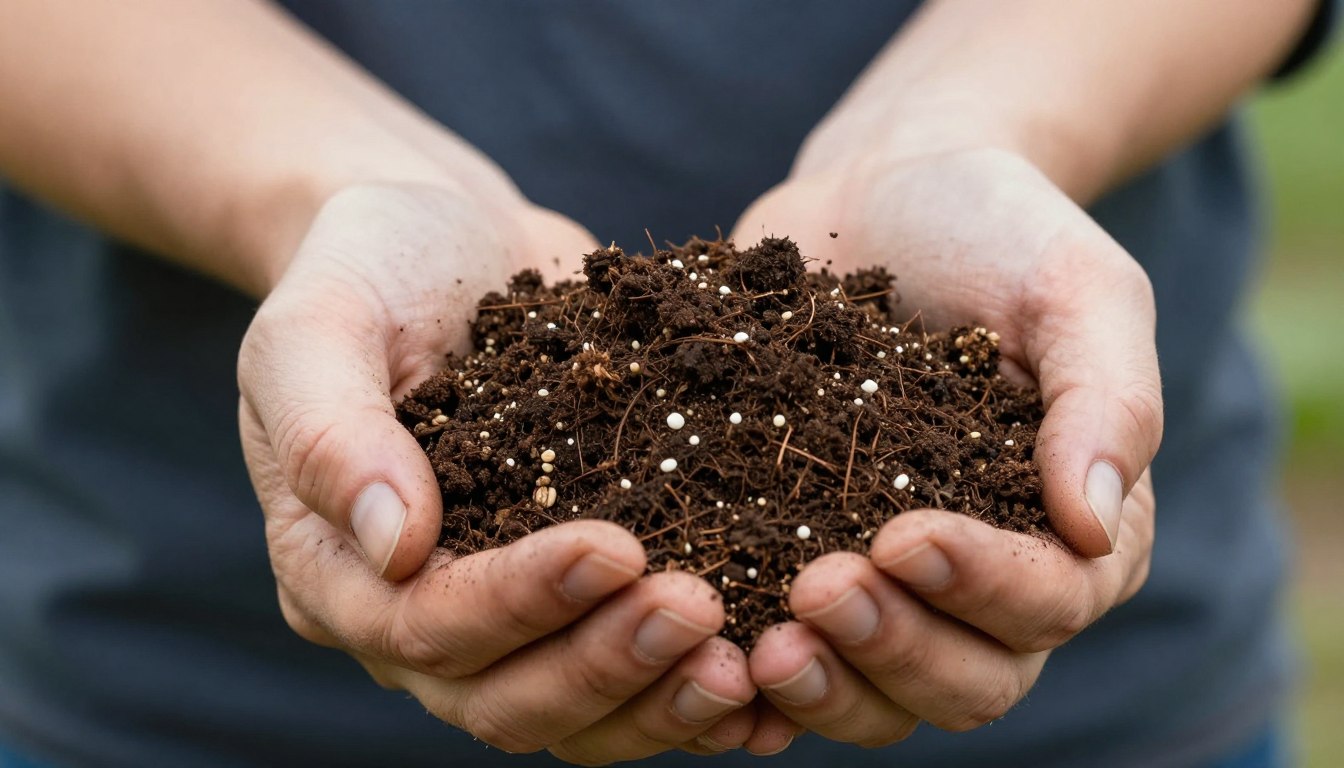
Container gardening presents unique challenges that garden soil cannot solve. Plants growing in pots need specialized mixes that provide proper drainage, adequate aeration, and consistent moisture retention. This guide reveals everything you need to create the best soil mix for container plants, whether you prefer DIY recipes or commercial options.
Why Container Plants Need Special Soil Mix
Regular garden soil fails in containers for several critical reasons. When confined to pots, garden soil compacts quickly, suffocating roots and preventing proper water drainage. Container plants face unique challenges that require carefully formulated potting mixes.
Problems with Garden Soil in Containers
Garden soil contains clay particles and organic matter designed for in-ground growing. In containers, this soil becomes dense and heavy. Water pools at the bottom instead of draining through. Roots struggle to breathe and grow.
Disease organisms and weed seeds often lurk in garden soil. These problems multiply in the confined space of containers. Plant roots have nowhere to escape contaminated soil.
What Quality Potting Mix Provides
The best potting soil delivers three essential functions. First, it retains moisture around plant roots while draining excess water. Second, it provides adequate air spaces for healthy root growth. Third, it anchors plants securely while remaining light enough for proper water and air movement.
Professional potting mixes balance these needs through careful ingredient selection. Each component serves a specific purpose in supporting plant health.
Key Insight: Potting soil can double your yields compared to garden soil in containers. The right mix is the single most important factor in container gardening success.
Essential Ingredients for the Best Soil Mix for Container Plants
Understanding potting mix ingredients helps you make informed choices. Whether creating homemade potting soil or selecting commercial products, knowing what each component does ensures better results for your plants.
Peat Moss: The Foundation
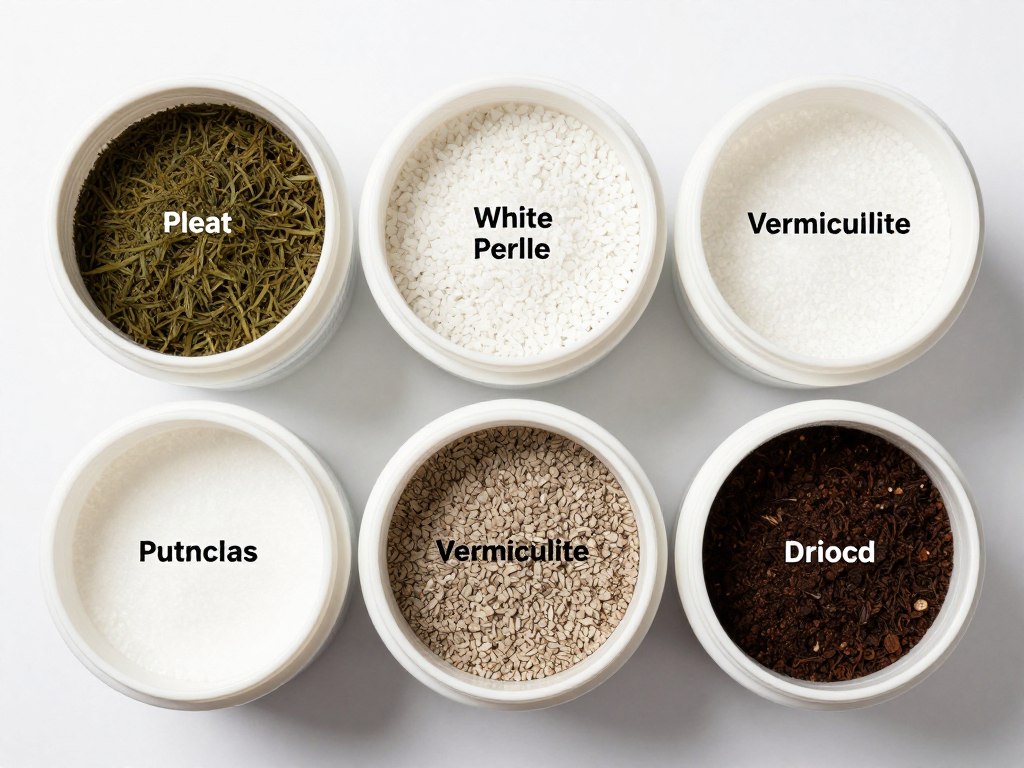
Sphagnum peat moss forms the backbone of most quality potting mixes. This material comes from peat bogs in northern regions and offers excellent moisture retention while maintaining air space. Peat moss holds water effectively once saturated but starts quite dry.
The acidic nature of peat moss requires balancing. Most peat-based mixes include limestone to neutralize pH levels. Add about one-quarter cup of lime per six gallons of peat moss for optimal plant growth.
Coir Fiber: The Sustainable Alternative
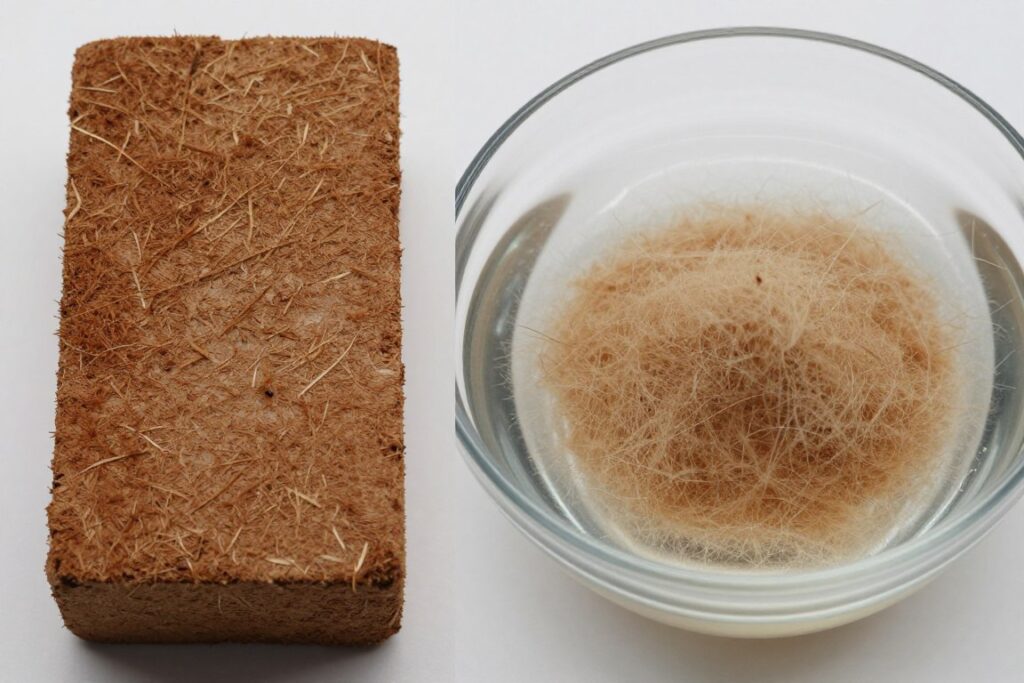
Coir fiber comes from coconut husks and serves as an eco-friendly peat moss substitute. This material has a near-neutral pH and lasts even longer than peat moss. Coir costs more but many gardeners prefer its sustainability profile.
Compressed coir bricks expand significantly when hydrated. One brick produces several gallons of usable growing medium. The material behaves similarly to peat moss in potting soil blends.
Perlite: The Aerator
Perlite consists of heated volcanic rock that expands into lightweight white particles. This ingredient creates air pockets throughout potting mix, ensuring roots receive adequate oxygen. Perlite holds three to four times its weight in water while improving drainage significantly.
The neutral pH of perlite makes it compatible with all plants. This material never breaks down, maintaining soil structure season after season. Perlite appears in virtually every commercial potting soil formulation.
Vermiculite: The Moisture Manager
Vermiculite is a mineral that expands when heated. This component holds water and nutrients exceptionally well while adding magnesium and calcium to soil. Vermiculite increases porosity like perlite but with superior moisture retention.
Use vermiculite in mixes for plants preferring consistent moisture. This ingredient works particularly well in seed-starting formulations where young roots need reliable hydration.
Compost: The Nutrient Powerhouse
Quality compost transforms basic potting mix into living soil. This ingredient contains billions of beneficial microorganisms that support plant health. Compost provides a full spectrum of nutrients while improving water retention and soil structure.
Well-made compost reaches temperatures high enough to eliminate weed seeds and pathogens. The dark, crumbly material adds fertility that peat moss alone cannot provide. Most general-purpose potting mixes benefit from compost inclusion.
Important Note: While compost benefits most containers, avoid using it in self-watering systems where particles might clog wicking mechanisms.
DIY Potting Soil Recipes for Every Plant Type
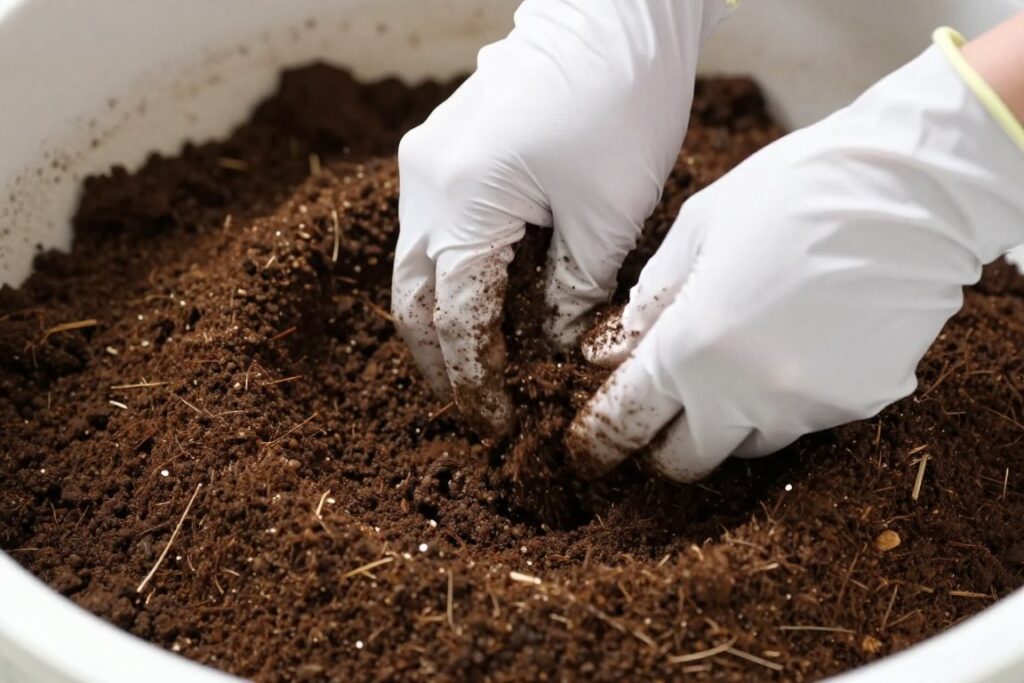
Creating homemade potting mix gives you complete control over ingredients and saves money. These tested recipes provide excellent results for different container gardening needs. Mix ingredients thoroughly in a large container or wheelbarrow.
General Purpose Mix for Most Container Plants
All-Purpose Container Mix
This versatile recipe works for vegetables, flowers, and herbs. The balanced formula provides good drainage while retaining adequate moisture.
- 6 gallons peat moss or coir fiber
- 4.5 gallons perlite
- 6 gallons compost
- 1/4 cup limestone (if using peat moss)
- 1.5 cups organic granular fertilizer
This mix supports plants for several months without additional feeding. The compost provides slow-release nutrients while perlite ensures proper aeration. Use this formula for tomatoes, peppers, lettuce, petunias, and most common container plants.
Seed Starting Mix
Light Mix for Germination
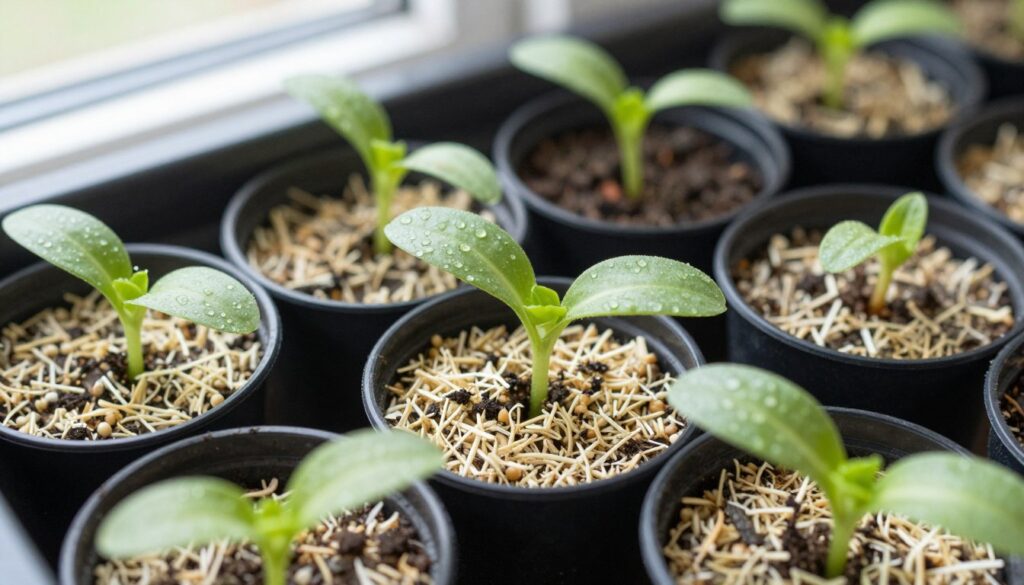
Young seedlings need fine-textured, sterile growing medium. This lightweight formula promotes strong root development.
- 2 gallons peat moss or coir fiber
- 2 gallons vermiculite
- 1 gallon coarse sand
- 3 tablespoons limestone (if using peat moss)
Skip compost in seed-starting mix to avoid fungal diseases. The fine texture allows delicate roots to penetrate easily. Vermiculite holds moisture consistently during germination.
Cactus and Succulent Mix
Fast-Draining Desert Mix
Succulents require excellent drainage to prevent root rot. This gritty formula mimics their natural desert habitat.
- 3 gallons peat moss or coir fiber
- 1 gallon perlite
- 1 gallon vermiculite
- 2 gallons coarse sand
- 2 tablespoons limestone (if using peat moss)
The high sand content ensures water drains quickly through the mix. Reduce watering frequency with this formula. Perfect for cacti, jade plants, aloe, and other drought-tolerant species.
Mix for Trees and Shrubs
Heavy-Duty Woody Plant Formula
Larger plants need stability and long-term nutrient supply. This substantial mix provides both structure and fertility.
- 3 gallons compost
- 2.5 gallons coarse sand
- 3 gallons peat moss or coir fiber
- 2.5 gallons composted pine bark
- 3 gallons perlite
- 2 tablespoons limestone (if using peat moss)
- 1 cup organic fertilizer
The addition of composted pine bark adds weight for stability while improving drainage. Sand prevents large containers from blowing over in wind. Use for dwarf fruit trees, roses, and ornamental shrubs.
Pro Tip: Store unused homemade potting mix in sealed bags in a cool, dry location. Use within a few months for best results. Moisten dry peat moss overnight before mixing for easier handling.
Choosing Quality Commercial Potting Mix
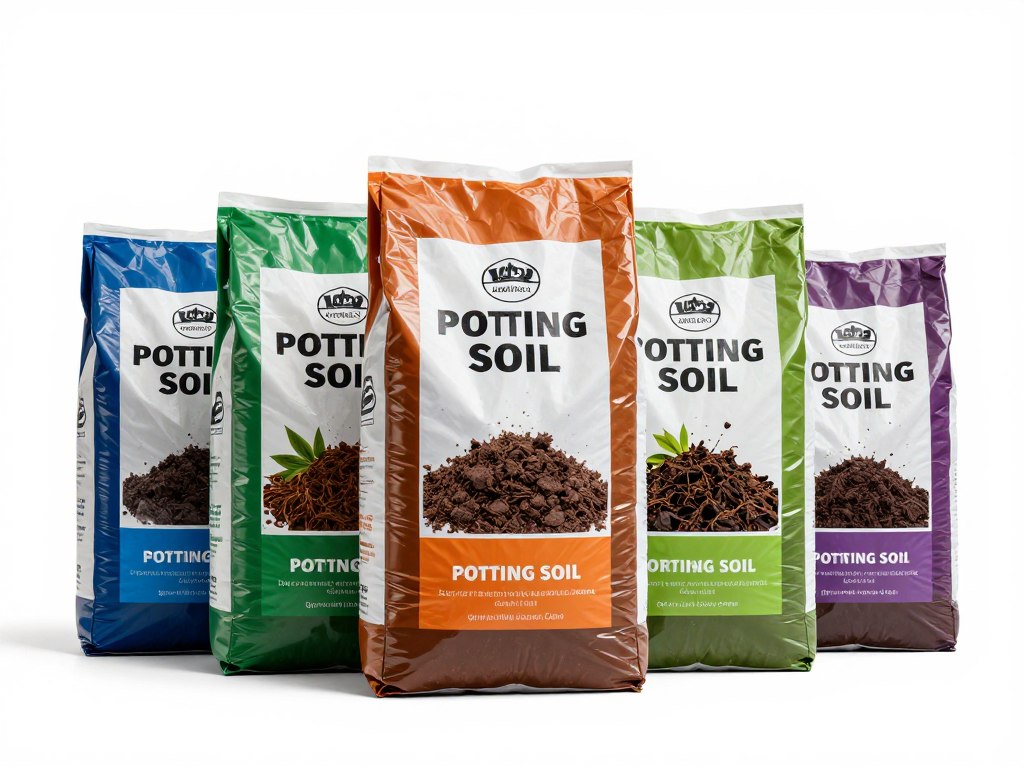
Commercial potting soil offers convenience and consistency. Understanding label information helps you select products that match your container gardening needs. Not all bagged mixes deliver equal performance.
What to Look for on Labels
Quality potting mixes list primary ingredients prominently. Look for products containing peat moss or coir, perlite or vermiculite, and some form of organic material. Avoid products with mostly sand or topsoil listed first.
Check for added fertilizer information. Some mixes include starter charges lasting only a few weeks. Others contain slow-release fertilizers feeding plants for months. Adjust your fertilization schedule based on what the mix contains.
Understanding Mix Types
- All-purpose potting soil works for most plants
- Moisture-control mixes retain water longer
- Raised bed soil mixes garden soil with potting ingredients
- Specialty mixes target specific plant needs
Features Worth Paying For
- Slow-release fertilizer saves time and effort
- Moisture-retention polymers reduce watering frequency
- Organic certification ensures natural ingredients
- Mycorrhizae additions boost root health
Commercial vs. Homemade: Making the Choice
Benefits of DIY Potting Soil
- Costs significantly less for large quantities
- Complete control over ingredients and quality
- Customize ratios for specific plant needs
- Avoid unknown additives or fillers
- Source organic materials locally
Benefits of Commercial Mix
- Convenient and ready to use immediately
- Consistent quality batch after batch
- Professionally balanced pH and nutrients
- Often includes beneficial additions
- Saves time and storage space
Many successful gardeners use both approaches. Commercial mixes work well for small-scale container gardening or houseplants. Homemade potting soil makes economic sense when filling dozens of large containers each season.
Matching Soil Depth to Plant Needs
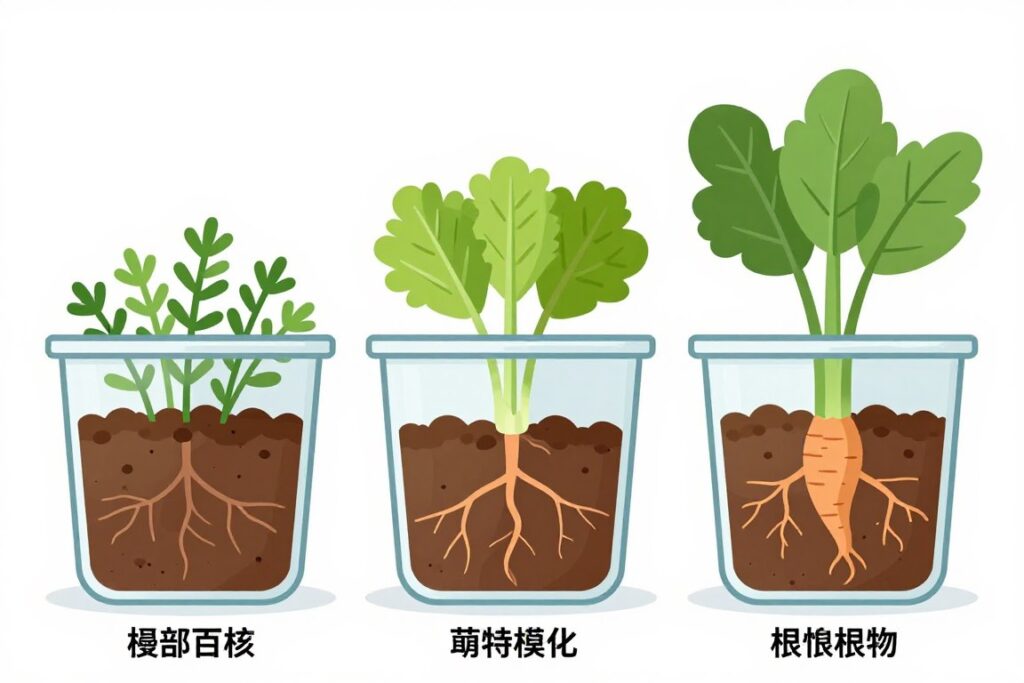
Different plants require varying soil depths for healthy root development. Understanding these requirements helps you select appropriate containers and prevents wasted potting mix.
Shallow-Rooted Plants
These plants thrive in containers six to eight inches deep. The compact root systems need less soil volume.
- Lettuce and salad greens
- Most culinary herbs
- Annual flowers like petunias
- Strawberries
Medium-Depth Plants
These crops perform best with ten to twelve inches of soil. Standard patio containers usually meet this requirement.
- Bush beans and peas
- Peppers and eggplants
- Summer squash
- Most perennial flowers
Deep-Rooted Vegetables
Large plants need eighteen inches or more of soil depth. Deep containers support extensive root systems.
- Tomatoes
- Carrots and parsnips
- Potatoes
- Large peppers
Trees and Shrubs
Woody plants require substantial soil volume. Container dimensions matter more than just depth.
- Minimum twenty inches deep
- Width matching or exceeding depth
- Heavy-duty container construction
- Adequate drainage holes
Proper soil depth prevents root circling and supports healthy plant development. Containers too shallow force roots to grow horizontally, limiting nutrient uptake and water access. Size containers appropriately for long-term plant health.
Maintaining and Refreshing Container Soil
Potting mix quality degrades over time through compaction and nutrient depletion. Understanding when and how to refresh soil extends container lifespan and maintains plant health.
When Potting Soil Needs Replacement
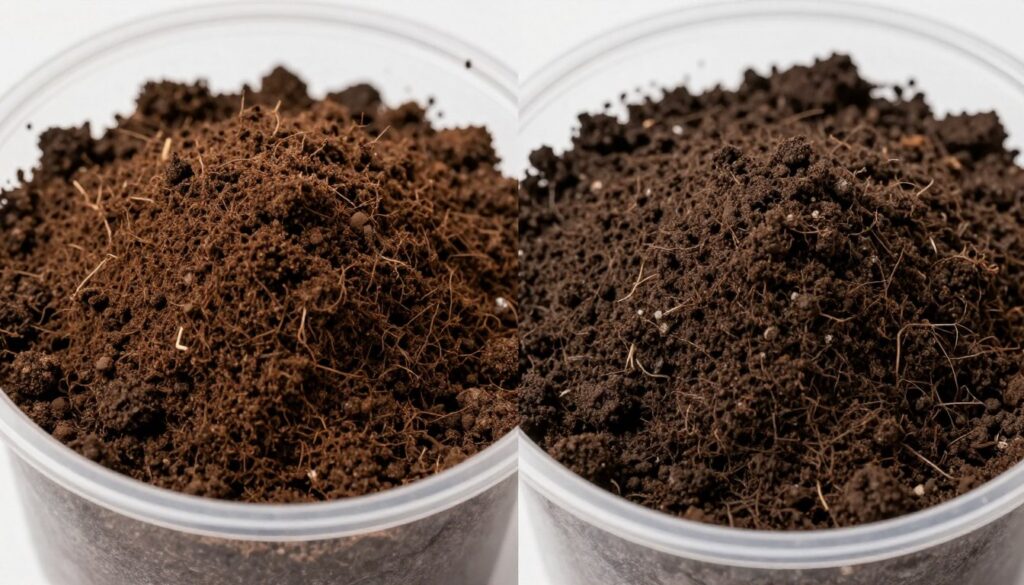
Fresh potting mix maintains structure and fertility for one growing season. By the second year, organic matter breaks down and air pockets disappear. Nutrients deplete despite regular fertilization.
Signs your potting soil needs attention include water pooling on the surface, soil pulling away from container sides, and plants growing poorly despite adequate care. Compacted mix limits root growth and creates anaerobic conditions.
How to Refresh Existing Mix
Annual Soil Renewal Process
- Remove old plants and roots completely from containers
- Break up compacted soil and fluff thoroughly
- Mix in 25 to 30 percent fresh potting mix
- Add slow-release organic fertilizer per package directions
- Incorporate limestone if growing acid-sensitive plants
- Water thoroughly before replanting
This process restores structure and fertility without replacing entire container volumes. Save money while maintaining healthy growing conditions. Discard soil only if plants suffered serious disease problems.
Long-Term Potting Mix Management
Reusing potting soil indefinitely works with proper maintenance. Each season, remove spent roots and debris carefully. Mix in compost or fresh potting mix to replace broken-down organic matter.
Monitor pH levels if growing the same plant type repeatedly. Peat-based mixes become more acidic over time. Add lime to balance pH or use aged mix for acid-loving plants like blueberries.
Storage Tip: Unopened bags of potting soil last about six months before quality declines. Store in dry locations away from direct sunlight. Seal opened bags tightly to prevent moisture absorption and pest contamination.
Special Soil Requirements for Common Plants
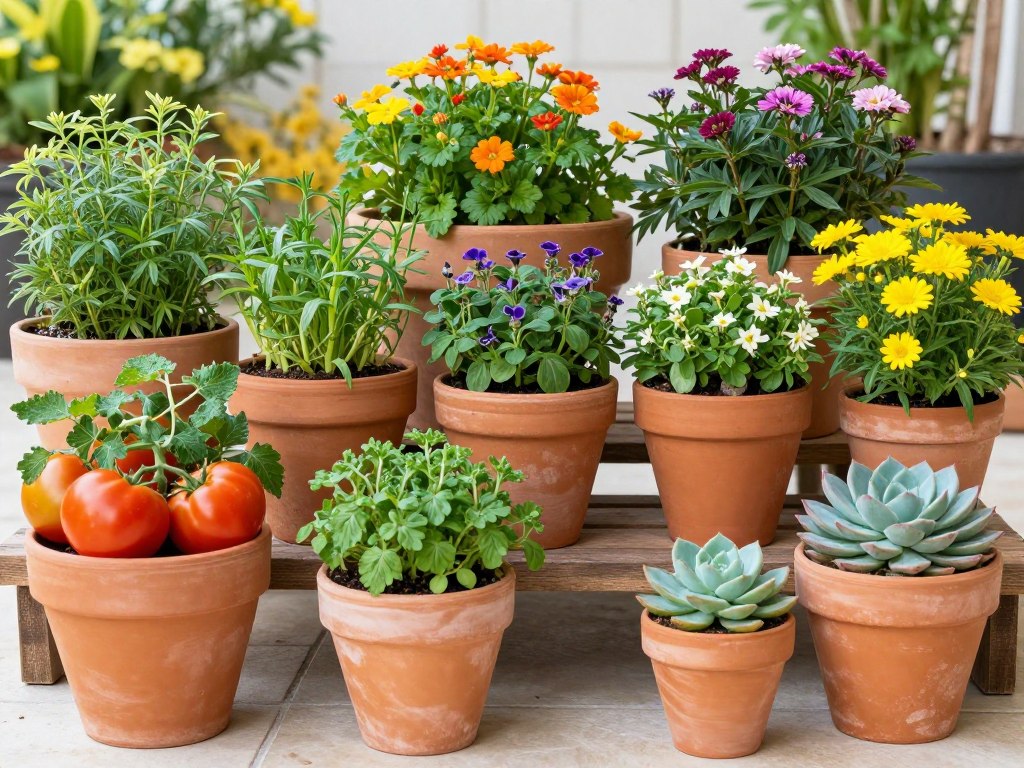
While general-purpose mixes work for many plants, some species perform better with customized formulations. Understanding specific needs helps you adjust potting soil recipes for optimal results.
Vegetables and Herbs
Most vegetables thrive in soil with pH between 5.5 and 7.0. Tomatoes and peppers prefer slightly acidic conditions around 6.2 to 6.8. Add sulfur to lower pH if necessary.
Herbs generally prefer neutral soil near 7.0. Mediterranean herbs like rosemary and thyme tolerate drier conditions. Reduce compost percentage for these plants and increase perlite for better drainage.
Flowering Plants
Annual flowers need consistent moisture and regular feeding. Standard potting mixes with added compost provide good results. Moisture-control commercial products reduce watering frequency for hanging baskets.
Perennial flowers often prefer leaner soil than annuals. Reduce fertilizer amounts to encourage root development over excessive foliage. Many perennials resent wet feet, so ensure adequate perlite content.
Acid-Loving Plants
Modified Mix for Azaleas and Blueberries
These plants require acidic soil with pH around 4.5 to 5.5. Standard potting mix needs modification.
- Use straight peat moss without limestone
- Add sulfur to lower pH further if needed
- Include cottonseed meal for acidic nitrogen
- Mix in composted pine bark for structure
- Test pH regularly and adjust as needed
These plants struggle in neutral or alkaline conditions. Specialized formulations ensure proper nutrient availability and healthy growth.
Houseplants
Indoor plants need well-draining mix that dries between waterings. Most houseplants prefer slightly acidic to neutral pH. Tropical species appreciate added organic matter for nutrient retention.
Orchids require specialized bark-based mixes with excellent drainage. Standard potting soil holds too much water for these epiphytic plants. Purchase orchid mix or create custom blends with bark chips and perlite.
Troubleshooting Common Potting Soil Problems
Even quality potting mix can develop issues over time. Recognizing problems early and implementing solutions keeps container plants healthy throughout the growing season.
Water Drainage Issues
Soil staying soggy despite drainage holes indicates compaction or poor initial mix quality. Water pooling on the surface means soil has lost porosity.
Solutions include mixing in additional perlite, replacing the top few inches with fresh mix, or completely refreshing container soil. Ensure containers have adequate drainage holes.
Soil Drying Too Fast
Mix drying out within hours signals insufficient water retention. Small containers and windy locations exacerbate this problem.
Add moisture-retaining amendments like vermiculite or coir. Mix in compost to increase water-holding capacity. Consider moisture-control polymer crystals for containers in hot, sunny locations.
Fungal Growth on Soil Surface
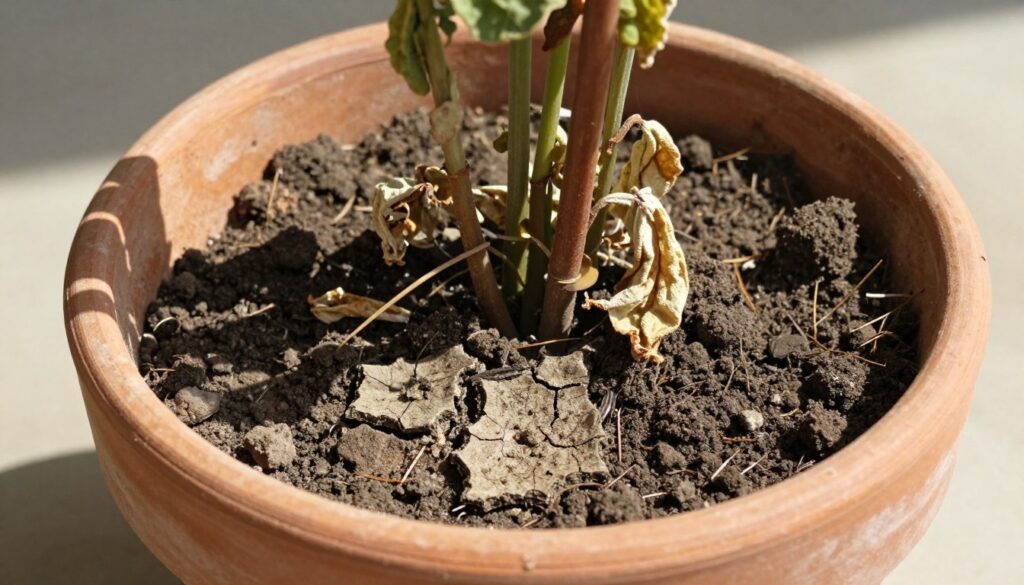
White or yellow mold sometimes appears on potting mix surface. This fungal growth feeds on organic matter and indicates excessive moisture. While usually harmless to plants, it signals watering adjustments needed.
Scrape off surface growth and reduce watering frequency. Improve air circulation around containers. Top-dress with fresh potting mix to cover affected areas. The fungi typically disappear as soil dries.
Nutrient Deficiency Symptoms
Watch for These Signs: Yellowing leaves despite adequate water may indicate nitrogen deficiency. Purple leaf undersides often signal phosphorus shortage. Leaf edge browning can mean potassium depletion. Even moisture-retentive soil cannot hold nutrients indefinitely.
Peat-based potting mixes contain minimal natural fertility. Without regular feeding, plants exhaust available nutrients quickly. Implement consistent fertilization schedules using complete organic or synthetic products.
Salt Buildup Problems
White crusty deposits on soil surface or container rims indicate fertilizer salt accumulation. These salts damage plant roots and reduce water uptake efficiency.
Leach containers thoroughly with clean water to dissolve and flush accumulated salts. Use one and a half times the container volume when leaching. Reduce fertilizer concentration or frequency to prevent recurrence.
Testing and Adjusting Potting Mix pH
Soil pH affects nutrient availability significantly. Most container plants thrive in slightly acidic to neutral conditions. Testing pH periodically ensures optimal growing conditions.
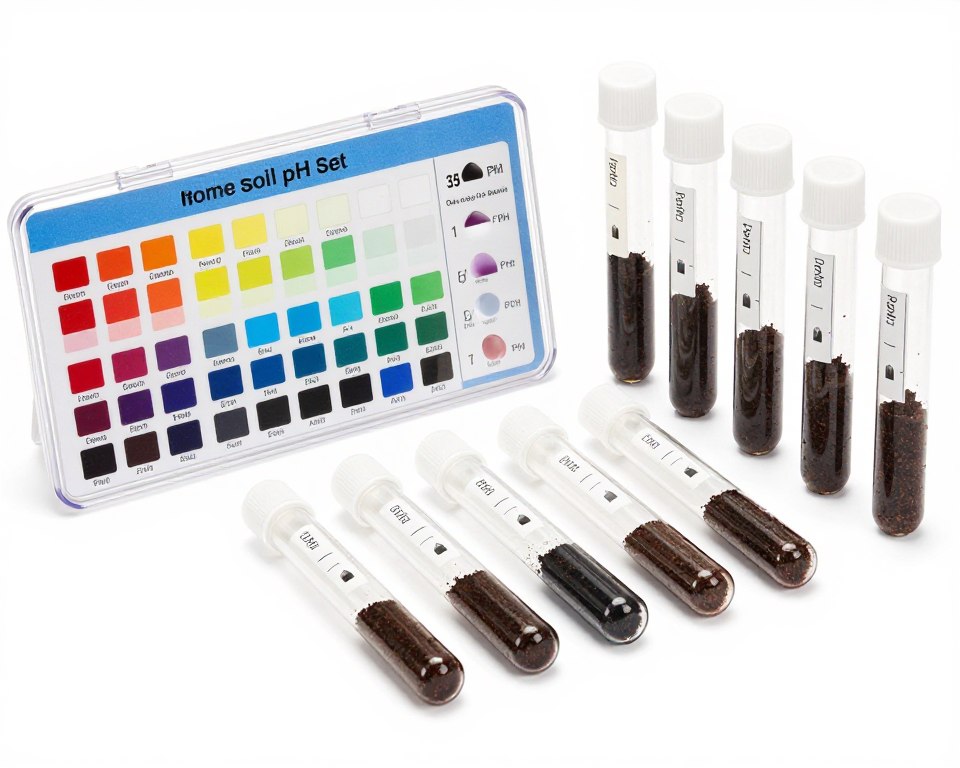
Purchase inexpensive pH test kits from garden centers or online retailers. These simple tests provide adequate accuracy for home container gardening. Professional soil testing laboratories offer detailed analysis including nutrient levels.
Adjusting Soil pH
Raising pH (Making Soil Less Acidic)
Add pulverized limestone to increase pH gradually. Dolomitic limestone provides calcium and magnesium along with pH adjustment. Mix thoroughly and retest after several weeks.
Use about one-quarter cup lime per six gallons of potting mix for moderate adjustment. Add smaller amounts for minor corrections. Limestone works slowly but provides long-lasting effects.
Lowering pH (Making Soil More Acidic)
Elemental sulfur acidifies potting mix effectively. This amendment works more slowly than lime, taking weeks to months for full effect. Follow package directions carefully to avoid over-application.
Peat moss naturally lowers pH when added to mixes. Incorporate additional peat if growing acid-loving plants. Avoid using limestone in formulations for azaleas, blueberries, and similar species.
Creating Organic Potting Mixes
Organic container gardening requires carefully sourced ingredients free from synthetic chemicals. Natural potting mixes support healthy soil biology while producing chemical-free vegetables and herbs.
Look for OMRI-listed ingredients when purchasing components. This certification ensures products meet organic standards. Many conventional potting mix ingredients qualify as organic, including peat moss, coir, perlite, and compost.
Organic Fertilizer Options
Complete Organic Fertilizer Blend
Mix these ingredients to create balanced organic nutrition for container plants:
- 2 cups rock phosphate (phosphorus source)
- 2 cups greensand (potassium and trace minerals)
- 1/2 cup bone meal (additional phosphorus and calcium)
- 1/4 cup kelp meal (micronutrients and growth hormones)
Use one and a half cups of this blend per six gallons of potting mix. This formulation provides balanced nutrition supporting plant growth for several months. Supplement with liquid organic fertilizers during peak growing season.
Other excellent organic fertilizer ingredients include alfalfa meal, cottonseed meal, and composted manures. Blood meal provides quick nitrogen while feather meal releases slowly. Combine multiple sources for complete nutrition.
Seasonal Potting Soil Management
Container soil needs change throughout the growing season. Understanding these variations helps you adjust care practices for consistently healthy plants.
Spring Preparation
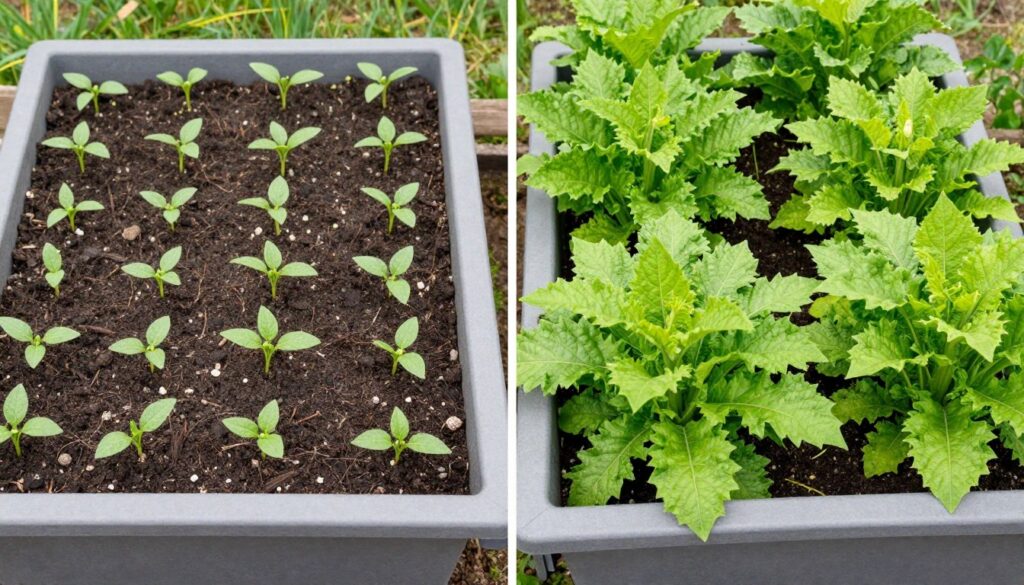
Begin each growing season with refreshed potting mix. Remove old plants and roots completely. Break up compacted soil and mix in fresh components. This annual renewal prevents disease carryover and restores soil structure.
Pre-moisten potting mix before planting if using peat-based formulations. Dry peat repels water initially, making it difficult for new plants to establish. Thoroughly wet mix and allow it to drain before adding plants.
Summer Maintenance
Hot weather increases watering frequency significantly. Potting mix dries faster in summer heat and wind. Monitor containers daily during peak summer months. Morning watering allows plants to hydrate before afternoon heat stress.
Fertilizer needs increase during active growth periods. Water-soluble nutrients leach from containers with frequent watering. Supplement slow-release fertilizers with liquid feeding every two weeks during summer.
Fall and Winter Care
Reduce watering as temperatures cool and plant growth slows. Overwatering causes more problems than underwatering during dormant periods. Allow soil to dry somewhat between waterings.
Protect containers from freeze-thaw cycles in cold climates. Move pots to sheltered locations or insulate with bubble wrap. Frozen wet soil expands, potentially cracking containers and damaging roots.
Cost Analysis: DIY vs Commercial Potting Mix
Understanding the economics of container soil helps you make informed purchasing decisions. The best choice depends on scale, available storage, and time considerations.
| Scenario | Commercial Mix Cost | DIY Mix Cost | Best Option |
| 5 Small Containers | $15-20 | $25-30 (minimum quantities) | Commercial |
| 20 Large Containers | $120-180 | $40-60 | DIY |
| 50 Mixed Containers | $300-450 | $80-120 | DIY |
| Houseplants Only | $10-15 annually | $20-25 (minimum quantities) | Commercial |
DIY potting soil saves money significantly when filling many containers. Initial ingredient purchases seem expensive but produce large quantities. Break-even occurs around fifteen to twenty medium-sized containers.
Small-scale gardeners benefit from commercial convenience. Buying single bags eliminates storage concerns and ingredient sourcing. Quality commercial mixes perform reliably without mixing time investment.
Sustainable Potting Mix Practices
Environmental considerations increasingly influence potting soil choices. Several practices reduce ecological impact while maintaining plant health.
Peat Moss Alternatives
Concerns about peat bog depletion drive interest in sustainable substitutes. Coir fiber provides excellent peat replacement with renewable sourcing. Composted bark products offer another option with regional availability.
Some gardeners use leaf mold as partial peat substitute. This material forms from decomposed leaves and provides good water retention. Collect autumn leaves and compost them for homemade, sustainable growing medium.
Reusing and Recycling Potting Mix
Refresh and reuse potting soil multiple seasons instead of discarding annually. This practice reduces waste significantly while saving money. Remove disease-affected soil only, recycling healthy mix indefinitely.
Spent potting mix improves garden beds when retired from containers. The aged material conditions heavy clay or sandy soils. Work old potting mix into vegetable gardens or around landscape plants.
Local Ingredient Sourcing
Purchase potting mix components from local suppliers when possible. This reduces transportation impacts while supporting regional businesses. Many areas have bulk compost suppliers offering quality material economically.
Source perlite and vermiculite through landscape supply companies. These businesses often sell in larger quantities at lower prices than retail garden centers. Split bulk purchases with gardening friends to maximize savings.
Final Thoughts on Container Soil Success
The best soil mix for container plants balances multiple factors simultaneously. Proper drainage prevents waterlogged roots while adequate moisture retention reduces watering frequency. Sufficient air spaces support healthy root development and beneficial microorganisms.
Whether creating homemade potting soil or selecting commercial products, understanding component functions guides better choices. Peat moss or coir provides structure and moisture retention. Perlite and vermiculite ensure proper aeration. Compost delivers nutrients and beneficial biology.
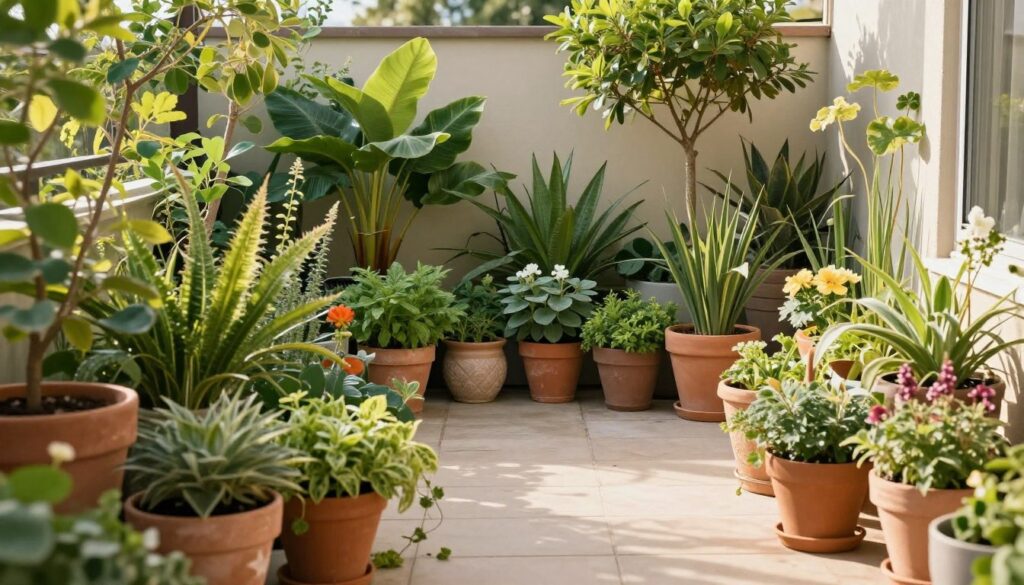
Successful container gardening starts with quality soil mix matched to plant needs. Invest time understanding ingredients and formulations. Experiment with different recipes to discover what works best in your conditions. Monitor plant performance and adjust mixes accordingly.
Ready to Transform Your Container Garden?
Start with the right foundation. Choose quality ingredients, follow proven recipes, and watch your container plants thrive like never before. Your best growing season begins with the soil beneath your plants.
Remember that potting soil represents an investment in plant health and garden success. Quality ingredients produce superior results compared to bargain products with excessive fillers. Your plants deserve the best soil mix you can provide.
Take action today by refreshing existing containers or mixing your first batch of homemade potting soil. The difference in plant performance will convince you that proper soil mix matters tremendously. Happy container gardening!