
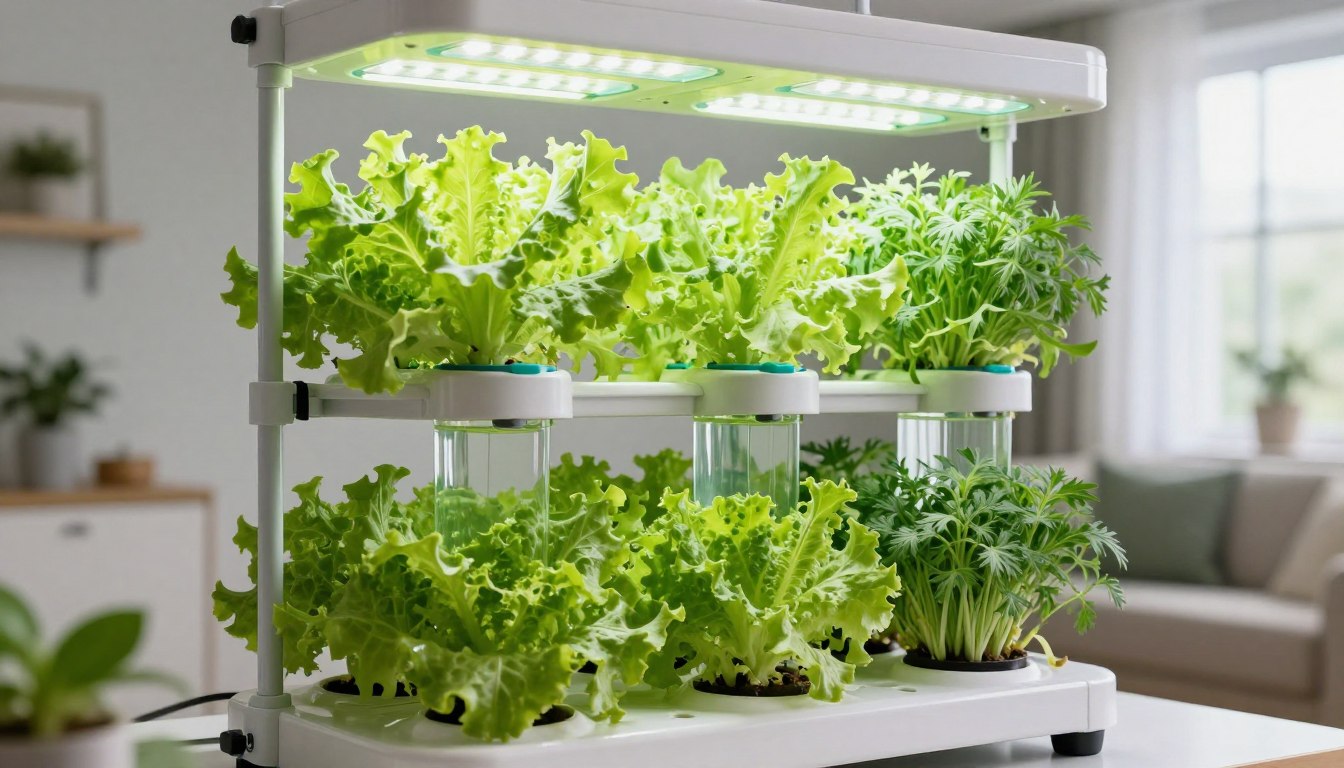
Nutrient-Related Hydroponic Problems
Your nutrient solution is the lifeblood of any hydroponic system. When the balance shifts, plants show visible symptoms within days. Understanding these issues helps you act fast.
Nutrient Deficiencies
Plants depend entirely on the nutrient solution you provide. Missing or imbalanced nutrients trigger specific symptoms that vary by element.
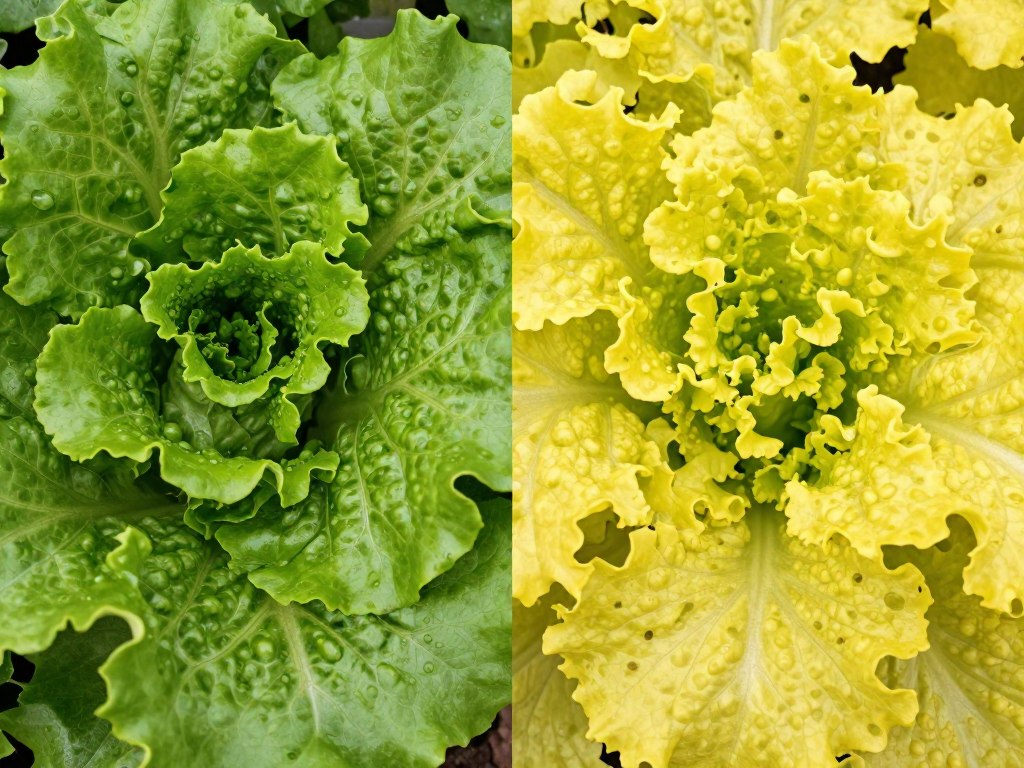
Symptoms you will notice:
- Yellowing of older leaves signals nitrogen deficiency
- Yellow younger leaves with green veins indicate iron deficiency
- Brown leaf edges or spots suggest potassium or calcium issues
- Purple stems or leaves point to phosphorus deficiency
- Stunted growth across the entire plant
Primary causes:
- pH levels outside the optimal range blocking nutrient absorption
- Incorrect nutrient mixing ratios
- Old or expired nutrient solutions
- Water quality issues affecting nutrient availability
Step-by-step solution:
- Test your pH immediately using a reliable electronic meter
- Adjust pH to the optimal range for your crops (typically 5.8-6.3 for most vegetables)
- Check electrical conductivity (EC) or parts per million (ppm) levels
- If EC is too high, dilute with clean water
- If EC is too low, add fresh nutrients following package guidelines
- Replace entire nutrient solution if it is older than two weeks
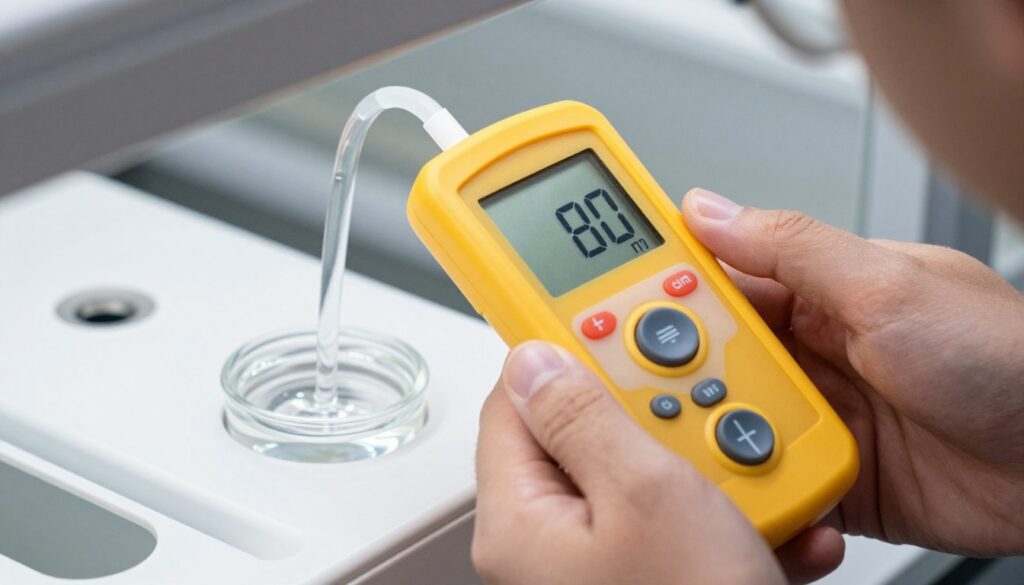
A quality pH and EC testing kit takes the guesswork out of nutrient management. Digital meters provide accurate readings in seconds and pay for themselves by preventing crop losses.
Prevention measures:
- Test pH and EC levels every two to three days
- Keep a simple log tracking your measurements and adjustments
- Use complete hydroponic nutrient formulas designed for water culture
- Replace nutrient solution on a regular schedule
- Store nutrients in a cool, dark place to maintain potency
pH Imbalances and Nutrient Lockout
pH drift is one of the most common hydroponic problems gardeners face. When pH moves outside the ideal range, nutrients become unavailable even when present in sufficient quantities. This phenomenon is called nutrient lockout.
Why pH matters:
Different nutrients absorb best at specific pH levels. Most vegetables prefer a range between 5.8 and 6.3. Below 5.5 or above 6.5, certain nutrients become chemically bound and invisible to plant roots.
Quick fixes for pH problems:
- Measure pH at the same time each day for consistency
- Add pH down solution drop by drop if pH is too high
- Add pH up solution gradually if pH is too low
- Mix thoroughly and wait fifteen minutes before retesting
- Make small adjustments and retest rather than overcorrecting
Invest in a reliable electronic pH meter rather than test strips. Digital meters provide precise readings and calibrate easily. Regular calibration ensures accuracy and prevents misdiagnosis of plant problems.
Root Health Issues
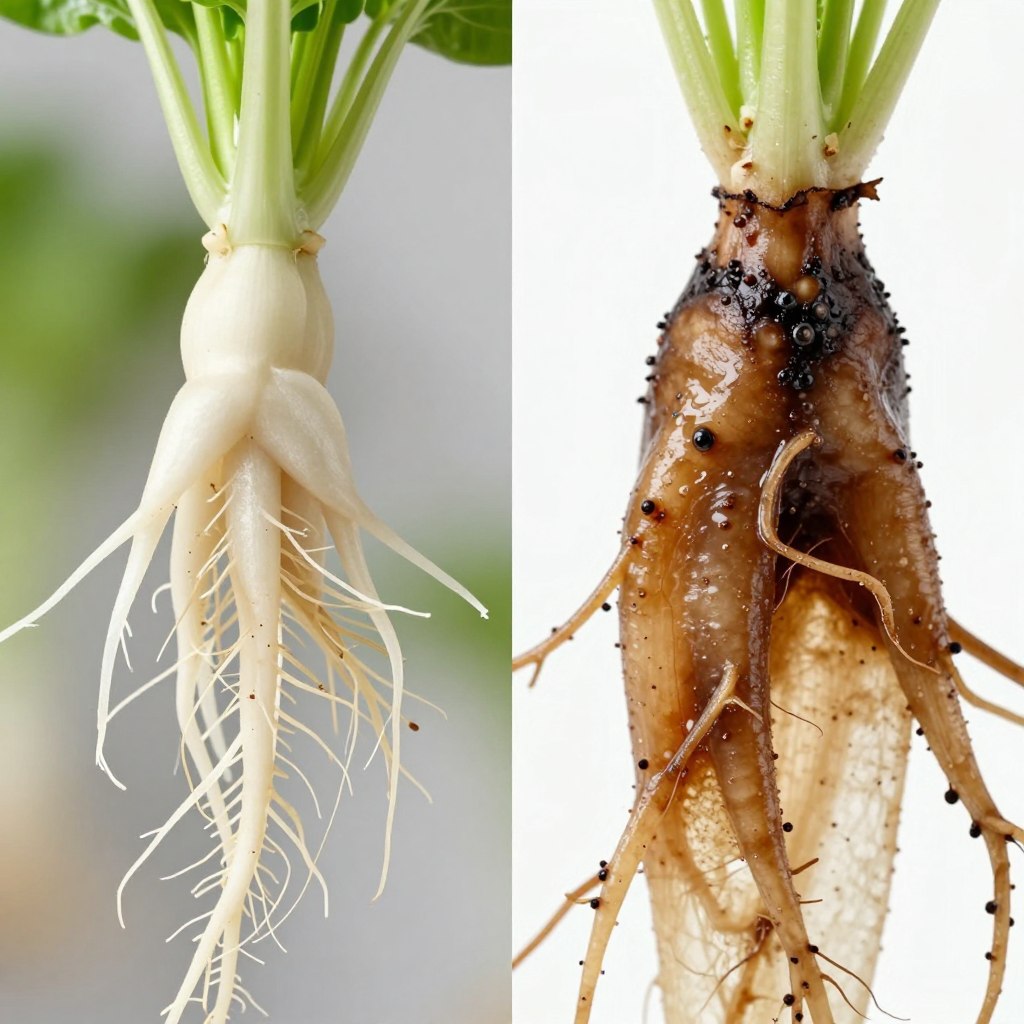
Healthy roots are white or cream colored, firm, and numerous. Root problems spread quickly in hydroponic systems because roots share the same water supply.
Root Rot and Pythium
Root rot is a fungal disease caused primarily by Pythium species. Warm, oxygen-poor water creates perfect conditions for this devastating problem. Once established, root rot spreads rapidly through shared nutrient solution.
Identifying root rot:
- Brown, mushy roots with a slimy texture
- Foul odor coming from the root zone
- Wilting plants despite adequate water
- Slow growth and yellowing leaves
- Roots that fall apart when touched
Treatment protocol:
- Remove affected plants from the system immediately
- Rinse remaining healthy roots with clean water
- Trim away all brown or mushy roots using sterilized scissors
- Prune dead or dying leaves to reduce plant stress
- Empty and thoroughly clean the entire grow bowl and reservoir
- Sanitize all system components with diluted hydrogen peroxide
- Refill with fresh nutrient solution
- Check that pumps are working properly and not clogged
- Add an air stone to increase dissolved oxygen if needed
Hydrogen peroxide helps combat root rot when added to nutrient solution. Use three percent hydrogen peroxide at no more than 2.5 teaspoons per gallon of water. This treatment adds oxygen while fighting pathogens.
Prevention strategies:
- Keep nutrient solution temperature below 75 degrees Fahrenheit
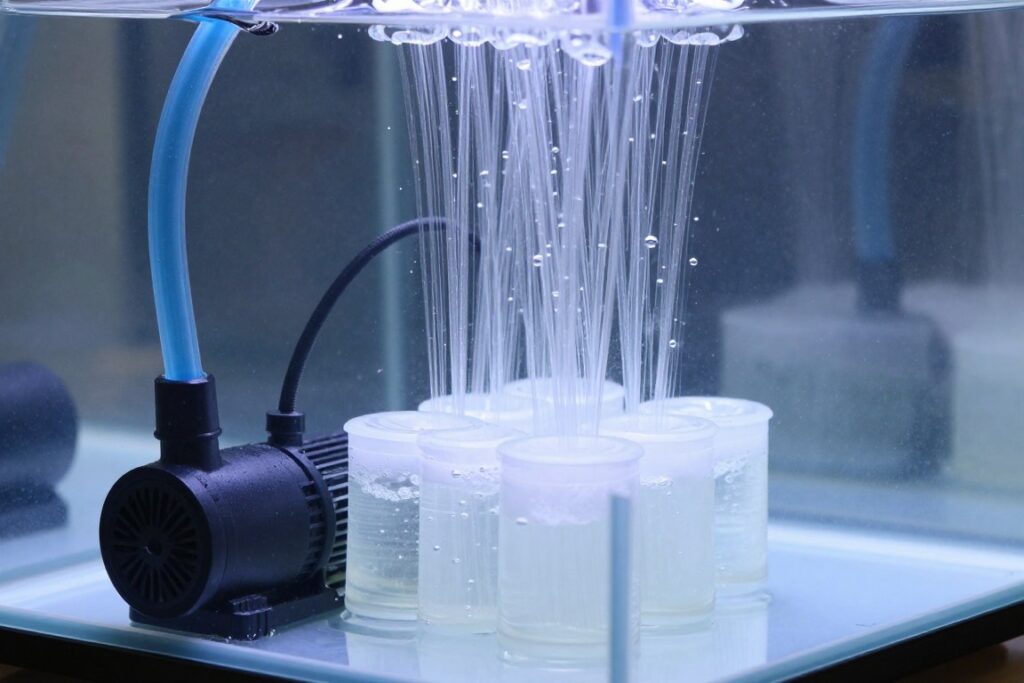
- Ensure adequate aeration with air pumps and air stones
- Maintain proper water circulation throughout the system
- Inspect roots weekly for early signs of discoloration
- Avoid overcrowding plants which restricts air flow
- Clean and sterilize system between growing cycles
Environmental Control Problems
Temperature, light, and air circulation work together to create optimal growing conditions. Problems in any area stress plants and reduce yields.
Temperature Fluctuations
Both air and water temperature affect plant health. Extreme heat or cold slows growth and opens the door to disease.
Temperature targets:
- Air temperature: 65-75 degrees Fahrenheit for most crops
- Water temperature: 60-70 degrees Fahrenheit ideal
- Night temperatures can drop 5-10 degrees without harm
Solutions for temperature problems:
- Use a thermometer at canopy level to monitor air temperature
- Add an aquarium thermometer to track water temperature
- Install small fans to move warm air away from plants
- Insulate reservoirs from hot floors or cold basements
- Consider a small space heater for cold environments
- Reduce light intensity or duration if heat becomes excessive
Inadequate Lighting
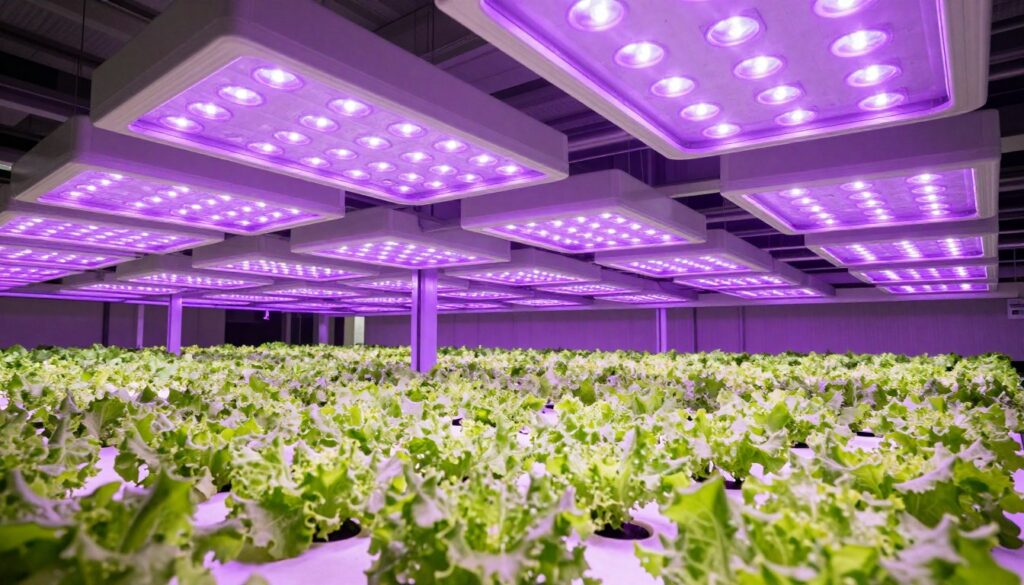
Light drives photosynthesis and determines growth rate. Too little light causes stretching, weak stems, and poor yields. Wrong spectrum or photoperiod disrupts plant development.
Common lighting mistakes:
- Lights positioned too far from plant canopy
- Insufficient light intensity for the growth stage
- Inconsistent photoperiod confusing plant development
- Wrong spectrum for vegetative or flowering phases
Quick fixes:
- Measure distance from lights to plant tops
- Adjust height according to manufacturer specifications
- Use a timer for consistent daily photoperiod
- Provide 14-16 hours of light for leafy greens
- Give fruiting plants 12-14 hours during flowering
- Replace aging bulbs that have lost intensity
Poor Air Circulation and Humidity
Stagnant air invites mold, weakens stems, and creates hot spots. Gentle air movement strengthens plants and maintains consistent conditions throughout your grow space.
Benefits of proper air flow:
- Strengthens stems through gentle movement
- Distributes fresh carbon dioxide across leaves
- Prevents mold and mildew growth
- Evens out temperature and humidity
- Improves transpiration and nutrient uptake
An oscillating fan on low speed provides ideal air movement. Position it to create gentle indirect air flow rather than blasting plants directly. This simple addition prevents multiple problems.
Pests and Disease Problems
Indoor hydroponic systems face fewer pest issues than outdoor gardens. But once pests establish themselves inside your home, dealing with them requires immediate action.
Common Hydroponic Pests
Several insects target hydroponic plants. Early detection and swift response prevent minor pest presence from becoming a major infestation.
Most common pests:
- Fungus gnats around growing media and reservoirs
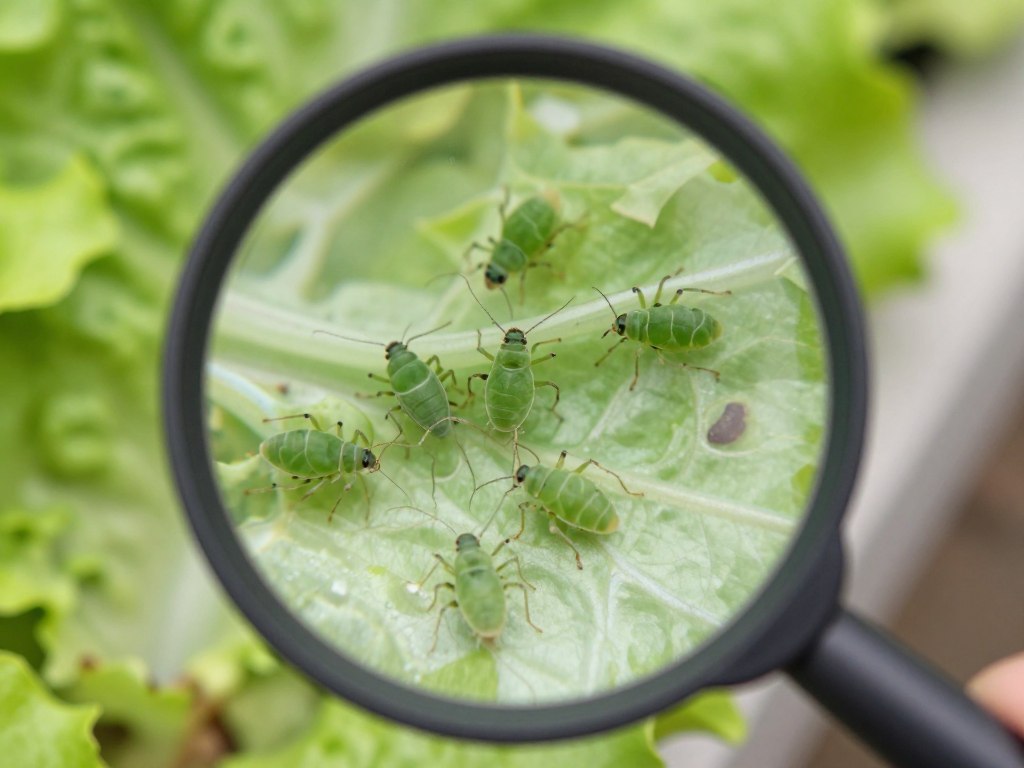
- Aphids clustering on new growth and leaf undersides
- Spider mites creating fine webbing between leaves
- Whiteflies swarming when plants are disturbed
- Thrips causing silvery streaks on leaves
Treatment options:
- Isolate affected plants immediately to prevent spread
- Prune heavily infested leaves and dispose of them
- Hang yellow sticky traps to monitor and catch flying pests
- Spray leaves with insecticidal soap following label directions
- Apply neem oil as a natural deterrent
- Repeat treatments every three to five days
- Sanitize entire system if infestation becomes severe
Prevention tactics:
- Quarantine new plants for one week before introducing them
- Keep growing area clean and remove plant debris promptly
- Avoid moving plants between indoor and outdoor locations
- Inspect plants weekly for early signs of pests
- Maintain proper spacing to improve air circulation
Plant Diseases
Fungal and bacterial diseases spread quickly in humid environments. Recognition and rapid response protect your entire crop.
Common diseases:
- Gray mold (Botrytis) from excessive humidity
- Powdery mildew appearing as white patches on leaves
- Various wilts affecting tomatoes, peppers, and eggplants
- Damping off in seedlings
Disease management:
- Improve air circulation with fans
- Reduce humidity through better ventilation
- Prune plants to allow air flow between branches
- Remove infected plants promptly to prevent spread
- Disinfect tools between plants
- Consider shutting down and sanitizing if disease spreads
System-Specific Hydroponic Problems
Mechanical issues disrupt water and nutrient delivery. Regular inspection and maintenance prevent most equipment failures.
Clogged Pumps and Tubing
Pumps move nutrient solution to plant roots. Clogs from algae, roots, or debris starve plants quickly in active systems.
Signs of pump problems:
- Reduced water flow to growing sites
- Unusual pump noises or vibrations
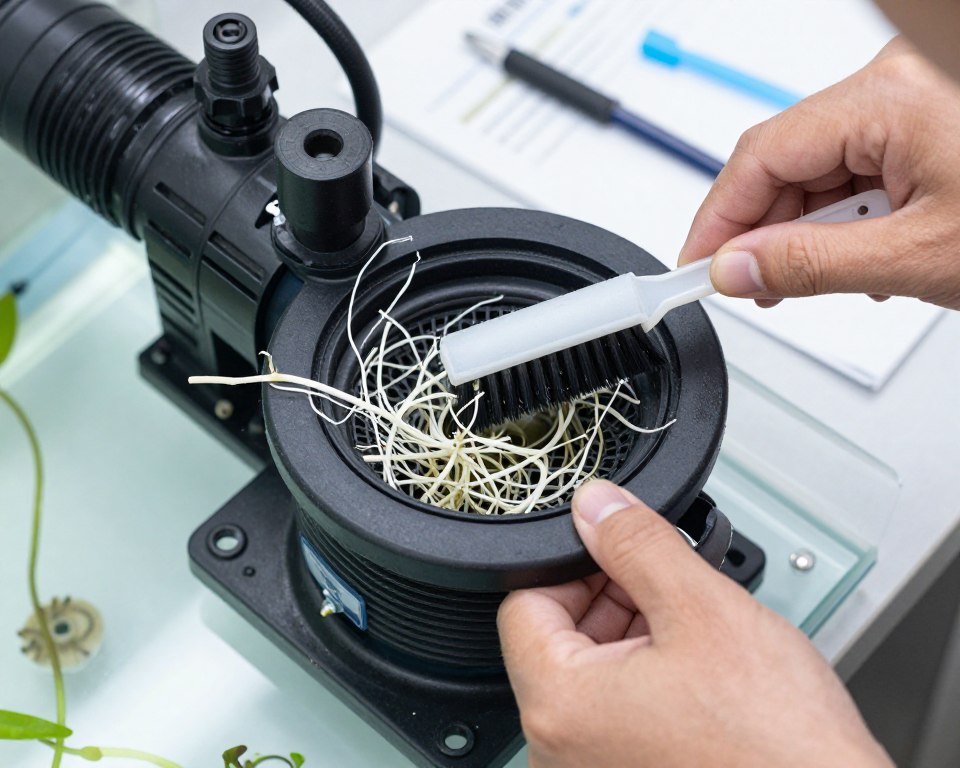
- Visible root growth into pump intake
- Slimy buildup on pump surfaces
Maintenance steps:
- Unplug pump before handling
- Remove pump from nutrient solution
- Disassemble according to manufacturer instructions
- Clear intake screen of roots and debris
- Flush tubing with clean water
- Use pipe cleaners for thorough tube cleaning
- Soak components in diluted hydrogen peroxide if needed
- Reassemble and test before returning to system
Prevention:
- Check pumps weekly for debris buildup
- Clean pumps during nutrient changes
- Keep spare pump on hand for emergencies
- Use mesh filters over pump intakes
Algae Overgrowth
Algae growth is perhaps the most universal of all hydroponic problems. The combination of water, light, and nutrients creates perfect conditions for algae to thrive.
Why algae is problematic:
- Competes with plants for nutrients
- Clogs pumps, tubing, and drippers
- Reduces dissolved oxygen levels
- Creates unpleasant odors
- Makes system maintenance more difficult
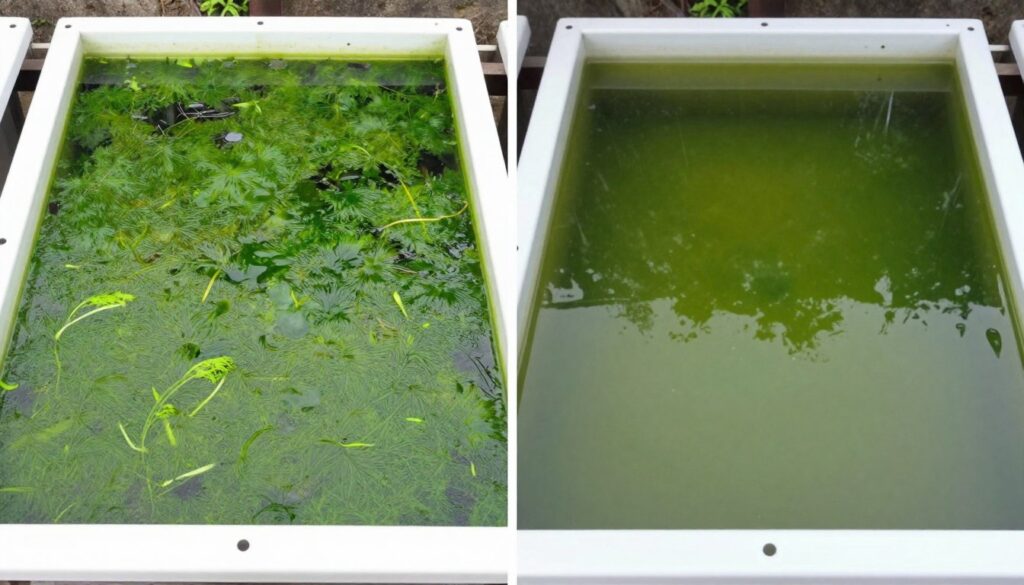
Solutions:
- Block all light from reaching nutrient solution
- Cover open holes in growing trays with lids or plugs
- Use opaque tubing and reservoirs
- Wrap clear components with black plastic or tape
- Scrub visible algae during cleaning sessions
- Replace nutrient solution regularly
Prevention:
- Select light-proof system components from the start
- Maintain water temperature in optimal range
- Clean system thoroughly between crops
- Reduce unnecessary light exposure
Get Your Free Hydroponic Troubleshooting Checklist
Download our comprehensive maintenance checklist covering daily, weekly, and monthly tasks to prevent common hydroponic problems before they start. Includes pH and EC tracking sheets, symptom identification guides, and emergency response protocols.
Operational and Planning Issues
Some hydroponic problems stem from setup decisions rather than system failures. These issues are preventable with proper planning.
Overcrowding Plants
New growers often want to use every available growing space. But cramming too many plants together creates multiple cascading problems.
Problems from overcrowding:
- Restricted air flow promotes disease
- Plants compete for light and grow tall and weak
- Lower leaves receive no light and die
- Difficult to access plants for maintenance
- Root systems become tangled and stressed
- Harvest becomes complicated
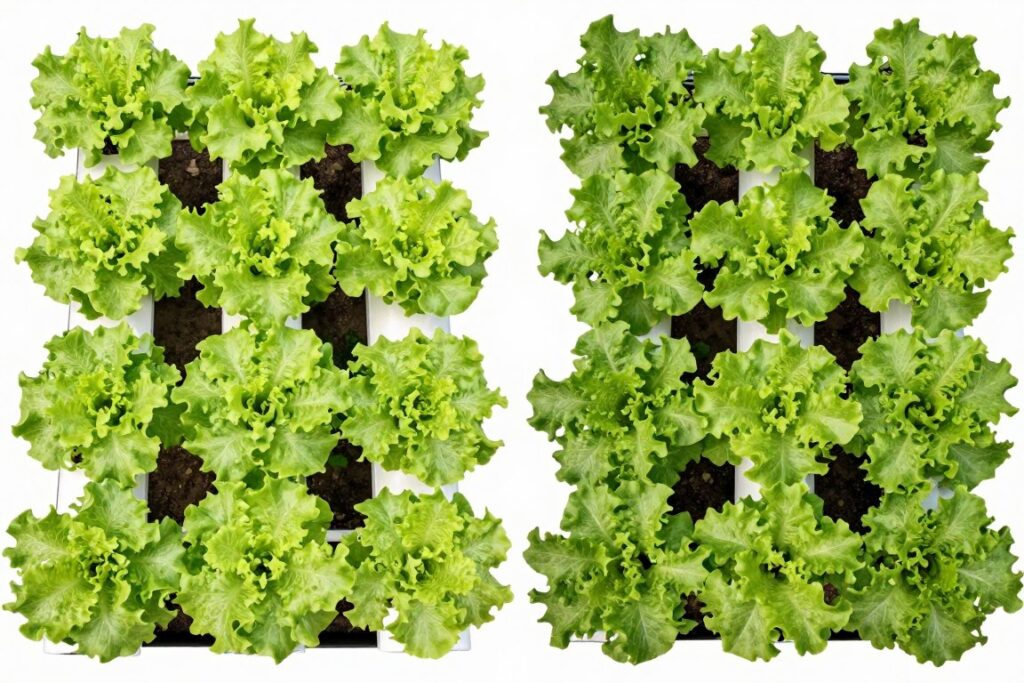
Spacing guidelines:
- Leave at least one empty space between lettuce plants
- Give herbs room to bush out without touching neighbors
- Provide extra space for large plants like tomatoes and peppers
- Consider mature plant size when planning layout
- Cover unused holes to prevent light and algae issues
Choosing Wrong Plants
Not all plants thrive in hydroponic systems. Some require specific conditions that are difficult to provide in water culture.
Best plants for hydroponics:
- Leafy greens like lettuce, spinach, and kale
- Herbs including basil, cilantro, and parsley
- Tomatoes (dwarf or determinate varieties)
- Peppers and hot chilies
- Strawberries (especially everbearing types)
- Cucumbers with proper support
Difficult hydroponic plants:
- Root vegetables like carrots and potatoes
- Corn and large grains
- Indeterminate tomatoes without adequate space
- Plants requiring specific soil microbes
Poor Water Quality
Municipal tap water contains minerals and chemicals that affect nutrient balance. High total dissolved solids (TDS) interfere with precise nutrient management.
Water issues to watch:
- High starting TDS or ppm levels
- Chlorine or chloramine affecting beneficial bacteria
- Hard water adding excess calcium and magnesium
- pH that drifts consistently in one direction
Solutions:
- Test tap water TDS before mixing nutrients
- Let chlorinated water sit for 24 hours before use
- Consider a reverse osmosis (RO) system for consistent results
- Adjust nutrient recipes based on water mineral content
- Keep records to identify water-related patterns
Neglecting Regular Maintenance
The most common hydroponic problem is simply not keeping up with routine care. Regular attention prevents most issues from developing.
Essential Maintenance Tasks
Daily checks (two minutes):
- Visual plant inspection for wilting or discoloration
- Verify pumps are running properly
- Check water level and top off if needed
- Confirm lights turned on at scheduled time
Every two to three days:
- Test and adjust pH levels
- Measure EC or ppm
- Look for early signs of pests
- Remove any dead leaves
Weekly maintenance:
- Inspect roots for health and color
- Clean any visible algae
- Check tubing for clogs
- Verify all system components function properly
- Take photos to track plant progress
Every two weeks:
- Complete nutrient solution change
- Wipe down reservoir interior
- Clean pump and check for debris
- Calibrate pH meter
Cleaning Between Crops
Thorough cleaning between growing cycles prevents disease carryover and starts each crop fresh.
End-of-cycle cleaning protocol:
- Remove all plants and growing media
- Drain nutrient solution completely
- Disassemble removable system components
- Scrub all surfaces with mild soap and water
- Rinse thoroughly to remove soap residue
- Sanitize with diluted hydrogen peroxide or bleach solution
- Rinse again with clean water
- Allow all parts to dry completely
- Inspect for damage or wear before reassembly
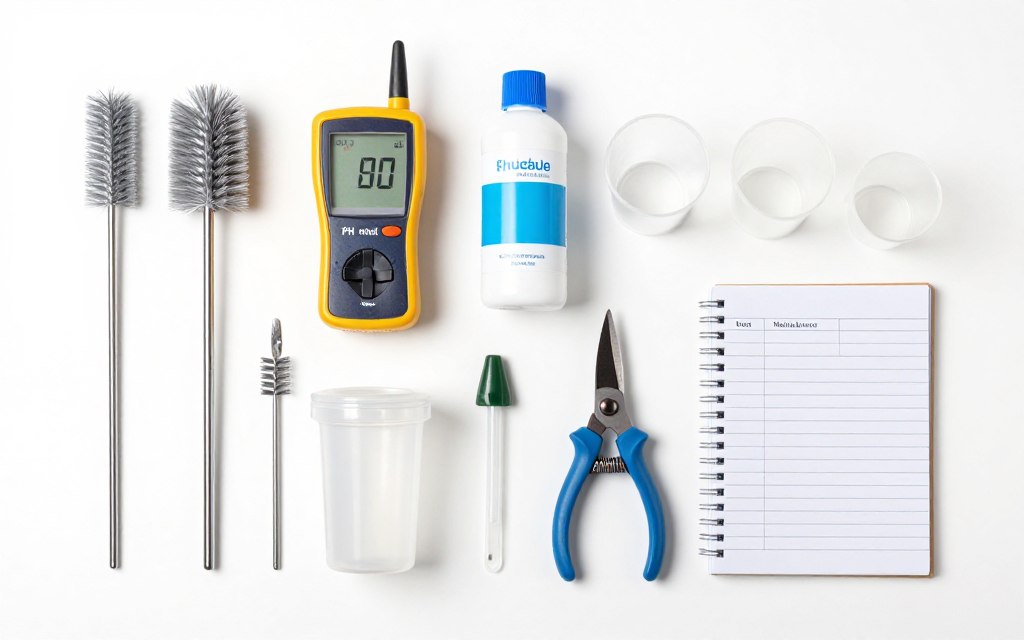
Clean pruning tools between plants using rubbing alcohol or hydrogen peroxide. This simple step prevents spreading diseases through your system.
Essential Tools for Problem Prevention
Having the right tools makes hydroponic maintenance simple and catches problems early. These items are worth the investment.
pH Testing Kit
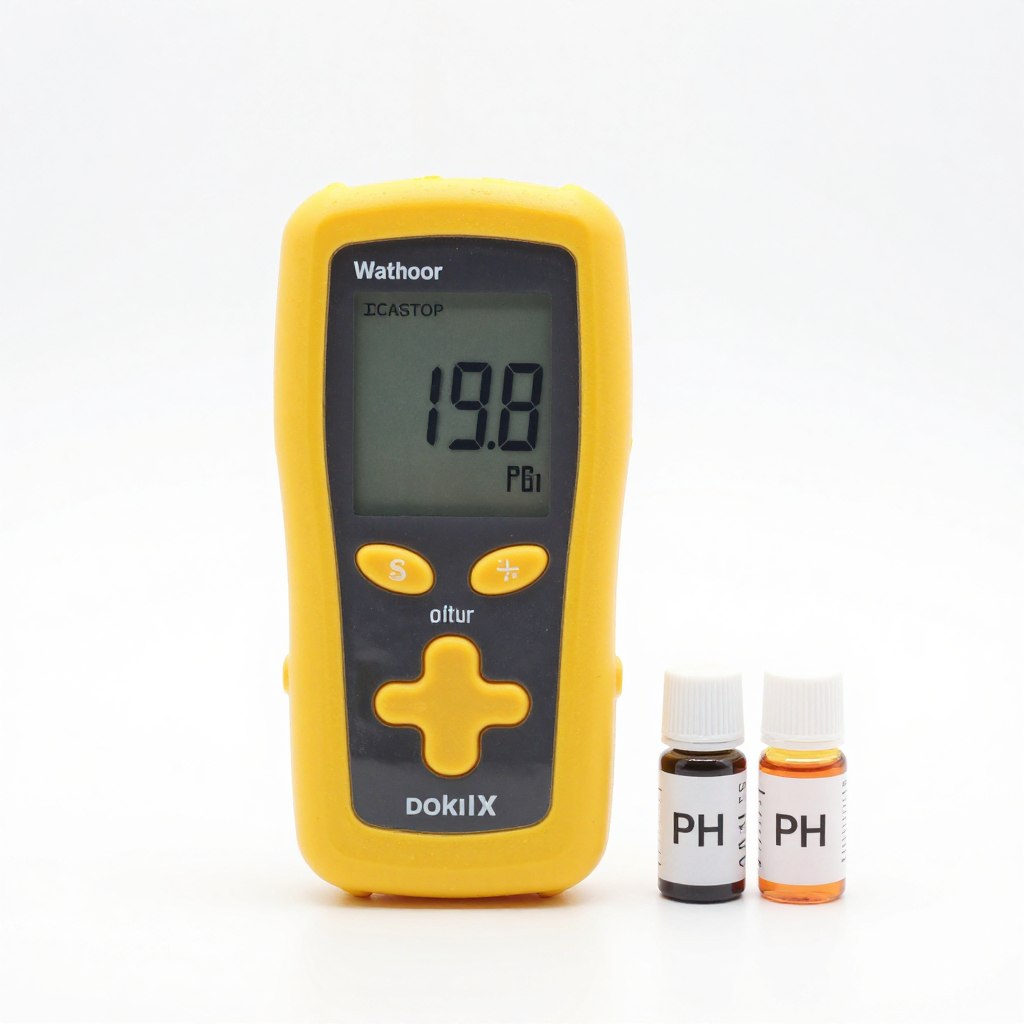
A reliable pH meter is your most important tool. Digital meters provide instant accurate readings and calibrate easily. Test solution pH every two to three days to prevent nutrient lockout.
EC/TDS Meter
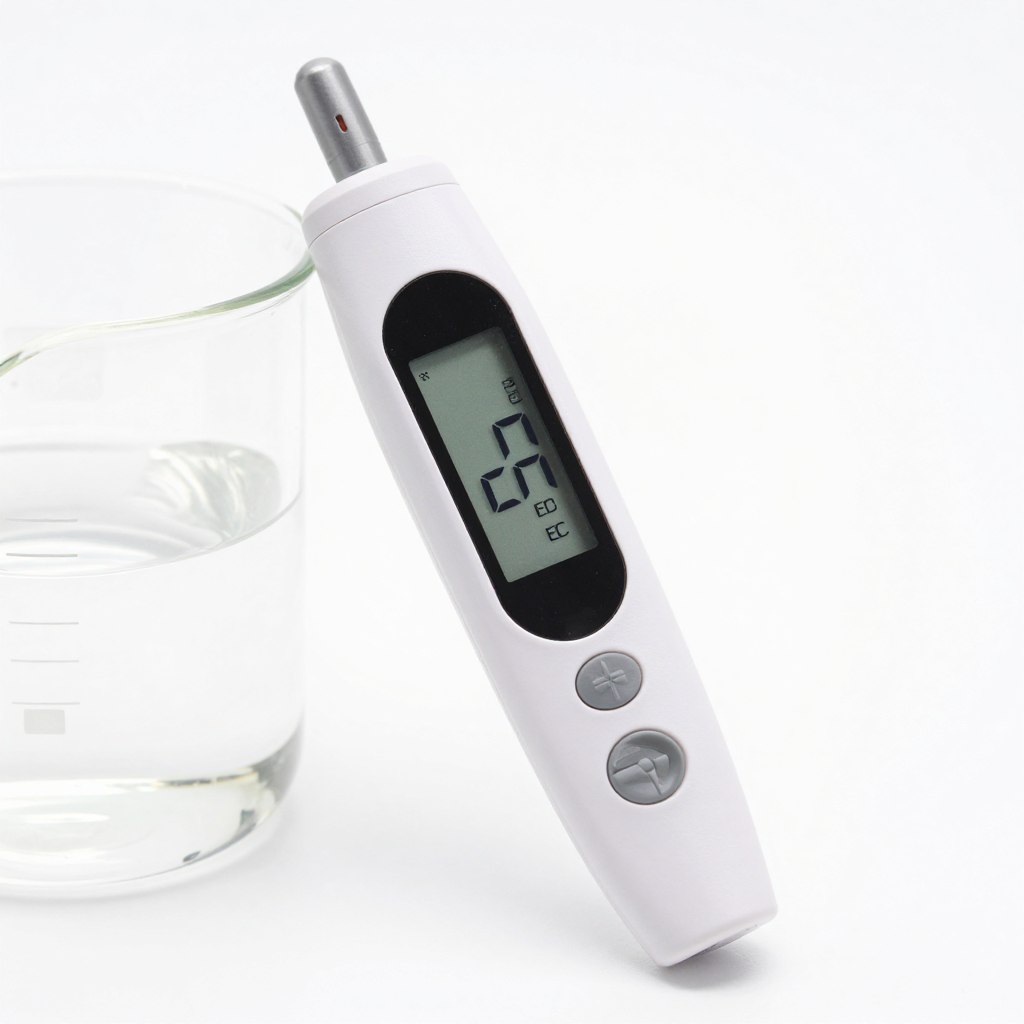
EC and TDS meters measure nutrient concentration in your solution. This takes guesswork out of feeding and helps diagnose deficiency problems. Essential for consistent results.
Complete Test Kit
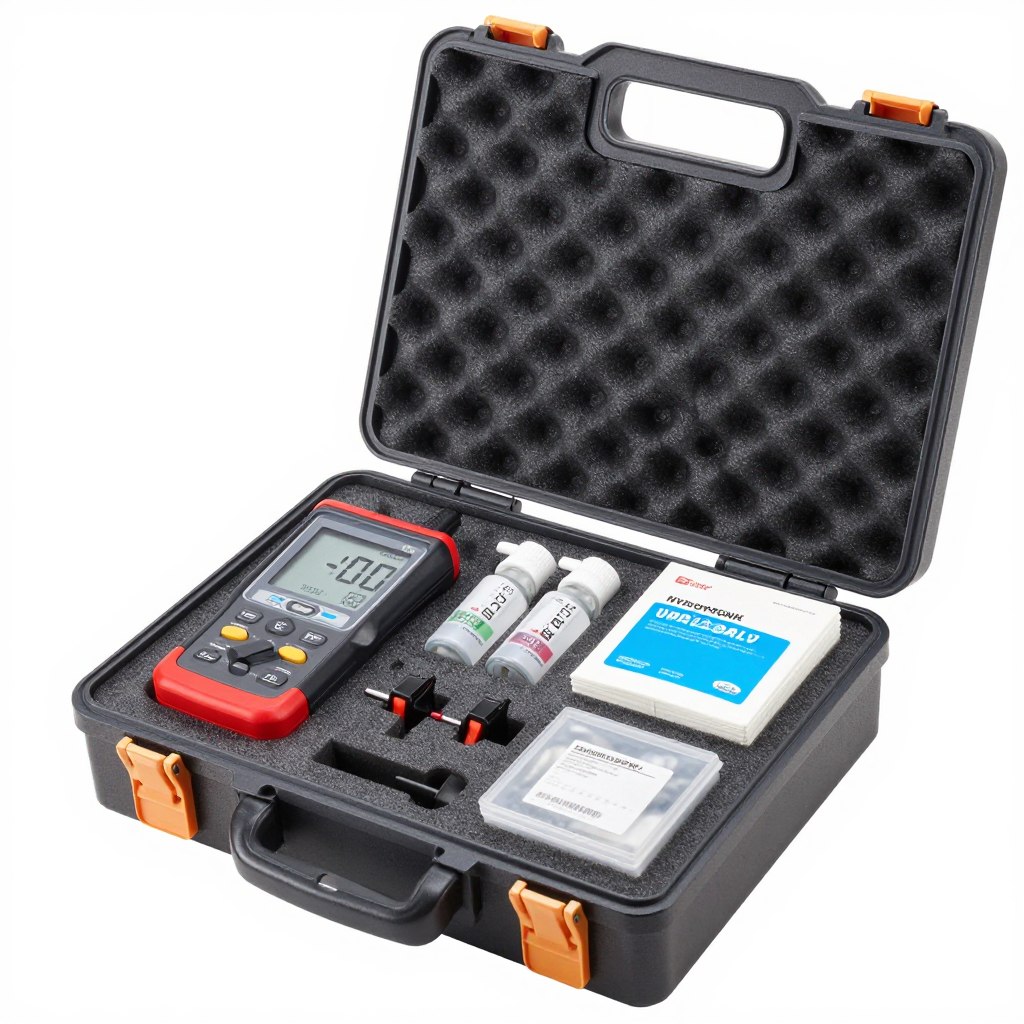
Combination kits include pH meter, EC meter, and calibration solutions in one package. These sets cost less than buying separately and ensure you have everything needed for complete water testing.
Quick Answers to Common Questions
Moving Forward with Confidence
Every hydroponic gardener encounters these problems at some point. The difference between success and frustration is catching issues early and knowing how to respond. Most problems have straightforward solutions once you understand the underlying cause.
Start with the basics: test your water regularly, maintain proper pH levels, keep your system clean, and monitor plants daily. These simple habits prevent the majority of common hydroponic problems before they impact your crops.
Keep a simple maintenance log tracking pH, EC, water changes, and observations. Patterns emerge over time that help you anticipate and prevent issues specific to your system and growing environment.
Problems are learning opportunities that make you a better grower. Each challenge you overcome teaches you more about your plants and system. Stay patient, make small adjustments, and trust the process. Your next harvest will reflect the care and attention you invest today.
Action Step: Download the free troubleshooting checklist and post it near your growing system. Run through the quick daily checks each time you visit your plants. This two-minute routine catches most problems while they are still easy to fix.