
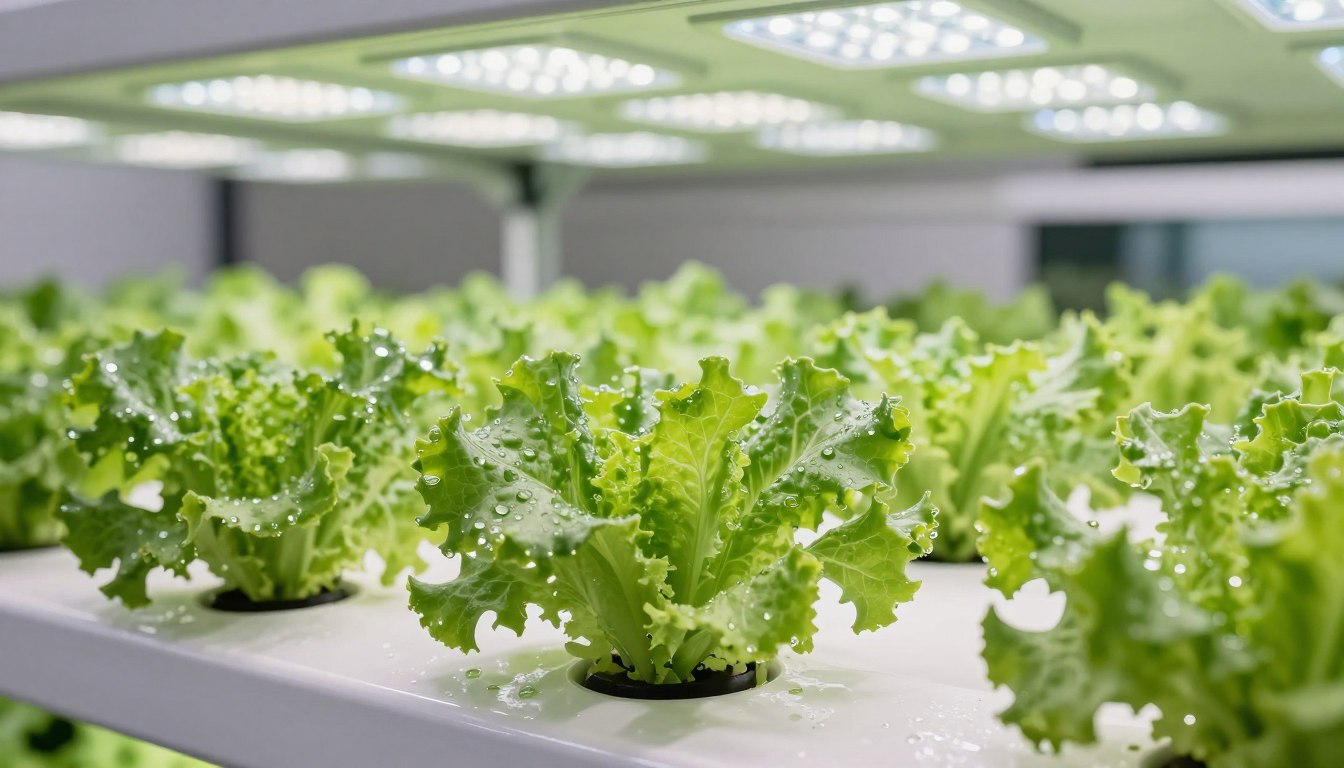
Understanding Hydroponic Indoor Gardening
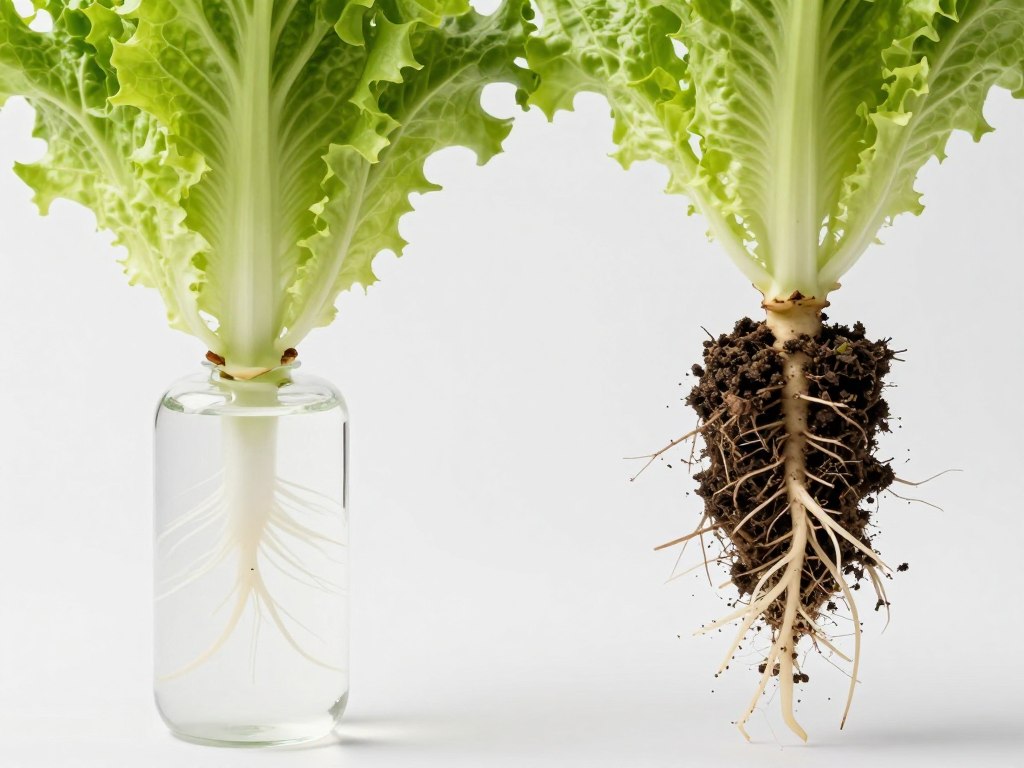
Hydroponics is a soil-free growing method where plants receive nutrients directly through water. Instead of roots searching through soil for food, they absorb a carefully balanced nutrient solution that provides everything they need for optimal growth. This direct delivery system explains why hydroponic plants often grow thirty to fifty percent faster than their soil-grown counterparts.
Indoor hydroponic systems create the perfect controlled environment for lettuce. You manage every aspect of plant health including light exposure, temperature, humidity, and nutrition. This level of control eliminates many common gardening challenges like pests, diseases, and weather unpredictability.
Why Lettuce Is Perfect for Hydroponics
Lettuce stands out as an ideal crop for hydroponic growing, especially for newcomers. These leafy greens mature quickly, typically within four to six weeks from seed to harvest. Lettuce varieties don’t require intense light like fruiting plants, making them perfect for indoor cultivation with basic grow lights.
The shallow root system of lettuce adapts perfectly to hydroponic setups. Plants remain compact and manageable in small spaces. Whether you live in an apartment or simply want fresh greens during winter months, lettuce thrives in indoor hydroponic systems with minimal space requirements.
Key Benefits of Growing Lettuce Hydroponically Indoors
Growing lettuce indoors with hydroponics offers advantages that traditional gardening simply cannot match. Understanding these benefits helps you appreciate why millions of home growers have made the switch to this efficient growing method.
Year-Round Fresh Harvests
Indoor hydroponic lettuce ignores outdoor seasons completely. You harvest fresh greens in January just as easily as July. No more waiting for spring or dealing with summer heat that causes lettuce to bolt and turn bitter.
- Consistent production regardless of weather
- Multiple harvests from single plants
- Continuous growing cycles for constant supply
- No seasonal limitations or frost concerns
Superior Resource Efficiency
Hydroponic systems use up to ninety percent less water than traditional soil gardening. The closed-loop system recirculates nutrient solution, eliminating waste and reducing your environmental footprint significantly.
- Minimal water consumption with recirculation
- No fertilizer runoff or soil contamination
- Reduced carbon footprint from local production
- Space efficiency allows more plants per square foot
Accelerated Growth Rates
Hydroponic lettuce grows significantly faster than soil-grown plants. The direct nutrient delivery and optimized growing conditions mean you harvest mature lettuce leaves in four to five weeks instead of eight to ten weeks.
- Thirty to fifty percent faster maturation time
- Larger yields from the same space
- Vigorous growth with abundant leaf production
- Predictable harvest schedules for meal planning
Complete Environmental Control
Indoor systems give you total authority over growing conditions. You decide the temperature, light duration, humidity levels, and nutrient concentration. This control produces healthier plants with superior nutritional value.
- Optimal temperature maintenance year-round
- Precise lighting schedules for best growth
- Elimination of weather-related stress
- Protection from pests and diseases
Health Advantage: Studies show hydroponic lettuce varieties, particularly those with darker pigments and leafy types, contain higher concentrations of vitamins, minerals, and bioactive compounds. These include folate, beta-carotene, and lutein which support cardiovascular health and provide anti-inflammatory benefits.
Essential Equipment and Setup Requirements
Starting your indoor hydroponic lettuce garden requires some basic equipment, but you don’t need to break the bank. This section covers everything from budget-friendly starter kits to individual components you can assemble yourself.
Hydroponic System Types for Lettuce
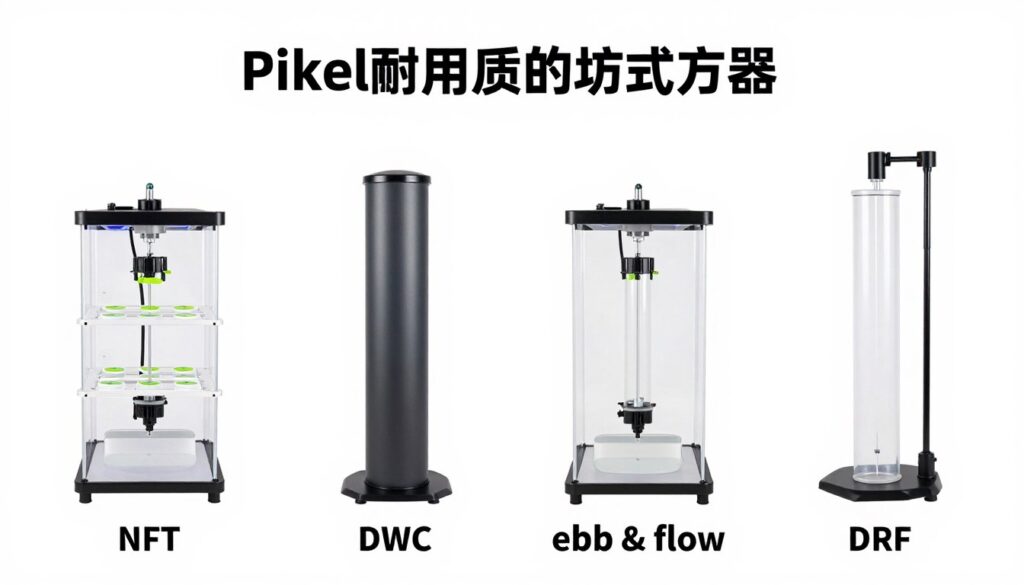
Several hydroponic system types work excellently for lettuce cultivation indoors. Each offers unique advantages depending on your space, budget, and experience level. Understanding these systems helps you choose the best fit for your situation.
Deep Water Culture (DWC)
Deep Water Culture systems suspend plant roots directly in oxygenated nutrient solution. An air pump continuously bubbles oxygen through the water, keeping roots healthy and promoting rapid growth. DWC systems are incredibly simple and perfect for beginners.
- Simplest system design with few parts
- Low maintenance requirements
- Excellent for lettuce and leafy greens
- Affordable entry point for new growers
Nutrient Film Technique (NFT)
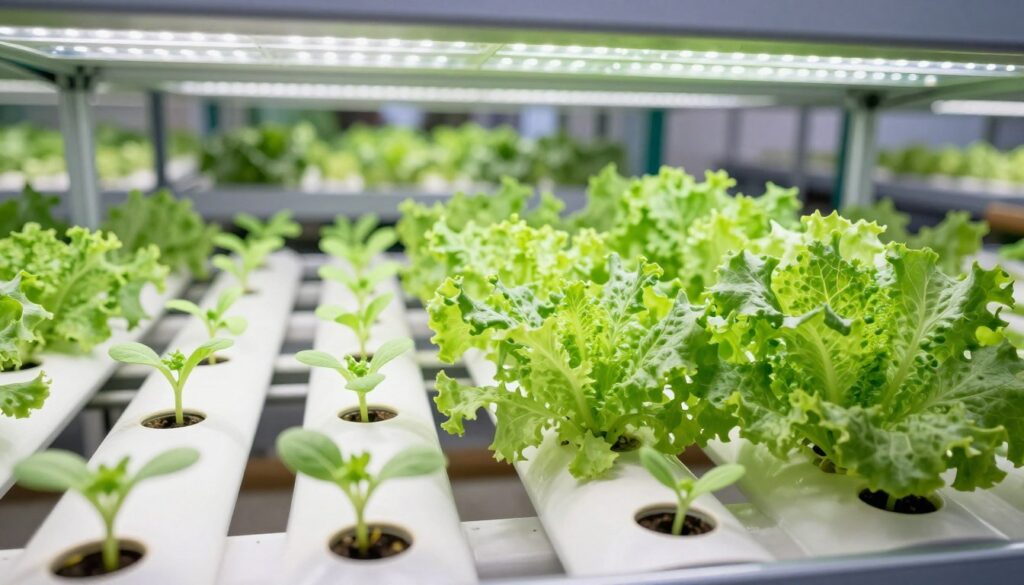
NFT systems flow a thin film of nutrient solution continuously through sloped channels. Roots dangle into this flowing stream, absorbing nutrients and oxygen. This system type is popular in commercial operations and works beautifully for home lettuce production.
- Continuous nutrient flow to roots
- Excellent oxygenation naturally
- Space-efficient channel design
- Scalable for multiple plants
Ebb and Flow Systems
Also called flood and drain systems, these periodically flood the grow tray with nutrient solution before draining it back to a reservoir. This cycle provides nutrients while ensuring excellent root oxygenation during drain periods.
- Versatile system accommodates various plant sizes
- Automatic timing controls reduce effort
- Strong oxygenation during drain cycles
- Reliable and proven technology
Ready to Start Growing?
Complete starter kits include everything you need – system, lights, nutrients, and growing medium. Perfect for first-time hydroponic growers who want guaranteed success.
Grow Lights for Indoor Lettuce
Light powers plant growth through photosynthesis, making quality grow lights essential for indoor hydroponic lettuce. Fortunately, lettuce doesn’t demand intense light like tomatoes or peppers. Moderate light levels for twelve to fourteen hours daily produce excellent results.
LED grow lights offer the best combination of efficiency, longevity, and proper light spectrum for lettuce. These lights consume minimal electricity while providing the blue and red wavelengths that plants need most. Full-spectrum LED lights work perfectly, supporting lettuce through all growth stages from seedling to harvest.
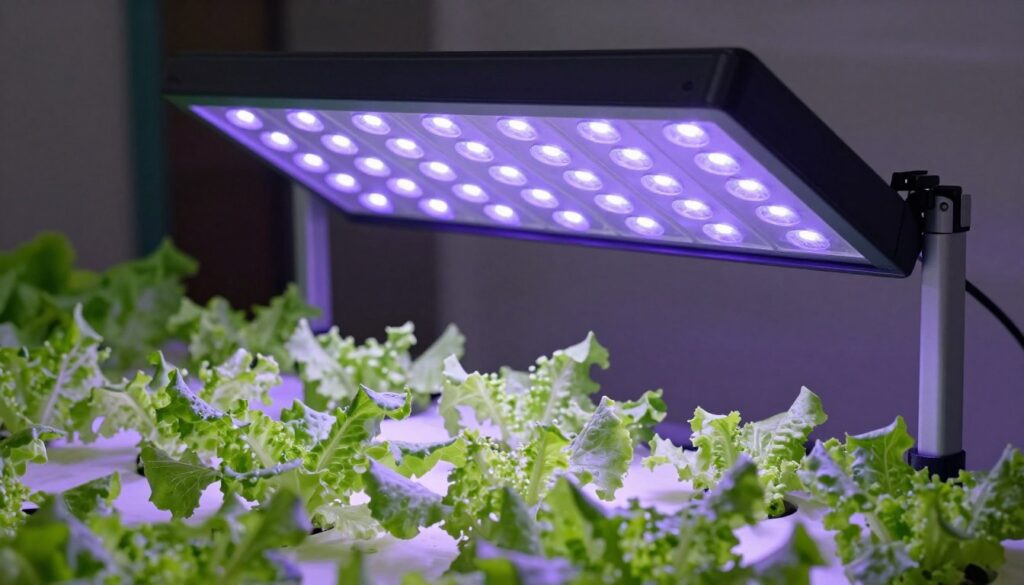
Light Recommendation: Position LED grow lights ten to twelve inches above lettuce plants. Provide twelve to fourteen hours of light daily during the growth stage. Darker lettuce varieties like red leaf types need slightly more light to maintain their vibrant coloring.
Growing Medium Options
Hydroponic growing mediums support plant roots and retain moisture without using soil. The medium anchors plants while allowing excellent air circulation to roots. Several effective options work well for lettuce cultivation.
- Rockwool: Popular starter medium for seed germination, holds moisture well and provides stable support
- Coconut Coir: Sustainable alternative made from coconut husks, excellent water retention with good drainage
- Clay Pebbles: Reusable expanded clay balls that drain freely while maintaining some moisture
- Perlite: Lightweight volcanic glass that promotes excellent aeration and prevents compaction
- Phenolic Foam: Specifically designed for hydroponics, sterile and consistent performance
Monitoring Equipment
Successful hydroponic growing requires monitoring several key parameters. Fortunately, affordable tools make this easy even for beginners. These instruments ensure your nutrient solution maintains optimal conditions for healthy lettuce growth.
pH Meter
A pH meter measures solution acidity. Lettuce thrives when pH stays between 5.5 and 6.5. Outside this range, plants cannot absorb nutrients properly even if they’re present in the solution. Check pH every few days and adjust as needed with pH up or down solutions.
EC/TDS Meter
Electrical Conductivity (EC) or Total Dissolved Solids (TDS) meters measure nutrient concentration. These tools tell you if your solution is too strong or too weak. Proper nutrient concentration prevents deficiencies and toxicities that harm plant health.
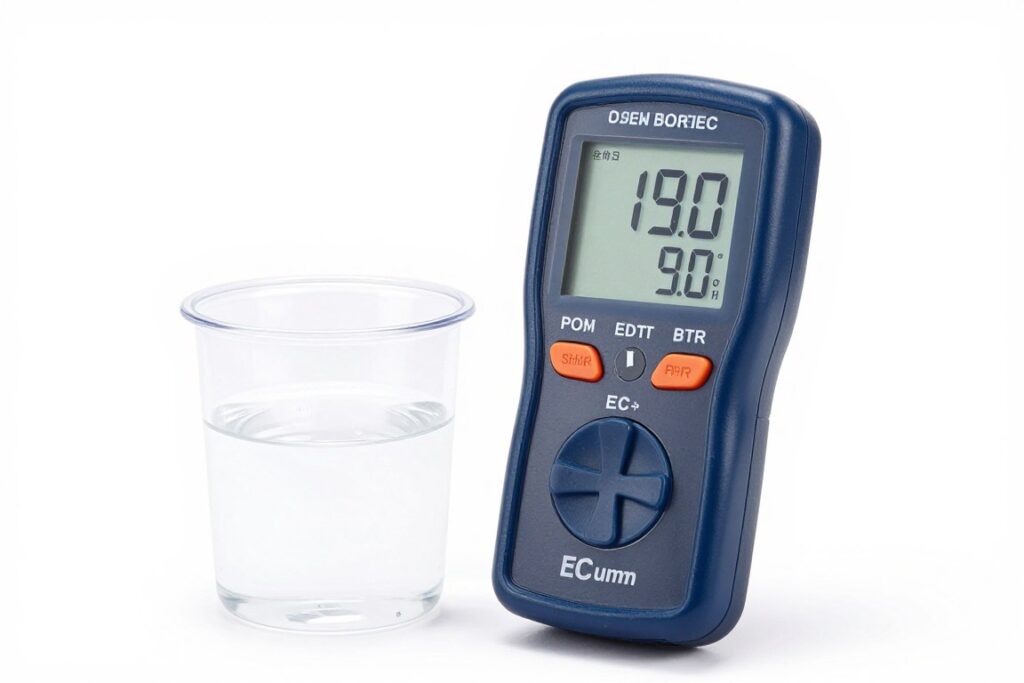
Essential Monitoring Tools
Quality pH and EC meters take the guesswork out of nutrient management. Invest in reliable monitoring equipment to ensure consistent success with every grow cycle.
Step-by-Step Process: How to Grow Lettuce Indoors Hydroponically
Follow these detailed steps to successfully grow lettuce from seed to harvest in your indoor hydroponic system. This proven process works for all lettuce varieties and system types.
Step 1: Select Your Lettuce Varieties
Choosing the right lettuce type affects your success and satisfaction. Different lettuce varieties offer unique flavors, textures, and growing characteristics. Most lettuce types grow exceptionally well in hydroponic systems, giving you plenty of delicious options.
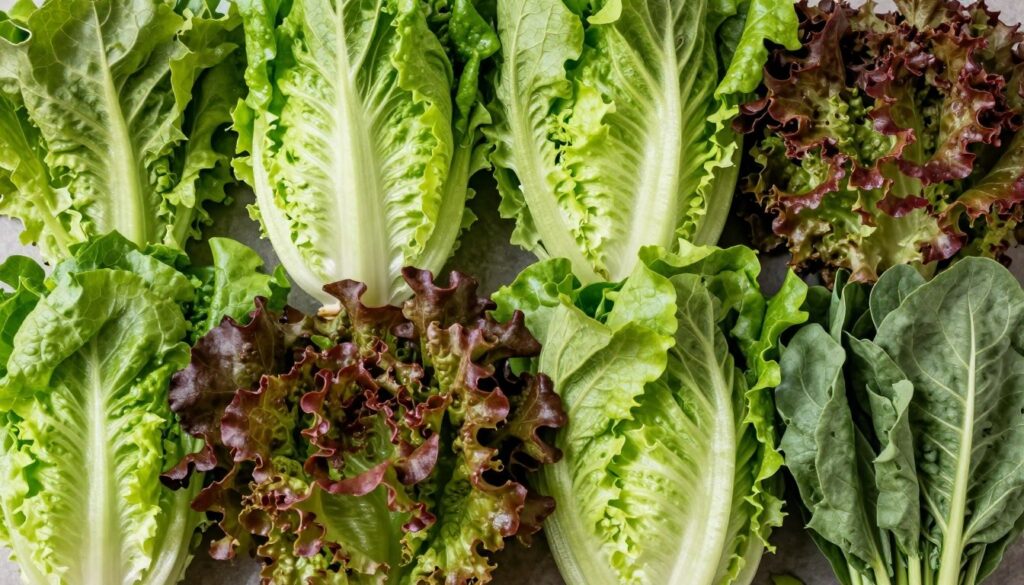
Loose-leaf lettuce varieties like butterhead and oak leaf types work best for beginners. These varieties mature quickly and allow continuous harvesting by picking outer leaves while inner leaves keep growing. Romaine lettuce offers crispy texture perfect for salads and sandwiches. Crisphead types like iceberg take longer to mature but produce dense, crunchy heads.
Best Varieties for Beginners
- Butterhead (Boston, Bibb) – Tender, sweet leaves
- Red and Green Leaf – Fast-growing, colorful
- Oak Leaf – Delicate, decorative foliage
- Romaine – Crispy texture, heat-tolerant
- Little Gem – Compact mini romaine type
Step 2: Germinate Lettuce Seeds
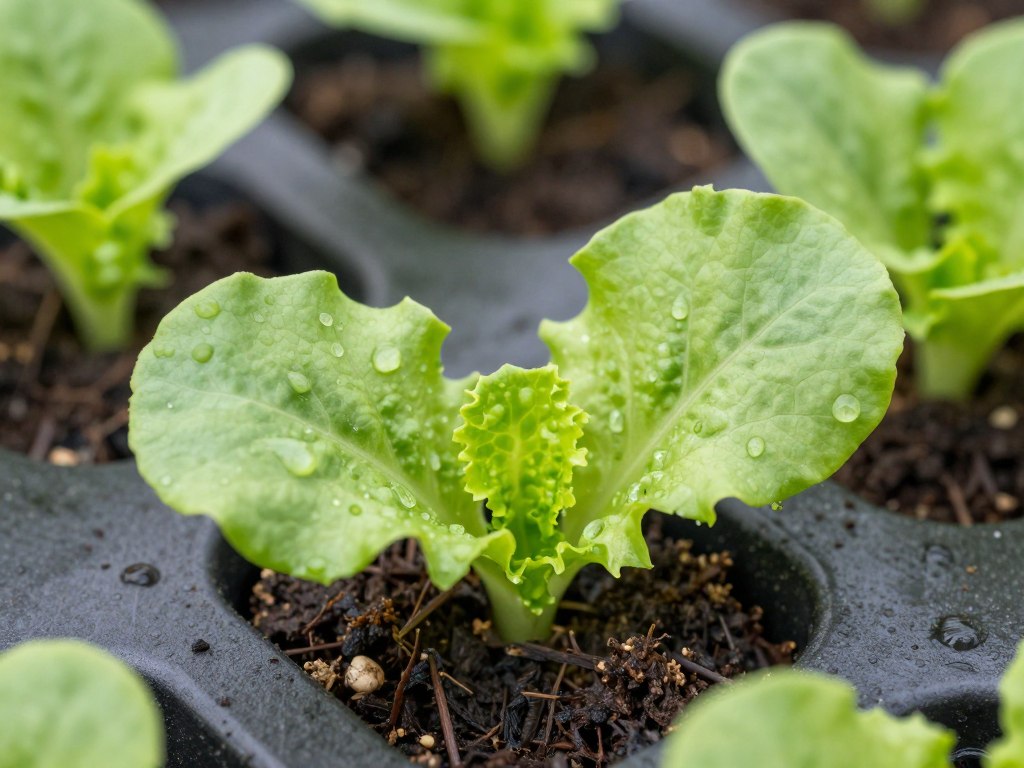
Start lettuce seeds in your chosen growing medium about two to three weeks before transplanting to your main hydroponic system. This germination stage requires minimal equipment and sets the foundation for healthy plants.
Moisten your growing medium thoroughly but don’t oversaturate it. Place two to three seeds in each growing cube or cell, then cover lightly with additional medium. Seeds need darkness to germinate, so cover your seed tray with a humidity dome or plastic wrap.
- Fill seed starting trays with pre-moistened growing medium
- Plant two to three seeds per cell at quarter-inch depth
- Cover trays to maintain humidity and darkness
- Keep temperature around 70-75°F for optimal germination
- Check daily and mist if medium starts drying out
- Remove cover once seedlings emerge (usually 3-7 days)
- Provide light immediately when sprouts appear
Lettuce seeds germinate within three to seven days under proper conditions. Once you see green sprouts, remove the cover and provide light immediately. Seedlings need twelve to fourteen hours of light daily to develop strong, healthy growth.
Step 3: Set Up Your Hydroponic System
While your seeds germinate, prepare your hydroponic system for transplanting. This setup time ensures everything operates correctly before introducing delicate seedlings to the system.
Assemble your chosen hydroponic system according to manufacturer instructions. Fill the reservoir with clean water and add hydroponic nutrient solution following package directions. For seedling stage lettuce, use a diluted nutrient solution with an EC value around 0.8 to 1.2 mS/cm.
Test and adjust your nutrient solution pH to the optimal range of 5.5 to 6.5. Run the system for twenty four hours before transplanting to ensure all equipment works properly and the solution reaches the right temperature between 65-70°F.
Step 4: Transplant Seedlings to Main System
Transplant lettuce seedlings when they develop two to three mature leaves and visible roots emerging from the growing medium. This typically occurs two to three weeks after germination. Handle seedlings gently by the growing medium, never by the delicate stems.
Place each seedling into your hydroponic system’s growing sites. Ensure roots contact the nutrient solution or growing medium properly. The growing medium should sit level with or slightly above the water line to prevent stem rot.
Transplanting Caution: Never pull or tug on lettuce stems during transplanting. The fragile stalks break easily and any damage can kill the plant. Always handle seedlings by their growing medium cube.
Step 5: Maintain Optimal Growing Conditions
Lettuce plants require consistent environmental conditions for healthy growth. Monitor and adjust these parameters regularly throughout the growing cycle for best results.
| Parameter | Optimal Range | Notes |
| Light Duration | 12-14 hours daily | Reduce to 8 hours if tip burn occurs |
| Light Intensity | 220-250 μmol/m²/s | Higher for red varieties |
| Day Temperature | 68-75°F | Cooler temps prevent bolting |
| Night Temperature | 60-65°F | Slight drop improves quality |
| Solution Temperature | 65-70°F | Too warm causes root problems |
| Humidity | 50-70% | Higher humidity for seedlings |
| pH Level | 5.5-6.5 | Check every 2-3 days |
| EC Level (Seedling) | 0.8-1.2 mS/cm | Lower strength for young plants |
| EC Level (Growth) | 1.5-2.0 mS/cm | Increase after 2 weeks |
Step 6: Monitor Nutrient Solution
Your nutrient solution requires regular attention to maintain optimal growing conditions. Check pH and EC levels every two to three days, adjusting as necessary to keep values in the proper ranges.
Change your complete nutrient solution every two to three weeks. Old solution accumulates salt buildup and depleted nutrients even with regular top-offs. Fresh solution ensures your lettuce always has access to balanced nutrition for vigorous growth.
Lettuce needs higher nitrogen levels compared to fruiting plants since you’re growing leaves rather than fruits. Quality hydroponic lettuce nutrients provide the right balance with nitrogen (N) between 100-200 ppm during vegetative growth, phosphorus (P) at 30-60 ppm, and potassium (K) at 100-250 ppm.
Step 7: Ensure Proper Air Circulation
Good air movement strengthens lettuce plants and prevents disease problems in your indoor growing space. Stagnant air creates ideal conditions for fungal diseases and allows heat and humidity to build up around plants.
Use a small oscillating fan to create gentle air movement across your lettuce plants. The leaves should rustle slightly but not bend dramatically. This air circulation strengthens stems, reduces disease risk, and helps maintain consistent temperature throughout your growing area.
Harvesting Your Hydroponic Lettuce
Knowing when and how to harvest lettuce maximizes your yield and extends plant productivity. Different harvesting methods suit different lettuce types and your personal preferences.
When to Harvest Lettuce
Most lettuce varieties reach harvestable size four to six weeks after transplanting seedlings to your main hydroponic system. Loose-leaf types mature fastest at four to five weeks, while denser head lettuce like romaine needs five to six weeks, and crisphead varieties require six to eight weeks.
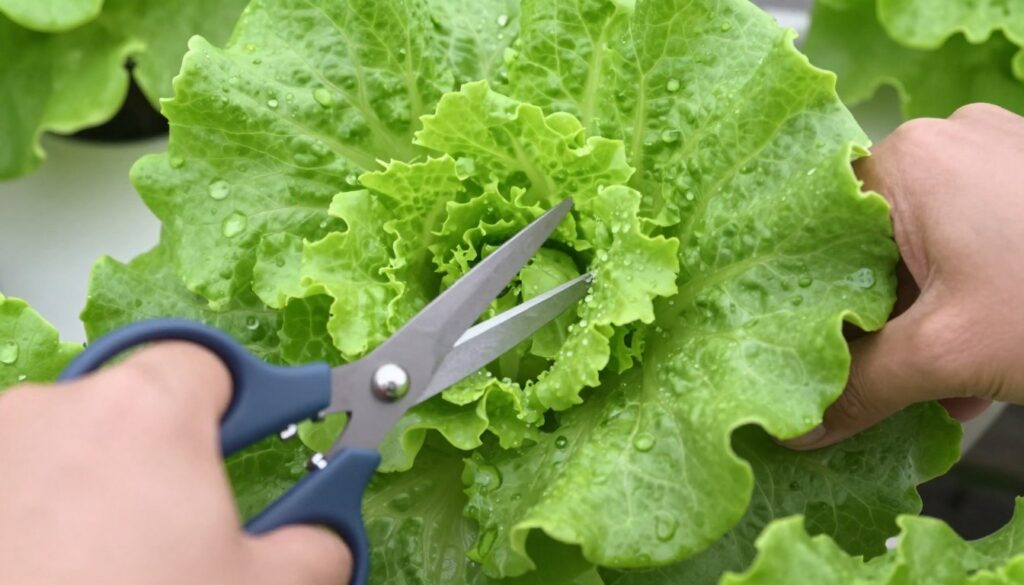
Harvest lettuce in the morning when leaves are crisp and full of moisture. Plants lose water throughout the day, making afternoon-harvested lettuce less crisp. Morning harvests also give you the freshest, most flavorful greens.
Harvesting Methods
The cut-and-come-again harvesting method works beautifully for loose-leaf lettuce varieties. Remove outer mature leaves while leaving the center growing point intact. This technique allows continuous production for weeks from the same plant.
- Select the largest outer leaves for harvesting
- Use clean scissors or a sharp knife for cutting
- Cut leaves about one inch above the growing medium
- Leave at least three to four inner leaves for regrowth
- Most plants regrow for three to five harvests
- Rinse harvested leaves immediately in cool water
For head lettuce types like romaine or butterhead, you can harvest individual leaves or cut the entire head at once. Whole head harvesting gives you more lettuce at once but ends that plant’s production. Remove the entire plant at the base and replace it with a new seedling to maintain continuous production.
Storing Hydroponic Lettuce
Fresh hydroponic lettuce tastes best when consumed immediately after harvest. The crisp texture and sweet flavor peak right after cutting. However, proper storage maintains quality for up to two weeks when necessary.
Rinse harvested lettuce leaves in cool water to remove any residual nutrient solution. Dry leaves gently with a salad spinner or pat them with clean towels. Store dried lettuce in sealed containers or plastic bags with a paper towel to absorb excess moisture.
Keep stored lettuce in your refrigerator’s crisper drawer where temperature and humidity stay consistent. Whole heads last longer than individual leaves. For maximum shelf life, leave the roots attached and place the entire plant in a container with a small amount of water in the bottom.
Start Your Fresh Lettuce Journey Today
Everything you need to grow restaurant-quality lettuce at home. Complete systems designed for beginners with guaranteed results and ongoing support.
System Cleaning and Maintenance
Regular maintenance keeps your hydroponic system running efficiently between growing cycles. Clean equipment prevents disease buildup and ensures optimal performance for your next lettuce crop.
After harvesting your lettuce, drain the system completely and remove all plant debris. Scrub the reservoir, tubing, and growing containers with a solution of hydrogen peroxide or diluted bleach. Rinse everything thoroughly with clean water to remove cleaning solution residue.
Inspect pumps, air stones, and tubing for wear or clogs. Replace any components showing damage or reduced performance. Clean or replace growing medium between crops, especially organic materials like coconut coir. Rockwool and clay pebbles can be sterilized and reused multiple times.
Troubleshooting Common Problems
Even experienced growers encounter occasional challenges with hydroponic lettuce. Recognizing problems early and knowing effective solutions keeps your plants healthy and productive.
Nutrient Deficiencies
Nutrient deficiencies show up as discolored or distorted leaves. Different deficiencies create distinct symptoms that help you identify the specific problem.
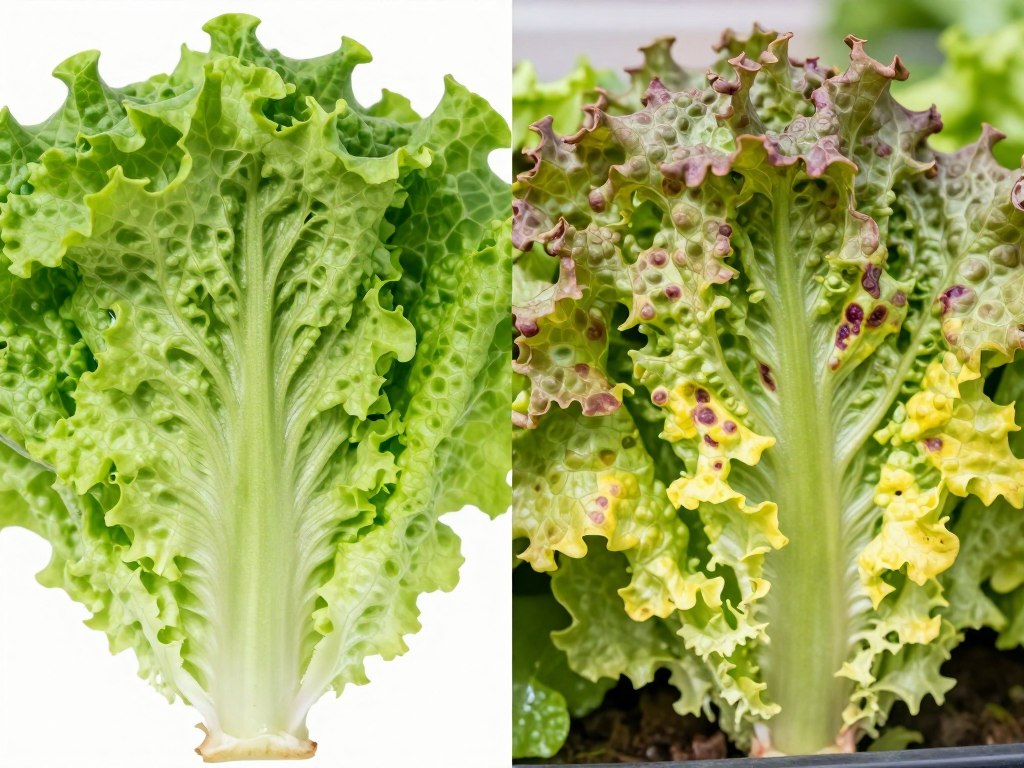
Common Deficiency Symptoms
- Nitrogen: Pale yellow leaves starting from older growth
- Phosphorus: Purple or reddish tint on leaves
- Potassium: Brown leaf edges and tips
- Calcium: Tip burn on young inner leaves
- Iron: Yellow leaves with green veins
- Magnesium: Yellow patches between leaf veins
Solutions
- Check and adjust nutrient solution pH to 5.5-6.5
- Verify EC levels match recommended ranges
- Replace old nutrient solution with fresh mix
- Use quality complete hydroponic nutrients
- Ensure solution temperature stays cool
- Supplement specific deficient nutrients
Environmental Stress Issues
Environmental problems often cause more trouble than nutrient issues in hydroponic lettuce growing. Temperature, light, and humidity all affect plant health significantly.
Signs of Proper Environment
- Vibrant green leaf color
- Compact, tight growth habit
- Crisp, turgid leaves
- Steady, consistent growth rate
- Strong, thick stems
Environmental Problem Signs
- Elongated, leggy stems (insufficient light)
- Bitter taste (excessive heat or light)
- Premature bolting (high temperatures)
- Tip burn (low humidity or calcium issues)
- Wilting (root zone too warm)
Pest and Disease Management
Indoor hydroponic systems dramatically reduce pest and disease problems compared to outdoor gardening. However, issues can still occur occasionally, especially if you introduce contaminated seedlings or don’t maintain system cleanliness.
Aphids sometimes appear on indoor lettuce, clustering on new growth and leaf undersides. These small insects suck plant sap and reproduce rapidly. Remove aphids by spraying plants with water or applying insecticidal soap made for food crops.
Fungus gnats breed in organic growing mediums and moist conditions. While mostly harmless, large populations become annoying. Yellow sticky traps catch adult gnats while beneficial nematodes applied to growing medium kill larvae.
Root rot develops in hydroponic systems when water temperature rises too high or oxygen levels drop. Brown, mushy roots signal this problem. Prevent root rot by maintaining cool solution temperature, ensuring adequate aeration, and using beneficial bacteria products that protect root health.
Prevention Strategy: Preventing problems proves much easier than fixing them. Maintain proper environmental conditions, use clean equipment, start with quality seeds, and monitor plants daily for early problem detection.
Algae Growth Control
Algae commonly develops in hydroponic systems when light reaches the nutrient solution. While generally harmless to plants, algae competes for nutrients and can clog system components.
Prevent algae by blocking light from your reservoir and nutrient solution. Use opaque containers, cover exposed growing medium with plastic, and fix any light leaks in your system. If algae appears, clean affected areas thoroughly and ensure no light reaches the water.
Begin Your Indoor Lettuce Growing Success
Growing lettuce hydroponically indoors transforms how you access fresh, nutritious greens throughout the year. This comprehensive guide has equipped you with all the knowledge needed to succeed as a new hydroponic gardener. From selecting the right system and lettuce varieties to harvesting your first crisp leaves, you now understand the complete process.
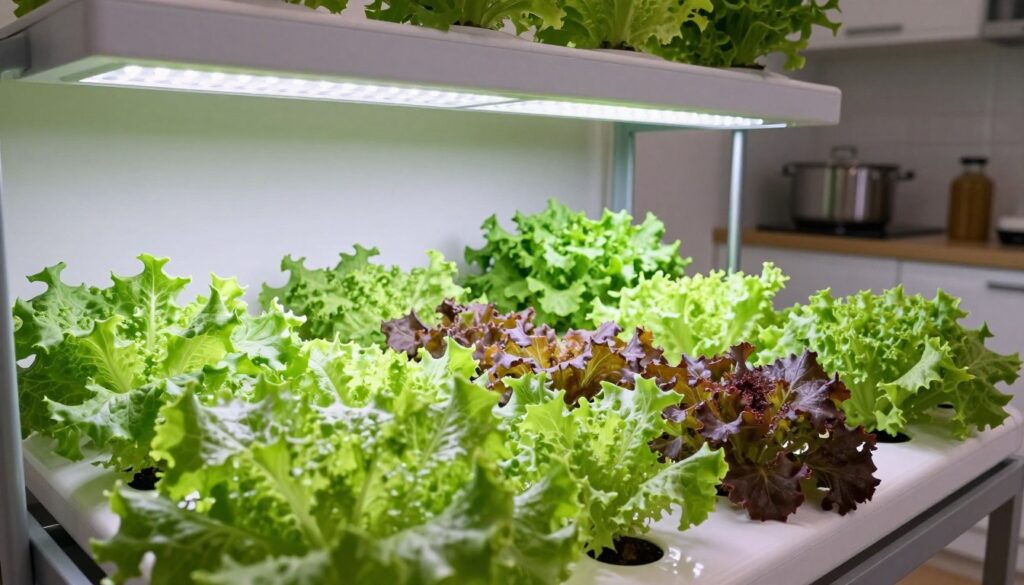
Remember that lettuce offers one of the easiest entry points into hydroponic gardening. These fast-growing, forgiving plants reward beginners with quick success while teaching fundamental hydroponic principles. Your first harvest will arrive in just four to six weeks, providing immediate satisfaction and encouraging continued growing.
Start small if you feel uncertain about the process. A simple DWC system with just a few plants helps you master the basics before expanding. Many successful hydroponic gardeners began with a single lettuce plant and now operate extensive home gardens producing fresh vegetables year-round.
The initial investment in equipment pays for itself quickly through reduced grocery expenses and superior produce quality. Homegrown hydroponic lettuce tastes noticeably better than store-bought alternatives while offering guaranteed freshness and complete control over growing practices. You know exactly what went into producing your food.
Take Action Today: The best time to start growing hydroponic lettuce was yesterday. The second best time is right now. Order your equipment, get your seeds ready, and join the thousands of home growers enjoying fresh lettuce leaves from their own indoor gardens.
Your journey into hydroponic gardening starts with that first seed. Every expert grower began exactly where you are today. The knowledge, equipment, and support you need are all readily available. Take that first step, plant those seeds, and watch nature work its magic in your home.
Your Fresh Lettuce Adventure Awaits
Join thousands of successful home growers enjoying restaurant-quality lettuce from their indoor gardens. Complete starter systems, expert guidance, and premium seeds – everything you need in one place.
Frequently Asked Questions
How long does lettuce take to grow hydroponically indoors?
Most lettuce varieties mature in four to six weeks from transplanting seedlings to harvest. Loose-leaf types like butterhead and oak leaf lettuce reach harvestable size quickest at four to five weeks. Romaine lettuce needs five to six weeks, while dense crisphead varieties like iceberg require six to eight weeks. Add two to three weeks for seed germination and seedling development, making the total time from seed to harvest approximately six to nine weeks depending on variety.
What type of lettuce grows best in hydroponics?
Loose-leaf lettuce varieties perform best in hydroponic systems, especially for beginners. Butterhead lettuce, red and green oak leaf, and various loose-leaf types mature quickly and allow continuous harvesting. These lettuce varieties adapt easily to hydroponic growing conditions and produce abundant yields. Romaine lettuce also grows excellently in hydroponics, offering crispy texture and heat tolerance. All lettuce types can grow hydroponically, but loose-leaf varieties provide the easiest path to success for new growers.
Is hydroponic lettuce healthier than soil-grown lettuce?
Hydroponic lettuce can be equally or more nutritious than soil-grown lettuce when managed properly. Studies show hydroponically grown lettuce often contains higher concentrations of vitamins, minerals, and beneficial compounds due to optimized growing conditions. The controlled environment and precise nutrient delivery allow plants to reach their full nutritional potential. Hydroponic lettuce also avoids soil-borne contaminants and typically requires no pesticides, making it a clean, healthy choice for your diet.
How much does it cost to start growing hydroponic lettuce indoors?
Starting costs for indoor hydroponic lettuce growing range from fifty dollars for a basic DIY system to several hundred dollars for complete commercial kits. A beginner-friendly setup including a small DWC system, LED grow light, nutrients, pH test kit, and seeds typically costs between one hundred fifty and three hundred dollars. This initial investment pays for itself within a few months through reduced grocery expenses. Many growers start small and expand gradually as they gain experience and confidence.
Do I need special nutrients for hydroponic lettuce?
Yes, hydroponic lettuce requires specially formulated hydroponic nutrients rather than traditional fertilizers. Hydroponic nutrient solutions contain all essential macro and micronutrients in forms immediately available to plant roots. Lettuce needs higher nitrogen levels compared to fruiting plants, and quality hydroponic lettuce nutrients provide the proper balance. Use products specifically labeled for hydroponics to ensure your lettuce receives complete, balanced nutrition for optimal growth and health.
Can lettuce regrow after harvesting in hydroponics?
Yes, lettuce plants will regrow multiple times after harvesting when you use the cut-and-come-again method. Remove only the outer mature leaves while leaving the center growing point intact. The plant continues producing new leaves from the center for several weeks. Most lettuce plants regrow successfully three to five times before productivity declines. This harvesting technique maximizes yield from each plant and provides continuous fresh lettuce leaves over an extended period.