But does newer always mean better? Many gardeners face this exact question. Urban apartment dwellers wonder if they can grow fresh vegetables without a backyard. Commercial growers seek maximum efficiency. Beginners want the easiest path to success.
The truth is neither method reigns supreme in every situation. Each approach carries distinct advantages and limitations. Your ideal choice depends on your space, budget, experience level, and gardening goals. This comprehensive guide breaks down everything you need to know about hydroponics vs soil gardening to help you make the right decision.
Understanding Soil Gardening: The Traditional Approach
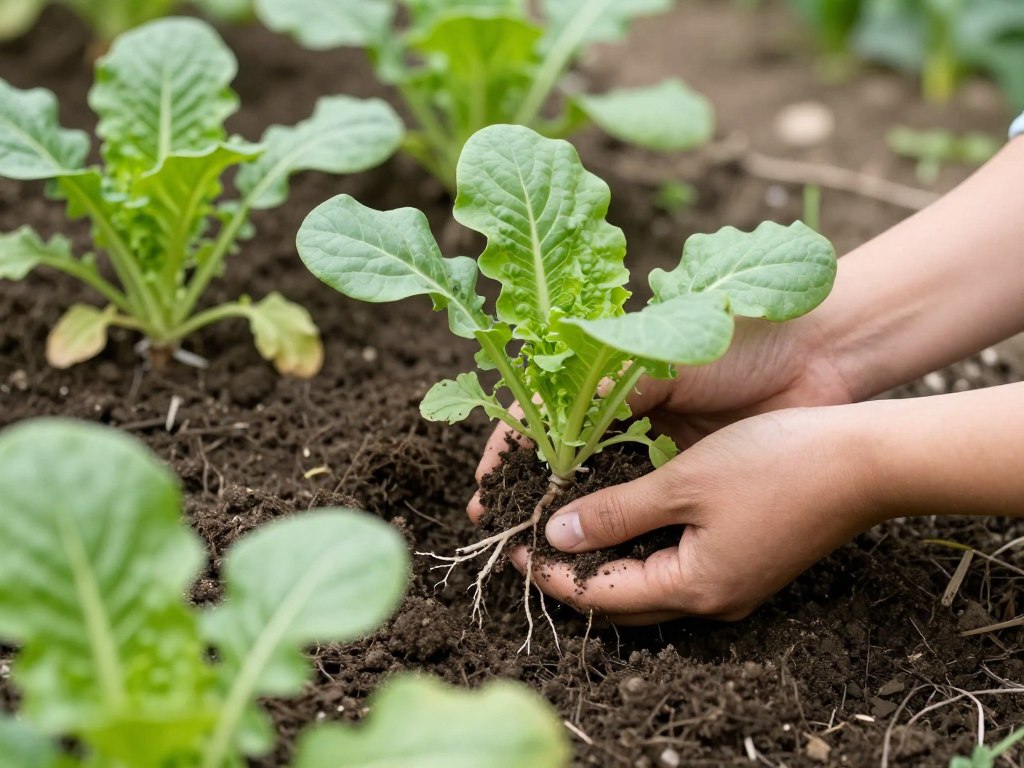
Soil growing represents the most natural and time-tested method of cultivation. Plants sink their roots into earth, drawing water and nutrients from the ground. This organic medium contains countless microorganisms that break down organic matter and minerals. These helpful bacteria and fungi create a living ecosystem that supports plant health.
Traditional gardening works both outdoors in garden beds and indoors in pots. The soil acts as a buffer, storing water and nutrients for plants to access as needed. This forgiveness makes soil cultivation particularly appealing for those new to gardening.
Key Advantages of Soil Growing
Lower Initial Investment
Starting a soil garden requires minimal equipment. A few pots, quality potting mix, seeds, and basic tools get you growing. This simplicity makes soil gardening accessible to nearly everyone. No complex systems or expensive technology needed.
Beginner-Friendly Nature
Soil provides natural forgiveness for common mistakes. It buffers pH fluctuations and releases nutrients gradually. Overwatering or underwatering causes less immediate damage than in hydroponic systems. This built-in margin for error helps new gardeners learn without devastating failures.
Rich Microbial Ecosystem
Healthy soil teams with beneficial microorganisms. These tiny helpers break down organic matter, fix nitrogen, and protect roots from harmful pathogens. This natural biological activity strengthens plant immunity and can enhance flavor profiles in fruits and vegetables.
Universal Plant Compatibility
Nearly every plant species thrives in soil. Root vegetables like carrots and potatoes require soil’s structure. Large fruiting plants benefit from the stability soil provides. While hydroponics suits many crops, soil accommodates virtually all plants without special adaptations.
Notable Disadvantages of Soil Growing
- Slower growth rates compared to optimized hydroponic systems mean longer waits between planting and harvest
- Greater space requirements since plants need more room for extensive root systems to search for nutrients
- Higher water consumption as irrigation water evaporates, drains away, or gets absorbed by soil particles
- Increased pest and disease vulnerability from soil-borne pathogens, insects, and weed competition
- Weather and season dependency for outdoor gardens limits growing periods in many climates
- Inconsistent soil quality creates unpredictable results unless you invest time in soil amendments and testing
- Regular weeding demands ongoing maintenance time that many busy gardeners struggle to provide
- Physical labor requirements for digging, turning soil, and managing heavy containers challenges those with mobility limitations
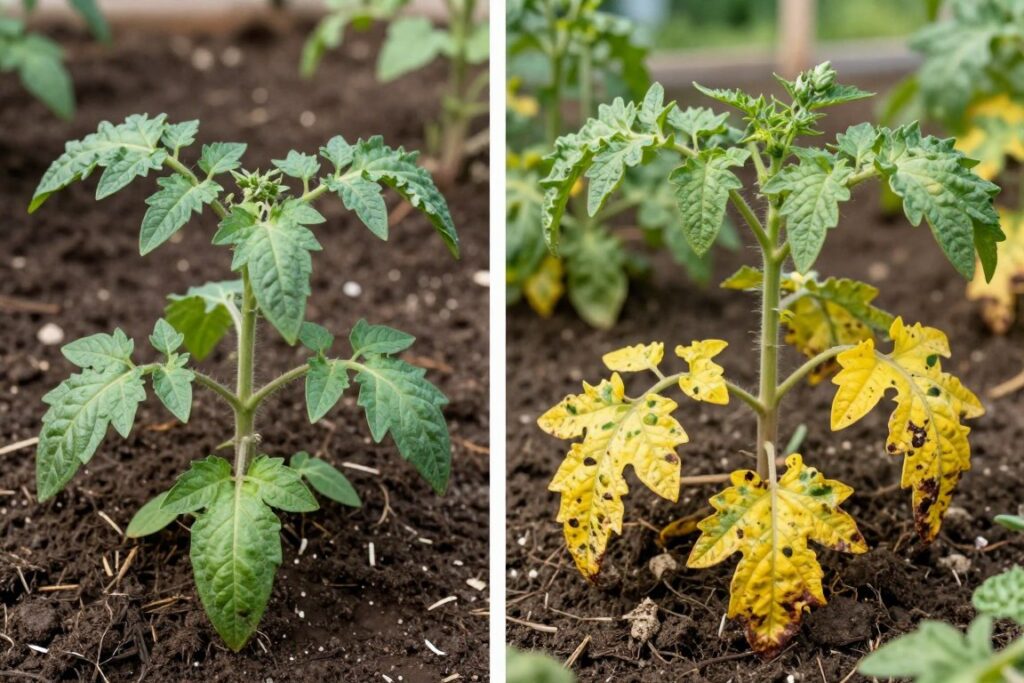
Understanding Hydroponics: The Modern Solution
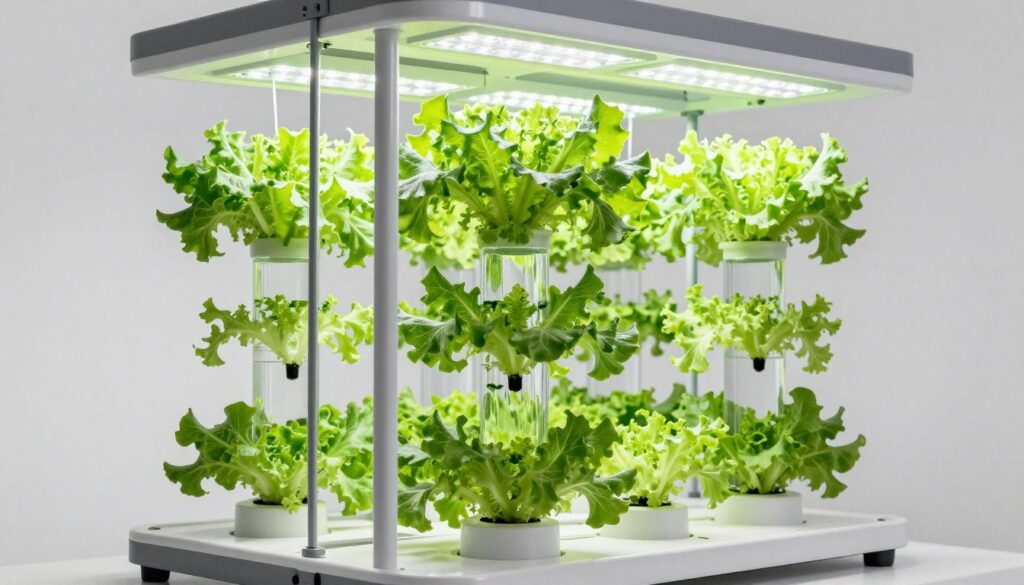
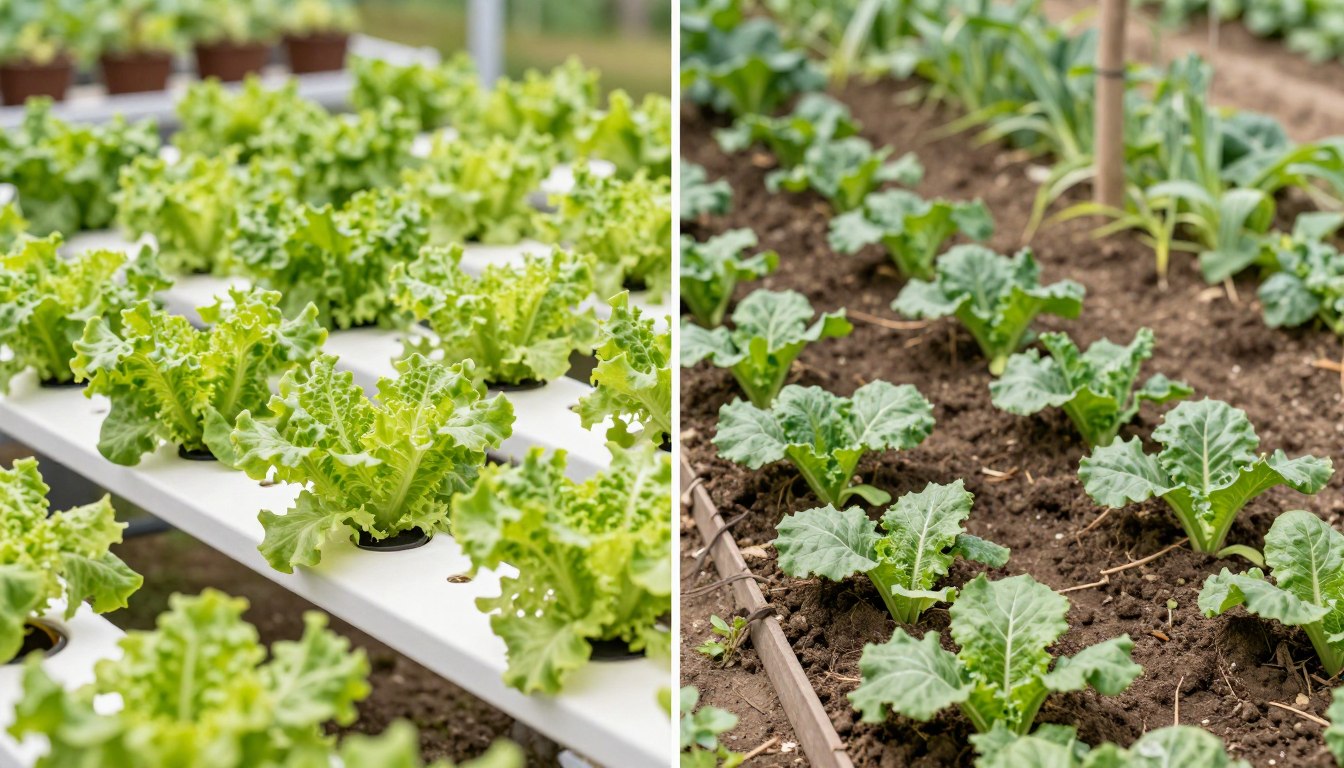
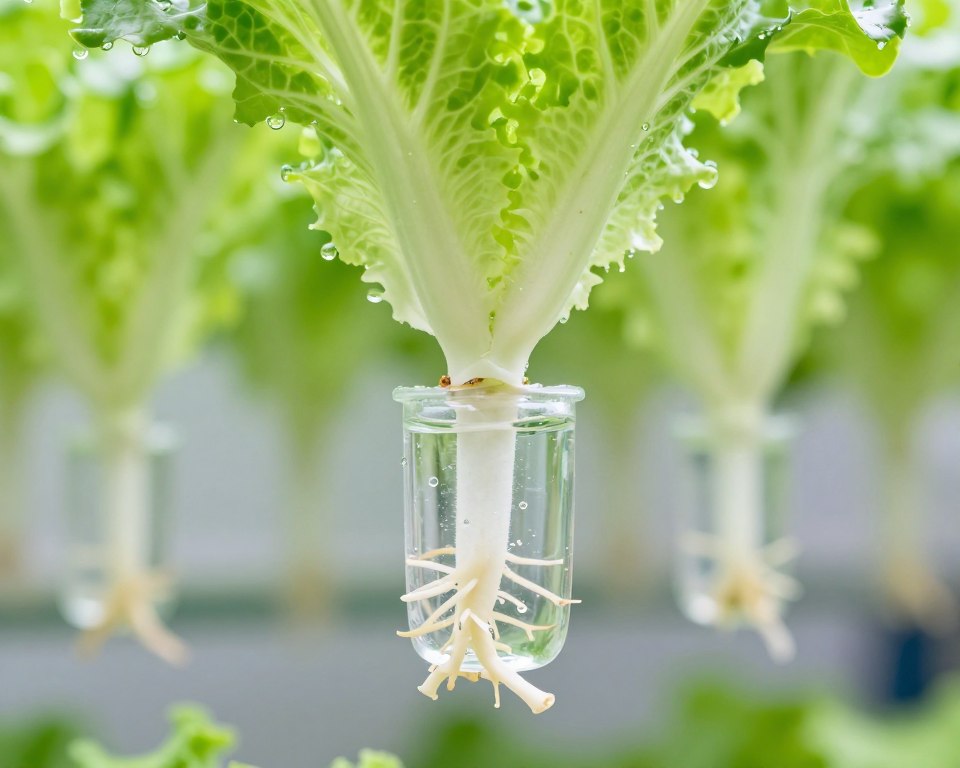
Hydroponic growing eliminates soil entirely. Plants grow in an inert medium or directly in water enriched with dissolved nutrients. The roots receive direct access to perfectly balanced nutrition, oxygen, and moisture. This precise delivery system removes the middleman between plant and food.
Several hydroponic systems exist, each with unique characteristics. Deep Water Culture suspends plant roots in oxygenated nutrient solution. Nutrient Film Technique flows a thin stream of solution past roots. The Kratky method provides a simple passive system requiring no pumps. Drip systems deliver nutrients to individual plants on schedules.
All these methods share a common principle: providing plants exactly what they need, when they need it, without soil’s complexity.
Major Benefits of Hydroponic Growing
Advantages
- Accelerated growth rates up to 50% faster than soil due to optimal nutrient availability and oxygenation
- Substantially higher yields per square foot enable more food production in limited spaces
- Dramatic water conservation using up to 90% less water through recirculation systems
- Year-round growing capability independent of weather, seasons, or outdoor conditions
- Precise nutrient control allows fine-tuning of plant nutrition for optimal health and production
- Efficient space utilization through vertical stacking and compact system designs
- Zero weeding requirements eliminate this tedious and time-consuming maintenance task
- Reduced pest and disease pressure without soil-borne pathogens threatening crops
- Clean and convenient operation without dirt, mess, or heavy lifting
Disadvantages
- Significant upfront investment for pumps, containers, grow lights, timers, and monitoring equipment
- Technical knowledge requirement for understanding pH, PPM, nutrient ratios, and system maintenance
- Complete dependence on electricity means power outages can quickly stress or kill plants
- System vulnerability to failures where pump breakdowns or leaks cause rapid plant decline
- Potential for root rot when oxygen levels drop or water temperatures rise too high
- Limited plant variety as some crops adapt poorly to soilless environments
- Ongoing monitoring needs demand regular attention to water levels, pH, and nutrient concentration
- Flavor debate continues with some claiming soil-grown produce tastes superior
Head-to-Head Comparison: Hydroponics vs Soil Gardening
Understanding the differences between these growing methods helps you match technique to your situation. Let’s examine how hydroponics and soil cultivation compare across critical factors that affect your gardening success.
| Factor | Hydroponics | Soil Growing |
| Initial Cost & Setup | $200-$2000+ depending on system complexity; requires pumps, containers, lights, nutrients | $20-$100 for basic supplies; pots, soil, seeds, basic tools sufficient to start |
| Ongoing Maintenance | Moderate effort; monitor pH, nutrient levels, water temperature, system function weekly | Higher physical effort; watering, weeding, pest control, soil amendment needed regularly |
| Water Usage | Very efficient; recirculating systems use 90% less water than traditional methods | Higher consumption; water evaporates, drains away, absorbed by soil particles |
| Growth Rate | 40-50% faster due to optimal nutrient delivery and oxygenated root environment | Standard pace; nutrients must break down before plant absorption occurs |
| Yield Potential | 20-25% higher yields in controlled conditions with precise nutrient management | Standard yields; variable based on soil quality, weather, pest pressure |
| Space Requirements | Minimal; vertical systems and compact root zones allow dense planting | Larger footprint needed; plants require spacing for root expansion |
| Pest & Disease Management | Fewer soil-borne issues; some risk of root rot and waterborne pathogens | Higher pest pressure; insects, fungi, bacteria, weeds create ongoing challenges |
| Nutrient Control | Precise adjustment possible; change formulas instantly for different growth stages | Limited control; amendments take time to break down and affect plants |
| Learning Curve | Steeper initially; requires understanding water chemistry and system mechanics | Gentler introduction; natural buffering forgives beginner mistakes |
| Environmental Impact | Lower pesticide use, reduced water waste, but higher electricity consumption | Natural growing, but may require chemicals for pest control and uses more water |
Still Unsure Which Method Fits Your Needs?
Download our free comprehensive comparison guide with detailed decision flowcharts, cost calculators, and beginner recommendations for both growing methods.
Growth Speed and Yield: The Efficiency Factor
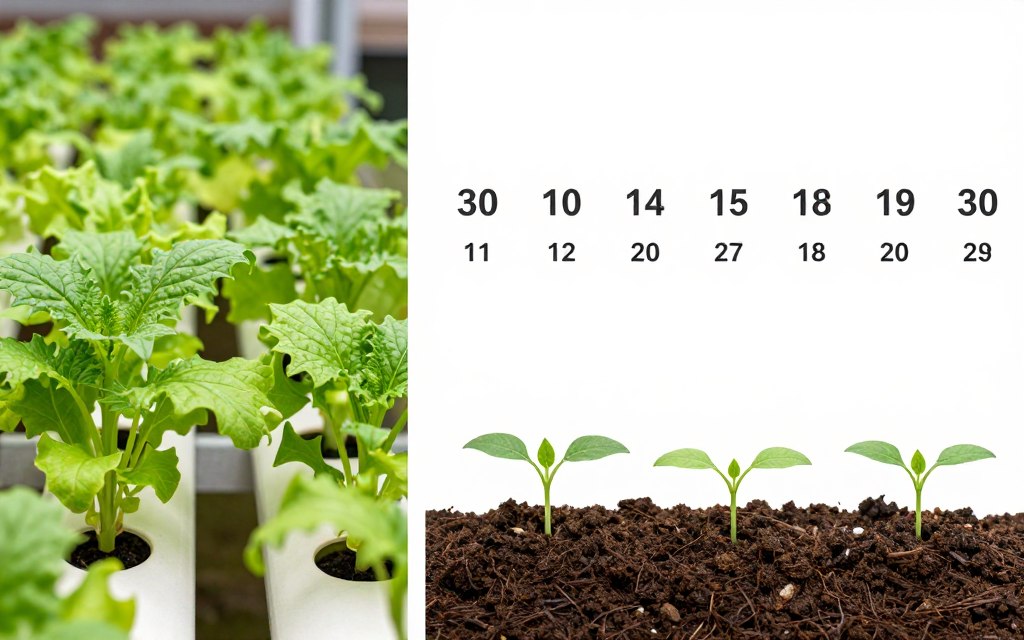
Time from seed to harvest matters enormously. Hydroponics delivers nutrients directly to plant roots in readily absorbable form. Plants don’t expend energy searching for food through soil. This efficiency translates to measurably faster growth.
Research consistently shows hydroponic lettuce reaches harvest in just 30 days compared to 60 days in soil. Tomatoes, peppers, and herbs similarly mature faster in hydroponic systems. Some plants grow up to five times faster when combining hydroponics with optimized grow lights.
Higher yields accompany this speed advantage. Controlled environments prevent stress from temperature swings, inconsistent watering, or nutrient deficiencies. Plants channel energy into production rather than survival. Commercial growers report yield increases of 20-30% over comparable soil operations.
However, soil growing offers its own advantages. The slower pace allows complex flavor compounds to develop. Many chefs and home gardeners insist soil-grown tomatoes taste richer. The microbial activity in healthy soil may contribute nutrients and compounds absent from sterile hydroponic solutions.
Water Usage and Resource Efficiency
Water conservation becomes increasingly critical as climate change affects rainfall patterns. Hydroponic systems excel in this area through intelligent recirculation. Water flows through the system, plants absorb what they need, and unused solution returns to the reservoir.
This closed-loop approach reduces water consumption by up to 90% compared to soil cultivation. Traditional watering loses significant moisture to evaporation, runoff, and deep soil infiltration. In contrast, hydroponic setups maintain precise water control.
Soil growing requires consistent watering schedules. Outdoor gardens especially demand frequent irrigation during hot weather. Water drains through pots or seeps beyond root zones. Container gardens need daily attention in summer months.
The environmental implications extend beyond water itself. Less water use means reduced energy for pumping and treating municipal supplies. Hydroponic farms can operate in water-scarce regions where traditional agriculture struggles.
Space Requirements and Urban Solutions
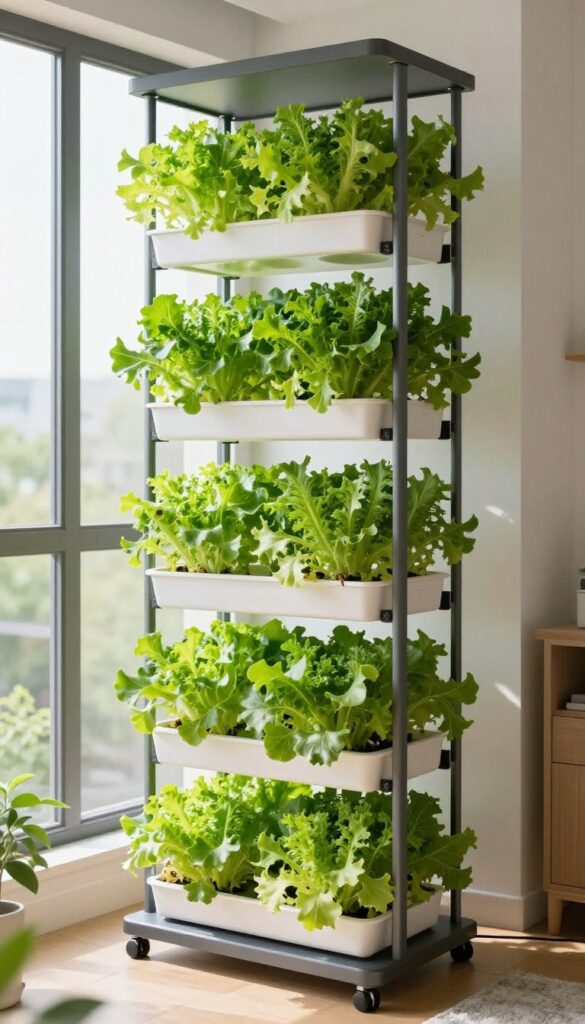
Urban gardeners face severe space limitations. Balconies, windowsills, and small patios offer limited square footage. Hydroponics addresses this challenge through compact, vertical designs. Tower systems stack plants upward, multiplying growing area without expanding the footprint.
Soil gardens require horizontal expansion. Root systems spread outward seeking nutrients and water. Plants need adequate spacing for air circulation and light access. A productive soil garden demands more physical room than an equivalent hydroponic setup.
Apartment dwellers particularly benefit from hydroponic systems. Countertop units produce fresh herbs year-round in kitchens. Wall-mounted systems transform unused vertical space into productive gardens. No backyard required.
However, those with available land may prefer soil growing. Large outdoor plots accommodate diverse crops simultaneously. Established garden beds require less daily attention once properly maintained. Suburban and rural gardeners often find soil cultivation more practical for large-scale production.
Cost Analysis: Initial Investment vs Long-Term Value
Budget considerations heavily influence growing method selection. Soil gardening wins the initial affordability contest decisively. Basic supplies cost under $50. Containers, potting mix, seeds, and a watering can get you started immediately.
Hydroponics demands substantial upfront investment. Even modest systems require pumps, timers, growing containers, and specialized nutrients. Quality grow lights add hundreds of dollars for indoor setups. Complete beginner systems start around $200 and scale upward quickly.
Long-term economics paint a different picture. Hydroponic systems produce higher yields more frequently. The same space generates more harvests annually. Water and nutrient efficiency reduces ongoing costs. Commercial operations often recover their investment within 18-24 months through increased production.
Soil growing maintains lower equipment costs but requires continuous inputs. Quality potting soil needs replacement or amendment. Pest control products add expense. Water bills climb with frequent irrigation needs. While startup costs stay minimal, operational expenses accumulate over time.
Soil Growing Costs
- Pots or containers: $10-30
- Quality potting soil: $15-40
- Seeds or seedlings: $5-25
- Basic tools: $15-30
- Fertilizers: $10-20 annually
- Pest control: $15-30 annually
Hydroponic System Costs
- Basic system kit: $150-400
- Grow lights: $100-300
- pH and nutrient testers: $30-100
- Growing medium: $20-40
- Nutrient solutions: $30-60 annually
- Electricity: $20-50 monthly
Maintenance Requirements and Time Investment
Daily care demands differ substantially between methods. Soil gardens require physical labor. Weeding pulls you into the garden regularly. Watering schedules demand daily attention during growing season. Inspecting plants for pests and disease becomes routine.
Hydroponic systems automate many tasks. Pumps circulate water on timers. Nutrients deliver automatically. Once properly set up and balanced, systems run with minimal intervention. Weekly monitoring of pH and nutrient levels typically suffices.
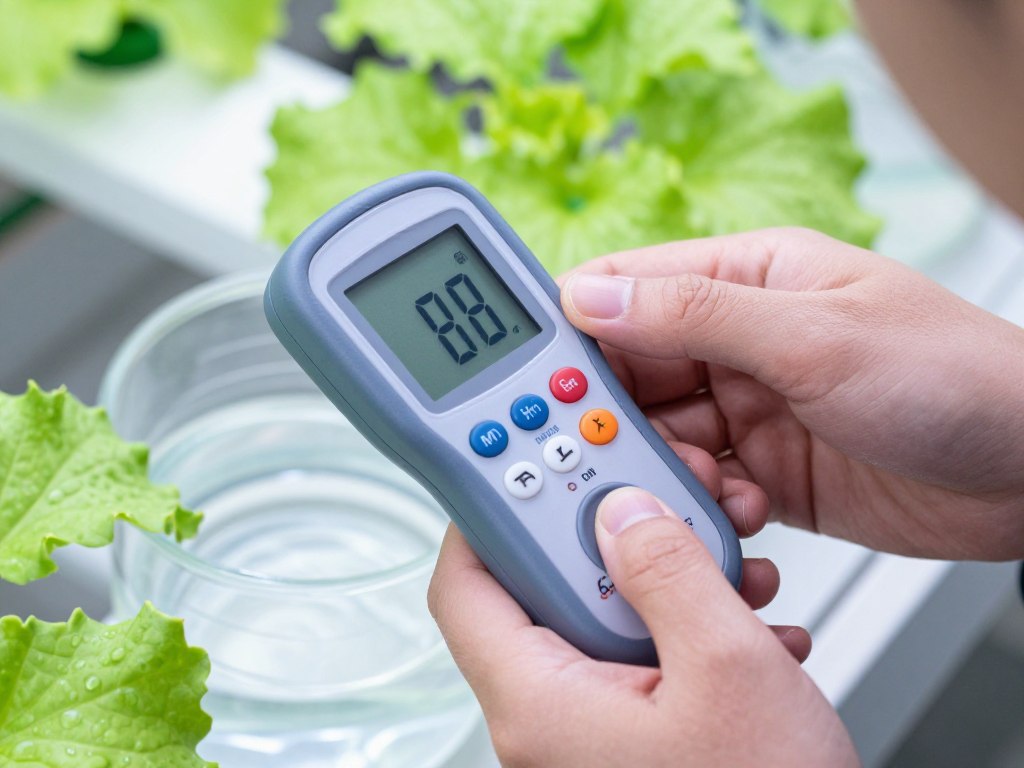
However, hydroponics requires technical monitoring. Testing pH prevents nutrient lockout. Measuring electrical conductivity ensures proper nutrient concentration. Water temperature affects oxygen levels and root health. These parameters demand attention that soil growing doesn’t.
Soil’s biological buffer tolerates neglect better. Miss a day of watering? Plants likely survive. Forget to check pH? Soil microbes help stabilize it naturally. This forgiveness suits casual gardeners or those with unpredictable schedules.
Plant Variety and Crop Selection
Not all plants adapt equally to both methods. Soil accommodates virtually every plant species. Root vegetables like carrots, potatoes, and beets require soil’s physical structure. Large fruiting plants benefit from soil’s stability. Perennial herbs develop extensive root systems suited to earth.
Hydroponics excels with specific crop categories. Leafy greens thrive exceptionally well. Lettuce, spinach, kale, and arugula grow rapidly in water-based systems. Herbs like basil, mint, and cilantro produce abundantly. Tomatoes, cucumbers, and peppers adapt successfully with proper support structures.
Some crops struggle in hydroponic environments. Root vegetables prove challenging without soil. Large fruiting trees require extensive root space and stability. Certain plants depend on soil microbiome relationships for optimal health.
Consider your preferred crops when choosing methods. Planning to grow diverse vegetables including roots? Soil provides more flexibility. Focused on leafy greens, herbs, and compact fruiting plants? Hydroponics delivers excellent results.
Best for Hydroponics
- Lettuce and salad greens
- Herbs (basil, cilantro, mint)
- Cherry tomatoes
- Strawberries
- Peppers (bell and hot)
- Cucumbers
- Spinach and kale
Best for Soil
- Root vegetables (carrots, potatoes)
- Large fruiting plants
- Perennial herbs
- Garlic and onions
- Squash and melons
- Fruit trees and bushes
- Most flowers and ornamentals
Environmental Impact and Sustainability
Both methods affect the environment differently. Hydroponic systems dramatically reduce water waste through recirculation. This conservation matters critically in drought-prone regions. Indoor hydroponic farms eliminate agricultural runoff that pollutes waterways.
However, hydroponics depends heavily on electricity. Pumps run continuously in many systems. Indoor operations require grow lights consuming significant power. Unless powered by renewable energy, this electrical demand creates a carbon footprint.
Soil growing offers natural sustainability when practiced organically. No electrical requirements for outdoor gardens. Composting creates closed nutrient loops. Beneficial insects provide natural pest control. Healthy soil sequesters carbon from the atmosphere.
Yet conventional soil agriculture uses substantial water and often relies on chemical inputs. Pesticides harm beneficial insects and contaminate soil. Fertilizer runoff damages aquatic ecosystems. The environmental equation depends on specific practices employed.
Sustainable practices improve both methods. Solar panels can power hydroponic operations. Organic soil management eliminates harmful chemicals. Rainwater harvesting reduces municipal water use. Thoughtful gardeners minimize environmental impact regardless of chosen technique.
Learning Curve and Skill Development
Beginner success rates differ between methods. Soil gardening offers a gentler introduction. Natural processes buffer many mistakes. Overwater slightly? Soil drainage compensates. Forget fertilizer? Existing soil nutrients sustain plants temporarily. This forgiveness builds confidence.
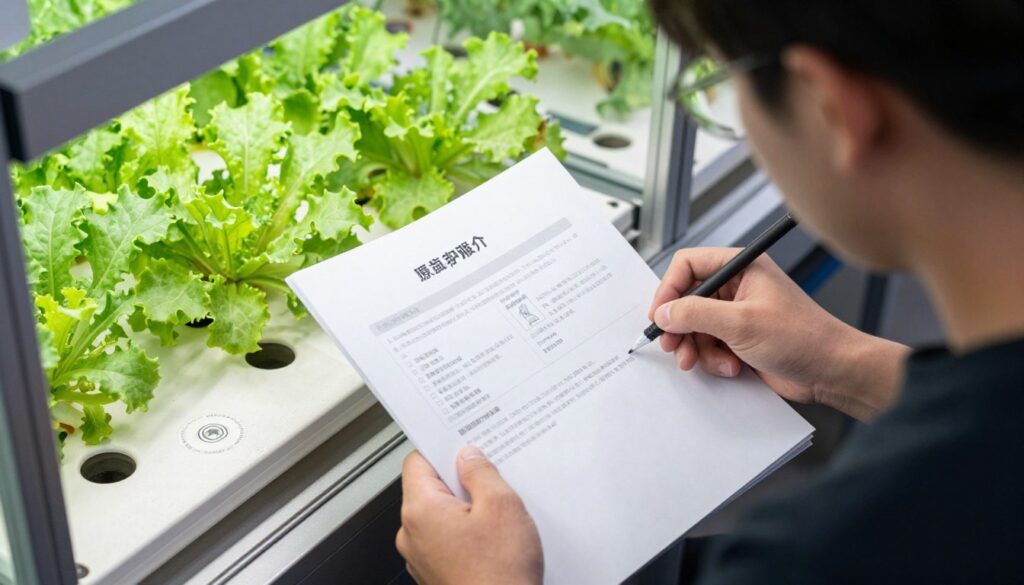
Hydroponics presents a steeper learning curve. Understanding pH matters immediately. Nutrient ratios affect plant health directly. System mechanics require familiarity. New growers may face initial frustrations as they master these concepts.
However, hydroponics teaches precision and control. Growers develop deeper understanding of plant nutrition. Monitoring systems reveal how factors interact. This technical knowledge transfers to all gardening endeavors.
Soil growing builds traditional horticultural skills. Reading plant signals becomes intuitive. Understanding seasonal cycles develops naturally. Physical gardening techniques strengthen through practice. These fundamentals serve gardeners lifelong.
Your learning style influences method selection. Prefer hands-on, forgiving learning? Start with soil. Enjoy technical challenges and data-driven growing? Hydroponics may engage you more deeply.
Conclusion: Which Method Is Better for You?
The question “which is better” lacks a universal answer. Both hydroponics and soil gardening deliver excellent results when matched appropriately to grower situations. Your ideal choice depends on specific circumstances, goals, and preferences.
Soil gardening suits beginners seeking traditional, forgiving cultivation. Those with available outdoor space benefit from soil’s versatility. Organic purists appreciate natural growing processes. Budget-conscious gardeners prefer minimal startup costs. If you value hands-on connection with earth and enjoy physical garden work, soil cultivation provides deep satisfaction.
Hydroponics serves urban dwellers maximizing limited space. Technical enthusiasts enjoy precise control and data-driven growing. Those seeking maximum yield and efficiency achieve superior results. Year-round indoor production appeals to apartment gardeners. If you prioritize speed, water conservation, and space efficiency, hydroponic systems deliver compelling advantages.
Many experienced growers eventually use both methods. Leafy greens and herbs thrive in compact hydroponic systems. Root vegetables and large plants grow in outdoor soil beds. This hybrid approach optimizes each method’s strengths.
Consider starting with your natural inclination. Drawn to technology and efficiency? Begin with a simple hydroponic setup. Prefer traditional methods and outdoor spaces? Plant a soil garden first. Success with either method builds skills transferable to the other.
The best growing method is the one you’ll actually use consistently. Choose the approach matching your lifestyle, space, and interests. Your plants will thrive when you enjoy tending them, regardless of whether their roots touch soil or water.
Start Your Growing Journey Today
Join our community of passionate growers and receive weekly tips, troubleshooting guides, and exclusive resources for both hydroponic and soil gardening methods. Get instant access to our beginner’s starter checklist.