
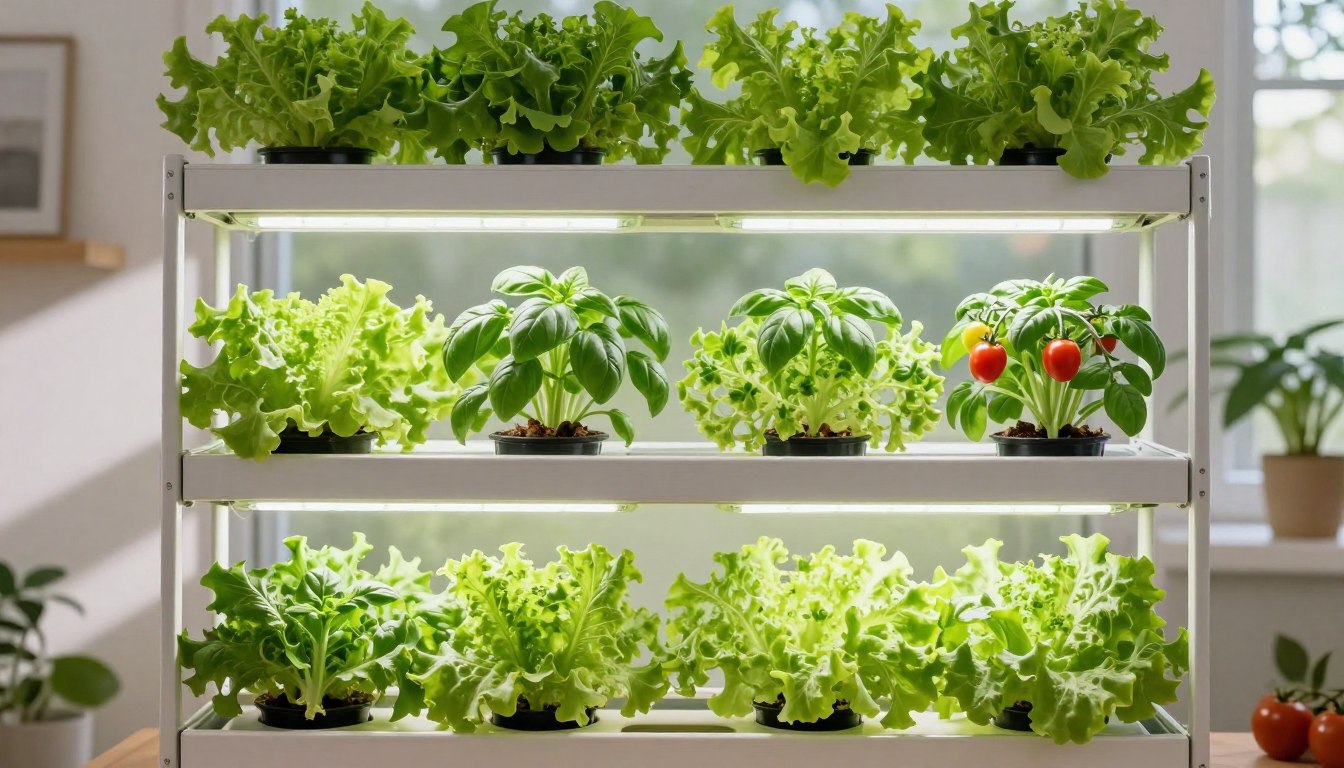
The secret to hydroponic success starts with choosing the right plants. Some varieties thrive in water-based systems. Others struggle. This guide reveals which plants grow best hydroponically and why they outperform their soil-grown cousins.
Whether you want crisp lettuce in 30 days or vine-ripened tomatoes year-round, you will find your perfect hydroponic plants here. Let’s explore the top performers that make hydroponic gardening rewarding for beginners and experienced growers alike.
Understanding Hydroponic Gardening Systems
Hydroponic gardening replaces traditional soil with nutrient-rich water solutions. Plants absorb minerals directly through their roots. This direct feeding creates faster growth and bigger yields than conventional gardening methods.
Modern hydroponic systems come in several varieties. The nutrient film technique flows a thin water layer over roots continuously. Deep water culture suspends roots in oxygenated nutrient solutions. Ebb and flow systems periodically flood and drain growing containers. Each method works differently but achieves the same goal.
The controlled environment eliminates many traditional farming challenges. You manage every variable affecting plant growth. Temperature stays consistent. Nutrients remain perfectly balanced. Pests become minimal issues. This precision explains why hydroponic plants often grow 30 to 50 percent faster than soil-grown plants.
Start Your Hydroponic Journey Right
Get our free Beginner’s Hydroponic Plant Selection Guide. This comprehensive PDF includes plant difficulty ratings, detailed growth timelines, pH requirements, and recommended systems for each variety. Perfect for first-time growers.
Key Benefits of Growing Plants Hydroponically
Water conservation tops the list of hydroponic advantages. These systems use 90 percent less water than traditional farming. The closed-loop design recycles water continuously. Only plants absorb what they need.
Space efficiency transforms small areas into productive gardens. Vertical hydroponic systems stack plants upward instead of spreading horizontally. A single square foot can produce multiple harvests throughout the year. Urban gardeners maximize limited space this way.
Year-round production eliminates seasonal limitations. Indoor hydroponic gardens ignore weather patterns and climate zones. You harvest fresh tomatoes in January and crisp lettuce in July. Growing seasons become irrelevant when you control the environment completely.
What Makes Plants Perfect for Hydroponic Systems
Not every plant succeeds in hydroponic environments. The best hydroponic plants share specific characteristics that make them thrive without soil. Understanding these traits helps you choose varieties that guarantee success.
Root System Compatibility
Shallow, compact root systems perform best in hydroponic setups. Lettuce, basil, and strawberries develop modest root structures. These plants adapt easily to water-based growing mediums. Deep-rooted vegetables like carrots and potatoes struggle because their extensive root systems need more vertical space than most hydroponic systems provide.
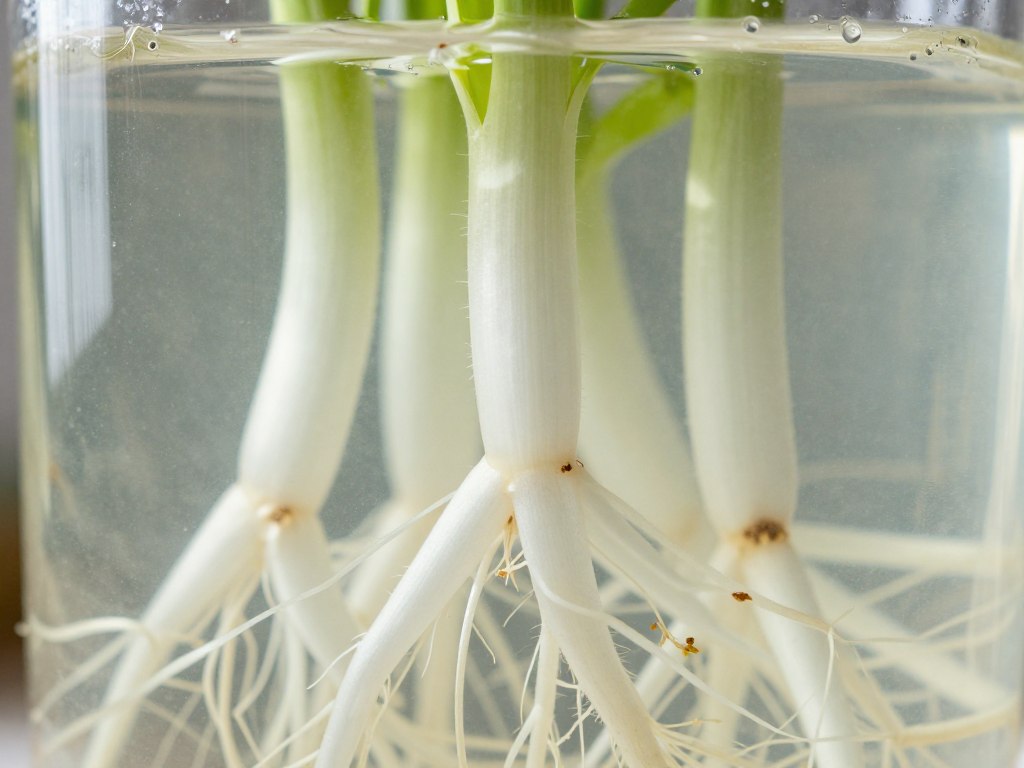
Fibrous root systems excel in nutrient film technique and deep water culture. These fine, branching roots absorb nutrients efficiently from flowing water. Plants with thick taproots often rot in constantly moist environments. They evolved for soil conditions and cannot adapt to permanent water exposure.
Growth Rate and Yield Potential
Fast-growing plants deliver quick results that keep growers motivated. Leafy greens like spinach and arugula reach harvest size in 30 to 40 days. Herbs such as cilantro and dill mature even faster. These rapid cycles let you enjoy multiple harvests from the same space annually.
High-yield varieties maximize your system’s productivity. Cherry tomatoes produce dozens of fruits per plant throughout their growing season. Bush beans deliver continuous harvests when you pick regularly. Compact cucumber varieties generate impressive yields despite their small footprint.
Environmental Adaptability
The best plants for hydroponics tolerate controlled indoor conditions without stress. They accept artificial lighting and stable temperatures. Lettuce grows beautifully under LED grow lights. Basil thrives with 14 hours of daily illumination. These varieties do not require intense sunlight or temperature fluctuations to trigger growth cycles.
Disease resistance becomes crucial in water-based systems. Hydroponic plants grow in warm, humid environments where fungal problems can spread quickly. Choose varieties bred for disease tolerance. Many modern hybrid vegetables offer resistance to common issues like powdery mildew and root rot.
Leafy Greens and Herbs: Perfect Starter Plants
Leafy greens and herbs dominate hydroponic gardens for good reasons. These plants grow quickly and forgive beginner mistakes. They need minimal space and produce continuous harvests. Start your hydroponic journey with these reliable performers.
Lettuce Varieties
Lettuce earns its reputation as the easiest hydroponic plant to grow. All varieties thrive in water-based systems. Butterhead types like Bibb and Boston develop tender leaves with sweet flavors. Romaine grows crisp and sturdy. Loose-leaf varieties such as Red Oak and Green Oak mature fastest.
These plants grow from seed to harvest in just 28 to 45 days. They prefer cooler temperatures between 60 and 70 degrees Fahrenheit. Lettuce needs moderate light levels around 10 to 14 hours daily. The shallow roots adapt perfectly to nutrient film technique systems.
Maintain pH levels between 6.0 and 6.5 for optimal lettuce growth. These plants need balanced nutrients with slightly higher nitrogen during vegetative growth. Harvest outer leaves continuously or cut entire heads when they reach full size. Either method works well in hydroponic systems.
Spinach
Spinach delivers exceptional nutritional value in compact packages. This powerhouse green grows rapidly in hydroponic environments. Plants mature in 30 to 40 days from seed. The dense, dark leaves contain high levels of iron, calcium, and vitamins.
Keep water temperatures below 75 degrees Fahrenheit for best results. Spinach dislikes heat and may bolt prematurely in warm conditions. The plants prefer pH levels between 6.0 and 7.0. Provide 12 to 14 hours of daily light using full-spectrum LED grow lights.
Harvest spinach by removing outer leaves as they mature. This cut-and-come-again approach extends production for weeks. The plants will continue generating new growth from the center. Replant every three to four weeks for continuous harvests throughout the year.
Basil
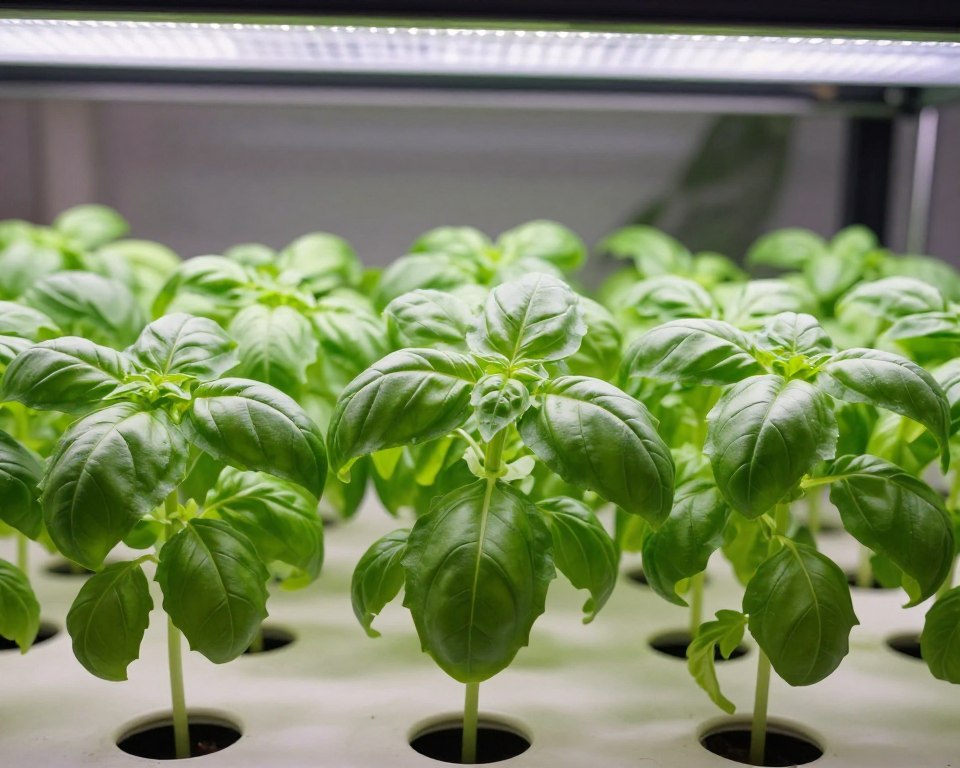
Basil transforms hydroponic gardens with intense aromas and flavors. This herb grows vigorously in water culture systems. Sweet basil varieties mature in 28 to 40 days. Thai basil and purple varieties add visual interest and unique tastes to your garden.
These plants demand abundant light. Provide 14 to 16 hours daily for bushy, productive growth. Basil prefers warmer temperatures between 70 and 80 degrees Fahrenheit. Maintain pH levels between 5.5 and 6.5 for optimal nutrient uptake.
Pinch growing tips regularly to encourage branching. This technique creates fuller plants with more harvestable leaves. Remove flower buds as they appear to extend the productive harvest period. Well-maintained basil plants produce for several months in hydroponic systems.
Kale and Swiss Chard
Kale brings robust nutrition to hydroponic gardens. This superfood grows well in water-based systems when managed properly. Dwarf varieties work best because full-size plants develop extensive root systems. Baby kale leaves reach harvest size in 25 to 30 days.
Swiss chard offers colorful stems in red, yellow, and white varieties. The large leaves grow continuously when you harvest outer stalks regularly. Plants mature in 60 to 65 days but provide harvests much sooner. Both kale and chard prefer slightly cooler conditions than warm-season crops.
These nutrient-dense greens tolerate pH ranges from 6.0 to 7.0. They need moderate to high light levels for optimal growth. Feed with balanced hydroponic nutrients emphasizing nitrogen for lush leaf development. The plants handle cooler water temperatures well, making them excellent winter crops.
AeroGarden Harvest Elite
Perfect starter system for herbs and leafy greens. Includes everything you need: LED grow lights, nutrients, and growing pods. Grows up to 6 plants simultaneously.
- Built-in LED grow lights
- Automated watering system
- Ideal for lettuce and basil
- Compact countertop design
VIVOSUN Hydroponic System
Deep water culture kit for beginners. Grows 8 plants in individual baskets. Includes air pump and all necessary components for immediate setup.
- 8-plant growing capacity
- Visual water level indicator
- Perfect for leafy greens
- Easy assembly in minutes
General Hydroponics WaterFarm
Versatile complete system suitable for herbs and vegetables. Recirculating design with grow medium. Expandable for larger gardens.
- Drip irrigation system
- Includes clay pebbles
- Scalable design
- Excellent for beginners
Cilantro and Parsley
Cilantro grows exceptionally fast in hydroponic gardens. This polarizing herb reaches harvest size in just 21 to 30 days. The rapid growth cycle lets you enjoy multiple plantings throughout the year. Cilantro prefers cooler temperatures and may bolt quickly in warm conditions.
Parsley takes longer to germinate but produces reliably once established. Curly and flat-leaf varieties both thrive hydroponically. Plants mature in 60 to 75 days from seed. The dense foliage continues producing for months with regular harvesting.
Both herbs prefer pH levels between 6.0 and 6.5. They need moderate light requirements around 12 to 14 hours daily. Keep water temperatures below 75 degrees Fahrenheit to prevent premature bolting. These herbs work beautifully in nutrient film technique systems or deep water culture setups.
Mint and Other Herbs
Mint grows aggressively in hydroponic environments. Peppermint and spearmint varieties establish quickly and produce abundantly. The plants reach full size in 30 to 40 days. Mint thrives in slightly cooler conditions with moderate lighting.
Other successful hydroponic herbs include oregano, thyme, and chives. These perennial herbs adapt well to water culture systems. Oregano develops intense flavors in hydroponic setups. Thyme grows compactly and produces aromatic leaves. Chives regenerate continuously after cutting.
Most herbs prefer pH ranges from 6.0 to 6.5. They tolerate moderate nutrient concentrations better than heavy feeding. Provide good air circulation to prevent fungal issues. Regular harvesting encourages bushier growth and higher yields in all herb varieties.
Fruiting Vegetables: Rewarding Hydroponic Choices
Fruiting vegetables require more attention than leafy greens but reward you with impressive harvests. These plants need stronger light, careful nutrient management, and occasional support structures. The effort pays off with fresh produce that tastes superior to store-bought alternatives.
Tomatoes
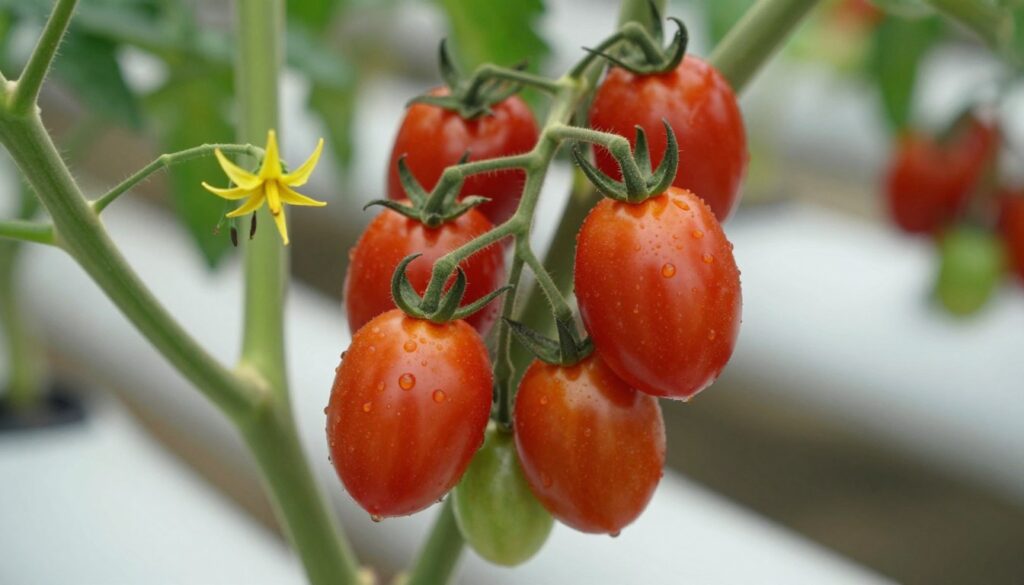
Tomatoes rank among the most popular hydroponic plants for home growers. Determinate bush varieties and compact cherry types work best in limited spaces. Plants produce fruit in 75 to 90 days from transplant. The concentrated root systems adapt well to deep water culture and ebb and flow systems.
These heat-loving plants need abundant light. Provide 14 to 18 hours daily using high-output LED grow lights. Maintain temperatures between 70 and 80 degrees Fahrenheit during the day. Tomatoes prefer slightly acidic conditions with pH levels from 6.0 to 6.5.
Support growing plants with stakes or cages as fruits develop. Remove suckers regularly to direct energy toward fruit production. Switch to bloom-formula nutrients when flowers appear. Higher phosphorus and potassium levels encourage better fruiting. Gently shake flowering branches to improve pollination in indoor environments.
Peppers
Bell peppers and hot chili varieties both thrive in hydroponic systems. Compact cultivars like ‘Lunchbox’ peppers and ‘Jalapeno’ chilies suit home gardens perfectly. Plants begin producing in 70 to 85 days from transplant. The moderate size and continuous fruiting make peppers excellent hydroponic crops.
Peppers demand intense lighting similar to tomatoes. Give them 14 to 16 hours of bright light daily. These plants prefer warm conditions between 70 and 85 degrees Fahrenheit. Maintain pH levels between 6.0 and 6.5 for optimal nutrient absorption.
Feed peppers with balanced nutrients during vegetative growth. Increase potassium and phosphorus when flowering begins. This adjustment promotes better fruit development and stronger flavors. Support heavy-fruiting plants with small stakes. Harvest peppers at any stage but allow full ripening for maximum sweetness and nutrition.
Cucumbers
Compact bush cucumber varieties excel in hydroponic gardens. Look for types labeled ‘patio’ or ‘bush’ cucumbers. These plants produce full-size fruits on smaller vines. Cucumbers grow rapidly and begin producing in 56 to 60 days from seed.
These vining plants need substantial light exposure. Provide 14 to 16 hours of bright light daily for best production. Cucumbers prefer warm temperatures between 70 and 80 degrees Fahrenheit. They grow well in pH ranges from 5.5 to 6.0.
Most hydroponic cucumber varieties are parthenocarpic. These types produce fruit without pollination. Regular harvesting encourages continued production. Pick cucumbers when they reach six to eight inches long. Check plants daily during peak production because fruits develop quickly.
Strawberries
Strawberries adapt wonderfully to hydroponic cultivation. Day-neutral varieties produce continuously rather than one big crop. Plants begin fruiting 60 days after transplanting established runners. The compact root systems work perfectly in nutrient film technique and tower systems.
These fruiting plants need abundant light for sweetest berries. Provide 12 to 16 hours daily of full-spectrum lighting. Strawberries tolerate cooler temperatures than many fruiting plants. They grow well between 60 and 75 degrees Fahrenheit. Maintain pH levels from 5.8 to 6.2 for optimal growth.
Feed strawberries with bloom nutrients once flowering begins. Higher phosphorus levels encourage better fruit set and flavor development. Remove runners unless you want to propagate new plants. Harvest berries when fully colored for best sweetness. The fruits continue ripening for several months in well-maintained systems.
Eggplant
Compact eggplant varieties produce beautifully in hydroponic gardens. Look for smaller fruited types like ‘Fairy Tale’ or ‘Little Finger’. These plants mature in 105 to 130 days from seed but smaller varieties produce sooner. The manageable size fits most indoor growing spaces.
Eggplants need strong lighting similar to tomatoes and peppers. Provide 14 to 18 hours daily of bright light. These heat-loving plants prefer temperatures between 70 and 85 degrees Fahrenheit. Maintain pH levels from 6.0 to 6.5 for healthy growth.
Support developing fruits with stakes as plants mature. Feed with balanced nutrients until flowering begins. Switch to bloom formulas emphasizing phosphorus when flowers appear. This adjustment promotes better fruit development. Harvest eggplants when skins are glossy and fruits feel firm but give slightly to pressure.
Join 10,000+ Successful Hydroponic Growers
Get weekly expert tips delivered to your inbox. Learn advanced techniques, troubleshoot problems, and discover new varieties to try. Plus receive seasonal plant recommendations and exclusive equipment discounts.
Specialty Crops and Unique Hydroponic Options
Adventurous growers can expand beyond common vegetables and herbs. Several specialty crops thrive in hydroponic systems. These plants add variety to your garden and often command premium prices at farmers markets.
Microgreens
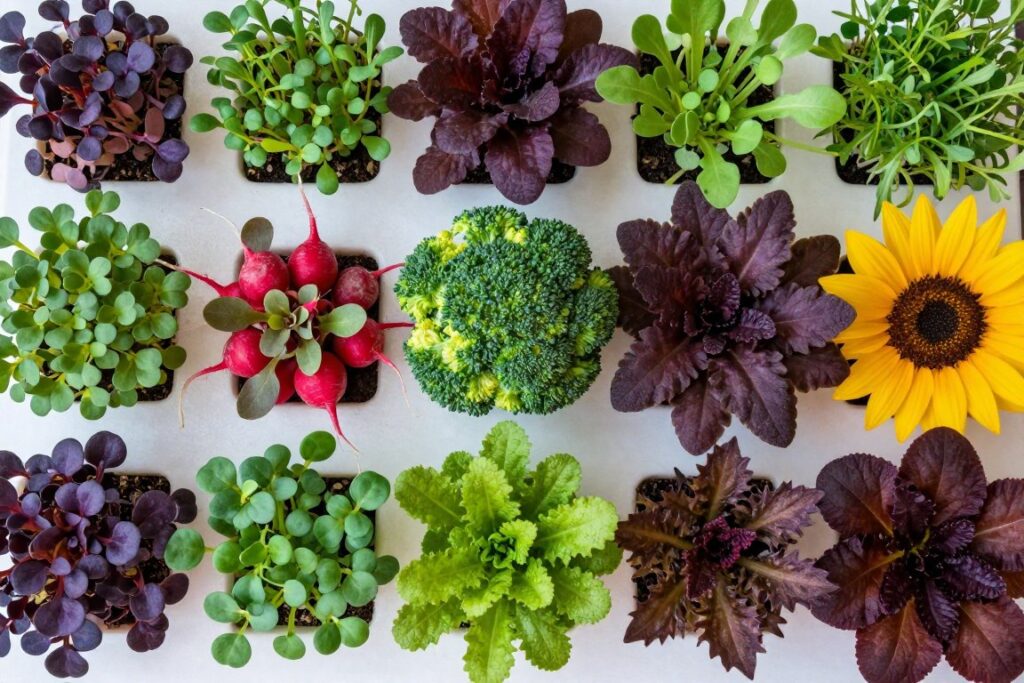
Microgreens represent the fastest hydroponic crop you can grow. These tiny seedlings reach harvest size in just 7 to 14 days. Popular varieties include radish, broccoli, sunflower, and pea shoots. The concentrated flavors and nutrition make microgreens valuable additions to any meal.
These crops need minimal equipment to get started. Shallow trays work perfectly for microgreen production. Provide 12 to 16 hours of moderate light daily. The plants need less intense lighting than full-size crops. Maintain consistent moisture without overwatering.
Harvest microgreens when the first true leaves appear. Cut just above the growing medium with clean scissors. Most varieties can be stored for five to seven days after harvest. The quick turnaround and high value make microgreens excellent crops for small hydroponic operations.
Beans and Peas
Bush bean varieties grow successfully in hydroponic systems. Look for compact types that reach 12 to 18 inches tall. Green beans, yellow wax beans, and purple bush beans all perform well. Plants begin producing in 50 to 60 days from seed.
Snap peas and dwarf snow peas adapt to water culture growing. These cool-season crops prefer temperatures between 60 and 70 degrees Fahrenheit. The edible pods develop quickly and taste sweeter than soil-grown varieties. Plants produce for several weeks with regular harvesting.
Both beans and peas prefer neutral pH levels from 6.0 to 7.0. They need moderate light around 12 to 14 hours daily. These legumes fix nitrogen naturally but still benefit from balanced hydroponic nutrients. Provide support for climbing varieties using small trellises.
Edible Flowers
Nasturtiums grow beautifully in hydroponic systems. Both flowers and leaves are edible with peppery flavors. Compact varieties like ‘Alaska’ series reach just 8 to 12 inches tall. Plants begin flowering in 35 to 70 days from seed.
Calendula produces cheerful orange and yellow blooms. The petals add color to salads and can be dried for teas. Plants mature in 60 to 70 days and continue flowering for months. Calendula tolerates cooler temperatures than many flowering plants.
Both nasturtiums and calendula prefer moderate light levels. Provide 12 to 14 hours daily for best flowering. These plants grow well in pH ranges from 6.0 to 7.0. Use balanced nutrients during growth and switch to bloom formulas when buds appear.
Root Vegetables
Most root vegetables struggle in traditional hydroponic systems. However, radishes succeed because of their small size and quick maturity. Round varieties work better than long types. Plants reach harvest size in 30 to 60 days depending on variety.
Grow radishes in deep containers or modified systems with adequate depth. The roots need space to develop properly without restriction. Provide 12 to 14 hours of light daily. Radishes prefer cooler temperatures between 60 and 70 degrees Fahrenheit.
Maintain pH levels from 6.0 to 7.0 for optimal radish growth. These crops need balanced nutrients throughout their short growing cycle. Harvest promptly when roots reach full size. Leaving radishes too long results in pithy, bitter flavors.
Plants Not Recommended for Hydroponic Growing
Some plants simply do not adapt well to hydroponic environments. Understanding these limitations saves you frustration and wasted resources. Avoid these categories when planning your hydroponic garden.
Large Root Vegetables
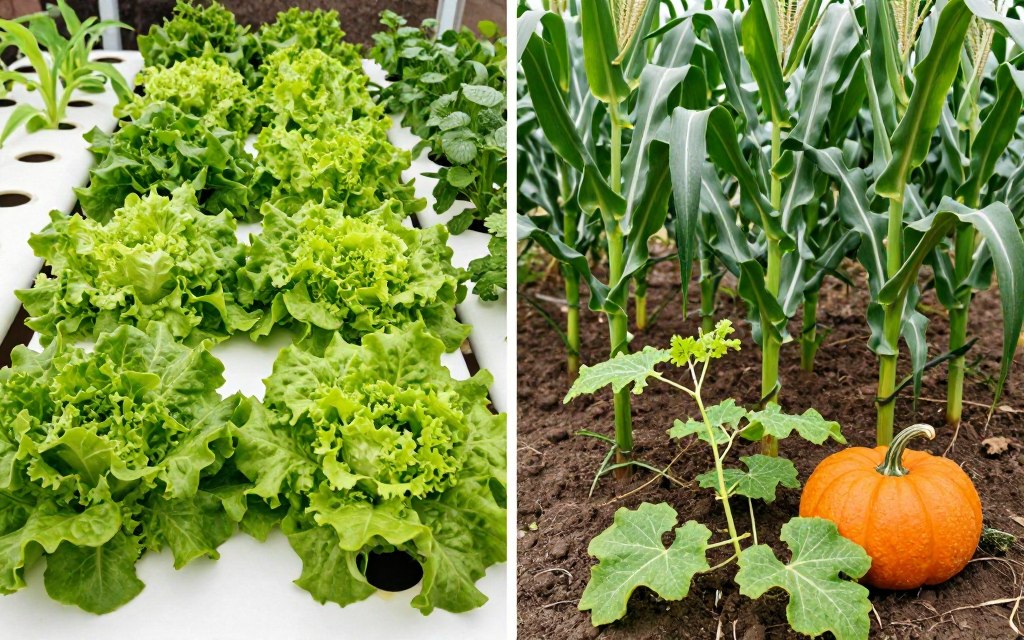
Carrots, potatoes, and turnips develop extensive root systems. These vegetables need deep soil to form properly. Standard hydroponic systems lack sufficient vertical space for proper root development. The roots may grow deformed or fail to develop edible portions.
Sweet potatoes require even more space than regular potatoes. The sprawling vines and large tubers make them impractical for most home hydroponic setups. These crops simply demand more room than water-based systems can provide efficiently.
Tall and Heavy Plants
Corn grows several feet tall with extensive root systems. The height and weight create stability problems in hydroponic containers. Wind from fans can topple tall corn plants easily. The large root mass overwhelms most home hydroponic systems.
Full-size pumpkins and winter squash produce massive vines and heavy fruits. These sprawling plants need substantial space both above and below ground. The weight of developing fruits can damage hydroponic equipment. Stick with compact varieties if you want to try squash.
Perennial Crops
Fruit trees and berry bushes need years to mature and produce. These permanent crops develop extensive root systems over time. The long-term commitment and space requirements make them impractical for standard hydroponic setups. Annual crops provide better returns in limited space.
Asparagus takes three years to establish before harvesting begins. The perennial crowns develop massive root systems. These plants need more stability and space than most hydroponic systems offer. Grow asparagus in soil where it can establish properly.
Getting Started with Your Hydroponic Garden
Starting your first hydroponic garden feels overwhelming at first. Following these practical steps makes the process straightforward and increases your chances of success. Begin small and expand as you gain experience and confidence.
Choosing Your First System
Deep water culture systems offer the simplest entry point for beginners. These setups suspend plant roots in oxygenated nutrient solutions. The minimal components include a container, air pump, air stone, and growing baskets. This system works perfectly for lettuce, herbs, and small plants.
Nutrient film technique systems provide another beginner-friendly option. Shallow channels allow thin nutrient films to flow past plant roots continuously. These systems excel for leafy greens and herbs. The sloped design requires more precise setup than deep water culture but delivers excellent results.
Ready-made countertop systems eliminate setup complexity entirely. Products like AeroGarden include everything needed to start growing immediately. These self-contained units work wonderfully for learning hydroponic basics. The higher initial cost pays off in convenience and reliability.
Essential Equipment and Supplies
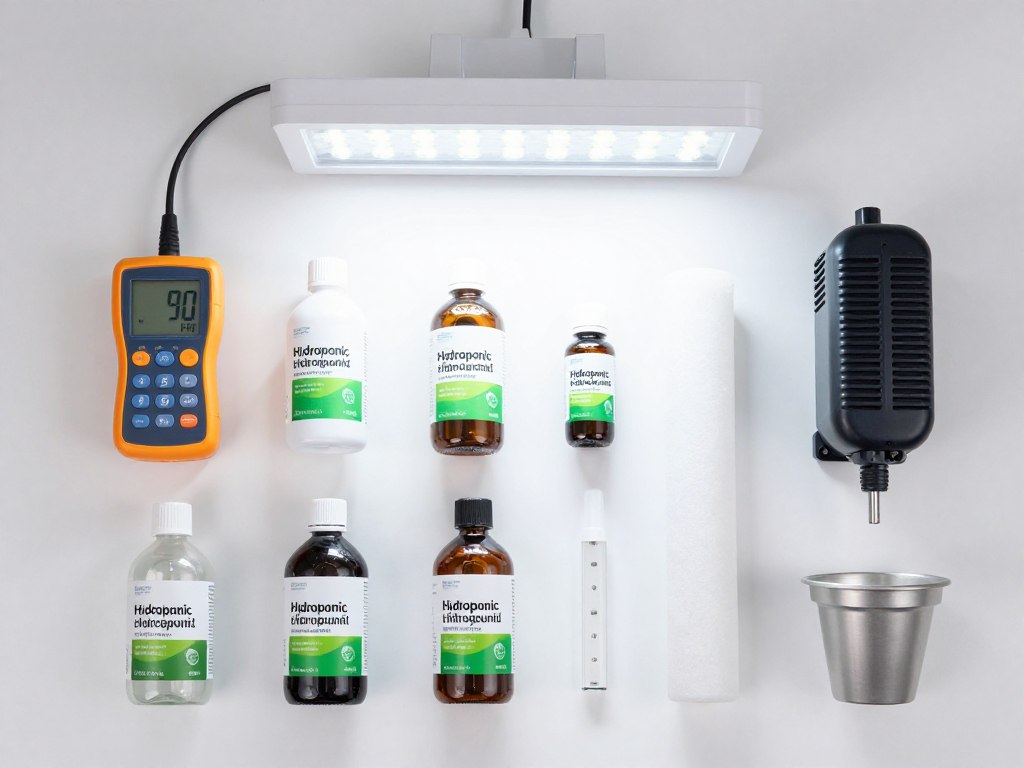
Quality grow lights make or break indoor hydroponic gardens. LED lights offer the best combination of spectrum, efficiency, and longevity. Full-spectrum LEDs with both blue and red wavelengths support all growth stages. Position lights 12 to 24 inches above plants depending on intensity.
pH testing equipment keeps your nutrient solution properly balanced. Digital pH meters provide accurate readings instantly. Test strips work adequately but offer less precision. Most hydroponic plants prefer pH ranges from 5.5 to 6.5. Small variations significantly affect nutrient availability.
Complete hydroponic nutrient formulas contain all essential minerals. Liquid concentrates mix easily and allow precise feeding. Two-part formulas separate calcium from other nutrients to prevent precipitation. Follow manufacturer instructions carefully because concentration requirements vary between brands.
Water pumps and air stones keep solutions oxygenated and moving. Stagnant water quickly develops anaerobic conditions and root rot. Small aquarium pumps work perfectly for home systems. Size pumps according to your reservoir volume for adequate circulation.
Spider Farmer SF-1000 LED Grow Light
Full-spectrum LED optimized for all growth stages. Energy-efficient Samsung diodes provide intense light coverage. Perfect for 2×2 to 3×3 foot growing spaces.
- 100W power consumption
- Dimmable intensity control
- Passive cooling design
- 5-year warranty included
General Hydroponics pH Control Kit
Complete pH testing and adjustment solution. Includes liquid test kit, pH up, and pH down solutions. Everything needed for proper nutrient balance.
- Accurate liquid testing
- Professional pH adjusters
- Detailed instructions included
- Handles 100+ adjustments
General Hydroponics Flora Series
Professional three-part nutrient system. Customizable ratios for different growth stages. Used by commercial growers worldwide for consistent results.
- Complete mineral nutrition
- Growth and bloom formulas
- Works in all systems
- Concentrated for value
Starting Seeds Versus Transplants
Starting from seed gives you the widest variety selection. Most hydroponic plants germinate readily in small rockwool cubes or rapid rooter plugs. These sterile mediums prevent disease while supporting young seedlings. Pre-soak cubes before planting seeds at manufacturer-recommended depths.
Transplanting established seedlings accelerates your first harvest. Purchase small plants from nurseries and wash all soil from roots completely. Any remaining soil particles can clog hydroponic systems and introduce pests. Gently rinse roots under lukewarm water until completely clean.
Some herbs propagate easily from cuttings. Basil, mint, and oregano root quickly in plain water. Place four-inch cuttings in water for one to two weeks until roots develop. Transfer rooted cuttings directly into your hydroponic system for instant mature plants.
Monitoring and Maintaining Your System
Daily visual inspections catch problems before they become serious. Check plant appearance, water levels, and equipment function every morning. Wilting leaves may indicate low water or pump failure. Yellow leaves often signal nutrient deficiencies or pH imbalances.
Test pH levels every two to three days when starting out. More frequent testing helps you understand how quickly your system drifts. Adjust pH gradually using small amounts of pH up or down solutions. Large corrections can shock plants and damage roots.
Replace nutrient solutions completely every two weeks. This practice prevents mineral buildup and maintains proper nutrient ratios. Clean reservoirs thoroughly during changes to remove algae and organic debris. Rinse all components with diluted hydrogen peroxide for sanitation.
Monitor water temperatures especially during summer months. Most plants prefer root zone temperatures between 65 and 75 degrees Fahrenheit. Warmer water holds less dissolved oxygen and encourages root diseases. Consider adding water chillers or frozen water bottles if temperatures climb too high.
Common Challenges and Solutions
Every hydroponic gardener encounters problems occasionally. Understanding common issues helps you respond quickly and effectively. Most challenges have simple solutions when caught early.
Nutrient Deficiencies
Nitrogen deficiency appears as yellowing older leaves. Plants need more nitrogen during vegetative growth than fruiting. Increase overall nutrient concentration slightly or switch to vegetative formulas with higher nitrogen ratios. New growth should green up within one week.
Calcium deficiency causes tip burn on lettuce and blossom end rot on tomatoes. This problem often results from inconsistent watering rather than insufficient calcium. Maintain steady moisture levels and ensure adequate calcium in your nutrient formula. Some growers add calcium supplements for heavy-feeding crops.
Iron deficiency shows as yellowing between leaf veins on new growth. This issue often indicates pH problems rather than missing iron. High pH levels above 7.0 lock out iron availability. Lower pH to 6.0 and symptoms should disappear as new growth emerges.
Root Problems
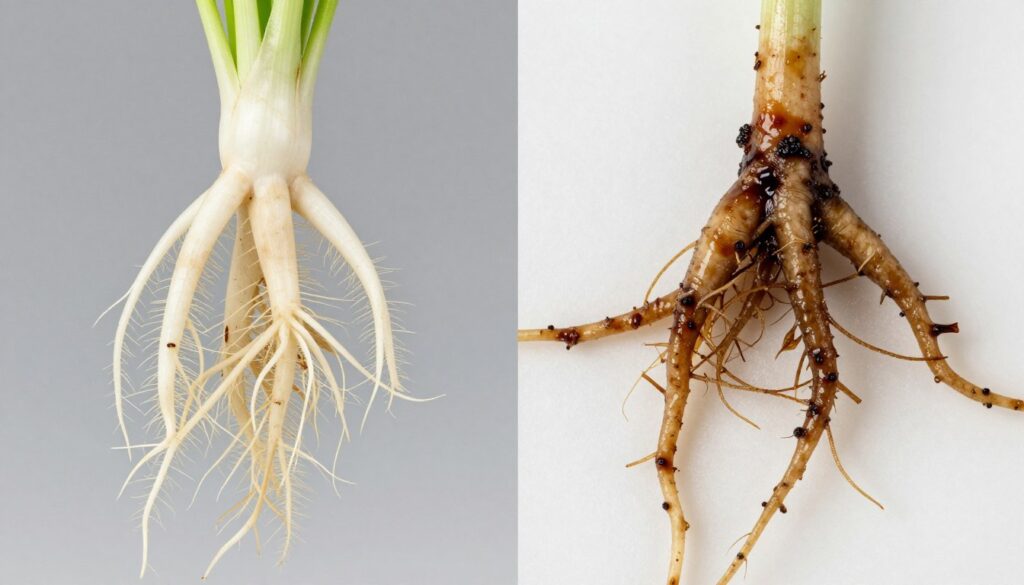
Brown, slimy roots indicate root rot from insufficient oxygen. Increase air pump output or add additional air stones. Lower water temperatures if possible because warm water holds less dissolved oxygen. Remove severely affected plants to prevent disease spread.
White, fuzzy growth on roots may indicate beneficial bacteria or harmful fungi. Beneficial organisms appear as thin white films. Harmful fungi create thick, cottony masses and smell unpleasant. Improve water circulation and consider adding beneficial bacteria products to outcompete pathogens.
Pest Management
Aphids occasionally infest indoor hydroponic gardens. These small insects cluster on new growth and under leaves. Spray plants with diluted neem oil or insecticidal soap. Repeat treatments weekly for three weeks to break reproduction cycles.
Fungus gnats breed in moist growing media and organic matter. These tiny flies do not harm plants directly but indicate excess moisture. Reduce watering frequency and remove any organic debris from systems. Yellow sticky traps catch adult gnats effectively.
Spider mites thrive in warm, dry conditions. Increase humidity levels and spray plants with water regularly. Severe infestations may require miticide treatments. Introducing predatory mites provides biological control in ongoing gardens.
Advanced Growing Techniques
Experienced hydroponic gardeners employ specialized techniques to maximize yields and quality. These advanced methods require more attention but deliver impressive results. Implement these strategies after mastering basic hydroponic growing.
Training and Pruning
Topping creates bushier plants with multiple main stems. Remove the growing tip when plants reach six to eight inches tall. Two new shoots develop below the cut. This technique works excellently for basil, tomatoes, and peppers.
Low stress training bends stems horizontally to expose more growth sites to light. Gently tie branches down using soft plant ties. The horizontal position triggers hormone responses that encourage vertical shoot development. This method increases yields without removing plant tissue.
Removing lower leaves improves air circulation and directs energy upward. Strip foliage below the lowest fruit cluster on tomatoes. Clear leaves touching water surfaces to prevent disease development. Focus plant energy on productive upper growth.
Environmental Optimization
Vapor pressure deficit balances temperature and humidity for optimal growth. This advanced concept measures the drying power of air. Plants transpire efficiently when VPD stays between 0.8 and 1.2 kilopascals. Calculate VPD using online calculators with your temperature and humidity readings.
CO2 supplementation accelerates growth when other factors are optimized. Plants use carbon dioxide during photosynthesis to build tissues. Ambient air contains 400 parts per million CO2. Enrichment to 1000 to 1500 ppm increases growth rates significantly. This technique requires sealed growing spaces and proper safety equipment.
Succession Planting
Stagger plantings every two weeks for continuous harvests. This strategy works perfectly for fast-growing crops like lettuce and herbs. While one group matures, another develops, and a third germinates. You enjoy constant supply without overwhelming abundance followed by gaps.
Different maturity varieties extend harvest windows naturally. Plant early, mid, and late-season tomato varieties simultaneously. Harvests begin at different times and continue for months. This approach works well for peppers, cucumbers, and strawberries too.
Year-Round Growing Strategies
Indoor hydroponic gardens eliminate traditional growing seasons. However, seasonal factors still influence your success. Understanding these patterns helps you plan effectively throughout the year.
Summer Challenges
High ambient temperatures stress hydroponic systems during summer months. Water temperatures climb above ideal ranges. Plants struggle to uptake oxygen from warm solutions. Increase air circulation with additional fans. Consider water chillers for reservoirs in hot climates.
Intense natural sunlight may overwhelm young plants near windows. Move systems away from direct sun or add shade cloth. LED grow lights provide sufficient illumination without excess heat. Monitor plants closely for heat stress symptoms like wilting or leaf curl.
Winter Opportunities
Cooler winter temperatures benefit cool-season crops. Lettuce, spinach, and kale thrive in 60 to 70 degree environments. These crops often taste sweeter when grown in cooler conditions. Take advantage of naturally lower heating costs during winter months.
Shorter day lengths require longer artificial lighting periods. Maintain 14 to 16 hour photoperiods for fruiting crops regardless of natural day length. Timers automate lighting schedules perfectly. Consistent light duration prevents flowering disruptions in day-length-sensitive plants.
Planning Your Growing Calendar
Create a twelve-month planting schedule based on your goals. Rotate crops seasonally even in controlled environments. This practice prevents nutrient depletion patterns and reduces disease pressure. Plan two to three crop cycles annually for most vegetables.
Schedule intensive crops during seasons when you have more time. Tomatoes and peppers need regular attention during fruiting. Plant these during periods when you can monitor daily. Grow low-maintenance leafy greens during busy seasons.
Your Hydroponic Growing Success Starts Now
The best plants for hydroponic gardening combine fast growth with high yields and forgiving nature. Leafy greens and herbs provide perfect starting points for beginners. These crops mature quickly and tolerate minor mistakes. Fruiting vegetables like tomatoes and peppers challenge you more but reward effort with impressive harvests.
Success in hydroponic gardening comes from choosing appropriate plants for your system and experience level. Start with simple crops like lettuce and basil. Master the basics of nutrient management, pH control, and environmental monitoring. Expand to more challenging plants as your confidence grows.
The controlled environment of hydroponic systems lets you grow fresh produce year-round. You eliminate weather uncertainties and seasonal limitations. Your garden produces continuously with proper planning and care. The water efficiency and space savings make hydroponics ideal for urban environments and small spaces.
Begin your hydroponic journey today with a simple system and easy plants. The learning process becomes enjoyable when you harvest your first crisp lettuce or aromatic basil. Each growing cycle teaches valuable lessons that improve future results. Your hydroponic garden will flourish with patience, attention, and the right plant selections.
New to Hydroponics?
Download our free Beginner’s Hydroponic Plant Selection Guide. Get detailed plant profiles, difficulty ratings, system recommendations, and step-by-step setup instructions.
Ready to Scale Up?
Schedule a free consultation with our hydroponic experts. Get personalized advice on commercial systems, crop selection, and scaling strategies for your growing operation.
Frequently Asked Questions
What are the easiest plants for hydroponic beginners to start with?
Lettuce, basil, and spinach represent the easiest hydroponic plants for beginners. These crops grow quickly in 28 to 40 days, tolerate minor mistakes, and thrive in simple systems like deep water culture. Start with one of these reliable options to build confidence before trying more challenging plants like tomatoes or peppers.
How long do hydroponic plants take to grow compared to soil?
Hydroponic plants typically grow 30 to 50 percent faster than soil-grown plants. Lettuce matures in 28 days hydroponically versus 45 days in soil. Tomatoes produce fruit several weeks earlier. The direct nutrient delivery and optimized environment accelerate all growth stages significantly.
Can I grow root vegetables like carrots in hydroponic systems?
Most root vegetables struggle in standard hydroponic systems. Carrots, potatoes, and turnips need deep soil for proper root development. Small radishes work because they mature quickly and stay compact. Focus on leafy greens, herbs, and fruiting vegetables for best hydroponic results.
What hydroponic system works best for growing tomatoes and peppers?
Deep water culture and ebb and flow systems work excellently for fruiting vegetables like tomatoes and peppers. These plants need strong root systems and consistent nutrients. Dutch bucket systems provide ideal conditions for larger plants. All three methods support the weight and nutrient demands of heavy-fruiting crops.
Do hydroponic plants taste different from soil-grown plants?
Hydroponic plants often taste superior to soil-grown varieties. The controlled environment and optimal nutrition produce more concentrated flavors. Lettuce grows crisper and sweeter. Herbs develop more intense aromas. Tomatoes ripen more evenly with better sugar content. Many chefs prefer hydroponically grown produce for these quality advantages.
How often should I change the nutrient solution in my hydroponic system?
Replace nutrient solutions completely every two weeks for optimal plant health. This schedule prevents mineral buildup and maintains proper nutrient ratios. Top off water levels between changes as plants absorb solution. Clean reservoirs thoroughly during solution changes to remove algae and organic debris.
What pH level should I maintain for most hydroponic plants?
Most hydroponic plants thrive in pH ranges from 5.5 to 6.5. Leafy greens prefer 6.0 to 6.5 while fruiting vegetables tolerate slightly lower levels around 5.8 to 6.2. Test pH every two to three days and adjust gradually using pH up or down solutions. Proper pH ensures maximum nutrient availability.
Can I grow hydroponic plants outdoors or do they need to be inside?
Hydroponic systems work both indoors and outdoors. Outdoor setups benefit from natural sunlight but face weather challenges. Indoor systems require artificial lighting but offer complete environmental control. Most home growers choose indoor setups for year-round production and pest prevention. Greenhouse combinations provide benefits of both approaches.