
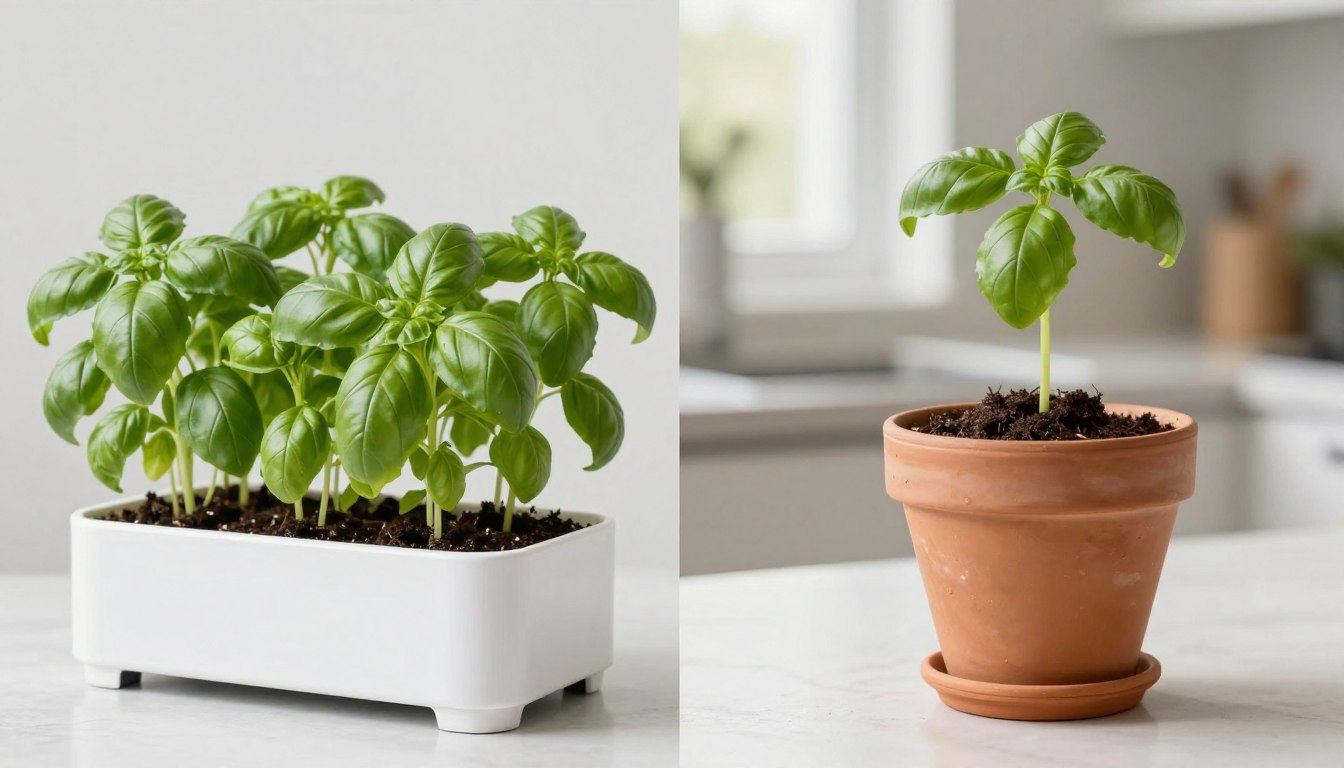
This comprehensive comparison cuts through the confusion. You’ll discover which method saves money long-term, requires less daily fuss, and actually delivers the fresh herbs you crave. Whether you’re a busy professional with limited counter space or a sustainability-focused home cook, this guide helps you make the right choice for your lifestyle.
Not Sure Which Method Fits Your Lifestyle?
Answer 3 quick questions to discover whether hydroponic herb kits or soil gardening matches your space, budget, and growing goals.
Understanding the Two Growing Methods
What Are Hydroponic Herb Kits?
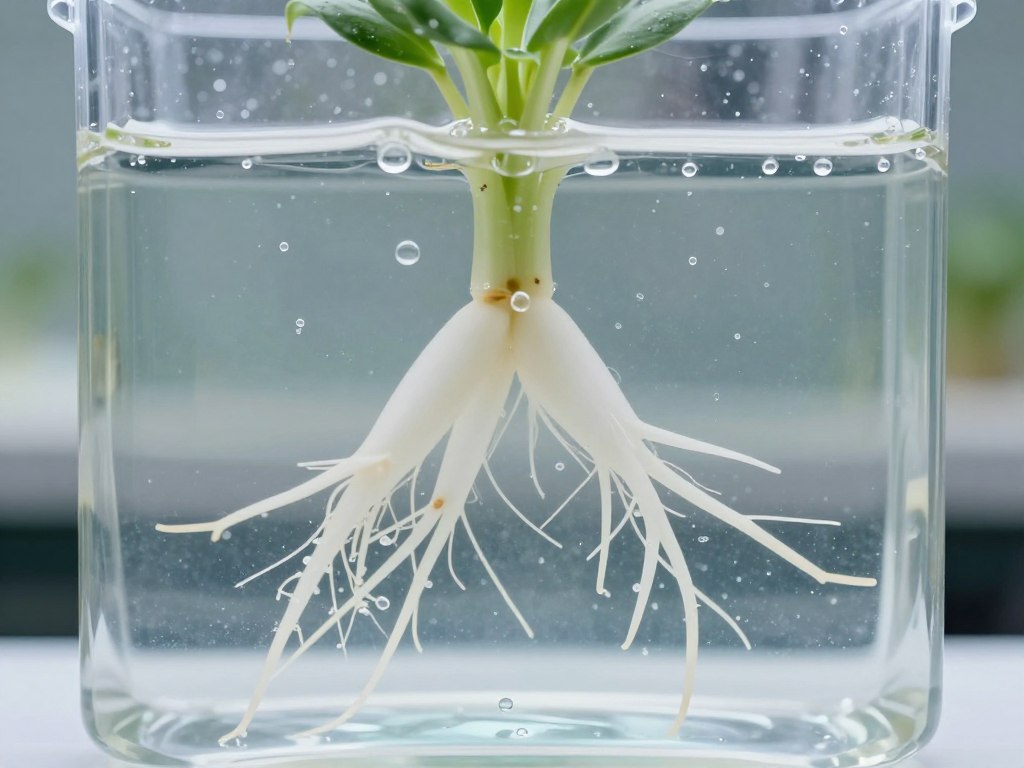
Hydroponic systems grow plants without soil. Instead, herb roots absorb nutrients directly from water enriched with minerals. Modern hydroponic herb kits automate this process with built-in pumps, grow lights, and timers.
These self-contained units sit on your kitchen counter. They deliver nutrients and water on schedules optimized for plant growth. Most kits include everything needed to start growing herbs immediately.
The technology eliminates guesswork. Sensors monitor water levels. LED lights provide optimal spectrum for photosynthesis. Pumps circulate nutrient solutions to roots submerged in growing chambers.
Traditional Soil Gardening Explained
Soil gardening relies on earth’s natural growing medium. Plants extract nutrients from organic matter broken down by microorganisms. This time-tested method has sustained agriculture for millennia.
For indoor herb gardens, soil cultivation requires pots, quality potting mix, and manual care. You water plants when soil dries out. Nutrients come from fertilizers mixed into soil or applied as liquid feeds.
The soil environment creates a buffer against errors. Its natural composition forgives occasional overwatering or nutrient imbalances better than hydroponics. Beneficial microbes in quality soil support plant health and disease resistance.
Key Comparison Factors: Hydroponic Herb Kits vs Soil
Initial Setup and Cost Investment
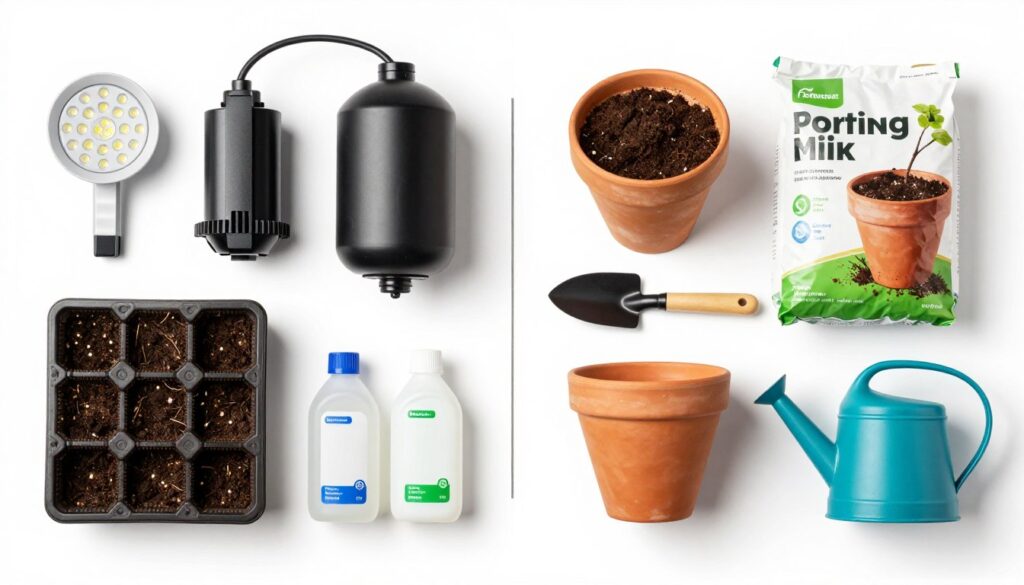
Hydroponic herb kits demand higher upfront investment. Quality systems range from $80 for basic three-pod units to $600 for premium twelve-pod gardens with advanced features. These kits include grow lights, pumps, nutrient solutions, and seed pods.
Soil setups cost significantly less initially. Six terracotta pots, quality organic potting mix, seeds, and basic fertilizer total around $30-$50. You’ll need adequate natural light or invest separately in grow lights for indoor conditions.
Hydroponic Cost Advantages
- All-in-one solution eliminates separate equipment purchases
- Built-in grow lights work anywhere regardless of window access
- Automated systems reduce time investment costs
- Higher long-term yields offset initial expense
Soil Cost Advantages
- Minimal startup investment accessible to any budget
- Incremental scaling—add pots as needed
- No electricity costs if using natural window light
- Reusable pots last years with proper care
Ease of Use and Learning Curve
Hydroponic systems simplify daily maintenance once set up. Modern kits notify you when water runs low or nutrients need replenishing. Most plants thrive with minimal intervention beyond refilling reservoirs every two weeks.
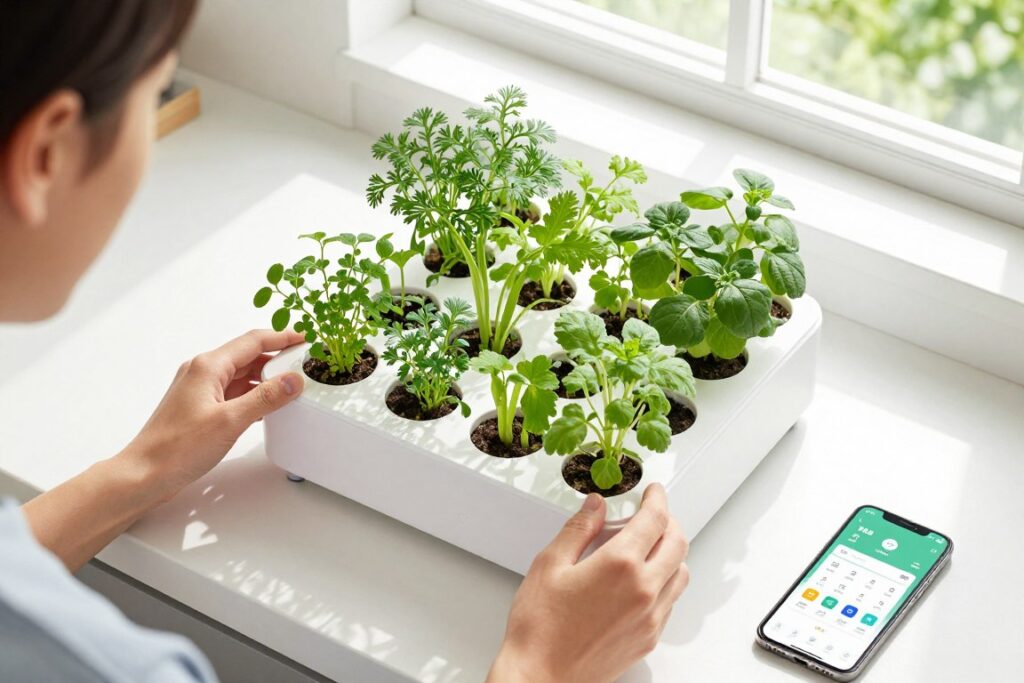
The initial learning curve for hydroponics feels steeper. You’ll understand pH levels, nutrient concentrations measured in parts per million, and water temperature requirements. However, digital systems with smartphone apps guide beginners through these concepts.
Soil gardening feels more intuitive for beginners. Most people understand basic watering and fertilizing concepts. You see and feel soil moisture. Visual cues like drooping leaves clearly signal when plants need attention.
Yet soil requires more developed judgment over time. You learn to distinguish between overwatering and underwatering. Drainage issues, soil compaction, and nutrient deficiencies demand troubleshooting skills that develop through experience.
Maintenance Requirements and Time Commitment
Hydroponic herb kits demand less frequent attention. You’ll spend about 10 minutes every two weeks refilling water reservoirs and adding nutrients. Automated watering and lighting eliminate daily tasks.
Occasional maintenance includes wiping down water tanks to prevent algae buildup. Every three months, you’ll deep clean the system and replace growing pods. These systems essentially run themselves between interventions.
Soil gardening requires more consistent engagement. Most herbs need watering two to three times weekly depending on environment and plant size. You’ll check soil moisture levels regularly using the finger test.
Seasonal care differs too. Soil plants may need repotting as roots outgrow containers. You’ll refresh depleted soil or add compost every few months. Pest monitoring becomes crucial since soil environments attract more insects than hydroponic setups.
Top-Rated Hydroponic Herb Kits for Home Growers
Based on extensive analysis of user reviews, growing performance, and value propositions, these hydroponic systems consistently deliver results for herb cultivation.
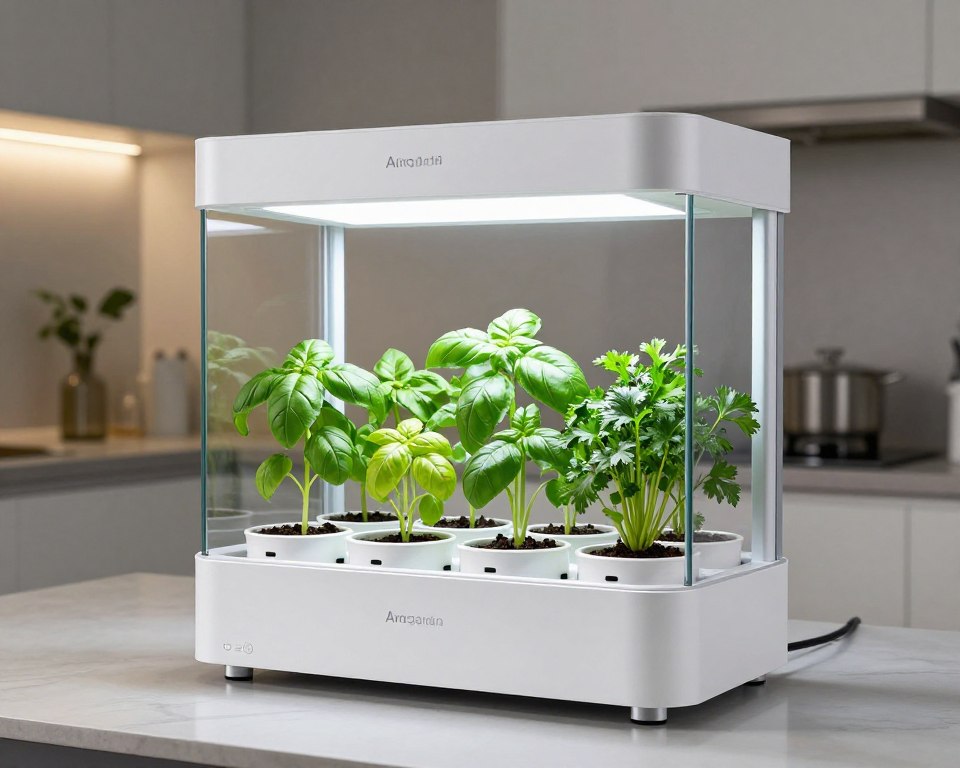
Best Overall: AeroGarden Harvest
This six-pod system combines reliability with beginner-friendly operation. The 20-watt LED grow light provides full-spectrum illumination. Herbs grow up to five times faster than soil according to independent testing.
- Automated watering and nutrient reminders
- Compact footprint fits small kitchens
- Includes gourmet herb seed pod kit
- Quiet operation suitable for living spaces
Price Range: $90-$120
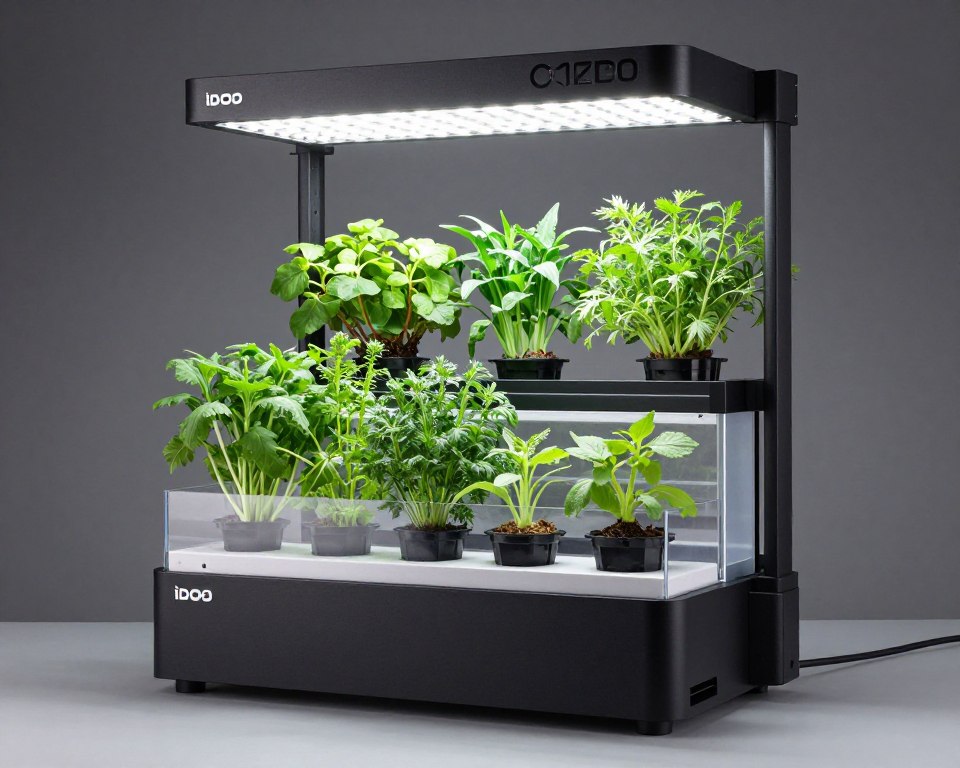
Best Value: iDOO 12-Pod System
This larger capacity system offers impressive features at competitive pricing. The adjustable 24-watt LED light accommodates plants at various growth stages. Two independent growing modes optimize conditions for different herbs.
- Twelve growing spaces for variety
- Fan circulation promotes stronger stems
- Water level window eliminates guessing
- Vacation mode extends time between refills
Price Range: $70-$90
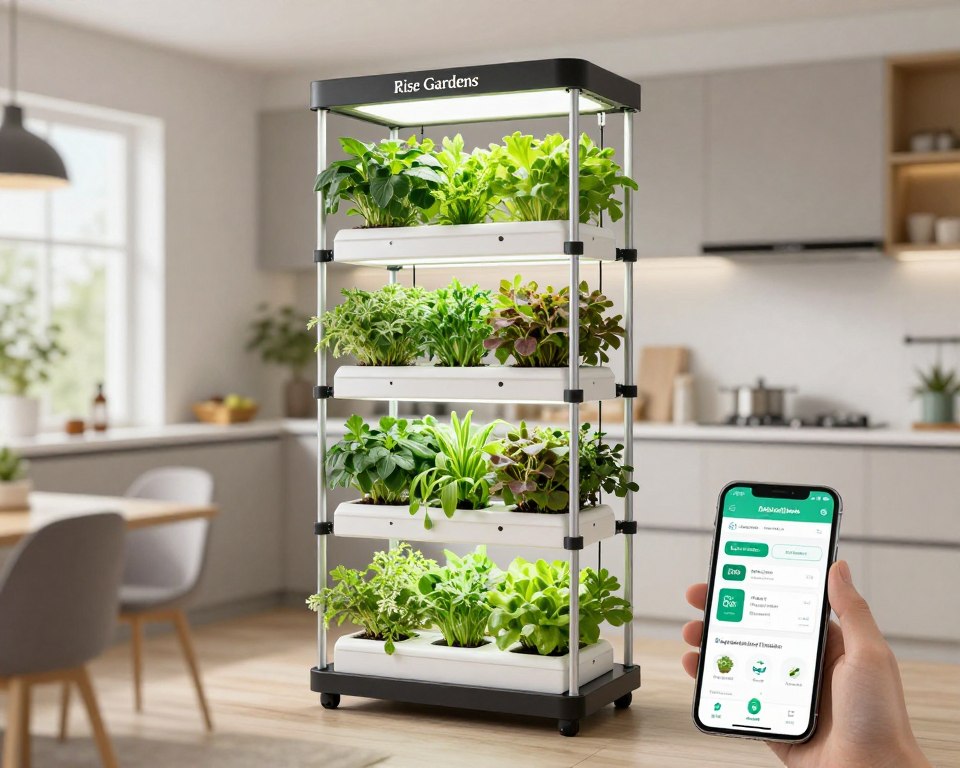
Best Smart System: Rise Gardens
This app-connected system takes automation to the next level. Smartphone notifications alert you to water levels, nutrient needs, and optimal harvest times. The modular design expands as your growing ambitions increase.
- Built-in camera tracks plant progress
- Extensive plant library with growing guides
- Nursery mode for seed starting
- Stackable units maximize vertical space
Price Range: $279-$599
Growth Rates and Harvest Yields
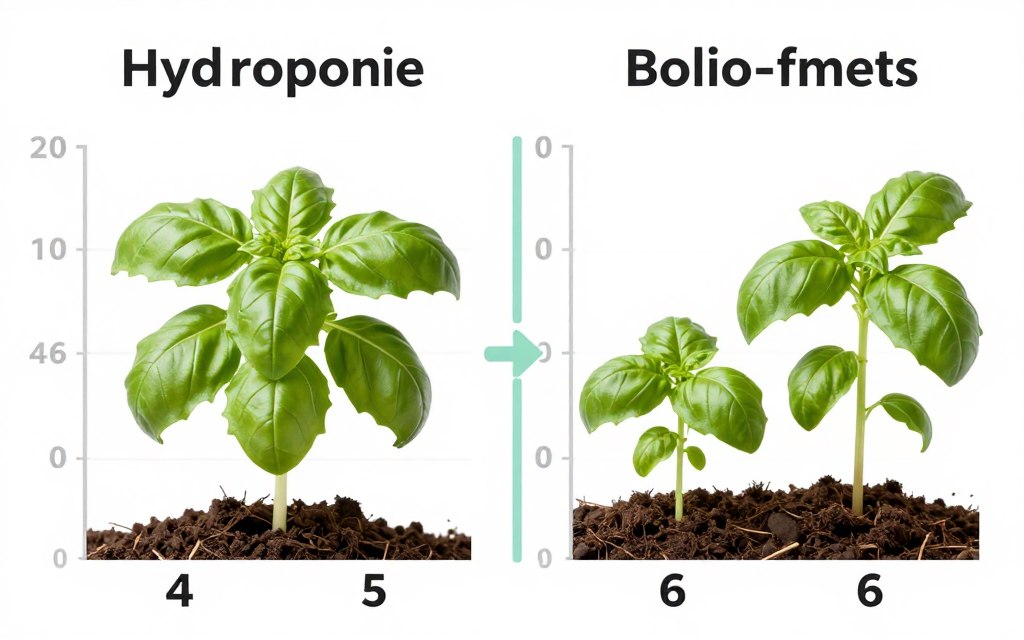
Speed of Plant Development
Hydroponic systems accelerate herb growth significantly. Most herbs mature 25-50% faster than soil-grown counterparts. Basil reaches harvest size in four weeks versus six weeks in soil. Cilantro grows ready for cutting in three weeks compared to five weeks.
This speed advantage stems from constant nutrient availability. Roots absorb minerals dissolved in water immediately. Plants don’t expend energy searching for nutrients through soil. More energy goes toward leaf and stem development.
Soil-grown herbs develop at nature’s traditional pace. While slower, this gradual growth may produce more complex flavor profiles in some herbs. Many gardeners report soil-grown basil exhibits more pronounced aromatics than hydroponic varieties.
Harvest Quantity Comparison
Hydroponic herb gardens produce 20-30% higher yields per square foot. A six-pod hydroponic system generates roughly the same herb quantity as twelve soil pots. Space efficiency becomes crucial in apartments and small kitchens.
Continuous harvesting works better with hydroponics. You can cut leaves knowing plants will regenerate quickly with consistent nutrient supply. This reliability helps meal planning and reduces grocery store herb purchases.
Soil gardens provide satisfying yields with proper care. Larger pots support bigger root systems and more substantial plants. A well-tended soil herb garden supplies adequate herbs for regular cooking needs at lower initial investment.
| Herb Variety | Hydroponic Growth Time | Soil Growth Time | Hydroponic Yield (oz/month) | Soil Yield (oz/month) |
| Basil | 4 weeks | 6 weeks | 4-6 oz | 2-3 oz |
| Cilantro | 3 weeks | 5 weeks | 3-5 oz | 2-3 oz |
| Parsley | 5 weeks | 7 weeks | 3-4 oz | 2-3 oz |
| Mint | 4 weeks | 6 weeks | 5-7 oz | 3-4 oz |
| Thyme | 6 weeks | 8 weeks | 1-2 oz | 1-1.5 oz |
Water Usage and Nutrient Efficiency
Water Conservation Comparison
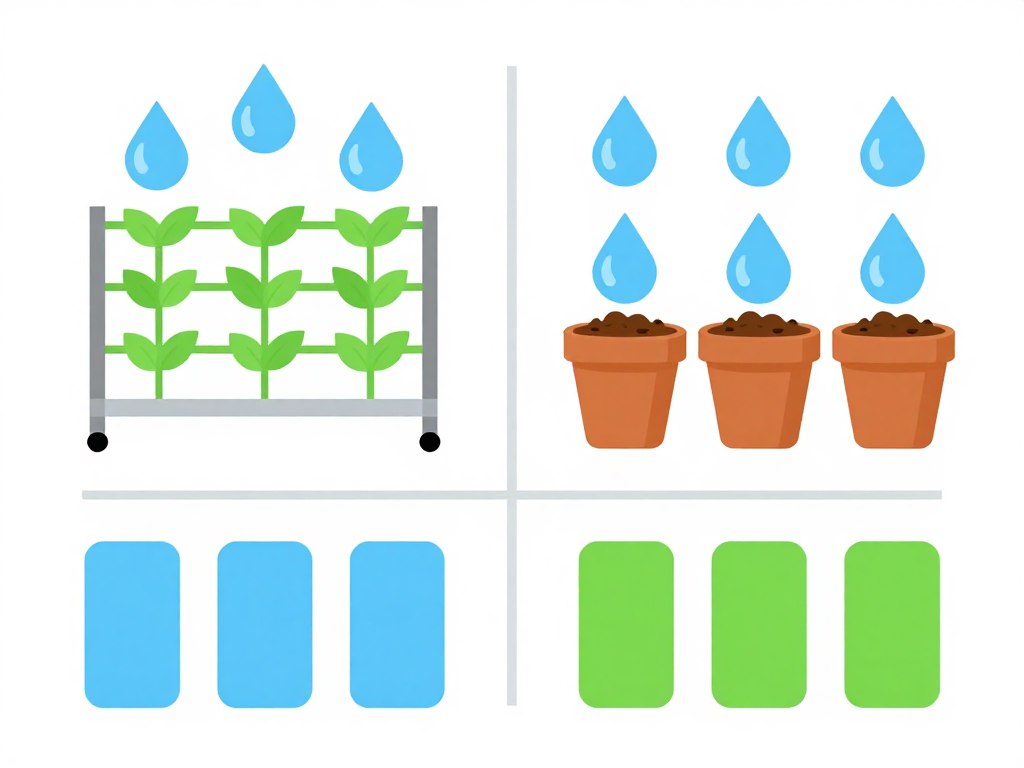
Hydroponic systems use 90% less water than traditional soil gardening. Closed-loop designs recirculate water continuously. You’ll refill a six-pod system with approximately one gallon every two weeks.
Water doesn’t evaporate or drain away like in soil pots. The efficiency matters tremendously for sustainability-focused gardeners and regions facing water restrictions. Over a year, hydroponics saves dozens of gallons compared to equivalent soil gardens.
Soil gardening requires more frequent watering. Evaporation from pot surfaces and drainage through soil increases consumption. A comparable six-pot soil herb garden needs watering two to three times weekly, using roughly one gallon per session.
Nutrient Delivery and Plant Health
Hydroponic herb kits provide precise control over nutrients. Pre-measured solutions deliver optimal mineral ratios formulated specifically for herb growth. Plants access nutrients immediately dissolved in water reaching root systems.
This direct delivery eliminates nutrient lockout problems common in soil. pH imbalances that prevent nutrient absorption become manageable through simple solution adjustments. Plant deficiencies appear quickly and correct rapidly with targeted nutrient additions.
Soil naturally contains many essential plant nutrients. Quality organic potting mixes include compost and minerals supporting initial growth. However, container soil depletes faster than ground soil. You’ll supplement with liquid or granular fertilizers every few weeks.
The soil microbiome offers unique benefits. Beneficial bacteria and fungi form symbiotic relationships with plant roots. These microorganisms enhance nutrient uptake and protect against certain diseases. This natural support system doesn’t exist in hydroponic environments.
Free Download: Complete Herb Growing Success Guide
Get our comprehensive 40-page guide covering both hydroponic and soil methods. Includes setup checklists, troubleshooting flowcharts, harvest timing calendars, and variety-specific growing tips.
Space Requirements and Environment Control
Footprint and Vertical Growing
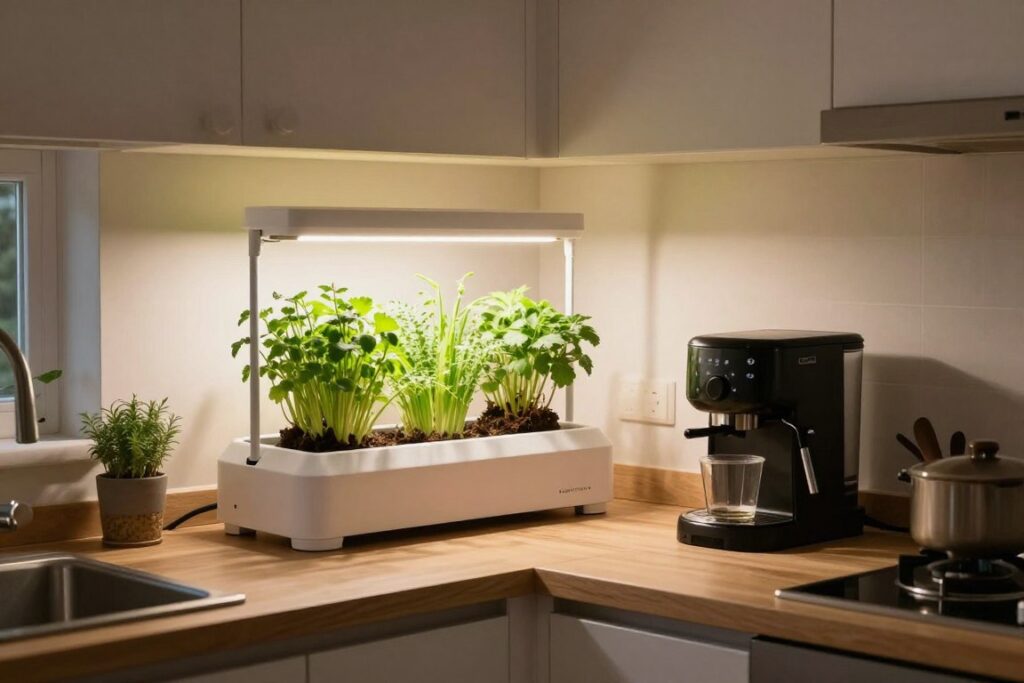
Hydroponic herb kits excel in space-constrained environments. Most countertop units occupy one to two square feet while supporting six to twelve plants. Vertical designs maximize productivity per square inch of counter space.
These systems integrate lighting into compact designs. You don’t need valuable window space or dedicate entire shelves to grow lights. A single outlet powers the complete growing environment anywhere in your home.
Soil herb gardens typically spread wider. Six individual pots arranged on a windowsill require three to four feet of linear space. Larger pots for mature plants increase this footprint. Clustering pots risks overcrowding and poor air circulation.
Environmental Control Advantages
Hydroponic systems create consistent conditions regardless of season. Built-in lights maintain optimal photoperiods year-round. Temperature-controlled water prevents root stress from cold winter windowsills or hot summer afternoons.
This control translates to predictable results. You’ll harvest basil in January as successfully as July. Climate and weather become irrelevant factors. Indoor gardening achieves greenhouse-quality growing environment without dedicated structures.
Soil gardens depend more heavily on ambient conditions. Window light varies seasonally. North-facing windows may never provide adequate illumination. You’ll supplement with separate grow lights or accept slower winter growth.
Temperature fluctuations affect soil moisture and plant growth rates. Cold windowsills slow root development. Hot, dry air increases watering frequency. Managing these variables requires more active attention than automated hydroponic conditions.
Pest and Disease Considerations
Hydroponics Reduces Pest Pressure
Hydroponic herb kits eliminate most common garden pests. Without soil, fungus gnats can’t establish populations. Aphids and spider mites rarely appear in properly maintained systems. The sterile growing environment naturally discourages infestations.
Water-based systems do face specific challenges. Algae growth in reservoirs exposed to light creates slimy conditions. Root rot threatens plants if water temperature rises above 72°F or oxygen levels drop. Regular cleaning prevents these issues.
Soil harbors various organisms, both beneficial and problematic. Fungus gnats lay eggs in moist potting mix. Their larvae damage young roots. Soil-borne pathogens like damping-off fungi threaten seedlings. Proper drainage and air circulation minimize risks.
Disease Prevention Strategies
Hydroponic disease prevention focuses on system hygiene. Monthly cleaning with diluted hydrogen peroxide eliminates algae and harmful bacteria. Maintaining proper water temperature and pH creates hostile conditions for pathogens.
When diseases occur in hydroponics, they spread rapidly through shared water. One infected plant threatens the entire system. Quick identification and removal of affected plants prevents wholesale losses.
Soil-grown herbs benefit from microbial diversity. Beneficial bacteria compete with pathogens for resources. Healthy soil creates resilient plants better able to resist diseases. Organic compost additions boost this natural defense system.
Which Method Suits Beginners Better?
Hydroponic Learning Curve
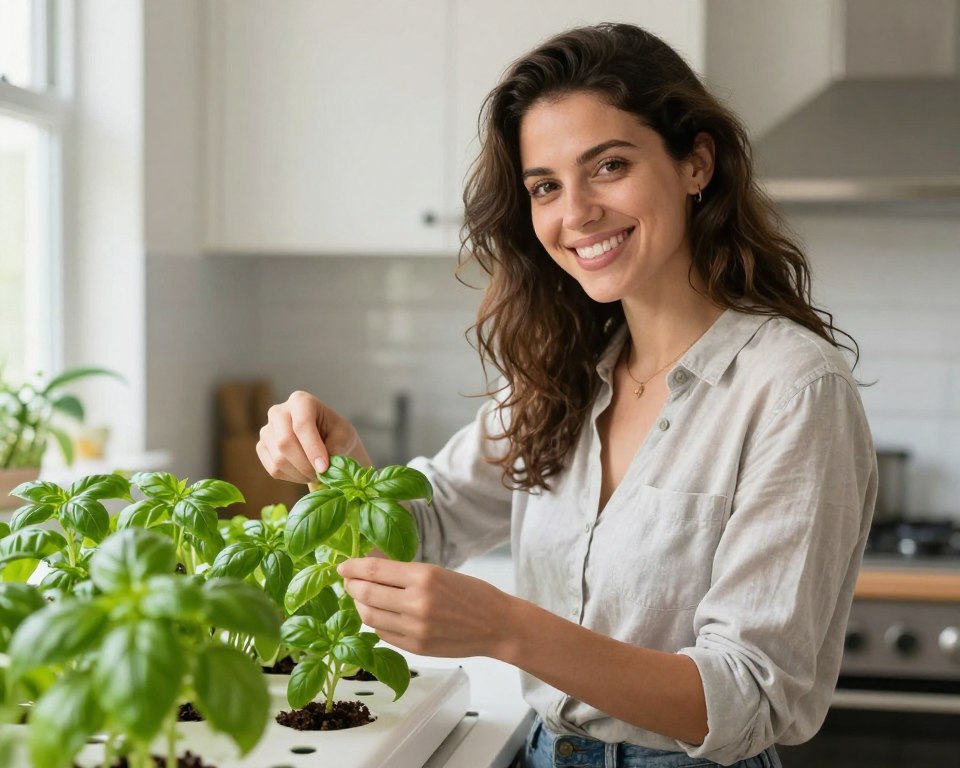
Modern hydroponic herb kits simplify the technology significantly. Many beginners successfully grow herbs with zero prior gardening experience. Clear instructions and smartphone app guidance walk you through setup and maintenance.
The initial concepts feel technical. Understanding nutrient concentrations and pH adjustments seems daunting at first. However, most systems include pre-measured nutrients eliminating guesswork. After one growing cycle, the process becomes second nature.
Troubleshooting hydroponic issues requires different knowledge than soil gardening. You’ll learn to recognize nutrient deficiency symptoms and adjust solutions accordingly. Most problems stem from water quality or incorrect nutrient mixing.
Soil Gardening Accessibility
Soil feels more intuitive for many beginners. Most people understand basic watering principles. You can touch and see soil moisture. Physical feedback helps develop watering judgment through direct observation.
The forgiving nature of soil prevents many beginner mistakes from becoming catastrophic. Overwatering once won’t necessarily kill plants if pots drain properly. Soil buffers pH swings and nutrient imbalances that would stress hydroponic plants.
However, soil success still requires knowledge development. New gardeners struggle with drainage issues, pest identification, and fertilizer application timing. These skills accumulate through trial, error, and observation over multiple growing seasons.
Long-Term Cost Analysis
Ongoing Expenses Breakdown
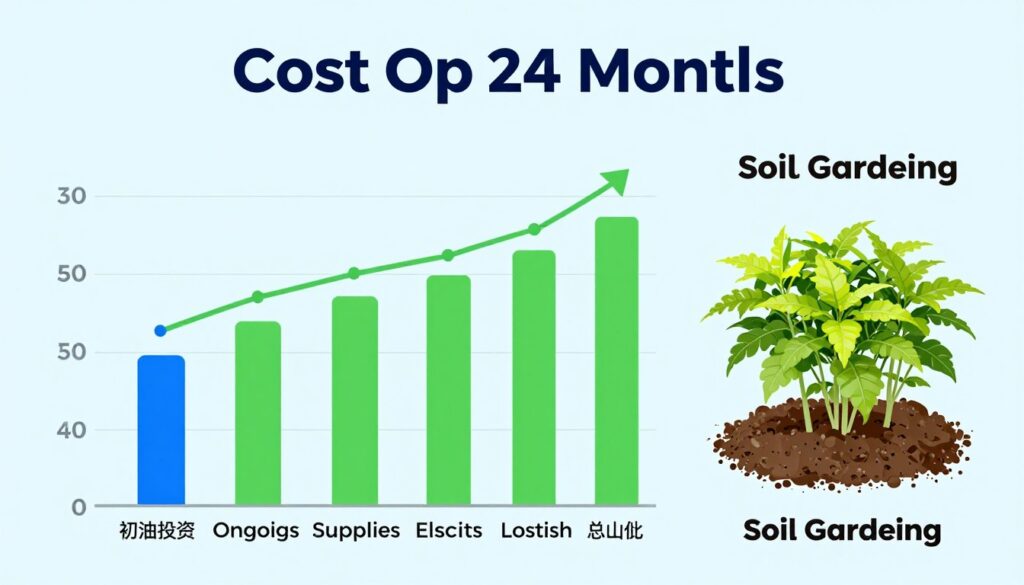
Hydroponic systems incur regular costs beyond initial purchase. Replacement seed pods cost $15-$25 per set depending on variety. Nutrient solutions run $10-$15 monthly for active systems. LED lights eventually need replacement after 20,000-30,000 hours of use.
Electricity consumption adds $3-$8 monthly to utility bills. A typical six-pod system draws 20-30 watts continuously. Running 16 hours daily totals approximately 10 kilowatt-hours monthly. Costs vary by local electricity rates.
Soil gardening requires fewer specialized supplies. Seeds cost $2-$4 per packet with dozens of plants worth included. Potting mix runs $8-$12 per large bag refreshing multiple pots. Organic fertilizers average $10-$15 monthly for active growing.
Return on Investment Comparison
Calculate savings by comparing home-grown herb costs against grocery store purchases. Fresh basil retails for $3-$4 per ounce. A productive hydroponic system generating four ounces monthly saves $12-$16 in grocery costs.
Break-even timing varies by usage intensity. Heavy herb consumers recoup hydroponic system costs within 8-12 months. Light users may take 18-24 months reaching break-even. Factor in convenience value and fresher ingredients beyond pure cost savings.
Soil gardens achieve positive return on investment faster due to lower startup costs. A $40 initial investment breaks even after 2-3 months of equivalent grocery store herb purchases. However, ongoing time investment and lower yields affect total value calculation.
Hydroponic Annual Costs
- Seed pods: $90-$150
- Nutrients: $120-$180
- Electricity: $36-$96
- Maintenance supplies: $30-$50
- Total: $276-$476/year
Soil Garden Annual Costs
- Seeds: $24-$48
- Potting mix: $30-$60
- Fertilizer: $60-$90
- Pots and tools: $20-$40
- Total: $134-$238/year
Best Herbs for Each Growing Method
Herbs That Thrive in Hydroponics
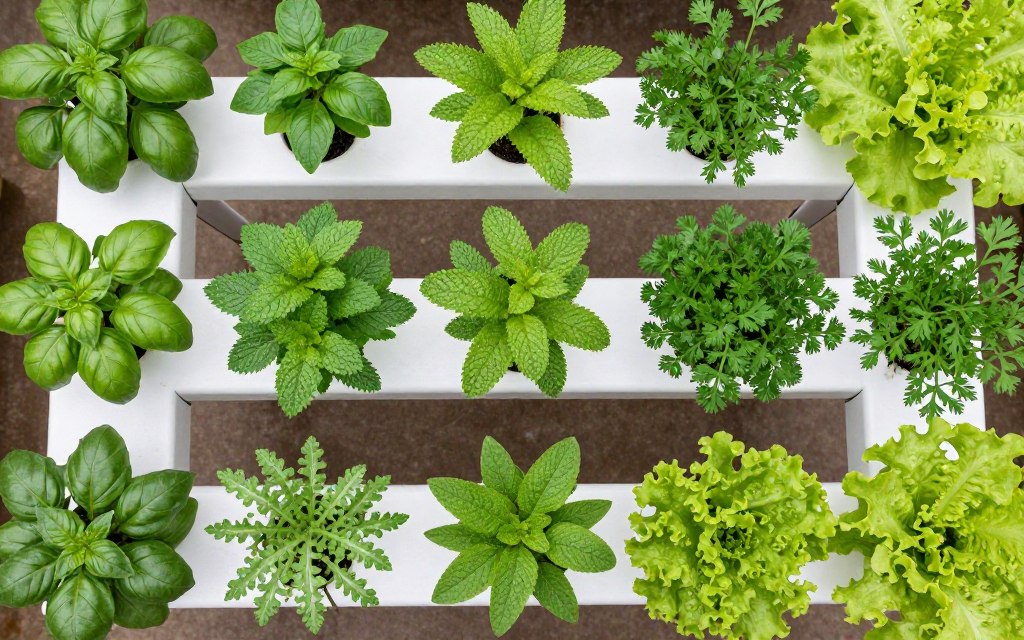
Basil tops the list for hydroponic success. Its vigorous growth and high water needs match perfectly with hydroponic systems. Genovese, Thai, and purple basil varieties all flourish. Expect continuous harvests for months from single plants.
Mint grows aggressively in hydroponics, sometimes too successfully. The contained environment prevents mint’s invasive spreading behavior problematic in soil gardens. Spearmint, peppermint, and chocolate mint produce abundant leaves for teas and cocktails.
Cilantro and parsley appreciate consistent moisture hydroponic systems provide. Both herbs bolt less frequently in controlled environments. Succession planting every three weeks maintains continuous supply since these herbs grow quickly but don’t regenerate after heavy harvesting.
Herbs Better Suited to Soil
Mediterranean herbs prefer soil cultivation. Rosemary, thyme, and oregano evolved in dry, rocky conditions. These herbs tolerate and even prefer periods between watering. Soil’s drainage characteristics match their native growing conditions better than constant water exposure.
Woody herbs develop stronger root systems in soil. Rosemary grows into substantial shrubs given adequate pot size and time. Thyme spreads creating aromatic ground cover. These long-lived perennials establish better in soil environments.
Lavender struggles in hydroponic systems. Its preference for dry conditions and excellent drainage makes soil the clear choice. French and English lavender varieties thrive in sandy, well-draining potting mixes with infrequent watering.
Flavor Profile and Culinary Quality
Taste Comparison Insights
Flavor differences between hydroponic and soil-grown herbs spark ongoing debate. Many chefs and home cooks detect subtle variations. However, growing conditions, harvest timing, and variety selection influence flavor more than growing medium alone.
Some tasters report soil-grown herbs possess more complex flavor profiles. The diverse microbial activity in soil may influence aromatic compound development. Basil sometimes exhibits more pronounced anise notes when soil-grown. Cilantro may develop deeper citrus undertones.
Hydroponic herbs often taste fresher and more intense at peak harvest. The rapid growth concentrates flavors in tender young leaves. Consistent conditions produce reliable taste batch after batch. For recipes requiring predictable herb flavor, hydroponics delivers consistency.
Nutritional Content Considerations
Studies show minimal nutritional differences between properly grown hydroponic and soil herbs. Both contain comparable vitamin and mineral levels when plants receive optimal nutrients. The key lies in nutrient solution completeness for hydroponics and soil quality for traditional growing.
Soil-grown herbs may contain slightly higher levels of certain trace minerals naturally present in organic potting mixes. However, well-formulated hydroponic nutrients can match or exceed these levels through precise supplementation.
Freshness impacts nutrition more than growing method. Herbs harvested minutes before use retain maximum nutritional value regardless of origin. Both methods provide this advantage over store-bought herbs that lose nutrients during transport and storage.
Environmental Impact and Sustainability
Carbon Footprint Analysis
Hydroponic systems consume electricity continuously. A typical six-pod unit drawing 25 watts uses approximately 146 kilowatt-hours annually. Carbon emissions depend on your regional power grid’s energy sources. Renewable energy reduces or eliminates this environmental cost.
Manufacturing impact differs between methods. Hydroponic systems require plastics, electronics, and LED components. Production creates environmental costs. However, these durable systems last 5-10 years, amortizing impact across extensive use.
Soil gardening has lower direct environmental impact. Terracotta pots and organic soil create minimal manufacturing footprint. No electricity consumption means zero operational emissions. The simplicity translates to reduced environmental burden.
Water Conservation Benefits
Hydroponics dramatically reduces water consumption compared to soil. The 90% water savings becomes crucial in drought-prone regions. One year of hydroponic herb growing saves approximately 50-80 gallons versus equivalent soil cultivation.
Both methods eliminate transportation emissions from grocery store herb purchases. Reducing food miles contributes meaningfully to sustainability goals. Fresh herbs at home mean fewer shopping trips and less packaging waste.
Nutrient runoff poses concerns with both methods. Hydroponic solutions shouldn’t drain into sewers. Proper disposal prevents environmental contamination. Similarly, soil fertilizer runoff affects water quality. Contained indoor growing minimizes these risks compared to outdoor agriculture.
Making Your Decision: Which Method Fits Your Lifestyle?
Choose Hydroponic Herb Kits If You
- Live in apartments or homes with limited natural light access
- Want faster results with minimal daily maintenance time
- Value consistent year-round herb production regardless of season
- Prioritize space efficiency and modern aesthetics in your kitchen
- Consume herbs frequently enough to justify higher upfront investment
- Prefer technology-assisted gardening with automated systems
- Focus on water conservation in drought-prone regions
- Want to avoid common soil-related pests and diseases
Choose Soil Gardening If You
- Work with limited budgets and want minimal startup costs
- Enjoy hands-on gardening and daily plant interaction
- Have adequate natural window light or outdoor space
- Prefer organic, traditional growing methods with natural cycles
- Want to grow Mediterranean herbs like rosemary and thyme
- Appreciate learning through direct observation and experience
- Don’t mind slightly longer growth periods for harvest
- Value the aesthetic of traditional potted plants in your home
The Hybrid Approach: Best of Both Worlds
Many experienced herb gardeners maintain both hydroponic and soil systems. This hybrid approach maximizes each method’s strengths while accommodating diverse herb varieties and growing preferences.
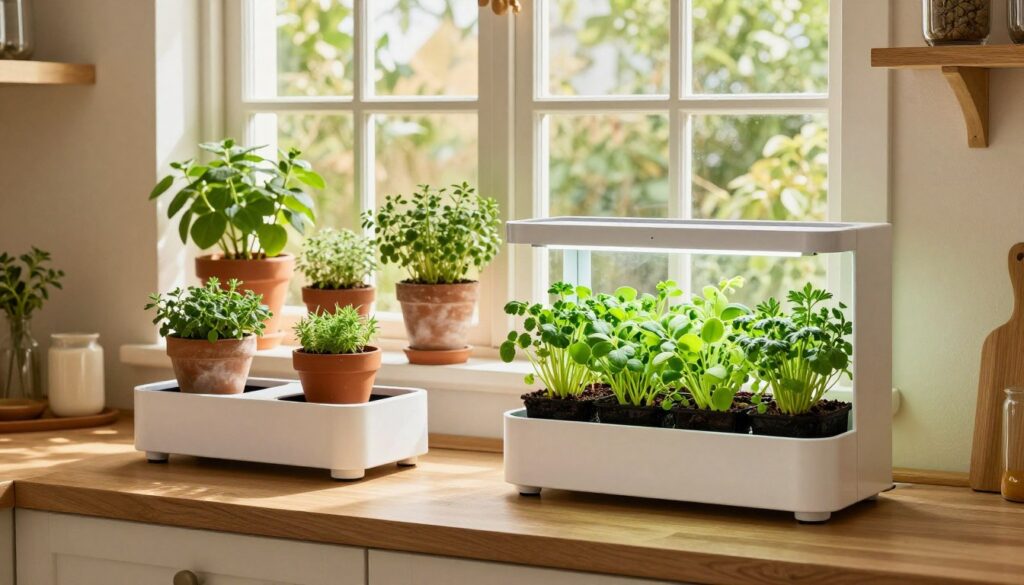
Use hydroponics for high-turnover leafy herbs like basil, cilantro, and parsley. The rapid growth and continuous harvests suit these culinary staples. Place a compact hydroponic system on your kitchen counter for convenient access during cooking.
Grow Mediterranean and woody herbs in soil. Rosemary, thyme, oregano, and lavender thrive in well-draining pots near sunny windows. These slower-growing perennials don’t require the rapid production hydroponics offers. Their drought tolerance makes occasional watering manageable.
This combination strategy spreads investment over time. Start with either method based on immediate priorities. Add the complementary system as experience grows and space allows. You’ll develop skills in both approaches while enjoying maximum herb variety.
Personalized Recommendations for Different Scenarios
Urban Apartment Dweller
Recommendation: Start with hydroponics
Limited space and potentially poor natural light make hydroponic herb kits ideal. The self-contained system fits compact kitchens while built-in lighting eliminates window dependency. Start with a 6-pod system focusing on basil, cilantro, and mint for maximum culinary versatility.
- Space efficiency critical in small apartments
- Automated care suits busy urban lifestyles
- Window access often limited in cities
Budget-Conscious Beginner
Recommendation: Start with soil
Minimize upfront investment while learning fundamental gardening principles. Purchase three to four quality pots, organic potting mix, and seeds for your favorite herbs. Place near the brightest window or invest in an inexpensive grow light if needed.
- Lower financial risk while exploring interest
- Develop foundational gardening skills
- Easy to scale gradually as confidence grows
Sustainability-Focused Home Chef
Recommendation: Hydroponics with solar consideration
Maximize water efficiency and year-round production while minimizing environmental impact. Choose a quality hydroponic system and offset electricity with renewable energy if available. The dramatic water savings and elimination of transportation emissions align with sustainability values.
- 90% water savings versus soil growing
- Zero food miles for home-grown herbs
- Consistent supply reduces packaging waste
Final Thoughts: Growing Your Perfect Herb Garden
The choice between hydroponic herb kits and soil ultimately depends on your specific circumstances. Neither method universally surpasses the other. Success comes from matching growing method to your lifestyle, space, budget, and gardening goals.
Hydroponic systems excel in space-limited environments with automation preferences. The higher upfront cost pays dividends through faster growth, consistent yields, and minimal daily maintenance. Technology enthusiasts and busy professionals appreciate the convenience.
Soil gardening offers accessible entry points for beginners and budget-conscious growers. The traditional approach teaches fundamental skills while producing satisfying results. Those with adequate natural light and more flexible schedules may prefer hands-on engagement.
Consider starting with whichever method addresses your primary constraint. Limited space suggests hydroponics. Tight budget points toward soil. No natural light requires hydroponics. Preference for organic methods favors soil. Your unique situation guides the optimal decision.
Remember that growing herbs at home—regardless of method—enhances your cooking and connects you with food sources. The fresh flavors and satisfaction of harvesting your own herbs transcend the growing medium. Choose the path that feels right, start growing, and adjust based on experience.
Ready to Start Growing Fresh Herbs at Home?
Whether you choose hydroponics or soil, we’re here to support your growing journey with expert guidance, product recommendations, and ongoing tips.
Get Started Today
- Download our free 40-page growing guide
- Browse our curated product recommendations
- Join 15,000+ home herb gardeners in our community
- Receive weekly growing tips and seasonal advice
Join Our Growers Community
Get exclusive access to growing guides, troubleshooting help, and seasonal planting calendars. Plus, members-only discounts on recommended products.