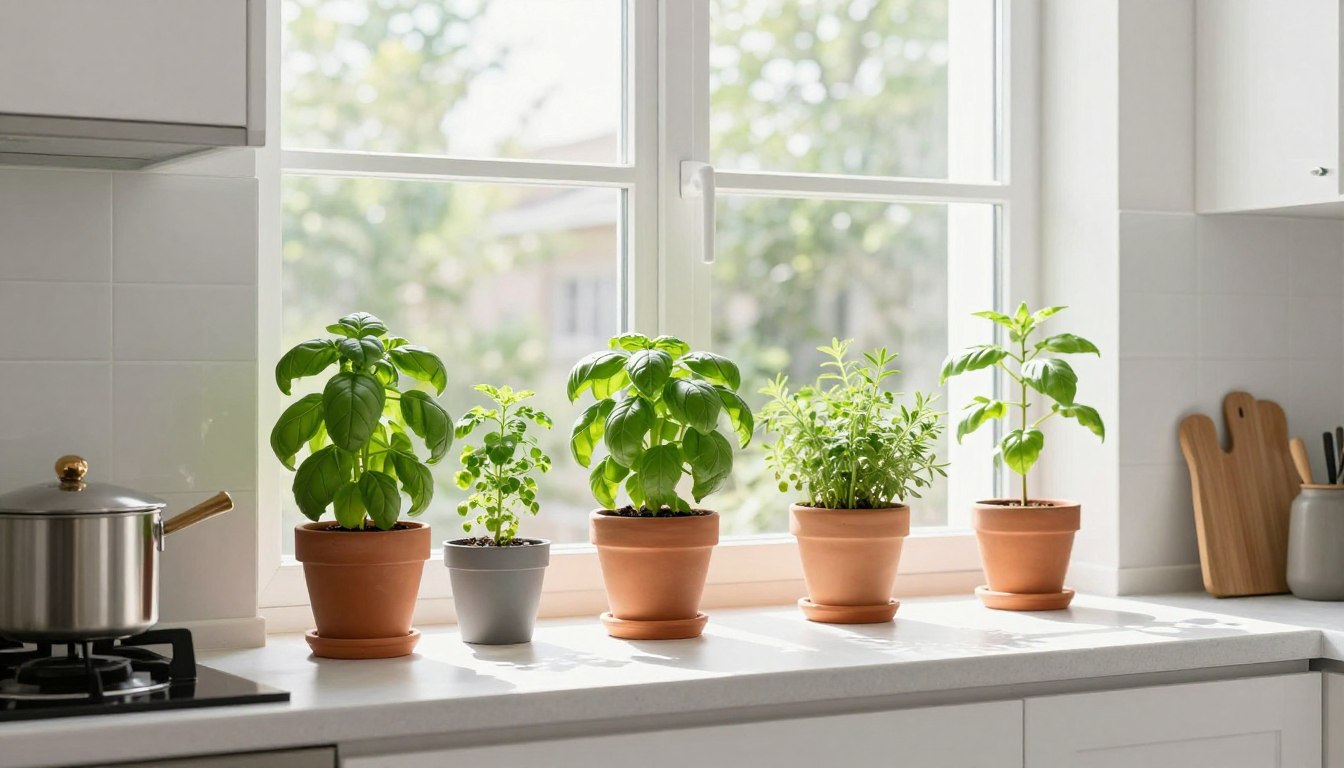
You don’t need a sprawling garden or even a tiny balcony to enjoy fresh herbs at your fingertips. Thousands of apartment dwellers and small-space homeowners are discovering that indoor herb gardening without a balcony is not only possible but incredibly rewarding. Whether you live in a studio apartment with limited windows or a cozy home without outdoor access, you can transform any corner into a thriving herb garden.
Fresh herbs elevate every meal. They cost a fraction of store-bought packages when grown at home. Best of all, they bring life, fragrance, and natural beauty into your living space. This comprehensive guide will walk you through everything you need to know to successfully grow herbs indoors, from selecting the right plants to optimizing your space and light conditions.
Why Indoor Herb Gardening Without a Balcony Works Perfectly
Many people assume that growing herbs requires outdoor space. The truth is that most popular culinary herbs actually thrive indoors when given proper care. Herbs have shallow root systems compared to other plants. They adapt well to container life and don’t demand extensive square footage.
Indoor growing offers several advantages over outdoor gardening. You control the environment completely. No unexpected frost will damage your plants. Pests stay minimal. You can harvest fresh herbs any time of year, even during winter months when outdoor gardens lie dormant.
Benefits of Indoor Herb Growing
- Year-round fresh herb harvest regardless of season
- Complete control over growing conditions and environment
- Minimal pest problems compared to outdoor gardens
- Significant cost savings versus buying fresh herbs
- Improved indoor air quality and natural aromatherapy
- Educational and therapeutic gardening experience
Challenges to Consider
- Requires attention to light conditions and placement
- Need for proper watering schedule and drainage
- Limited space may restrict number of herbs grown
- Initial investment in containers and growing supplies
- Learning curve for first-time indoor gardeners
The benefits far outweigh the challenges. With the right approach, anyone can create a productive indoor herb garden. Your apartment, condo, or small home becomes your personal farm. No balcony required.
Start Your Indoor Herb Garden Today
Get our free Indoor Herb Growing Checklist designed specifically for small spaces and apartment living. This comprehensive guide includes everything you need: herb selection tips, container recommendations, watering schedules, and troubleshooting advice. Join thousands of successful indoor gardeners.
Best Herbs for Indoor Herb Gardening Without a Balcony
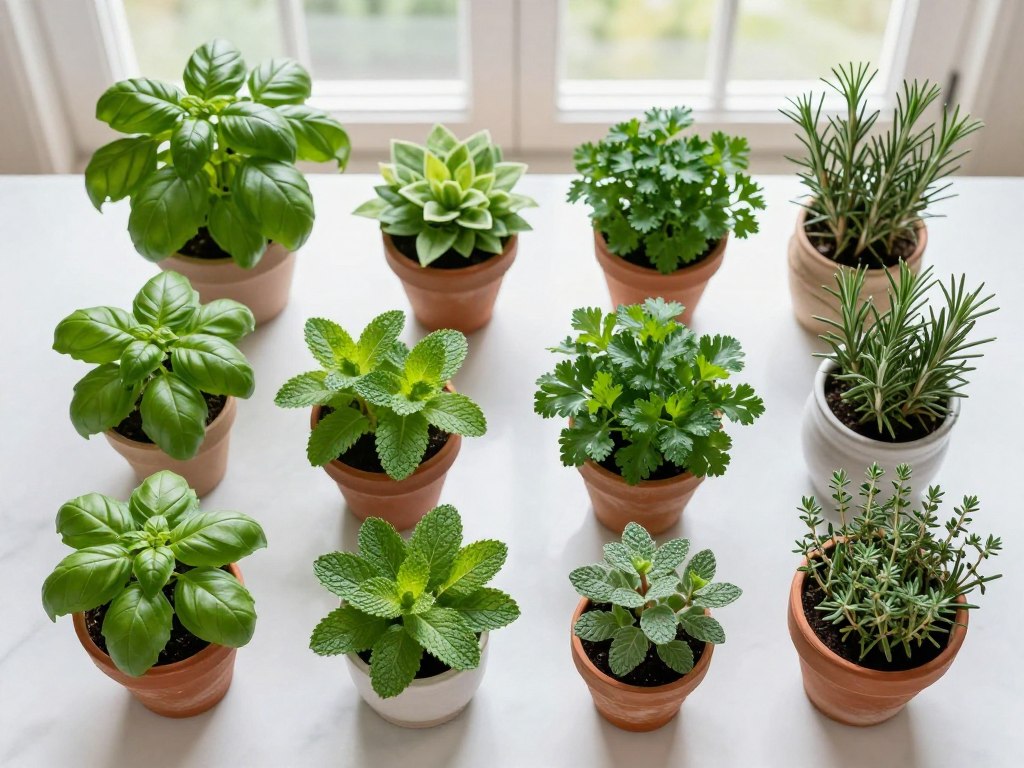
Not all herbs perform equally well indoors. Some varieties demand full sun and extensive root space. Others adapt beautifully to container life with moderate light. Focus on these proven winners for your first indoor herb garden.
Easy Herbs Perfect for Beginners
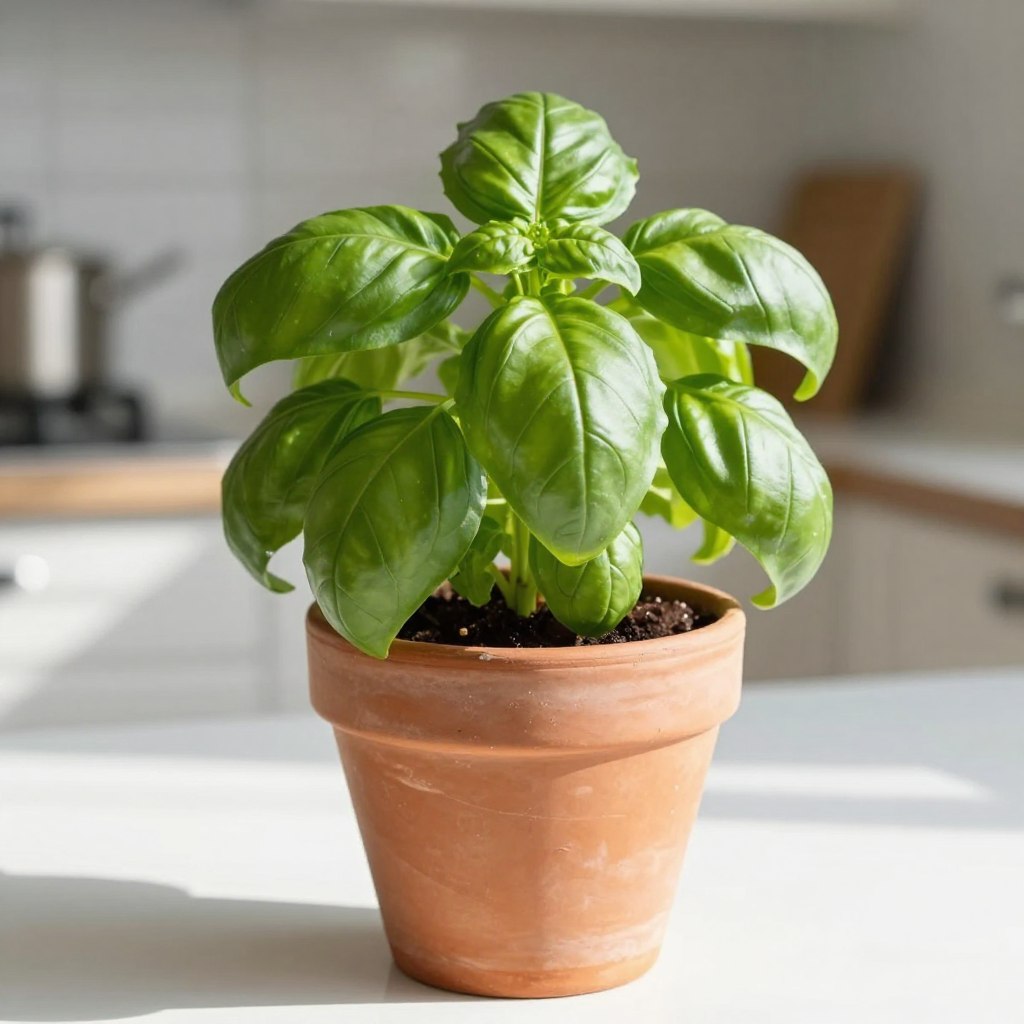
Basil tops every indoor gardener’s list. This aromatic herb grows quickly and produces abundant leaves. Sweet basil works wonderfully for Italian dishes. Thai basil adds exotic flavor to Asian cuisine. Pinch off flower buds regularly to encourage leaf production. Basil loves warmth and bright light but tolerates typical indoor conditions remarkably well.
Mint grows enthusiastically in any conditions. In fact, mint grows so vigorously that most gardeners keep it contained in its own pot. Spearmint and peppermint both thrive indoors. Fresh mint transforms teas, cocktails, salads, and desserts. This herb tolerates lower light better than most. Keep the soil consistently moist for best results.
Chives require minimal attention and bounce back quickly after harvesting. These onion-flavored greens add punch to eggs, potatoes, soups, and salads. Chives tolerate cooler temperatures better than many herbs. They grow in small clumps that fit perfectly on windowsills. Simply snip what you need with scissors.
Herbs That Thrive in Lower Light
Parsley adapts well to partial shade conditions. Both flat-leaf and curly varieties grow successfully indoors. This biennial herb provides fresh leaves for two full years before flowering. Parsley takes longer to germinate from seed than other herbs. Many gardeners prefer starting with nursery plants.
Cilantro prefers cooler conditions and actually benefits from less intense light. Hot temperatures and strong sun cause cilantro to bolt quickly. Indoor growing extends your harvest considerably. Plant new seeds every few weeks for continuous supply. This herb grows fast and matures in just 6 to 8 weeks.
Pro Tip: Start with three to five herb varieties for your first indoor garden. Master these before expanding your collection. Choose herbs you actually cook with regularly to maximize the value of your efforts.
Mediterranean Herbs for Sunny Spots
Rosemary needs bright light but rewards you with year-round harvests. This woody perennial herb brings robust flavor to roasted meats and vegetables. Rosemary prefers drier soil between waterings. The plant grows slowly but lives for many years with proper care.
Oregano and thyme share similar growing requirements. Both Mediterranean natives love sun and tolerate dry conditions. These compact herbs fit easily on windowsills. Their intense flavors mean a little goes a long way in recipes. Harvest regularly to keep plants bushy and productive.
Sage develops beautiful silvery-green leaves that smell wonderful. This herb needs good drainage and moderate watering. Sage grows larger than many herbs so choose a container at least 8 inches deep. Fresh sage transforms poultry dishes and autumn recipes.
Basil
- Light: Bright indirect light, 4-6 hours daily
- Water: Keep soil consistently moist
- Harvest: Pinch stems regularly above leaf nodes
- Best for: Italian cooking, pesto, caprese salads
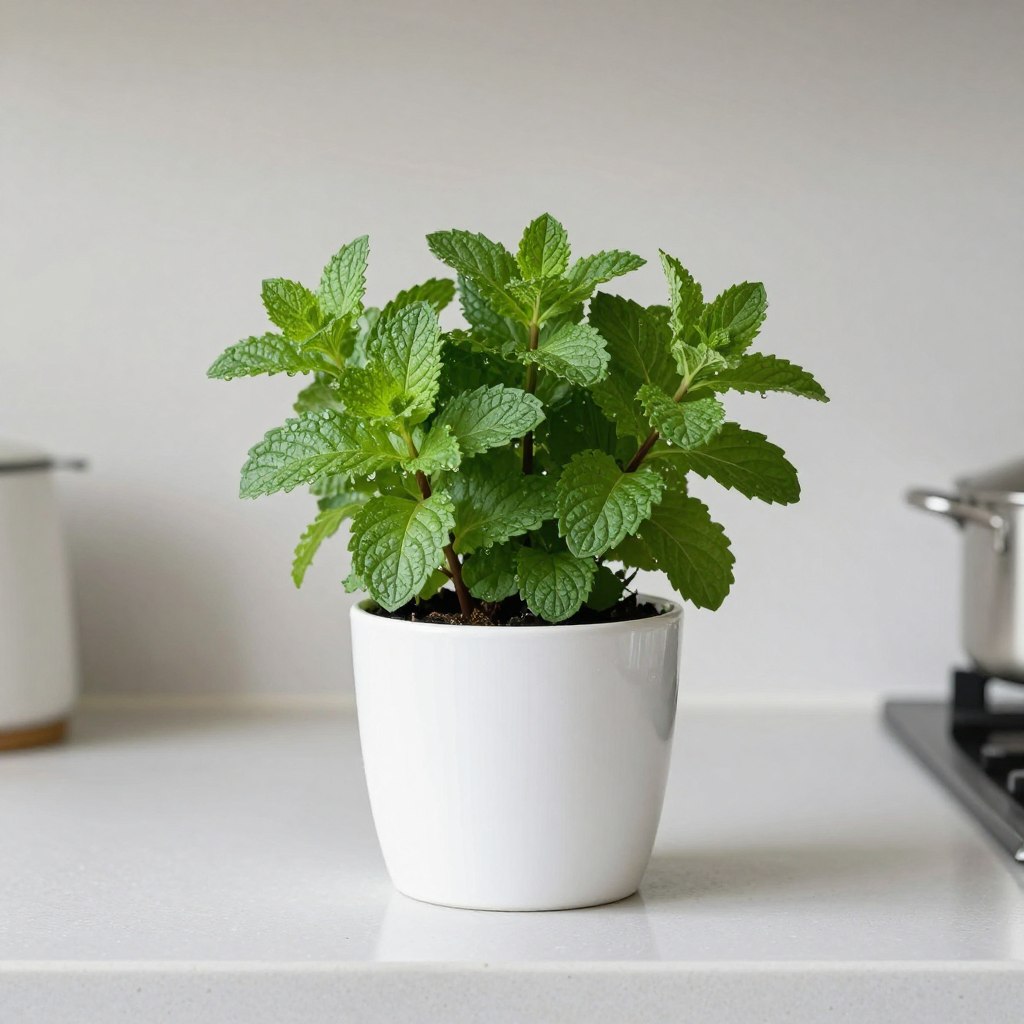
Mint
- Light: Moderate to bright indirect light
- Water: Keep soil moist, tolerates wet conditions
- Harvest: Cut stems as needed, grows back quickly
- Best for: Teas, mojitos, lamb dishes, fruit salads
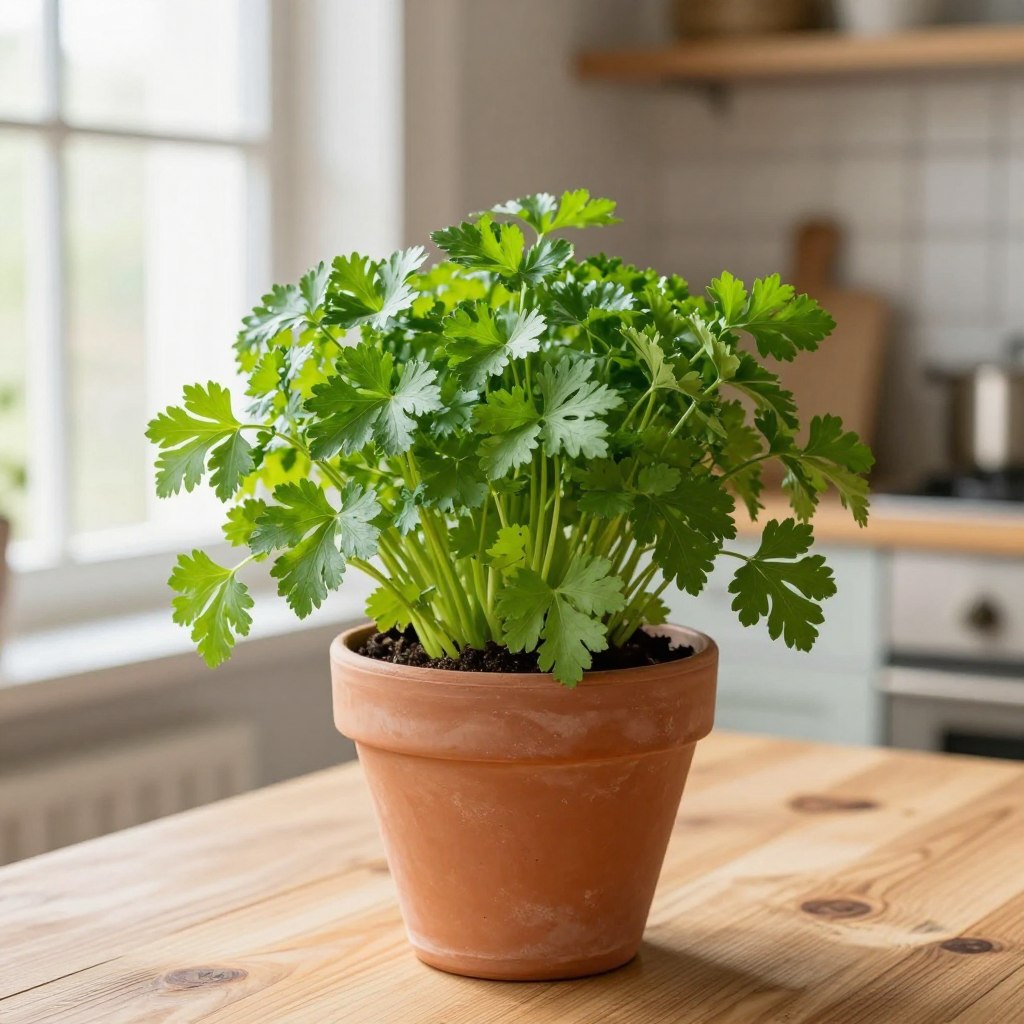
Parsley
- Light: Partial shade to bright indirect light
- Water: Keep evenly moist, not waterlogged
- Harvest: Cut outer stems first, allow center to grow
- Best for: Tabbouleh, garnishes, chimichurri sauce
Optimizing Light for Indoor Herb Gardening Without a Balcony
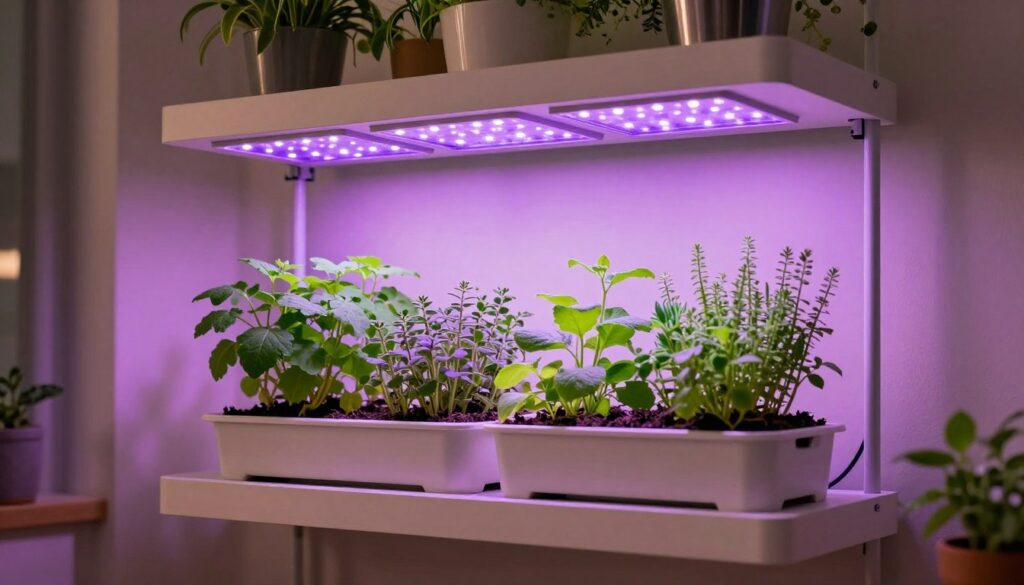
Light determines success more than any other factor in indoor herb gardening. Most culinary herbs need 4 to 6 hours of direct sunlight daily. Mediterranean herbs like rosemary and oregano prefer even more. Without sufficient light, plants become leggy and weak with diminished flavor.
Maximizing Natural Window Light
South-facing windows provide the strongest and most consistent light in the Northern Hemisphere. These prime spots work best for sun-loving herbs. East-facing windows offer gentler morning sun perfect for herbs that tolerate partial shade. West-facing windows get hot afternoon sun. North-facing windows receive the least direct light.
Place herbs as close to windows as possible. Light intensity drops dramatically with distance. Even 2 feet back from a window reduces available light by 50 percent or more. Rotate pots regularly so all sides receive equal exposure. This prevents plants from leaning toward light sources.
Keep windows clean to maximize light transmission. Dirty glass blocks significant amounts of sunlight. Remove window screens during winter months when herbs need every bit of available light. White walls and reflective surfaces near windows bounce light back toward plants.
Grow Lights Transform Dark Spaces
Supplemental lighting opens up endless possibilities for indoor herb gardens. Modern LED grow lights consume minimal electricity while providing optimal light spectrum for plant growth. You can successfully grow herbs in rooms with no windows at all using artificial light.
Full-spectrum LED lights work best for herbs. Look for lights that provide both blue spectrum for leafy growth and red spectrum for overall health. Position lights 6 to 12 inches above plant tops. Too close causes heat stress. Too far reduces effectiveness.
Run grow lights for 12 to 16 hours daily to mimic summer day length. Use an automatic timer for consistency. Plants need darkness too, so don’t leave lights on 24 hours. Many gardeners run lights during work hours, turning them off in the evening when home to enjoy plants without glare.
Light Intensity Guide: Bright light means you can barely hold your hand in the light for more than a few minutes. Moderate light lets you comfortably read a book. Low light means you’d need artificial light to read clearly. Measure light levels at plant height, not by how bright a room appears to your eyes.
Recommended Growing Equipment
Full-Spectrum LED Grow Light
- Energy-efficient LED technology
- Adjustable height for growing plants
- Full spectrum for all growth stages
- Covers up to 4 square feet
- Timer function included
Perfect for windowless spaces or supplementing natural light during short winter days. This grow light supports healthy herb growth year-round.
Multi-Tier Plant Stand with Lights
- Three-tier space-saving design
- Built-in LED grow lights per shelf
- Holds up to 12 herb containers
- Powder-coated metal frame
- Easy assembly required
Maximize vertical space in apartments. This stand creates a complete indoor herb garden station in any corner of your home.
Clip-On Grow Light
- Flexible gooseneck design
- Clips to shelves or tables
- Three color modes and dimming
- USB powered for convenience
- Auto on/off timer
Ideal for small herb gardens on desks or counters. Provides focused light exactly where needed without taking up counter space.
Choosing Containers and Soil for Your Herb Garden
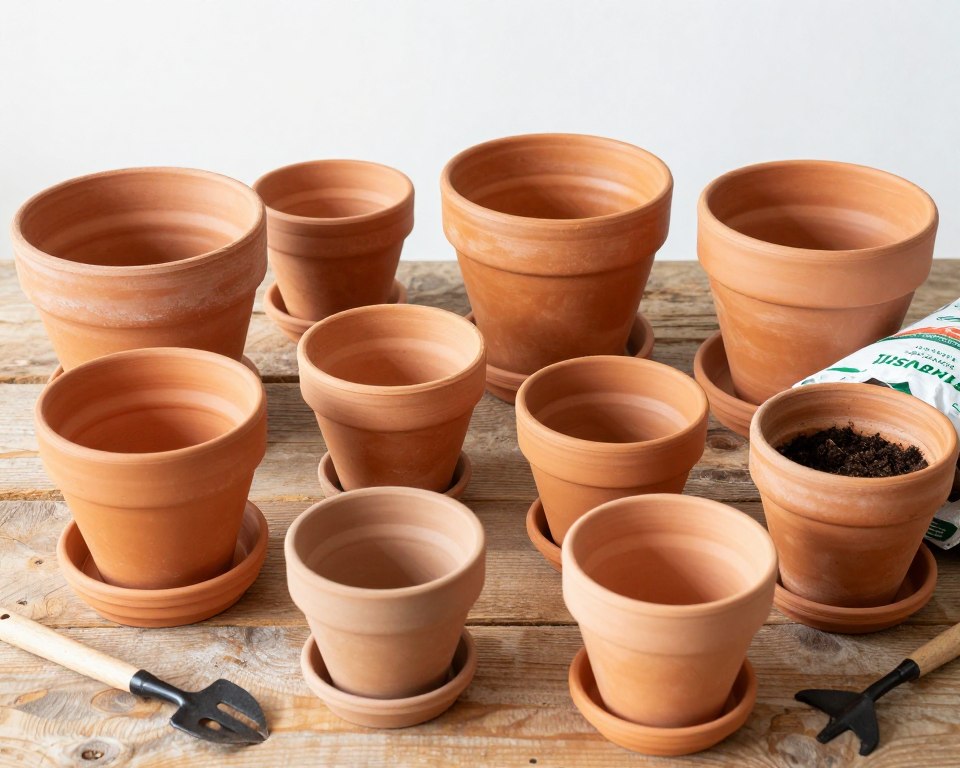
The right container makes a significant difference in plant health. Herbs need sufficient root space combined with excellent drainage. Poor drainage kills more indoor herbs than any other problem. Water that sits in soggy soil suffocates roots and promotes disease.
Container Selection Guidelines
Most herbs thrive in containers 6 to 8 inches deep. Herbs from the mint family have shallow roots and manage well in smaller pots. Herbs like cilantro, dill, and parsley develop longer taproots. These plants need containers at least 10 to 12 inches deep for best results.
Drainage holes are absolutely essential. Every container must allow excess water to escape. Without drainage, even careful watering eventually leads to root rot. If you fall in love with a pot without holes, use it as a decorative outer sleeve for a properly draining inner pot.
Terra cotta pots offer excellent breathability. The porous clay allows air exchange and helps prevent overwatering. These classic containers work beautifully for Mediterranean herbs that prefer drier conditions. Terra cotta dries out faster than plastic, so moisture-loving herbs may need more frequent watering.
Ceramic and glazed pots retain moisture longer than terra cotta. They come in gorgeous colors and patterns that enhance your home decor. Make sure glazed pots include drainage holes. Heavy ceramic containers stay put, which helps for larger herbs or high-traffic areas.
Plastic containers offer lightweight convenience and affordability. Modern designs look surprisingly attractive. Plastic retains moisture well, reducing watering frequency. This material works perfectly for herbs like basil and mint that enjoy consistent moisture. Choose food-grade plastic to avoid chemical concerns.
The Perfect Potting Mix
Never use garden soil for container herbs. Garden soil compacts in pots, restricting root growth and preventing proper drainage. Always choose high-quality potting mix formulated specifically for containers. These products contain ingredients that stay loose and drain freely.
Good potting mix combines several components. Peat moss or coconut coir provides moisture retention. Perlite or vermiculite adds drainage and prevents compaction. Compost contributes nutrients. Some mixes include slow-release fertilizers to feed plants for several months.
Mediterranean herbs benefit from extra drainage. Mix coarse sand or additional perlite into potting soil at a ratio of one part sand to three parts potting mix. This creates the well-draining environment that rosemary, oregano, thyme, and sage prefer. Let soil dry somewhat between waterings for these herbs.
Container Features to Look For
- Drainage holes in bottom (mandatory)
- Matching saucer to catch excess water
- Appropriate depth for herb root systems
- Material suitable for indoor use
- Size proportional to plant mature size
- Stable base that won’t tip easily
Potting Mix Requirements
- Labeled for container use, not garden beds
- Lightweight and well-draining formula
- Contains organic matter for nutrients
- Includes perlite or vermiculite
- pH balanced around 6.0 to 7.0
- Free from weed seeds and pathogens
Refresh potting soil annually for perennial herbs. Over time, organic matter breaks down and drainage decreases. Simply remove the herb, shake off old soil, and repot in fresh mix. This rejuvenates growth and prevents problems. For annual herbs that complete their life cycle in one season, fresh soil happens naturally when replanting.
Mastering Watering and Humidity Management
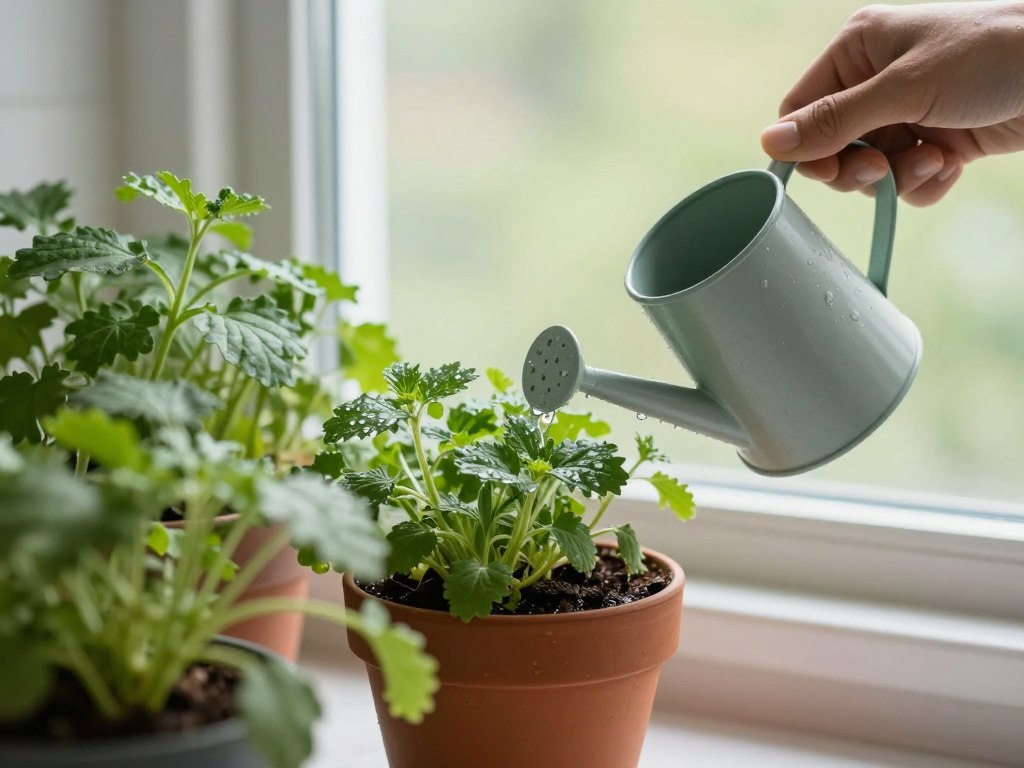
Watering causes more problems for indoor gardeners than any other care aspect. Too much water drowns roots. Too little water stresses plants. Finding the right balance takes practice and attention. Each herb species has slightly different preferences to learn over time.
When and How to Water
Check soil moisture before watering every single time. Stick your finger into the soil up to the first knuckle. If soil feels dry at that depth, water thoroughly. If moisture remains, wait another day. This simple test prevents both overwatering and underwatering.
Water until excess runs out drainage holes into the saucer. This ensures the entire root ball receives moisture. Empty saucers after 15 minutes. Never let pots sit in standing water. Roots need air as much as moisture. Waterlogged soil drives out oxygen and promotes rot.
Most herbs prefer soil that dries slightly between waterings. Basil and mint tolerate more consistent moisture. Mediterranean herbs like rosemary, thyme, and oregano prefer their soil to dry out more between waterings. Adjust your schedule to match plant needs rather than following a rigid calendar.
Smaller containers dry out faster than large pots. Terra cotta dries quicker than plastic or ceramic. Plants actively growing in summer need more water than dormant plants in winter. Light levels affect water consumption too. Herbs under grow lights may need daily watering while windowsill herbs need water every few days.
Humidity Considerations
Most homes maintain humidity levels between 30 and 50 percent. This works fine for many herbs. Some herbs, especially basil and cilantro, appreciate slightly higher humidity. Very dry air causes leaf edges to brown and plants to wilt more quickly.
Group herbs together to create a microclimate with higher humidity. Plants naturally release moisture through transpiration. Clustering pots helps each plant benefit from neighbors. Place a tray filled with pebbles and water beneath herb pots. As water evaporates, humidity increases around plants. Keep water level below pot bottoms to avoid soggy roots.
Avoid placing herbs directly next to heating vents or radiators. Hot, dry air desiccates plants quickly. Choose locations with stable temperature and moderate air circulation. Too much air movement, like from fans or air conditioning vents aimed directly at plants, increases water needs dramatically.
Common Watering Mistakes: Setting a rigid watering schedule regardless of plant needs. Watering in small sips instead of thoroughly soaking the soil. Leaving excess water in saucers. Using cold water straight from the tap. Watering in the evening when moisture sits overnight. Pay attention to individual plant signals instead of following arbitrary rules.
Creative Space-Saving Solutions for Apartment Herb Gardens
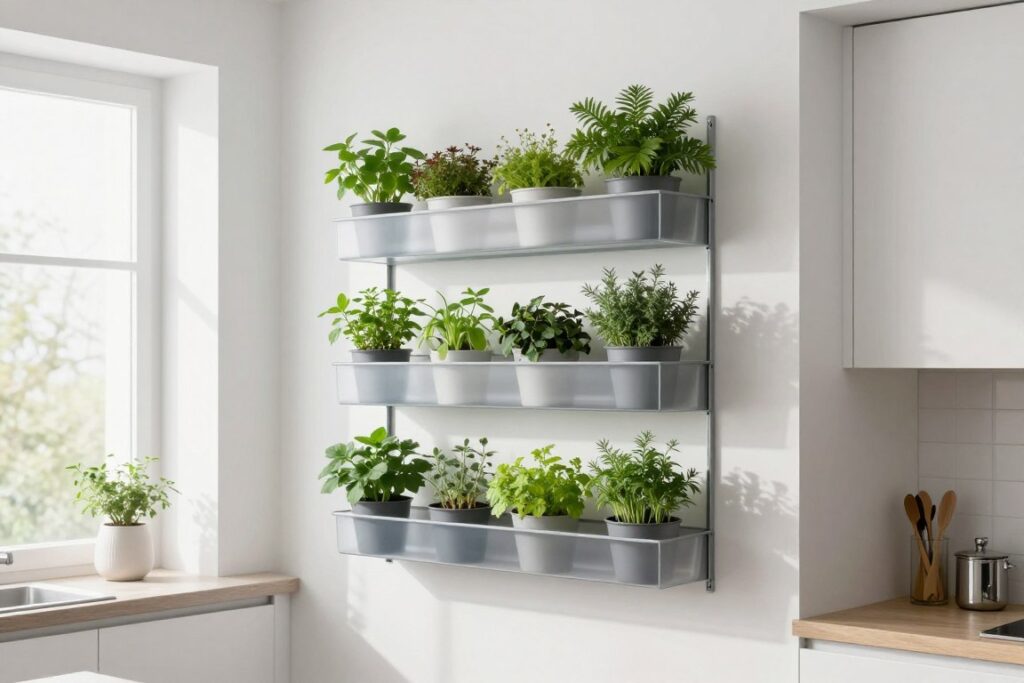
Limited space doesn’t limit your herb garden potential. Vertical growing, strategic placement, and multi-purpose furniture transform even the smallest apartment into a productive growing area. Think creatively about unused spaces throughout your home.
Vertical Growing Systems
Wall-mounted planters maximize vertical space without consuming floor or counter area. Install floating shelves at varying heights near windows. Stagger shelf depths to allow light to reach plants on lower levels. Use the space above counters, alongside doorways, or in dead corner spaces.
Hanging planters work beautifully for trailing herbs like mint or compact varieties like chives. Install ceiling hooks or use over-the-door hanging systems. This approach keeps herbs at eye level for easy harvesting while freeing up valuable surface space below. Choose lightweight pots for safety.
Tiered plant stands create instant garden space from a small footprint. Three-tier stands typically measure about 2 feet square but provide space for 9 to 12 pots. Place stands near windows or under grow lights. The vertical arrangement allows multiple herbs to share the same light source efficiently.
Windowsill Gardens
Window boxes designed for indoor use maximize prime growing real estate. These long, narrow planters fit perfectly on windowsills. Plant multiple herb varieties in a single window box. Choose compact herbs or those you use most frequently. Window boxes with built-in water reservoirs reduce watering frequency.
Wide windowsills become mini herb gardens. Arrange individual pots in rows or clusters. Use all available sill space in bright windows. Consider installing shelf brackets to extend windowsill depth if needed. This simple modification dramatically increases planting area.
Multi-Purpose Furniture Solutions
Rolling carts serve double duty as mobile herb gardens. Position the cart near windows during the day. Roll it to the dinner table for harvest time. Use the top surface for herbs and lower shelves for supplies, cookbooks, or decorative elements. This flexibility works perfectly in small spaces with changing light conditions.
Repurpose bookcase shelves into herb gardens. Remove books from one or two shelves near windows. Add grow lights underneath upper shelves to illuminate plants below. This transforms unused furniture into productive growing space. Paint the interior white to reflect maximum light.
Best Spaces for Indoor Herbs
- Kitchen windowsills near sink for easy watering
- Unused corners with supplemental grow lights
- Wall space beside bright windows
- Top of refrigerator if room is bright
- Bathroom windowsills for moisture-loving herbs
- Entry areas with good natural light
Spaces to Avoid
- Next to heating or cooling vents
- Rooms without any natural light
- Areas with extreme temperature fluctuations
- Spots where pets might knock over plants
- High-traffic areas prone to bumping
- Dark hallways or closets without lights
Start Growing with Quality Seeds
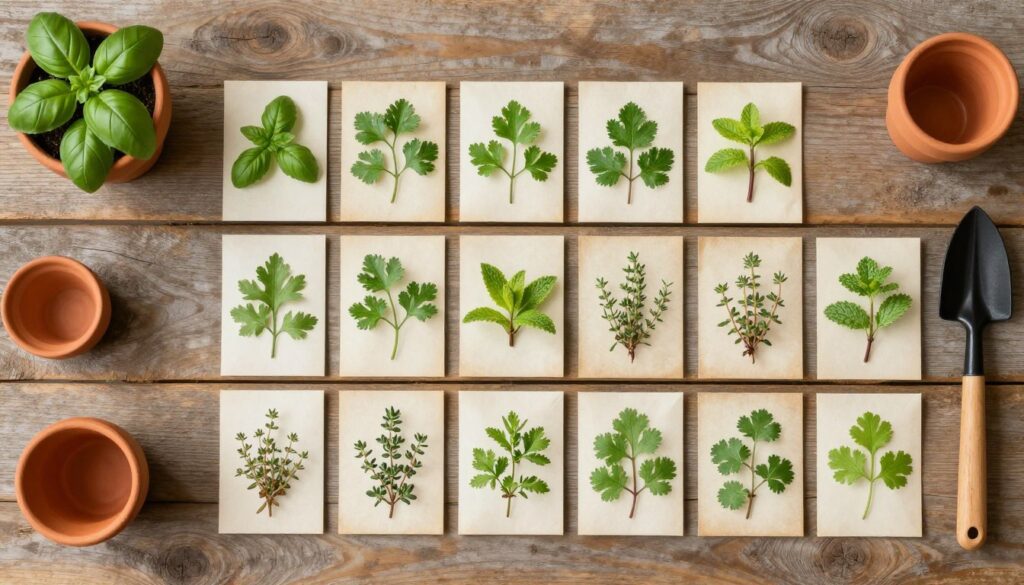
Beginner’s Herb Seed Collection
Start your indoor herb garden with confidence using our specially curated seed collection. This kit includes 10 varieties of the most popular and easiest-to-grow herbs for indoor conditions.
What’s Included:
- Sweet Basil – Italian cuisine essential
- Parsley – Both flat-leaf and curly varieties
- Cilantro – Fresh and flavorful for Mexican dishes
- Chives – Mild onion flavor for any meal
- Thyme – Classic Mediterranean herb
- Oregano – Pizza and pasta must-have
- Mint – Perfect for beverages and desserts
- Dill – Delicate flavor for fish and salads
- Sage – Aromatic herb for autumn cooking
- Rosemary – Robust flavor for roasted dishes
Bonus: Each seed packet includes detailed growing instructions specific to indoor conditions. All seeds are certified organic, non-GMO, and tested for high germination rates. Perfect for beginners and experienced gardeners alike.
Planting and Ongoing Maintenance Tips
Successfully establishing your indoor herb garden requires attention during the planting process and consistent care as plants grow. These practices set the foundation for productive herbs that supply fresh flavor for months or years.
Starting from Seeds or Plants
Nursery plants provide the fastest route to harvest. Transplant store-bought herbs into appropriately sized containers with fresh potting mix. Gently separate root-bound plants before potting. Water thoroughly after transplanting. Most herbs recover quickly from transplant shock indoors.
Growing from seed costs less and offers more variety options. Sow seeds according to packet directions. Keep soil consistently moist until germination. Cover containers with plastic wrap to maintain humidity during germination. Most herb seeds sprout within 7 to 14 days. Remove covering once seedlings emerge.
Thin seedlings when they develop two sets of true leaves. Remove weaker seedlings to give remaining plants adequate space. Crowded herbs compete for light, water, and nutrients. Proper spacing prevents disease and produces stronger plants. Transplant thinned seedlings into their own pots if desired.
Regular Maintenance Tasks
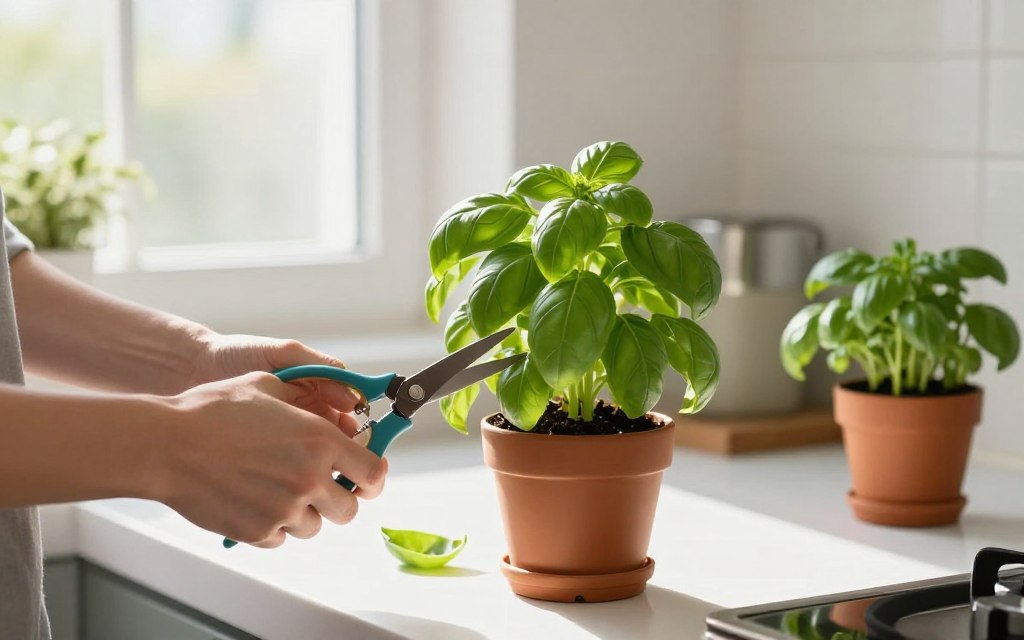
Harvest herbs frequently to encourage bushy growth. Pinch stem tips above leaf nodes. This triggers the plant to branch and produce more leaves. Never harvest more than one-third of the plant at one time. Allow cut stems to regrow before harvesting again from the same area.
Remove flower buds immediately when they appear. Most herbs focus energy on seed production once flowering begins. This reduces leaf quality and quantity. Pinching off flowers extends the productive harvest season dramatically. Basil especially benefits from consistent flower removal.
Feed herbs monthly during active growth periods. Use liquid fertilizer diluted to half strength. Herbs require less fertilizer than many houseplants. Too much fertilizer produces lush growth with diminished flavor. Organic fish emulsion or seaweed extracts work wonderfully for edible plants.
Rotate pots weekly to ensure even growth. Plants naturally lean toward light sources. Turning containers prevents lopsided development. This simple habit maintains attractive, symmetrical plants. It also prevents stems on the dark side from becoming weak and spindly.
Seasonal Considerations
Winter presents unique challenges for indoor herb gardens. Shorter days mean less natural light. Supplement with grow lights if necessary. Lower humidity from heating systems may stress some herbs. Monitor moisture levels more carefully. Many herbs slow growth during winter months. Adjust expectations and reduce fertilizing frequency accordingly.
Spring triggers vigorous growth as day length increases. This is the ideal time to start new herbs from seed or refresh tired plants. Increase watering and fertilizing as plants respond to improving conditions. Prune leggy winter growth to encourage fresh, compact spring growth.
Summer heat can stress indoor herbs near windows. Watch for signs of heat damage like wilting or brown leaf edges. Move plants back from hot glass or provide sheer curtains for filtering. Some herbs benefit from a summer “vacation” outdoors if you have patio access, but this isn’t necessary for success.
Troubleshooting Common Indoor Herb Growing Problems
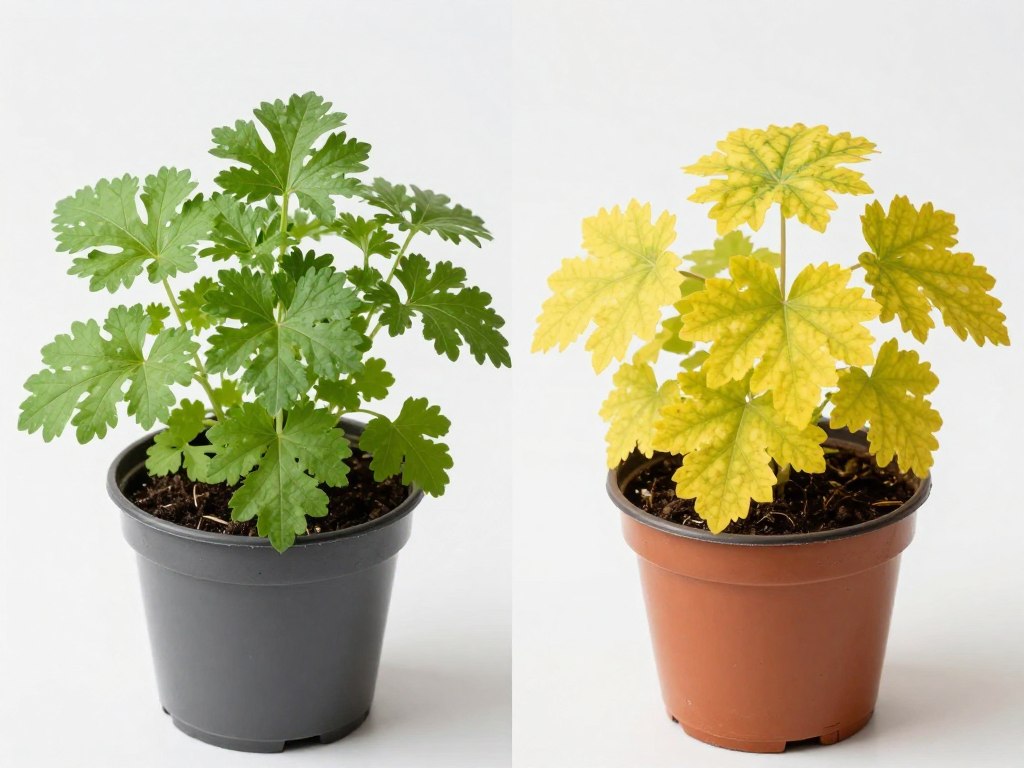
Even experienced gardeners encounter occasional setbacks. Learning to recognize and address common problems quickly prevents minor issues from becoming major failures. Most herb problems stem from environmental factors rather than pests or diseases.
Leggy, Weak Growth
Insufficient light causes the most common problem with indoor herbs. Plants stretch toward available light, producing long stems with sparse leaves. The solution requires increasing light intensity. Move plants closer to windows. Add supplemental grow lights. Prune back leggy growth to encourage compact regrowth once light improves.
Yellow Leaves
Yellowing leaves usually indicate overwatering. Soggy soil prevents roots from accessing oxygen. Check soil moisture carefully. Allow soil to dry more between waterings. Ensure containers drain freely. Yellow leaves may also signal nutrient deficiency in older plants. Feed monthly with diluted liquid fertilizer during growing season.
Brown Leaf Tips and Edges
Brown leaf margins typically result from low humidity or inconsistent watering. Increase humidity around plants using pebble trays or grouping. Water more consistently, never allowing complete soil dryness. Brown tips can also indicate salt buildup from fertilizer or tap water. Flush pots thoroughly with plain water occasionally.
Wilting Despite Moist Soil
Root rot causes this perplexing symptom. Overly wet conditions for extended periods damage roots. Affected plants cannot absorb water even though soil stays moist. Improve drainage immediately. Reduce watering frequency. Consider repotting in fresh, well-draining mix if damage is extensive.
Pest Problems
Indoor herbs rarely experience serious pest issues. Occasionally aphids, spider mites, or fungus gnats appear. Inspect plants weekly, checking undersides of leaves. Wash off minor pest problems with a gentle spray of water. For persistent issues, use insecticidal soap or neem oil spray. Isolate affected plants to prevent spreading.
Why does my basil keep dying?
Basil typically dies from either overwatering, insufficient light, or cold temperatures. Basil needs bright light, warm conditions above 65°F, and soil that stays evenly moist but not waterlogged. Ensure your container has drainage holes and check soil moisture before watering every time.
How often should I water indoor herbs?
No single schedule works for all herbs and conditions. Check soil moisture by feeling it with your finger before each watering. Water thoroughly when the top inch of soil feels dry. This might mean daily watering for some herbs in small pots or weekly watering for Mediterranean herbs in larger containers. Let the plant and soil guide you rather than following a rigid calendar.
Can herbs grow without any natural sunlight?
Yes, herbs can thrive under artificial grow lights without any natural sunlight. Use full-spectrum LED grow lights positioned 6 to 12 inches above plants. Run lights for 12 to 16 hours daily. Many successful indoor gardeners grow abundant herbs in windowless basements or interior rooms using only artificial lighting.
Which herbs last the longest indoors?
Perennial herbs like rosemary, thyme, oregano, sage, and chives live for many years indoors with proper care. Mint also persists indefinitely. Annual herbs like basil and cilantro complete their life cycle in one season but can be replaced easily. With succession planting, you maintain continuous harvests even from annual varieties.
Master Indoor Herb Growing with Our Complete Guide
Take your indoor herb garden to the next level with our comprehensive Indoor Herb Garden Mastery Guide. This detailed resource includes advanced growing techniques, variety-specific care instructions, seasonal planting schedules, pest management strategies, and over 50 recipes using fresh herbs. Plus, get access to our exclusive online community of indoor gardeners for ongoing support and inspiration.
What You’ll Learn:
- Advanced pruning and harvesting techniques
- Detailed care guides for 30+ herb varieties
- Troubleshooting flowcharts for common problems
- Succession planting schedules for year-round harvests
- DIY projects for growing systems and containers
- Preservation methods: drying, freezing, oils, and more
Bonus Materials:
- 50+ tested recipes featuring fresh herbs
- Printable garden journal and tracking sheets
- Video tutorials for key techniques
- Access to private community forum
- Monthly expert Q&A sessions
- Lifetime updates and new content
30-day money-back guarantee. Join over 10,000 successful indoor herb gardeners.
Your Indoor Herb Garden Journey Starts Today
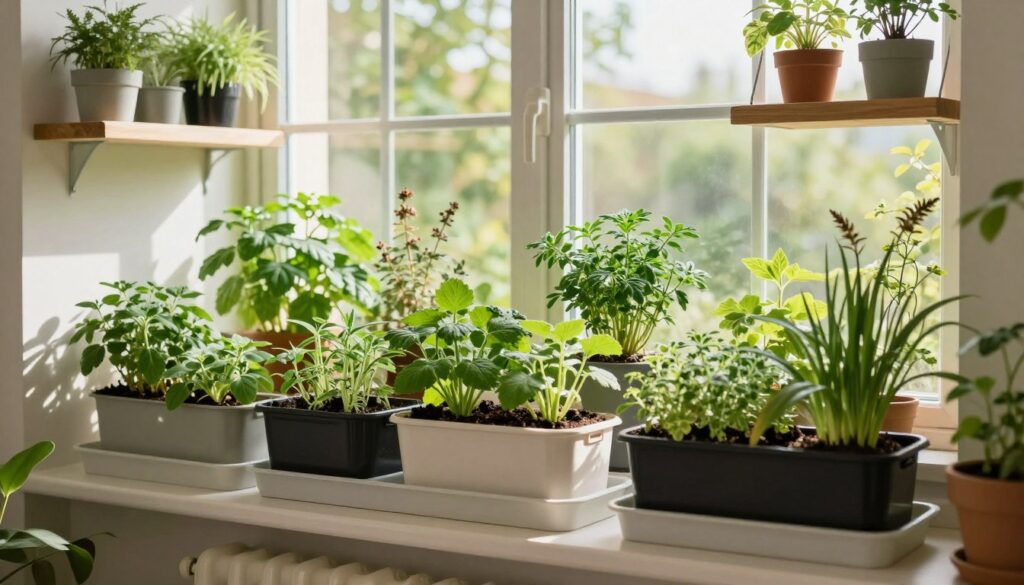
Indoor herb gardening without a balcony opens a world of fresh flavors and natural beauty in your home. You don’t need extensive space or special conditions to enjoy the satisfaction of growing your own food. With proper light, good containers, quality soil, and consistent care, anyone can cultivate a productive herb garden indoors.
Start small with three to five favorite herbs. Master the basics of watering and light management. Enjoy your first harvests. Then expand your collection as confidence grows. Every apartment, condo, or small home contains unused spaces waiting to become mini herb gardens.
The fresh herbs you grow will transform your cooking. The money saved adds up quickly. The therapeutic benefits of nurturing living plants enriches daily life. Most importantly, you prove that lack of outdoor space never limits your ability to grow fresh, healthy food at home.
Your journey to fresh herbs year-round begins with a single seed or plant. Choose one herb today. Find a sunny spot or set up a grow light. Plant it properly in good soil with drainage. Water it carefully. Within weeks, you’ll harvest your first fresh leaves. That success will inspire you to grow more. Before long, your kitchen will overflow with homegrown herbs ready to enhance every meal you prepare.