Growing herbs at home transforms cooking from routine to creative. The aroma of fresh thyme beats dried herbs any day. Plus, a small herb garden saves money while reducing trips to the grocery store. You control what goes on your plants, ensuring clean and healthy ingredients for your family.
Small spaces actually offer advantages for herb gardening. Container growing gives you complete control over soil quality and drainage. You can move plants to follow the sun throughout the day. Indoor herbs stay protected from harsh weather and hungry pests. This guide will show you exactly how to cultivate a thriving herb garden, no matter how limited your space.
Why Small Space Herb Gardens Work So Well
Limited square footage doesn’t limit your gardening potential. Herbs naturally adapt to confined growing conditions better than most edible plants. Their compact root systems thrive in containers that would stress larger vegetables.
Most culinary herbs originated in rocky Mediterranean hillsides where resources were scarce. This heritage makes them resilient and forgiving for beginners. They tolerate occasional neglect better than finicky houseplants. Many herbs actually develop stronger flavor when slightly stressed by drier soil.
Container Benefits
Potted herbs offer flexibility that ground planting cannot match. You can rearrange your garden layout weekly if needed. When winter arrives, simply bring frost-sensitive herbs indoors. Pots also prevent aggressive spreaders like mint from taking over your entire growing space.
Drainage control becomes easier in containers. You select the soil mix and ensure proper drainage holes. This prevents the root rot that kills more herbs than any other problem. Quality potting soil stays loose and airy, giving roots room to breathe.
Space Efficiency
Vertical growing maximizes limited areas. Wall-mounted planters and hanging baskets use space that would otherwise go to waste. A single square foot of wall space can accommodate several herb varieties when you garden upward instead of outward.
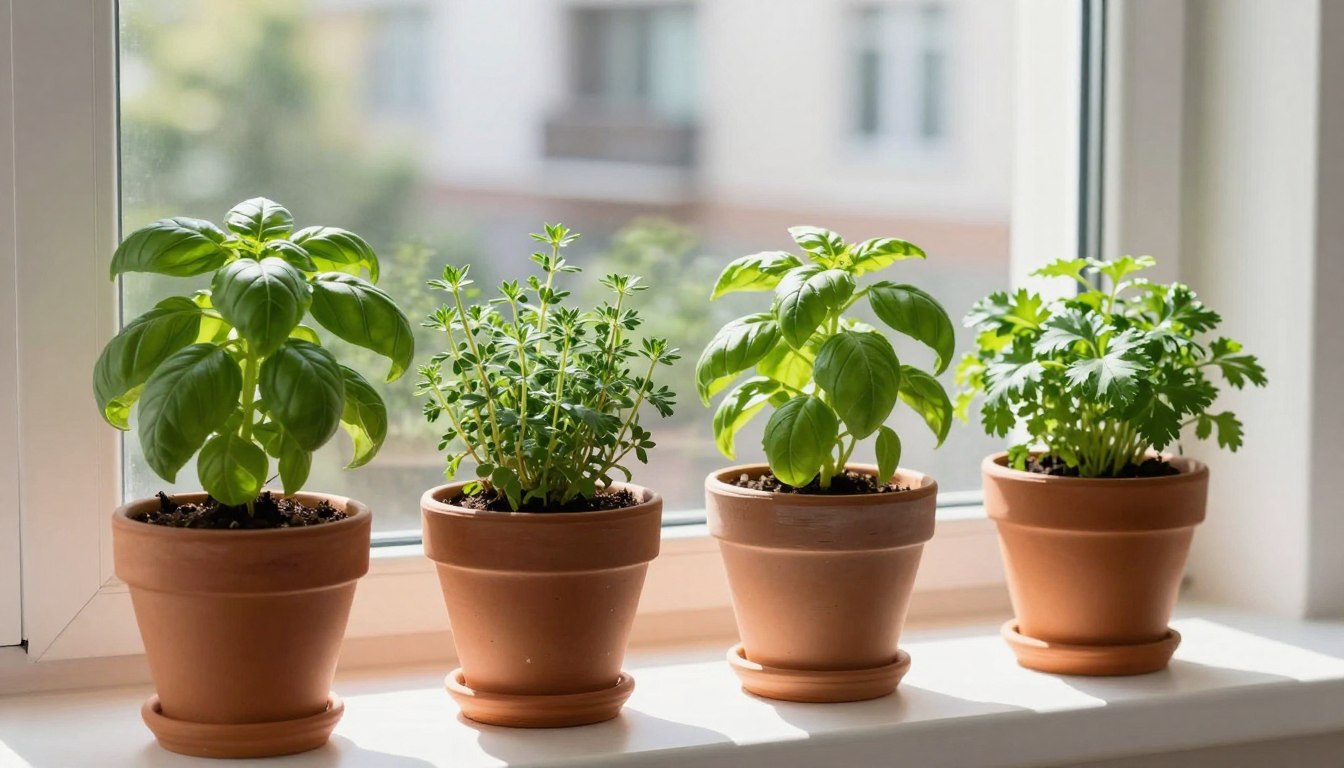
Windowsills become productive growing zones. Most kitchens have at least one window that receives decent light. A south-facing window provides enough sun for a small herb garden that stays within arm’s reach while you cook. Even north-facing windows work for shade-tolerant herbs like parsley and chives.
What Makes an Herb Perfect for Small Spaces
Not all herbs suit confined growing equally well. The best herbs to grow in small spaces share specific characteristics that make them thrive despite limited room. Understanding these traits helps you choose varieties that will succeed rather than struggle.
Free Resource: Download our printable Small Space Herb Garden Planner with care schedules, spacing guides, and harvest tips. Get Your Free Planner
Compact Growth Habit
Look for herbs that naturally stay small or accept frequent pruning. Dwarf varieties have been bred specifically for container gardening. These plants produce the same flavor as full-size versions but in a fraction of the space.
Bushy growth patterns work better than rangy, sprawling habits. Herbs like thyme and oregano form dense mounds rather than long vines. This concentrated growth gives you more harvest per square inch of garden space.
Container Compatibility
Root depth determines minimum container size. Shallow-rooted herbs like cilantro need only six inches of soil depth. Deep-rooted varieties like parsley prefer at least ten inches. Matching herbs to appropriate container depths prevents stunted growth.
Some herbs actually prefer the confined root zone of containers. Rosemary develops more concentrated flavor when its roots fill the pot completely. This makes container culture ideal rather than a compromise.
High Yield Potential
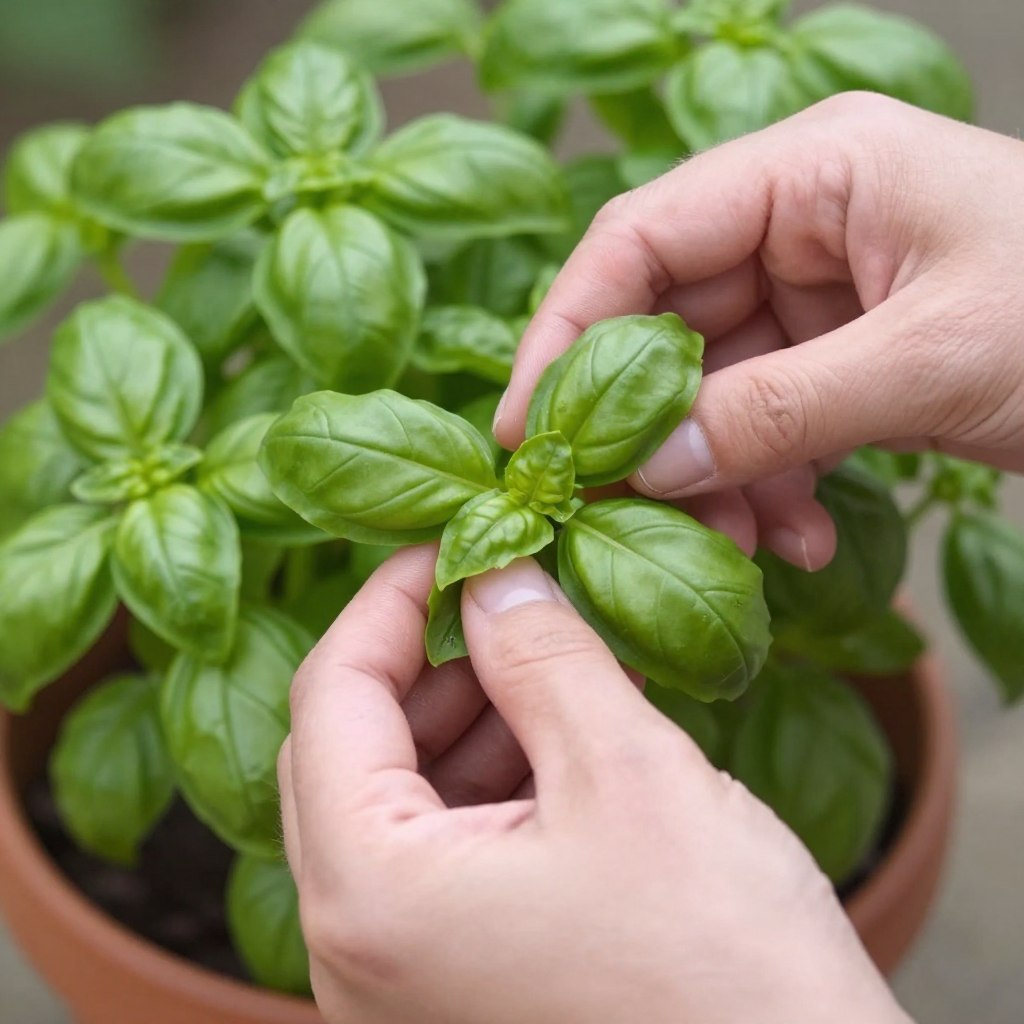
The most productive herbs regenerate quickly after harvesting. You want plants that respond to cutting by growing bushier rather than becoming depleted. Basil exemplifies this trait perfectly. Each time you pinch the growing tips, the plant sends out two new branches.
Continuous harvest herbs provide value throughout the entire growing season. Annual herbs like cilantro offer multiple succession plantings. Perennial varieties like thyme produce for years from a single plant, making them excellent value in limited space.
- Compact natural size or dwarf varieties available
- Thrives with roots in 6-12 inch containers
- Tolerates frequent harvesting and pruning
- Produces usable harvest within 4-8 weeks
- Adapts to indoor or outdoor conditions
- Resists common pests without extensive treatment
Top Herbs for Small Space Growing
These herbs have proven themselves in countless small gardens, balconies, and windowsills. Each offers unique flavors while staying manageable in containers. We’ve selected varieties based on ease of care, space efficiency, and culinary versatility.
Basil: The Kitchen Garden Essential
Basil tops the list for small space herb gardening. This aromatic annual grows quickly and produces abundantly in containers. Sweet basil varieties suit most dishes, while specialty types like Thai basil or lemon basil add exciting flavor variations.
This heat-loving herb thrives on sunny windowsills or warm patios. It needs well-drained soil and consistent moisture. Basil grows from seed to harvest in just six weeks under good conditions. Pinch growing tips regularly to prevent flowering and encourage bushy growth.
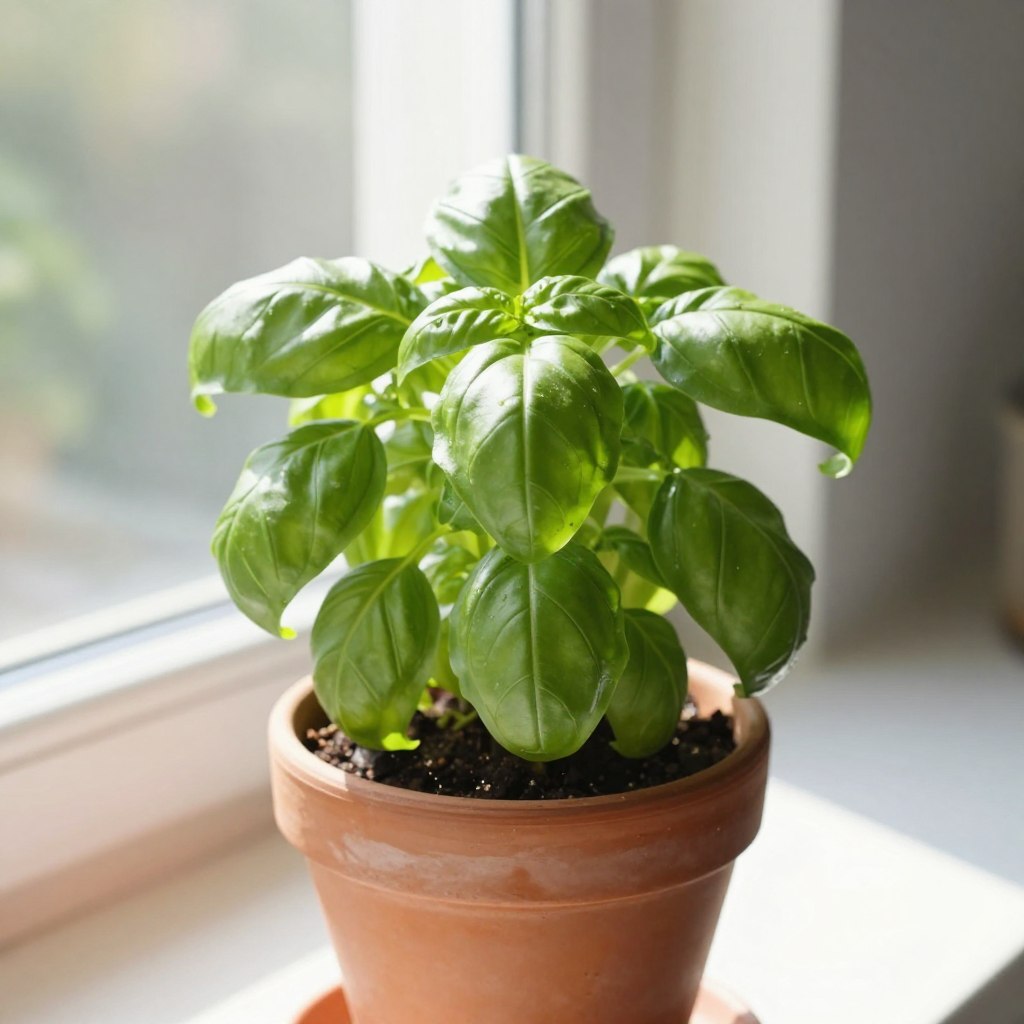
Harvest Tip: Cut basil stems just above a leaf node where two leaves meet the stem. This pruning technique forces the plant to branch and double your future harvest from each cut.
Thyme: Low-Maintenance Perennial
Thyme ranks among the easiest herbs to grow in confined spaces. This woody perennial tolerates neglect better than most herbs. It prefers drier soil, making it perfect for forgetful waterers. Thyme stays compact naturally, rarely exceeding eight inches in height.
Multiple thyme varieties offer different flavors. Common thyme works for most recipes. Lemon thyme adds citrus notes to fish and chicken dishes. Creeping thyme varieties cascade beautifully from hanging baskets while staying productive.
This Mediterranean native needs full sun and excellent drainage. Use sandy potting mix to prevent root rot. Water only when soil feels completely dry. Thyme survives light frost and can overwinter indoors in cold climates. Harvest sprigs anytime, cutting no more than one-third of the plant at once.
Mint: Vigorous Container Performer
Mint’s aggressive growth habit actually makes containers ideal. In-ground, mint spreads uncontrollably through underground runners. Pots contain these invasive tendencies while letting you enjoy abundant harvests. Peppermint and spearmint remain the most popular varieties for culinary use.
This herb tolerates partial shade better than most. East or west-facing windows provide sufficient light for healthy growth. Mint prefers consistent moisture and rich soil. It grows vigorously during warm months and dies back in winter, returning from roots in spring.
Harvest mint leaves regularly to encourage fresh growth. The leaves develop strongest flavor just before the plant flowers. Pinch off flower buds to keep plants producing tender leaves. Mint roots easily from cuttings, letting you expand your garden or share with friends.
Parsley: Nutrient-Dense Biennial
Both curly and flat-leaf parsley thrive in containers. Flat-leaf varieties offer stronger flavor for cooking, while curly types make attractive garnishes. This biennial herb produces leaves throughout its first year before flowering in the second season.
Parsley develops a deep taproot that requires containers at least ten inches deep. It grows well in partial shade, making it suitable for less-than-ideal light conditions. Keep soil consistently moist but not waterlogged. Parsley tolerates cool weather and can grow outdoors through mild winters.
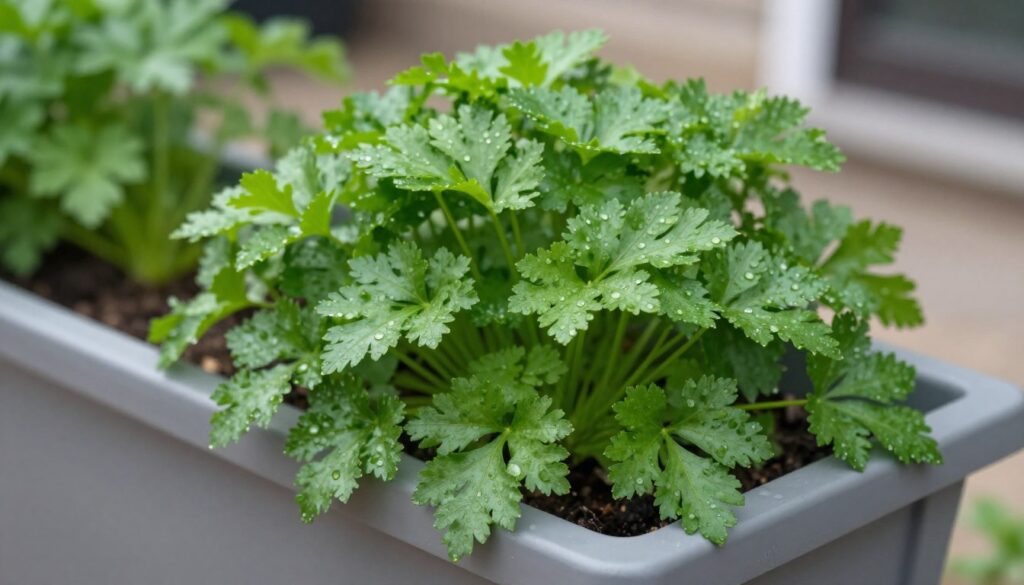
Start with transplants rather than seeds for faster results. Parsley seeds germinate slowly and erratically. Harvest outer stems first, allowing the center to continue producing. Regular cutting keeps plants vigorous and delays flowering.
Chives: Space-Saving Allium
Chives deliver mild onion flavor in the smallest footprint. These grass-like perennials grow in tight clumps that rarely exceed ten inches wide. Purple globe flowers in spring add ornamental value to your herb garden while attracting beneficial insects.
This cold-hardy herb survives freezing temperatures and returns reliably each spring. Chives grow in full sun to partial shade with minimal care. They prefer moist soil but tolerate short dry periods. Divide clumps every few years to maintain vigor.
Snip leaves at the base with scissors, taking no more than one-third of the plant at once. Chives regrow quickly after harvesting. Both leaves and flowers are edible, though leaves taste best before blooming. Garlic chives offer a milder garlic flavor as an alternative to regular chives.
Cilantro: Fast-Growing Annual
Cilantro grows rapidly from seed to harvest in just three to four weeks. This makes succession planting practical in small spaces. Sow seeds every two weeks for continuous supply throughout the growing season. The entire plant is edible, with leaves used as cilantro and seeds harvested as coriander spice.
Cool weather suits cilantro best. It bolts quickly in heat, sending up flower stalks that end leaf production. Grow cilantro in spring and fall outdoors, or indoors during summer. Partial shade helps prevent premature bolting in warmer conditions.
Use well-drained soil and keep it evenly moist. Cilantro develops a taproot, so choose containers at least eight inches deep. Harvest lower leaves first, allowing the center to continue growing. Once plants bolt, collect seeds for cooking or sowing your next crop.
Oregano: Hardy Mediterranean Herb
Oregano thrives on neglect, making it perfect for beginning gardeners. This low-growing perennial spreads slowly, forming attractive mats of aromatic foliage. Greek oregano offers the most intense flavor for cooking, while ornamental varieties provide visual interest.
Full sun and dry conditions bring out oregano’s best flavor. Overwatering dilutes the essential oils that give oregano its characteristic taste. Use lean, well-drained soil without added fertilizer. Oregano adapts to indoor growing if given adequate light from a sunny window or grow light.
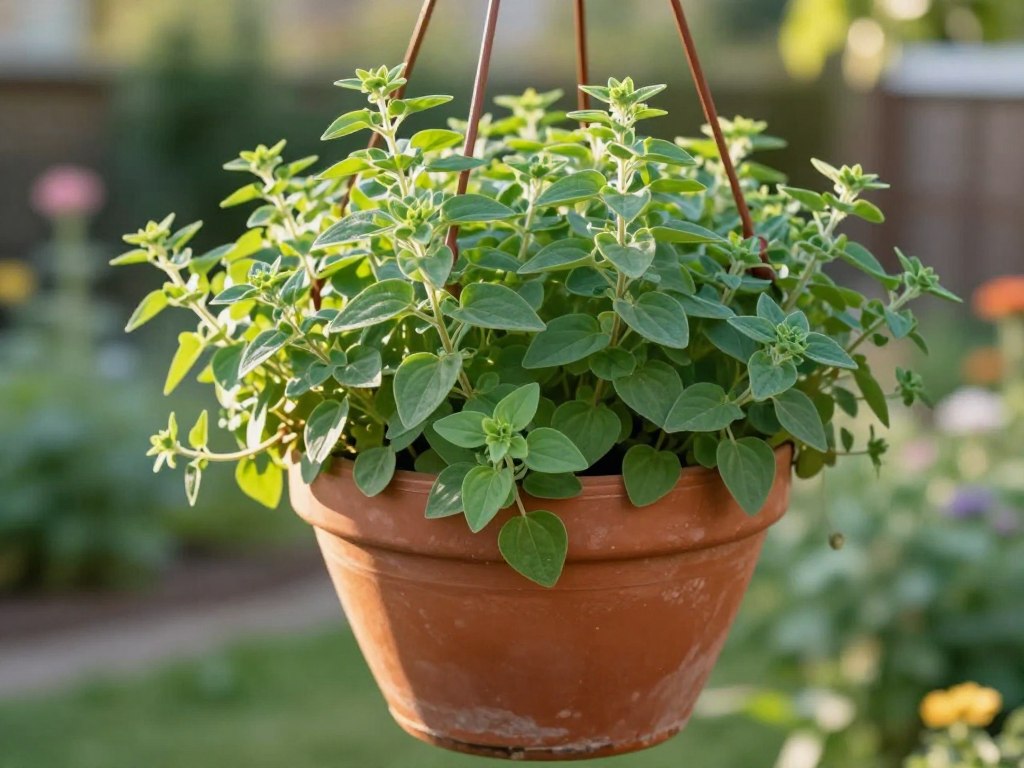
Harvest stems regularly to prevent woody growth and encourage tender new leaves. Cut stems back by half in midsummer to rejuvenate plants. Oregano flavor intensifies when dried, making it excellent for preserving summer’s harvest for winter use.
Rosemary: Evergreen Perennial
Rosemary brings year-round greenery and pine-scented foliage to small gardens. This woody perennial grows slowly, taking several years to reach full size. Dwarf varieties like ‘Blue Boy’ stay under twelve inches, perfect for limited space. Trailing rosemary works beautifully in hanging baskets.
Bright light and excellent drainage prove essential for rosemary success. This herb tolerates drought better than wet soil. Water only when the top inch of soil feels completely dry. Rosemary needs at least six hours of direct sun daily, making south-facing windows ideal for indoor growing.
Harvest sprigs anytime once plants establish. Avoid cutting into woody stems; take only soft green growth. Rosemary tolerates light frost but needs protection from hard freezes. Bring potted plants indoors before temperatures drop below 20°F, though some hardy varieties survive to 10°F.
Sage: Attractive and Aromatic
Common sage produces silvery-green leaves with a savory, slightly peppery flavor. This perennial herb stays compact in containers, typically reaching twelve to eighteen inches. Purple sage and tricolor sage add ornamental interest while offering the same culinary uses.
Sage prefers full sun and well-drained soil on the drier side. Overwatering causes root rot and fungal problems. This Mediterranean native handles heat and drought well once established. Sage grows successfully indoors if provided with bright light and good air circulation.
Pinch growing tips regularly to maintain bushy shape and prevent legginess. Harvest leaves as needed, avoiding removing more than one-third of the plant at once. Sage leaves are most flavorful just before flowering. The plant may become woody after a few years, at which point replacement or hard pruning rejuvenates growth.
Lavender: Fragrant and Beautiful
Lavender combines ornamental beauty with culinary and aromatherapy uses. English lavender varieties adapt best to container culture. Dwarf cultivars like ‘Munstead’ stay under eighteen inches, fitting small spaces perfectly. The purple flower spikes attract beneficial pollinators to balcony gardens.
This sun-loving herb demands excellent drainage and lean soil. Lavender hates wet feet and thrives in conditions that stress other herbs. Add extra perlite or sand to potting mix for optimal drainage. Water sparingly, allowing soil to dry between waterings.
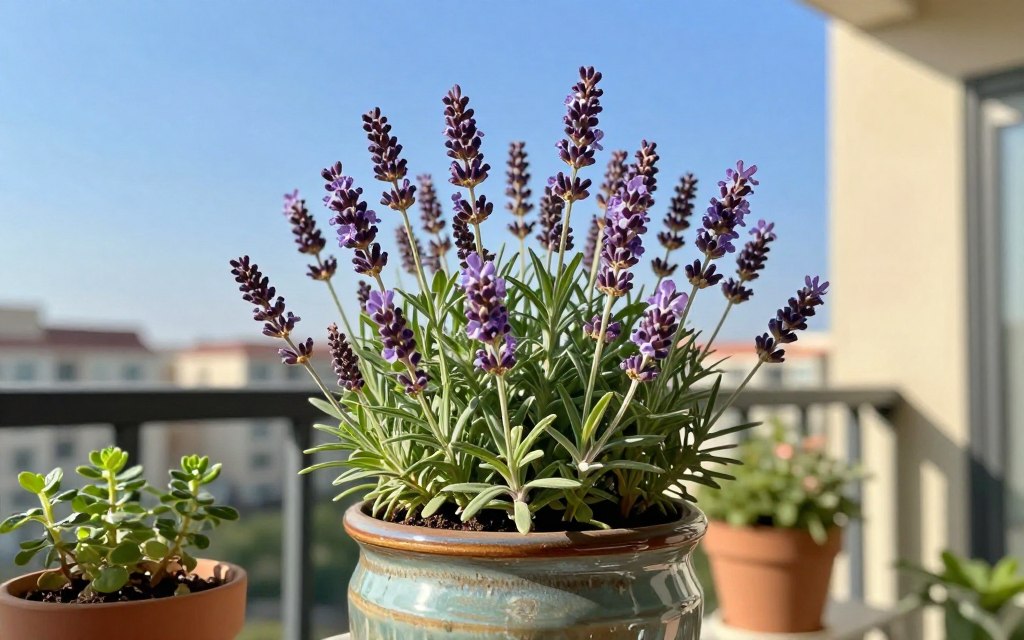
Harvest flower stems when buds first open for strongest fragrance. Cut stems long enough for bouquets or drying. Prune plants by one-third each spring to maintain shape and encourage new growth. Lavender can survive winters outdoors in zones 5-9 but may need protection in colder areas.
Small Space Growing Techniques
Creative growing methods multiply your herb production capacity without requiring more floor space. These techniques work for apartments, condos, townhouses, and small patios. Each approach offers specific advantages depending on your available light and space configuration.
Container Gardening Essentials
Choosing the right containers makes the difference between thriving herbs and struggling plants. Drainage holes are non-negotiable. Without them, water accumulates and drowns roots. Each container needs at least one hole, preferably several smaller ones.
Container material affects watering frequency and plant health. Terracotta pots dry out quickly, good for herbs like rosemary and thyme that prefer drier conditions. Plastic containers retain moisture longer, better for water-loving herbs like basil and mint. Glazed ceramic offers middle ground with attractive appearance.
Container Size Guide
- Small herbs (thyme, chives): 6-8 inch diameter, 6 inch depth
- Medium herbs (basil, cilantro): 8-10 inch diameter, 8 inch depth
- Large herbs (rosemary, sage): 12-14 inch diameter, 10-12 inch depth
- Multiple herbs: 16-18 inch diameter, 10 inch minimum depth
Best Container Materials
- Terracotta: Classic, breathable, dries quickly
- Plastic: Lightweight, retains moisture well
- Fabric grow bags: Excellent drainage, air pruning roots
- Glazed ceramic: Attractive, moderate water retention
Self-watering containers reduce maintenance for busy gardeners. These pots have built-in reservoirs that provide consistent moisture. They work especially well for herbs that dislike drying out completely. Standard containers cost less and work fine with regular attention to watering.
Vertical Growing Systems
Wall-mounted planters transform vertical surfaces into productive growing space. Pocket planters made from fabric or plastic attach directly to walls or railings. Each pocket holds a small herb plant, creating a living wall of fresh flavors.
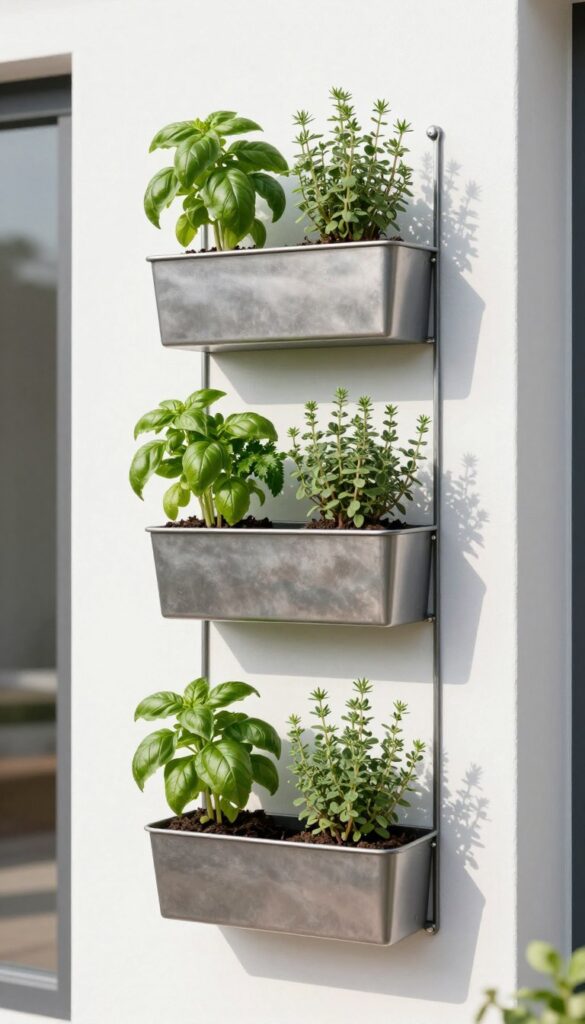
Tiered plant stands create multiple growing levels in the footprint of a single pot. These ladder-style structures work perfectly for balconies and patios. Place taller herbs on upper tiers where they won’t shade lower plants. Reserve bottom tiers for shade-tolerant varieties.
Hanging baskets utilize overhead space that would otherwise go unused. Trailing herbs like oregano and creeping thyme cascade beautifully from suspended containers. Ensure hooks or brackets can support the weight of containers when soil is wet, which significantly increases weight.
Windowsill Herb Gardens
South-facing windows provide the most light for herb gardening. Six to eight hours of direct sunlight supports most herbs except the most sun-demanding varieties. West-facing windows work as second choice, offering afternoon sun. East-facing exposure suits herbs that tolerate partial shade.
Window boxes maximize sill space efficiency. These long, narrow containers fit perfectly on windowsills, accommodating several herb varieties. Ensure boxes have secure mounting to prevent accidents. Drainage trays protect sills from water damage.
Light Requirements: North-facing windows rarely provide enough light for healthy herb growth. Supplement with grow lights or choose shade-tolerant herbs like parsley, chives, and mint for these locations.
Rotate containers weekly to prevent plants from leaning toward the light. All plants grow toward their light source. Regular rotation encourages even, upright growth. This simple habit improves plant appearance and health dramatically.
Indoor Growing with Artificial Light
LED grow lights enable herb gardening anywhere in your home. These energy-efficient fixtures provide the full spectrum of light that plants need for growth. Modern LED systems run cool, avoiding the heat problems of older grow light technology.
Position lights 6-12 inches above plant tops for optimal intensity. Adjust height as plants grow to maintain this distance. Most herbs need 12-16 hours of artificial light daily, more than they require from natural sunlight. Timers automate the light schedule, preventing both under and over-exposure.
Desktop herb garden kits combine containers, lights, and sometimes hydroponic systems in compact units. These all-in-one solutions work well for small spaces and beginning gardeners. They cost more than DIY setups but eliminate guesswork about lighting and container selection.
Start Your Small Space Herb Garden Today
Join 15,000+ urban gardeners receiving weekly growing tips, seasonal planting guides, and exclusive herb recipes. Get our free Small Space Herb Garden Starter Kit when you subscribe.
Essential Care and Maintenance Tips
Consistent care keeps small herb gardens productive throughout the growing season. Container herbs need more attention than in-ground plants because their root systems are confined. These maintenance practices take just minutes per week but dramatically improve harvest quality and quantity.
Watering Wisdom
Container herbs dry out faster than garden beds. Small pots need daily watering during hot weather, while larger containers may go two or three days. Check soil moisture by inserting your finger two inches deep. Water when soil feels dry at this depth.
Water thoroughly until liquid drains from bottom holes. This ensures the entire root zone receives moisture. Shallow watering encourages shallow root growth, making plants less resilient. Empty drainage trays after 30 minutes to prevent roots from sitting in standing water.
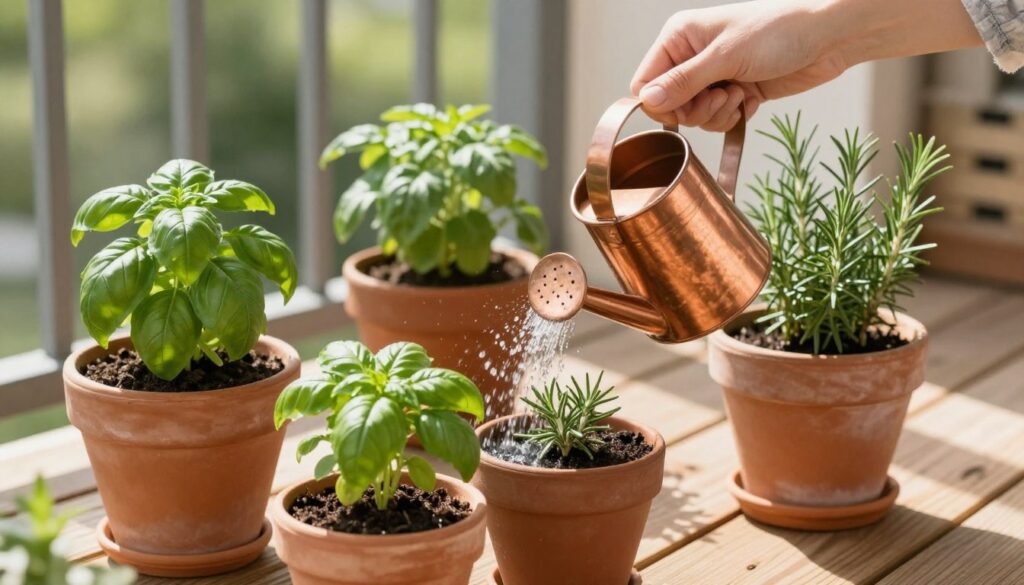
Different herbs have different moisture needs. Basil, mint, and parsley prefer consistently moist soil. Rosemary, thyme, and oregano need soil to dry between waterings. Group herbs with similar water requirements in the same containers for easier maintenance.
- Water early morning to reduce disease and evaporation
- Avoid overhead watering that wets foliage unnecessarily
- Use room-temperature water to avoid shocking roots
- Increase watering frequency during hot weather
- Reduce watering when herbs are actively growing indoors in winter
Soil and Fertilization
Quality potting soil makes container herb gardening successful. Garden soil compacts in pots, restricting root growth and drainage. Commercial potting mixes stay loose and drain well while retaining adequate moisture. Look for products containing peat moss or coconut coir, perlite, and compost.
Most herbs need minimal fertilization. Heavy feeding produces lush growth but weak flavor. Use half-strength liquid fertilizer every 4-6 weeks during active growth. Organic options like compost tea or fish emulsion provide nutrients without overwhelming plants.
Some herbs benefit from specific soil amendments. Mediterranean herbs like rosemary and lavender prefer alkaline soil. Add a tablespoon of lime to potting mix for these plants. Most other herbs grow well in neutral to slightly acidic soil without adjustment.
Pruning and Harvesting
Regular harvesting keeps herbs productive and compact. Cutting encourages branching and prevents flowering in annual herbs. Most herbs get harvested by pinching or cutting stems just above a set of leaves. This technique promotes bushier growth from lower nodes.
Never remove more than one-third of a plant at once. Taking too much foliage stresses plants and slows regrowth. Frequent small harvests maintain plant vigor better than occasional large cuttings. Herbs recover quickly when you leave adequate foliage for photosynthesis.
When to Harvest
Morning harvests capture herbs at peak flavor. Essential oils concentrate overnight and dissipate in afternoon heat. Pick herbs after dew dries but before temperatures rise. This timing provides the most aromatic and flavorful harvest.
Harvest before flowering for best leaf quality. Flowering diverts plant energy from leaf production. Pinch off flower buds as they appear to extend the harvest period. Some herbs like chive flowers are edible and add visual interest to dishes.
Pest and Disease Management
Container herbs face fewer pest problems than garden beds. Elevation and isolation from ground-dwelling insects provide natural protection. Indoor herbs encounter even fewer pests, though aphids and spider mites occasionally appear.
Inspect plants weekly for signs of trouble. Look under leaves where pests hide. Yellow or spotted leaves, sticky residue, or visible insects indicate problems. Early detection allows simple solutions before infestations become serious.
Blast aphids off with a strong water spray. This physical removal works for light infestations without chemicals. For persistent problems, insecticidal soap provides safe, effective control. Neem oil treats both insects and fungal diseases organically.
Preventive Practices
- Ensure adequate air circulation around plants
- Avoid overwatering that encourages fungal growth
- Remove dead leaves and debris promptly
- Quarantine new plants for two weeks
- Clean containers between plantings
Problems to Watch For
- Root rot from poor drainage or overwatering
- Powdery mildew in humid, stagnant conditions
- Aphids clustering on new growth
- Spider mites causing stippled, yellowing leaves
- Whiteflies on indoor herbs
Seasonal Considerations
Container herbs need seasonal adjustments for year-round success. Summer heat increases water needs dramatically. Move containers to shadier locations during heat waves to prevent stress. Mulch soil surfaces to conserve moisture and moderate soil temperature.
Fall preparation extends the season for many herbs. Bring frost-sensitive plants indoors before first frost. Acclimate plants gradually by moving them to a shaded outdoor area for a week, then indoors to a bright window. This transition reduces shock and leaf drop.
Winter indoor herbs need less water and no fertilizer. Growth slows during short winter days. Reduce watering frequency but don’t let soil dry completely. Herbs growing under lights maintain more active growth and need regular care. Supplemental humidity helps indoor herbs during dry winter months.
Spring marks renewal for perennial herbs. Prune back winter-damaged growth as new shoots emerge. Repot root-bound plants into containers one size larger. Refresh soil in containers you’re not upsizing by removing the top few inches and replacing with fresh potting mix.
Getting Started: Your First Small Space Herb Garden
Beginning a small herb garden feels less overwhelming when you start simple. Success with a few basic herbs builds confidence for expanding your collection. This starter approach prevents the frustration of trying to manage too many plants before developing essential skills.
The Beginner’s Trio
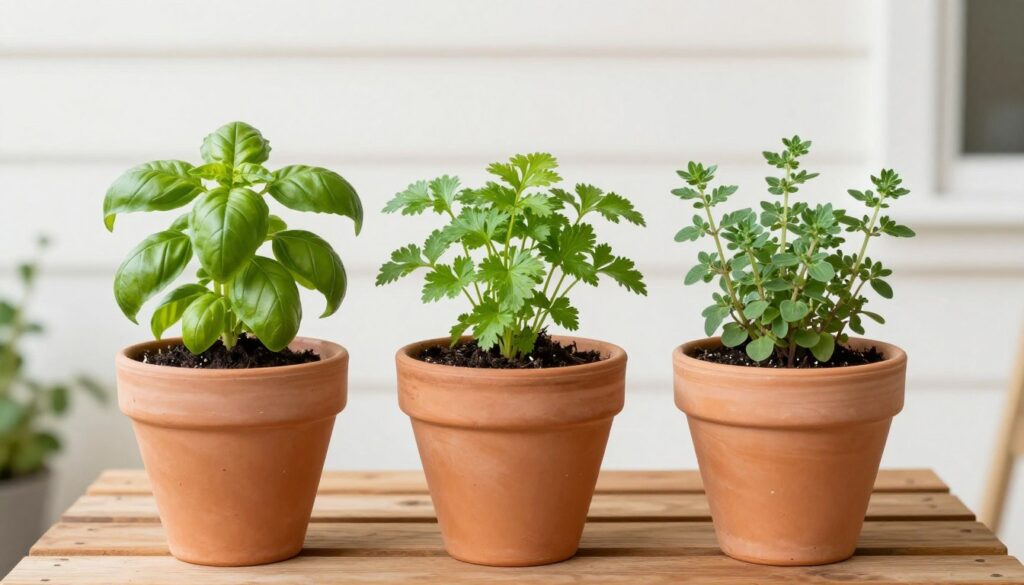
Start with three herbs you’ll actually use in your cooking. Basil, parsley, and thyme make an excellent beginner combination. These herbs tolerate mistakes well and produce abundantly. Each offers different growth habits, teaching you to recognize various plant needs.
Basil teaches you about pinching and harvesting technique. Its rapid growth provides quick feedback on watering and light requirements. Parsley demonstrates patience, as this slower grower rewards consistent care with long-term production. Thyme shows how little some herbs need to thrive, building confidence in your growing abilities.
Essential Supplies Checklist
Gather basic supplies before planting day. Quality containers with drainage holes form the foundation. Start with three pots, 8-10 inches in diameter. Organic potting mix specifically formulated for containers provides better results than general-purpose soil.
Basic Setup
- Three containers with drainage holes
- Quality potting mix (not garden soil)
- Small bag of perlite for drainage
- Watering can with narrow spout
- Herb starter plants or seeds
Optional Upgrades
- Liquid organic fertilizer
- Drainage trays or saucers
- Plant labels or markers
- Small pruning shears or scissors
- Moisture meter (helpful but not essential)
Indoor Growing
- LED grow light (if natural light insufficient)
- Timer for automated lighting
- Small fan for air circulation
- Humidity tray or room humidifier
- Grow light shelf or stand
Planting Day Steps
Prepare containers by ensuring drainage holes are clear. Place a coffee filter or paper towel over holes to prevent soil from washing through while allowing water drainage. Fill containers with moistened potting mix, leaving two inches of space below the rim.
Create a planting hole slightly larger than the starter plant’s root ball. Gently remove plants from nursery containers, loosening roots if they circle the root ball. Position plants at the same depth they grew in their nursery pots. Backfill with potting mix and firm gently around the base.
Water thoroughly after planting until water drains from bottom holes. This settles soil around roots and eliminates air pockets. Place containers in their permanent location, considering light requirements for each herb. Label plants if you’re growing multiple varieties that look similar initially.
- Prepare containers with drainage and moistened potting mix
- Remove starter plants from nursery containers carefully
- Plant at the same depth as nursery container
- Water thoroughly to settle soil around roots
- Position in appropriate light for each herb variety
- Wait 24 hours before exposing to direct sun
First Week Care
Monitor new plants closely during their first week. Check soil moisture daily by touching it with your finger. Water when the top inch feels dry. New transplants need consistent moisture while establishing root systems in their new containers.
Avoid fertilizing newly planted herbs for the first month. Starter plants come with nutrients in their nursery soil. Additional fertilizer can burn young roots. Focus on maintaining appropriate moisture and light levels while plants adjust to their new home.
Expect some initial leaf drop or wilting as plants acclimate. This transplant shock is normal and usually resolves within a week. Continue consistent care and plants will recover. New growth appearing at stem tips signals successful establishment.
Common Challenges and Solutions
Even experienced gardeners encounter occasional problems with container herbs. Recognition and quick response prevent minor issues from becoming major failures. Most problems have simple solutions that don’t require special products or expertise.
Why are my herb leaves turning yellow?
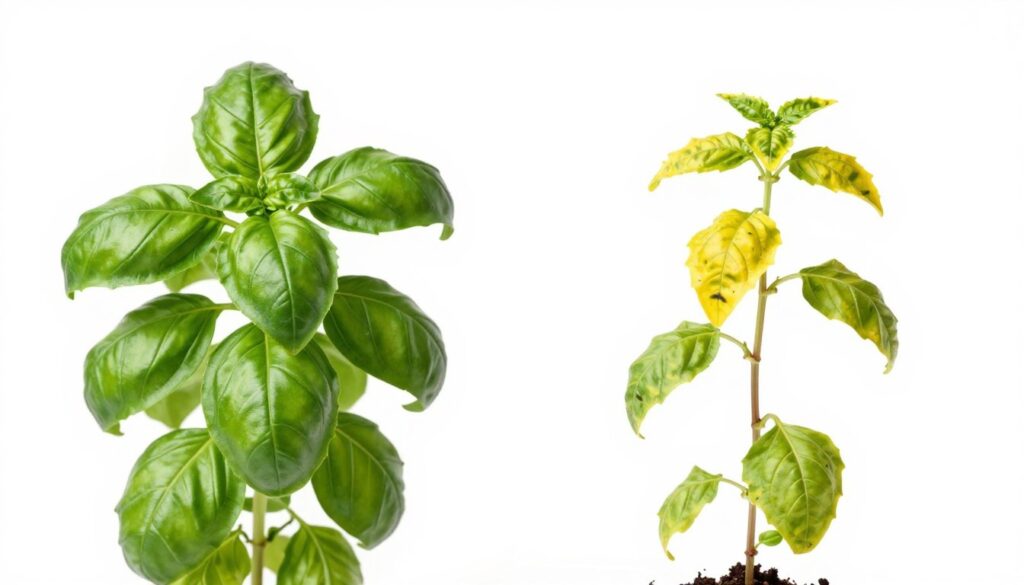
Yellow leaves typically indicate overwatering or poor drainage. Check that containers have functioning drainage holes and soil drains freely. Let soil dry more between waterings. Yellow lower leaves on otherwise healthy plants may simply be natural aging. Remove yellowed leaves to improve appearance.
Nutrient deficiency occasionally causes yellowing, especially in herbs growing for several months without fertilization. Apply diluted liquid fertilizer if drainage is adequate but yellowing persists. Iron deficiency shows as yellowing between leaf veins while veins remain green.
My basil keeps flowering despite pinching. What should I do?
Basil flowers naturally as days lengthen and temperatures rise. Pinch flower buds as soon as they appear, before they open. Continue harvesting leaves regularly to redirect plant energy from flowering to foliage production. Some flowering is inevitable in mature plants during peak summer.
Consider succession planting basil every 4-6 weeks. Young plants produce better quality leaves and resist flowering longer. Once a plant becomes heavily flowered, replace it with a fresh seedling rather than fighting the plant’s natural cycle.
How do I prevent root rot in container herbs?
Root rot prevention starts with proper drainage. Every container must have drainage holes. Use quality potting mix that drains freely rather than compacting. Add extra perlite if soil seems too heavy. Water only when the top inch of soil feels dry to the touch.
Ensure pots don’t sit in water-filled saucers. Empty drainage trays 30 minutes after watering. Reduce watering frequency during cool weather when plants grow slowly. Signs of root rot include wilting despite moist soil, black or mushy roots, and foul smell from soil.
Can I grow herbs together in one container?
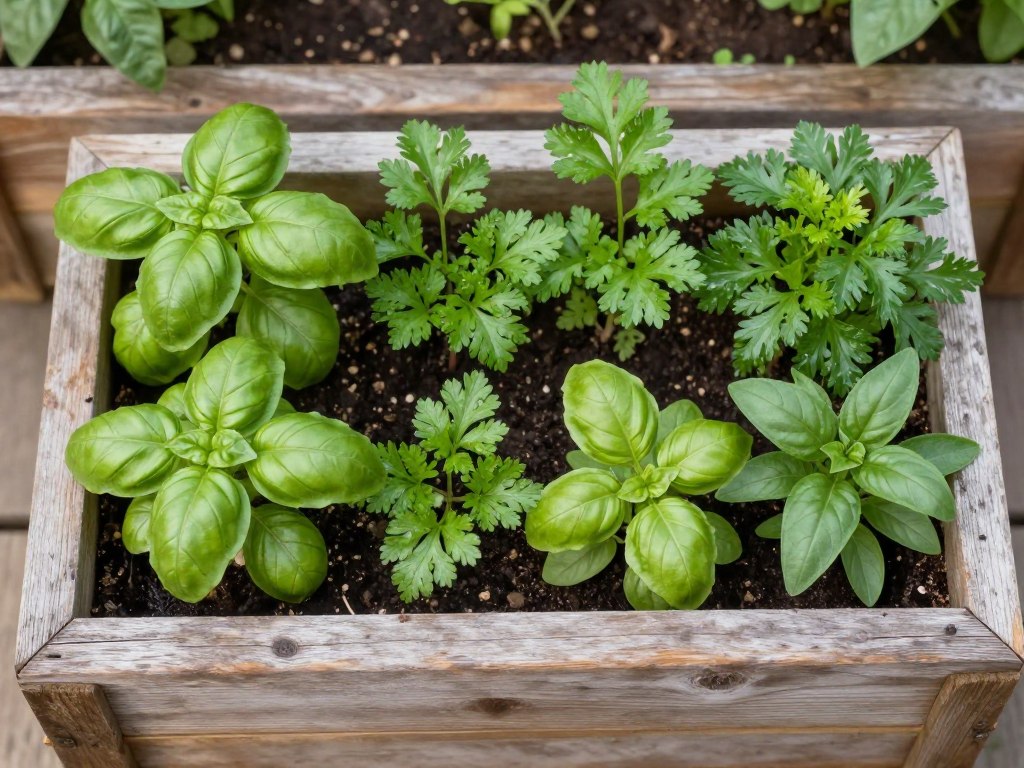
Multiple herbs can share containers if they have similar water and light needs. Group Mediterranean herbs like rosemary, thyme, and oregano together. These all prefer drier conditions and full sun. Plant moisture-loving herbs like basil, parsley, and mint in a separate container.
Provide adequate space between plants in shared containers. Crowding reduces air circulation and promotes disease. A 16-inch diameter pot comfortably holds three compatible herb plants. Avoid mixing aggressive spreaders like mint with slower-growing herbs.
Why won’t my herbs grow indoors as well as outdoors?
Indoor light intensity is significantly lower than outdoor sun, even near bright windows. Insufficient light causes weak, leggy growth with poor flavor. South-facing windows provide the most light indoors. Supplement with LED grow lights if natural light is inadequate.
Indoor air often lacks humidity and circulation that outdoor plants enjoy. Run a small fan near herbs to improve air movement. Mist plants occasionally or use a humidity tray to increase moisture in the air. Indoor temperatures are stable, which benefits herbs, but lack of temperature variation can slow growth slightly.
Advanced Tips for Maximum Productivity
Once your basic herb garden thrives, these advanced techniques boost production and efficiency. Small refinements in timing, technique, and plant selection multiply your harvest without requiring additional space. These strategies come from experienced gardeners who have perfected small-space growing.
Succession Planting Strategy
Fast-growing annual herbs benefit from succession planting. Sow cilantro seeds every three weeks throughout spring and fall. This staggers maturity dates, providing continuous harvest rather than a single large crop. When one planting begins flowering, the next is ready for harvesting.
Replace tired plants with fresh starts rather than trying to revive declining specimens. Basil produces best quality leaves for about 8-10 weeks before becoming woody. Plant new basil seedlings before old plants decline. Overlap generations to maintain constant production.
Microclimate Management
Containers create portable microclimates you can adjust for optimal growing conditions. Move pots to follow the sun across your patio or balcony throughout the day. This maximizes light exposure even in partially shaded locations. Track where sunlight falls at different times and seasons.
Use wall or fence reflection to increase light intensity. Light-colored surfaces bounce sunlight onto nearby plants. Position containers near reflective surfaces to boost light levels without moving to a different location. This technique helps shade-challenged sites grow sun-loving herbs more successfully.
Create windbreaks for balcony herbs exposed to strong winds. Wind increases water loss through leaves and can physically damage tender growth. Group containers together or place them near walls for wind protection. This reduces stress and improves growth in exposed locations.
Companion Planting in Containers
Strategic plant combinations benefit both herbs in shared containers. Tall upright basil provides afternoon shade for lower-growing parsley. The parsley appreciates partial shade while basil’s roots stay cooler. This vertical layering uses space efficiently.
Flowering herbs attract beneficial insects that control pests naturally. Chive flowers bring pollinators to balcony gardens. These insects also prey on aphids and other pests while visiting. A few flowering herbs scattered among your collection provides natural pest management.
Space-Saving Combination: Plant trailing thyme around the base of an upright rosemary in a 14-inch pot. The thyme cascades over the edge while rosemary grows vertically. Both share similar water and light needs while occupying different zones in the same container.
Preservation for Year-Round Use
Preserve peak summer harvests for winter use. Freezing maintains herb flavor better than drying for most varieties. Chop fresh herbs, pack loosely in ice cube trays, cover with water or olive oil, and freeze. Pop frozen cubes directly into cooking for fresh herb flavor any time.
Dry Mediterranean herbs like oregano, thyme, and rosemary for long-term storage. These herbs retain flavor well when dried. Bundle stems and hang upside down in a warm, dry location with good air circulation. Strip dried leaves from stems and store in airtight containers away from light.
Make herb butter or pesto to preserve abundant basil harvests. These preparations freeze excellently and provide convenient ways to use large quantities of herbs. Homemade pesto tastes far superior to store-bought and makes thoughtful gifts for fellow food lovers.
Start Your Small Space Herb Garden Journey
Fresh herbs transform ordinary meals into memorable experiences. The satisfaction of snipping your own basil or thyme for dinner creates a connection to your food that grocery store packages cannot match. Small space limitations no longer prevent anyone from enjoying this simple pleasure.
You don’t need perfect conditions or extensive experience to grow herbs successfully. Start with containers, quality soil, and adequate light. Choose herbs you’ll actually use rather than trying to grow everything at once. Three thriving herbs provide more value than a dozen struggling ones.
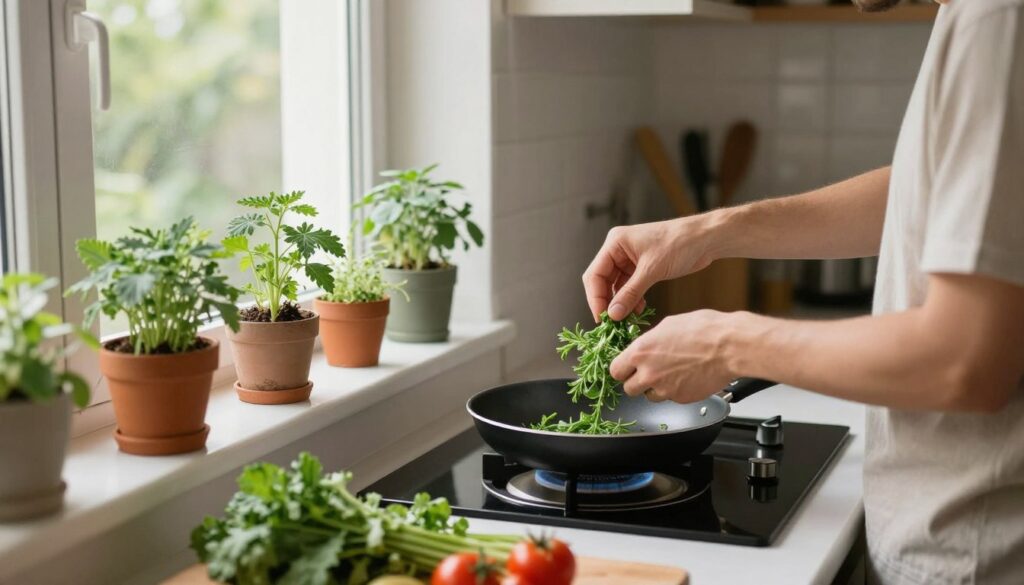
Consistency matters more than perfection in herb gardening. Regular watering, occasional fertilizing, and frequent harvesting keep plants productive. These simple practices become quick routines rather than time-consuming chores. Ten minutes of weekly care maintains a thriving small herb garden.
Every gardener kills plants occasionally. View failures as learning opportunities rather than defeats. Each season brings new understanding of plant needs and growing conditions. Your skills improve steadily as you gain experience with different herbs and techniques.
The best time to start your herb garden was yesterday. The second best time is today. Purchase a few starter plants or seed packets this week. Set up containers in your sunniest window or balcony spot. Begin the rewarding journey toward homegrown herbs and elevated home cooking.
Never Miss a Growing Season
Get monthly planting reminders, troubleshooting help, and seasonal recipes delivered to your inbox. Plus, download our complete Small Space Herb Garden Success Guide with detailed care sheets for 15 popular herbs.
Join 15,000+ gardeners • Free resources • Unsubscribe anytime
Your small space holds more potential than you imagine. A sunny windowsill, modest balcony, or tiny patio can produce an impressive variety of fresh herbs. The journey begins with a single pot and one herb plant. Take that first step today and discover the joys of small space herb gardening.