
What if the very technology designed to simplify growing plants actually introduces a new set of complex challenges? Soilless cultivation offers tremendous advantages, but it demands constant vigilance to keep plants healthy and productive.
You might face hurdles like murky water, incorrect nutrient levels, or slimy algae growth. Root diseases and unstable temperature or humidity can also threaten your entire crop.
The professional approach isn’t just about fixing things when they break. It’s about prevention, early detection, and methodical troubleshooting. This is how successful growers maintain thriving gardens all year.
This guide provides actionable insights from real-world experience. You’ll learn to diagnose symptoms, understand root causes, and apply effective remedies. The goal is to restore your setup to peak performance and avoid costly errors.
Mastering soilless agriculture means managing many connected factors. With the right knowledge framework, you can handle them all with confidence.
Key Takeaways
- Find complete solutions for challenges faced by both new and experienced soilless gardeners.
- Learn that vigilance and understanding are required to maintain plant health and maximize harvests.
- Identify a range of potential hurdles, from water quality and nutrient balance to pests and environmental control.
- Adopt a professional mindset focused on preventing issues and catching them early.
- Gain practical knowledge from proven techniques to avoid expensive mistakes.
- Use this resource as a central guide for diagnosing symptoms and implementing fixes.
- Understand how to manage the multiple, interconnected elements of a successful operation.
Introduction to Hydroponic Systems and Their Benefits
Soilless cultivation represents a fundamental shift in how we produce food. This innovative method allows you to grow plants using mineral-rich water solutions instead of traditional soil.
It provides unprecedented control over a plant’s environment and nutrition. Both small-scale home gardeners and large commercial operations can use this technology effectively.
Understanding Hydroponics
At its core, hydroponics is a cultivation technique. Plants receive water, oxygen, and nutrients directly to their root systems.
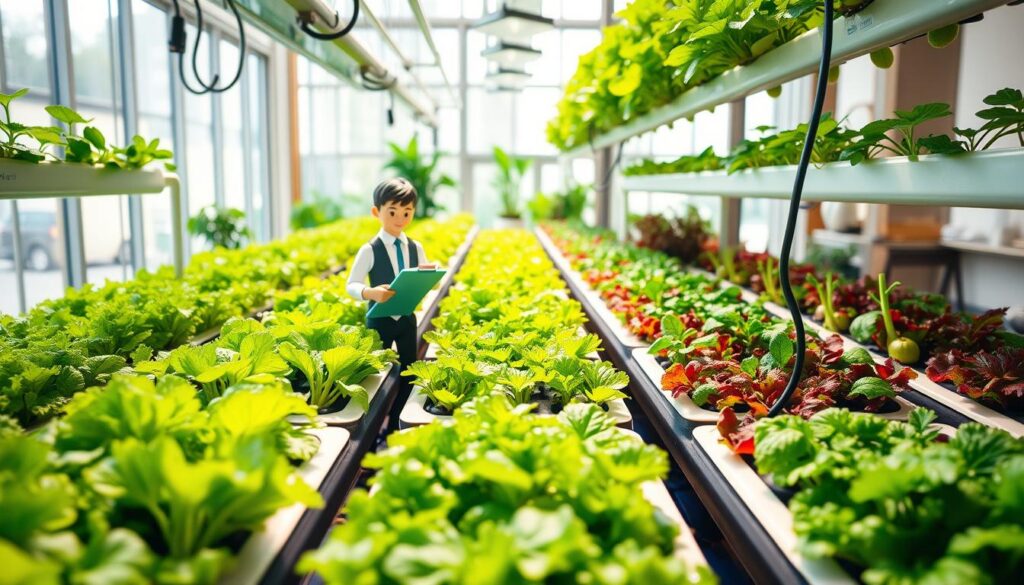
This direct delivery creates optimal conditions for vigorous growth. You manage every input, from pH balance to mineral concentration.
It is a revolutionary way to cultivate fresh, nutritious produce all year long.
The Advantages Over Traditional Gardening
Traditional field agriculture contends with unpredictable weather and variable soil quality. Hydroponic systems eliminate these major hurdles.
Growers achieve faster plant growth rates and higher yields per square foot. You can also conserve a tremendous amount of water, often using up to 90% less than soil farming.
This efficiency allows for growing crops in urban settings or regions with poor land. Successful growers understand the unique requirements of their setup to maximize results.
Addressing Common Hydroponic Problems
Maintaining a thriving hydroponic operation hinges on your ability to swiftly recognize and correct imbalances. These setups are incredibly sensitive to subtle shifts in the environment or nutrient solution.
Early detection is non-negotiable. Your plants rely entirely on the system you manage. A small symptom can quickly escalate.
Identifying Issues in Your Setup
Systematic observation is your most powerful tool. Start by keeping a detailed journal. Record everything from pH readings to ambient temperature.
Take photos of your plants regularly. Visual records help you spot changes in leaf color or root development over time. This data reveals patterns.
Analyze what adjustments yield which results. This practice builds your expertise for future crops.
Conduct daily visual checks for these early warnings:
- Leaf color and texture changes
- Root health and color
- Overall plant vigor and growth rate
Monitoring System Performance
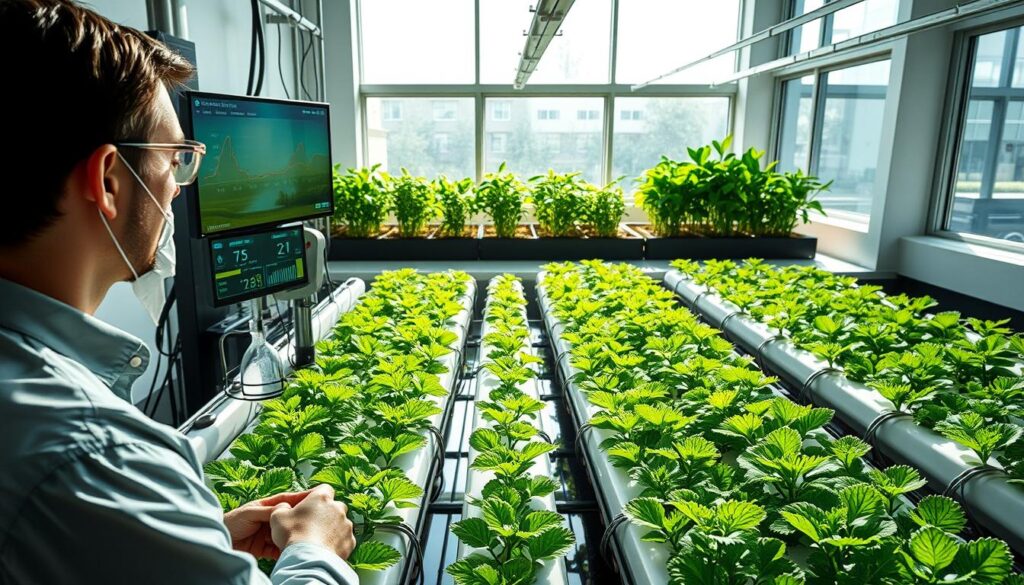
Your hardware needs as much attention as your plants. Check pumps, valves, and nozzles daily. Ensure consistent water flow and proper oxygenation.
Establish baseline measurements for key parameters. Track pH, electrical conductivity (EC), and water temperature every day. Deviations signal developing issues.
Make sure you verify solution levels and circulation. Create a simple checklist for routine inspections. Set clear alert thresholds for critical values.
This proactive habit moves you from reactive problem-solving to confident system management. Your consistent oversight keeps everything running smoothly.
Managing Water Quality and pH Levels
Without proper water management, even the most advanced setup will struggle to support healthy plants. Your water is the primary carrier for all essential elements.
It must be clean and correctly balanced. This foundation directly determines your garden’s success.
Testing Your Water Supply
Start by obtaining a quality report from your local utility. This gives you a baseline for your water supply.
Then, use a dedicated testing kit for more detail. These kits measure pH, mineral content, and potential pathogens.
Knowing your starting point is crucial for creating a stable environment.
Adjusting pH for Optimal Nutrient Absorption
Most crops thrive in a pH range of 5.5 to 6.5. This zone maximizes nutrient availability.
If the pH of your nutrient solution is wrong, nutrient lockout occurs. Your plants cannot absorb the nutrients present.
Use commercial pH-up or pH-down solutions to make corrections. Always adjust gradually and retest.
Test daily, as pH naturally drifts. Maintaining this balance ensures your plants access every element in the solution.
Preventing and Controlling Algae Growth
The battle against algae is won not through constant cleaning, but through intelligent design that denies it the conditions to thrive. While this organism doesn’t directly attack plants, its presence creates significant issues.
It competes for nutrients, clogs components, and reduces oxygen levels. Algae also invites pests like fungus gnats and can promote harmful fungal growth.
Strategies to Block Light from Nutrient Solutions
Algae requires the same four elements as your crops: water, light, air, and nutrients. You cannot remove water, air, or nutrients without harming your plants.
The most effective prevention strategy focuses entirely on blocking light. All parts housing your nutrient solution must be opaque.
Your reservoirs, pipes, and growing containers should use black or completely light-proof materials. Inspect seals and connections for any potential light leaks, as even a small amount can trigger algae growth.
Effective Cleaning and Sanitation Routines
When cleaning your system, you must also clean the entire grow room. Algae spores can become airborne and settle on walls and equipment.
For sanitation, use food-grade hydrogen peroxide mixed with water at a 1:11 ratio. Alternatively, use unscented bleach at a 1:100 ratio (about 10 ml per liter).
Scrub all affected surfaces, then fill the system with the solution. Run it for 4-6 hours to sanitize internal components. Drain and flush thoroughly afterward.
Perform this routine cleaning after each harvest. Consistent light blocking and maintenance minimize the need for these intensive interventions.
Balancing Nutrient Solutions for Healthy Growth
Your plants communicate their health through visual cues, with leaf color and texture serving as a direct report on nutrient status. Achieving perfect balance means avoiding both deficiency and toxicity.
Dark brown or black burnt leaf tips often signal a nutrient solution that is too strong. Salt buildup around roots creates the same problem. Flush your system with pH-adjusted water to correct this.
Curling leaves can point to incorrect pH or a calcium deficiency. Watch for chlorosis, where leaves turn yellow from lack of chlorophyll.
Interveinal chlorosis—yellow leaves with green veins—typically indicates iron deficiency. Keep your pH between 5.5 and 6.5 and add an iron supplement.
When chlorosis appears on older growth, suspect nitrogen shortage. This mobile nutrient gets relocated to support new plants.
Recognizing Nutrient Deficiencies and Toxicities
Monitor electrical conductivity (EC) to track total dissolved salts. Aim for 1.5 to 2.5 mS/cm for most crops.
Remember, plants drink water faster than they consume nutrients. This causes salt concentration to rise over time.
Replace your entire solution every one to two weeks. Do not just top off the reservoir. This professional practice prevents toxic accumulation.
Observe symptoms on both new and old growth. Adjust individual nutrient components based on what you see. Systematic observation is your key to a thriving garden.
Combating Root Rot and Waterborne Pathogens
Root rot doesn’t announce its arrival with a fanfare; it creeps in, turning healthy white roots into a slimy, brown mess. The primary culprits are waterborne pathogens like Pythium and Phytophthora. These organisms thrive in the very water your plants depend on.
If left unchecked, they can devastate an entire crop. Your first line of defense is regular, careful inspection.
Identifying Signs of Root Rot and Disease
Make it a habit to examine your plant’s roots weekly. Healthy roots are firm and white. Infected roots tell a different story.
They become brown or black, feel mushy, and often emit a foul odor. Above the surface, plants show yellowing leaves and wilting.
Treatment and Prevention Techniques
At the first sign of root rot, act swiftly. Remove affected plants immediately. Discard the contaminated nutrient solution and clean the entire system.
Prevention is always better than cure. The most critical factor is dissolved oxygen. Use air stones and pumps to keep your solution well-aerated.
Maintain water temperature between 65°F and 75°F. Warmer water holds less oxygen and speeds up pathogen growth. Adding beneficial bacteria can also help outcompete harmful pathogens.
For a complete guide on establishing a robust prevention routine, these practices are essential year-round.
Optimizing System Components and Leak Prevention
Mechanical failure in a soilless setup doesn’t just stall growth—it can trigger a rapid cascade toward plant death. Your plants depend entirely on the system to deliver water and nutrients.
When a pump stops or a nozzle clogs, that lifeline is cut. Wilting and plant loss can follow in a short time.
Maintaining Pumps, Nozzles, and Valves
Inspect all mechanical parts daily. Listen for unusual sounds and check that water flow is strong. Make sure misting nozzles, especially in aeroponic designs, are clear of mineral deposits.
Blocked nozzles cause exposed roots to dry out fast. Pump failures halt nutrient delivery and oxygen circulation, inviting root rot.
Invest in pumps with built-in blockage alarms for early warnings. Design your hydroponic system with redundancy. A backup pump or a reservoir that retains a water pool can save your crop.
Leaks are another critical threat. Monitor your nutrient solution level. A sudden drop signals a problem.
Look for puddles on the floor and listen for dripping. Use light blue paper towels to pinpoint moisture at joints and valves—common leak sites.
Clogs from roots can also cause overflows. Make sure you clean filters and check seals regularly. A good maintenance schedule saves time and prevents disasters.
Keep spare parts on hand. Your proactive care keeps the entire system running smoothly and protects your garden.
Creating Ideal Environmental Conditions
The difference between a good harvest and a great one often lies in mastering the climate of your grow space. You must actively control light, temperature, and air movement. This balance directly impacts your plants‘ health and productivity.
Managing Light, Temperature, and Airflow
If your plants grow too fast or show burnt, yellow leaves, reduce daily light from 18 hours to 12-14. Too much light stresses them.
A warm room heats your nutrient solution. This reduces oxygen for the roots. Improve airflow with fans and consider an exhaust system.
Swamp coolers or an air cooler with a humidifier can help manage temperature. Ensure there is enough space between plants.
Overcrowding blocks fresh air. Use circulation fans and prune bushy leaves. This gives each plant better light and air.
Minimizing Pest and Disease Risks
Indoor setups have lower pest risks, but aphids or gnats can still appear. Inspect your plants regularly for early signs.
Keep your growing area clean to discourage pests from settling. A well-managed environment is your best defense against diseases.
Remember, preventing pests and diseases is easier than curing an outbreak. Optimal conditions keep your garden strong.
Regular Maintenance and Smart Cleaning Practices
Your garden’s longevity depends not on heroic saves during a crisis, but on the quiet, consistent work of regular maintenance. Year-round care for your system prevents damage to your harvests before it starts.
Scheduling Routine System Checks
The best growers compile all necessary tasks into a master list. Establish a fixed schedule for daily, weekly, and periodic duties.
This proactive approach stops the buildup of pathogens and mineral deposits. Make sure your list includes these key actions:
- Daily visual plant inspection and pH testing.
- Weekly checks of pumps and nutrient solution levels.
- A complete deep clean between crops.
Disinfect your entire setup between successive plantings. This gives each new cycle a fresh start in a clean space.
Combine this routine cleaning with plant-friendly bio fungicides. This creates layers of protection for your hydroponic growing environment.
Well-designed systems can require as little as two hours of time per month for upkeep. Consistent schedules lead to fewer losses and more predictable crops.
Make sure you document every service. This habit extends equipment life and saves time on future troubleshooting. Your reliable system supports healthy growers and thriving plants.
Conclusion
Every thriving hydroponic operation stands on a foundation of meticulous observation and timely action.
You now possess the essential knowledge to safeguard your garden. The prevention strategies and diagnostic tips covered here empower you to stop issues before they harm your plants.
This professional approach transforms potential setbacks into manageable routines. Your consistent care ensures plant health and maximizes every crop yield.
Remember, integrated practices—from monitoring your solution to controlling pathogens—create a resilient growing environment. Apply these methods with confidence.
Watch your garden flourish as you master the way of soilless cultivation. Successful growers understand that vigilance is the key to abundance.