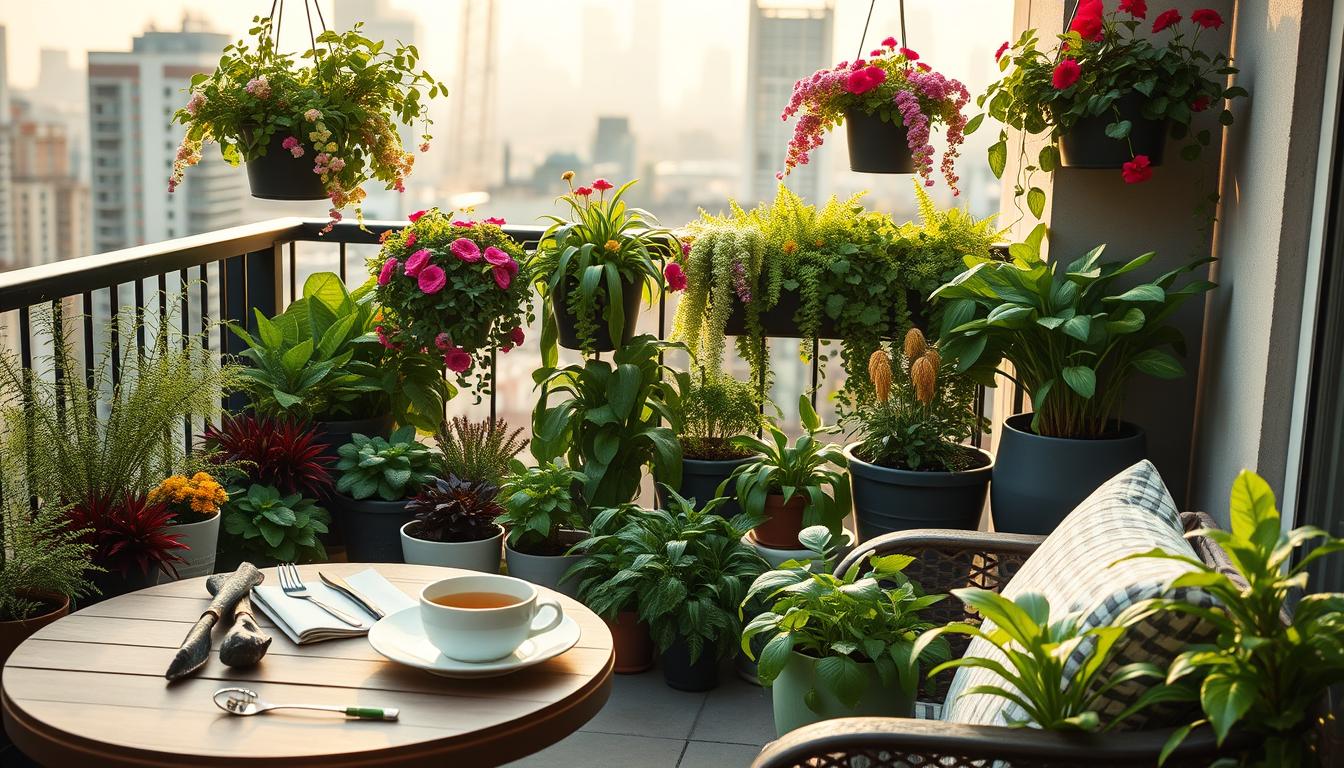
Do you ever look at your concrete view and wish for a touch of green? You’re not alone. Many people living in apartments and homes feel disconnected from nature.
What if you could change that right outside your door? You can create a vibrant, living oasis even in the smallest urban area. This guide will show you how.
Growing your own plants is an accessible solution for anyone. You don’t need a big yard. A sunny spot on your patio or terrace is the perfect starting point.
This approach turns limited square footage into something productive and beautiful. It brings a lot of joy and life into your daily routine. You can cultivate herbs, vegetables, and colorful flowers.
The process is a fantastic creative outlet. You get to choose unique containers and design a layout that reflects your personal style. It makes your living area truly feel like home.
With some thoughtful planning, you can enjoy fresh harvests just steps from your kitchen. Start this rewarding journey today and watch your space flourish.
Planning Your Balcony Garden
Initial groundwork, from measuring to rule-checking, paves the way for a thriving and compliant green space. A successful project starts with two critical steps: understanding your physical and regulatory limits, then clarifying your personal vision.
Assessing Space and Building Restrictions
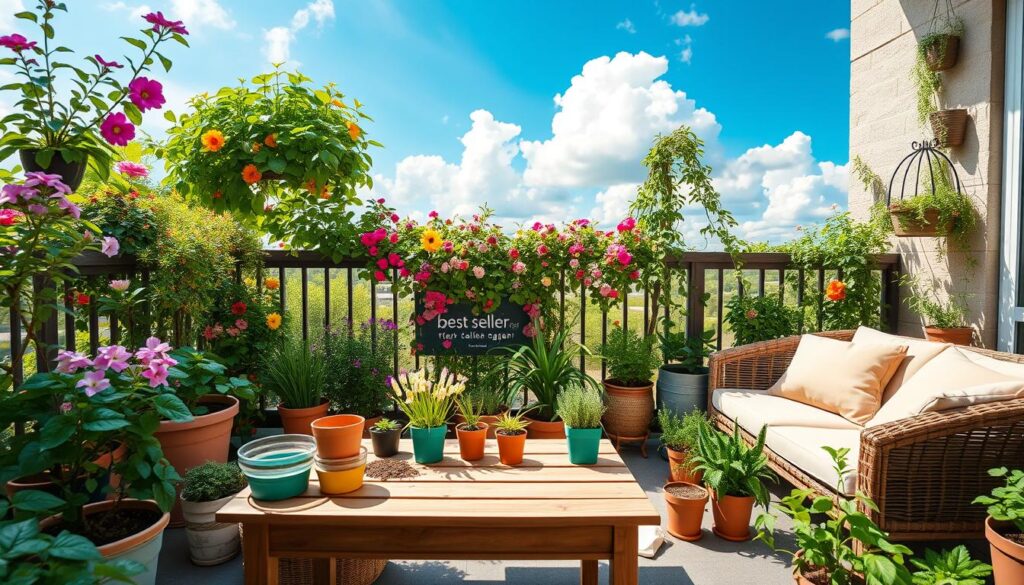
First, measure your available area carefully. Note dimensions for containers and walkways. You must also verify rules with your property management.
Many apartments and condos have specific guidelines. Some prohibit certain plants or hanging items from railings. Weight limits for structures are a crucial safety consideration, especially with heavy pots and wet soil.
Be aware that some buildings only permit flowers. They may restrict vegetables over concerns about attracting birds or pests.
Defining Your Garden Goals
Decide what you want from your outdoor area. Do you seek fresh herbs, a colorful display, or a quiet retreat? Your goals dictate the types of plants you select.
Consider how you’ll use the space beyond growing. Leave room for furniture and movement. Evaluate practical conditions like water access and storage for supplies.
Think about your available time for care. This influences the number of plants and their maintenance needs. Also, plan for how your setup will change with the seasons at your home.
Maximizing Your Balcony Space
When floor space is limited, the secret to a lush oasis lies in looking upward. You can grow a surprising number of plants by using vertical surfaces and structures.
This approach turns walls and railings into productive areas. It keeps your central floor area open for movement and furniture.
Vertical Gardening Techniques
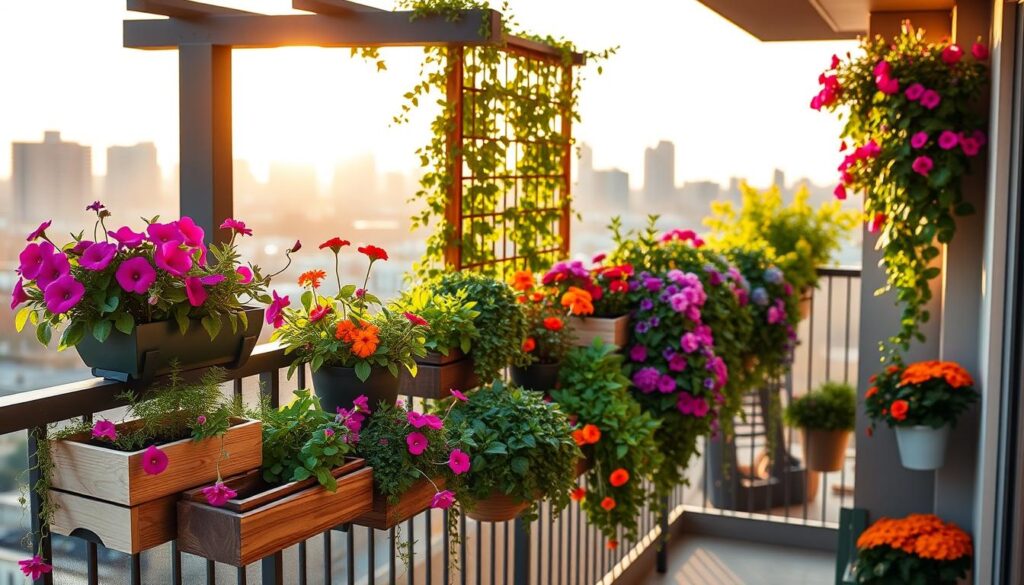
Install wall-mounted shelves or trellises to hold pots. This creates multiple planting levels without using your floor.
Hanging systems from an overhead structure add another dimension. Consider tiered planters or stacking systems for a compact footprint.
Repurposing items like wooden ladders or old shelves adds character. These frameworks support a lot of greenery in a small area.
Creative Use of Railings and Walls
Specialized railing planters attach securely to your balcony’s edge. You can also use hooks designed for this purpose.
Cover railings with mesh to support climbing vines. Mount half-baskets or modular wall pockets on blank walls.
This transforms unused surfaces into vibrant displays. It is a highly effective space-saving strategy for any patio or terrace.
Place larger containers around the perimeter to define your garden. Plan your layout so all plants receive adequate light throughout the day.
Essential Balcony Gardening Tips
Success with your outdoor plants hinges on one fundamental element: light. Your space’s unique microclimate, shaped by wind and reflected heat, is equally vital. Mastering these core growing principles is the best way to ensure a thriving and productive area.
Selecting Plants for Sun and Shade
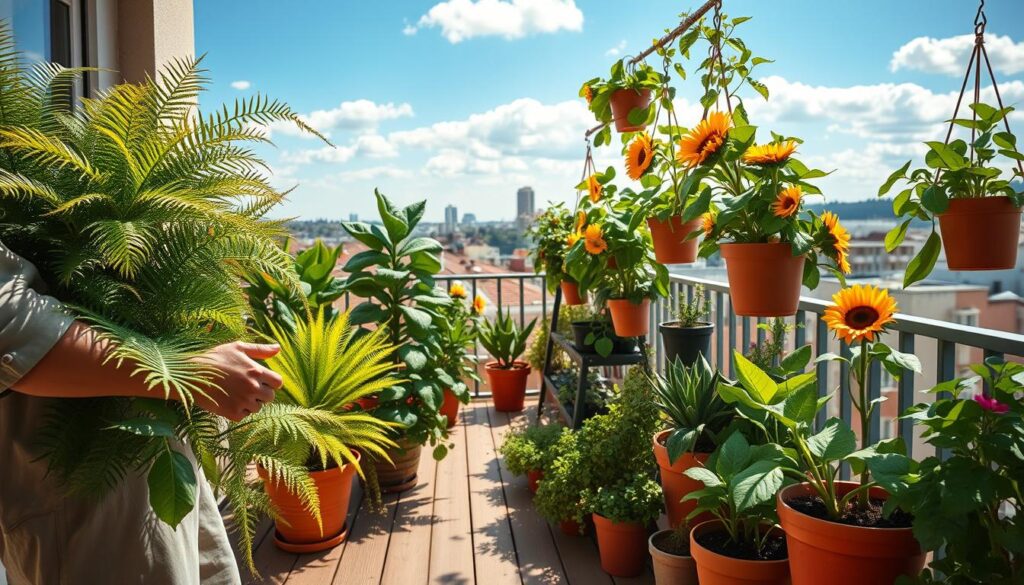
Sun exposure is the most critical factor. A south-facing area that gets direct light all day is perfect for cacti, many flowers, and most vegetables. A north-facing or shaded spot calls for low-light options like coleus, ferns, or begonias.
Many people overestimate their available light. Most vegetables need a minimum of six to eight hours of direct sun per day to produce well. Leafy greens like spinach and lettuce can succeed with less than a half day of sun.
Understanding Your Balcony’s Microclimate
Wind and temperature create your specific growing conditions. Strong winds dry soil fast and can damage flowers. Heat reflecting from windows can burn delicate foliage.
Apply these practical tips. Use a building wall as a windbreak for delicate plants. Place heat-tolerant specimens in the hottest spots. Position sun-loving varieties near the perimeter where light is strongest.
Choosing Containers and Planters
Material, weight, and drainage are the three pillars of smart container selection. Your pots form the foundation for healthy roots and a stable setup.
Comparing Materials and Durability
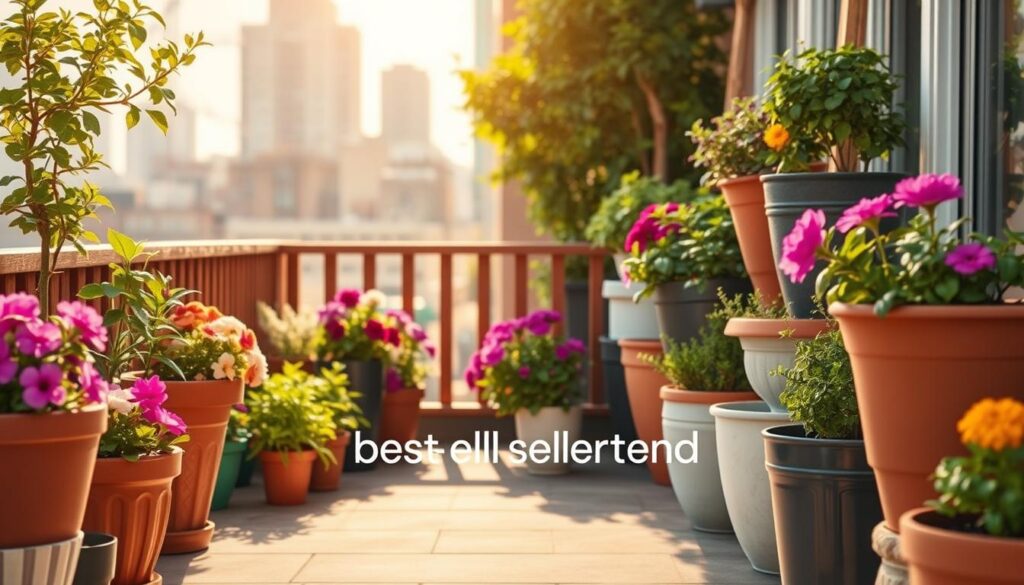
Each material offers distinct benefits and drawbacks. Your local conditions and plant needs should guide your final decision.
Consider wind exposure and weight limits for your area.
| Material | Key Advantages | Important Considerations |
|---|---|---|
| Plastic & Fiberglass | Lightweight and affordable. Available in many styles. | Can tip in wind. May degrade in strong sun over time. |
| Fabric Grow Bags | Excellent drainage, promotes air pruning. Easy to store and move. | Soil dries faster. Less rigid structure. |
| Terracotta & Ceramic | Classic aesthetic. Very stable. | Extremely heavy when wet. Can crack in freeze-thaw cycles. |
Always ensure your container has drainage holes. Use a quality potting mix designed for pots.
For saving space, invest in hanging baskets or railing-mounted planters. Tiered systems let you grow a lot vertically.
Watering Strategies for a Thriving Garden
Without a direct outdoor spigot, watering becomes a strategic task for any city gardener. You will likely rely on your kitchen sink or bathtub to hydrate your plants.
Developing a consistent routine is key. Transporting water is easier with the right tools.
Invest in a large, lightweight watering can. Collapsible models save precious storage space when not in use.
Place saucers under all your containers. This catches overflow, prevents waste, and protects your patio surface.
Self-Watering Options and Irrigation Tips
Self-watering pots are a game-changing solution. Their built-in reservoirs supply moisture directly to the soil, reducing your chore frequency.
For a more direct approach, consider a lightweight expandable hose. You can attach it to your kitchen faucet with an adapter.
Monitor the top inch of soil daily. Hot, sunny, and windy conditions can dry pots out rapidly, sometimes needing attention twice a day.
| Watering Method | Key Benefit | Best For |
|---|---|---|
| Self-Watering Pots | Reduces frequency and provides consistent moisture. | Busy schedules or heat-loving plants. |
| Expandable Hose | Eliminates carrying heavy water containers. | Larger setups with many plants. |
| Drip Irrigation Kit | Automates the process and conserves water. | Creating a hands-off, efficient system. |
Group your plants by their water needs. This simplifies your routine and ensures each one gets the right amount.
Proper hydration is crucial for container life. These strategies help your green space flourish with less effort.
Designing Your Garden Aesthetics
Aesthetics transform a simple collection of pots into a curated living display that reflects your style. This approach makes your outdoor area feel like a natural extension of your home.
Select colors and textures that complement your interior decor. This creates visual continuity and makes the space feel larger.
Mixing Colors and Plant Textures
Play with complementary color schemes to set a mood. Vibrant hues create energy, while monochromatic palettes offer calm.
Mix plant forms for depth. Combine fine leaves with bold foliage and trailing flowers. This strategy ensures interest throughout the season.
| Texture Type | Visual Effect | Example Plants |
|---|---|---|
| Fine & Feathery | Adds softness and airy movement | Ferns, Dill, Cosmos |
| Bold & Structural | Creates focal points and drama | Hostas, Canna Lilies, Swiss Chard |
| Trailing & Cascading | Softens edges and adds flow | Petunias, Ivy, Sweet Potato Vine |
Creating a Cohesive Outdoor Retreat
Arrange your planters for symmetry and balance. Layer heights using tall specimens, mid-level flowers, and cascading types.
Consider the view from inside your home. Position attractive combinations where they are most visible.
Incorporate fragrant herbs and flowers for a multi-sensory experience. Your containers also add a bit of personality. Choose styles that enhance your overall aesthetic.
For more inspiration on creating a beautiful and functional outdoor living space, explore our detailed guides.
Practical Considerations for Apartment Living
Creating a lush outdoor area in an apartment setting demands attention to specific practical factors. You must navigate building regulations, structural limits, and neighborly courtesy.
These elements are crucial for a successful and harmonious space. They differ significantly from ground-level cultivation.
Managing Weight, Soil, and Container Options
First, calculate the combined load of your pots, wet soil, and plants. Never exceed your patio’s weight capacity.
Choose a lightweight potting mix designed for container use. Avoid heavy garden dirt to reduce overall weight.
Select pots made from plastic, fiberglass, or fabric. These are far lighter than ceramic or terracotta.
Wind exposure increases with height. Protect fragile specimens by placing them in low containers near a wall.
Install privacy screens as dual-purpose windbreaks. They shield your garden and enhance privacy.
Always use saucers underneath every container. This prevents water from dripping onto neighbors below.
Stay on top of routine maintenance like pruning. A tidy space prevents complaints.
Monitor for pests regularly, as they can travel between units. Prompt treatment keeps your plants healthy.
Distribute weight evenly across your apartment terrace. Place the heaviest items over support points.
With these steps, you can cultivate a vibrant oasis responsibly. Your apartment outdoor area will thrive.
Conclusion
With the right approach, even the most compact outdoor area can become a productive and beautiful retreat. Your journey to a thriving personal oasis begins with a single container and a bit of curiosity.
Start small with just a few pots. Learn the rhythms of your space and schedule before expanding. This thoughtful pace is the key to long-term success.
You can grow fresh herbs, crisp salad greens, and tasty veggies even in limited square footage. Sunny spots support tomatoes and peppers, while shade areas are perfect for parsley and leafy greens.
Regular care keeps your garden productive. Water and fertilize consistently. Harvest your food and deadhead flowers to encourage more growth.
This process connects you to nature and enhances your daily life. It brings beauty and a sense of accomplishment to your home. Begin today and enjoy the rewards for years to come.