
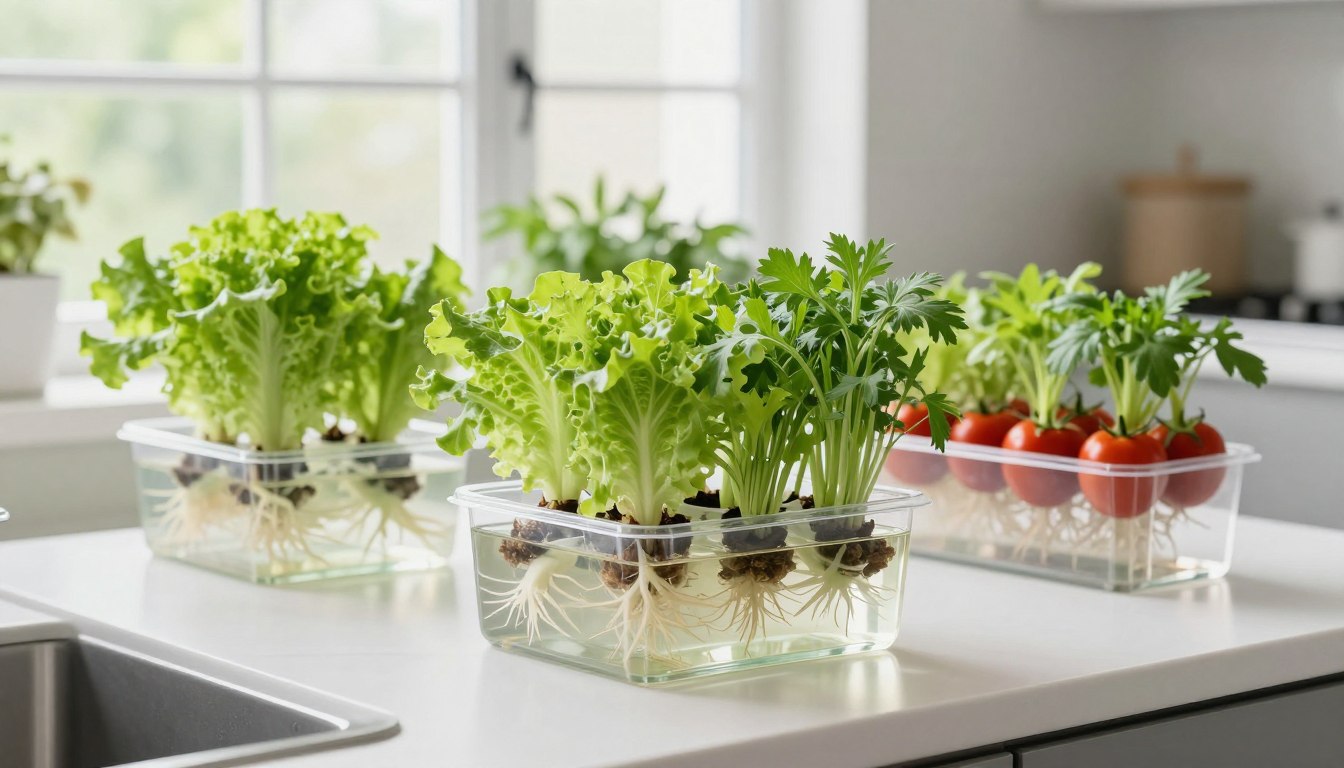
Growing plants without soil might sound complicated, but modern hydroponic systems for beginners are designed to be simple and foolproof. You’ll skip the mess of traditional gardening while enjoying faster growth and bigger yields.
This guide breaks down the best hydroponic systems available today. We’ve tested and reviewed each option to help you find the perfect match for your space, budget, and gardening goals.
Short on Time? See Our Top Pick
Jump straight to our #1 recommended system for complete beginners
What Is Hydroponic Gardening?
Hydroponic gardening is a method of growing plants without soil. Instead, plant roots grow directly in water enriched with nutrients.
The word hydroponics comes from Greek words meaning “working water.” Your plants get everything they need from a carefully balanced nutrient solution that flows past or surrounds their roots.
This approach offers several advantages over traditional soil gardening. Plants grow faster because nutrients reach roots more efficiently. You use less water since the system recycles it. There’s no weeding, fewer pests, and you can garden anywhere, including indoors.
How Hydroponic Systems Work
All hydroponic systems share basic components. A reservoir holds water mixed with hydroponic nutrients. A pump or wick delivers this nutrient solution to plant roots. Net pots or growing medium support the plants.
Some systems keep roots constantly submerged in oxygenated water. Others periodically flood and drain. Advanced systems mist roots with nutrients or flow a thin film of solution past them.
Benefits for Beginners
Starting with hydroponics is easier than you might think. Modern systems are designed with beginners in mind. They automate the hard parts like timing, circulation, and lighting.
You’ll see results quickly. Leafy greens like lettuce can be ready to harvest in just 3-4 weeks. Herbs grow continuously, giving you fresh basil or cilantro whenever you need it.
Types of Hydroponic Systems Explained
Understanding the different types helps you choose the best hydroponic system for your needs. Each method has unique advantages that suit specific plants and skill levels.
Deep Water Culture (DWC)
Deep water systems suspend plant roots in oxygenated nutrient solution. An air pump with air stone creates bubbles that deliver oxygen to submerged roots.
This simple design makes DWC popular with beginners. Plants like lettuce, herbs, and spinach thrive in these systems. The constant access to nutrients promotes rapid growth.
Wick System
Wick systems use capillary action to draw nutrient solution from a reservoir to the growing medium. Cotton or nylon wicks connect the water supply to your plants.
No moving parts or electricity makes this the most basic setup. It works best for small plants like herbs that don’t need much water. Larger plants like tomatoes may outgrow what wicks can supply.
Ebb and Flow (Flood and Drain)
Ebb and flow systems periodically flood the growing tray with nutrient solution, then drain it back to the reservoir. A submersible pump controlled by a timer manages this cycle.
This method offers versatility. You can grow almost any plant type and adjust flooding frequency based on plant needs. It’s more complex than a wick system but still beginner-friendly.
Nutrient Film Technique (NFT)
The nutrient film technique continuously flows a thin film of nutrient solution past plant roots in slanted channels. Gravity pulls the solution back to the reservoir for recirculation.
NFT systems work excellently for leafy greens and herbs with small root systems. They use less water than other methods and don’t require growing medium for mature plants.
Drip System
Drip systems deliver nutrient solution directly to each plant through tubing and emitters. A pump pushes solution from the reservoir through drip lines to the base of plants.
You can customize watering for different plant types. These systems scale well for larger operations. They require regular maintenance to prevent clogged drip lines.
Aeroponic System
Aeroponic systems suspend roots in air and mist them with nutrient solution. This high-tech approach maximizes oxygen exposure and nutrient uptake.
Plants grow incredibly fast in aeroponic setups. However, roots dry out quickly if misters fail. This makes aeroponics better suited for experienced growers despite the impressive results.
Beginner Tip: Start with deep water culture or a complete kit system. These require minimal setup and maintenance while delivering reliable results.
AeroGarden Harvest Indoor Garden System
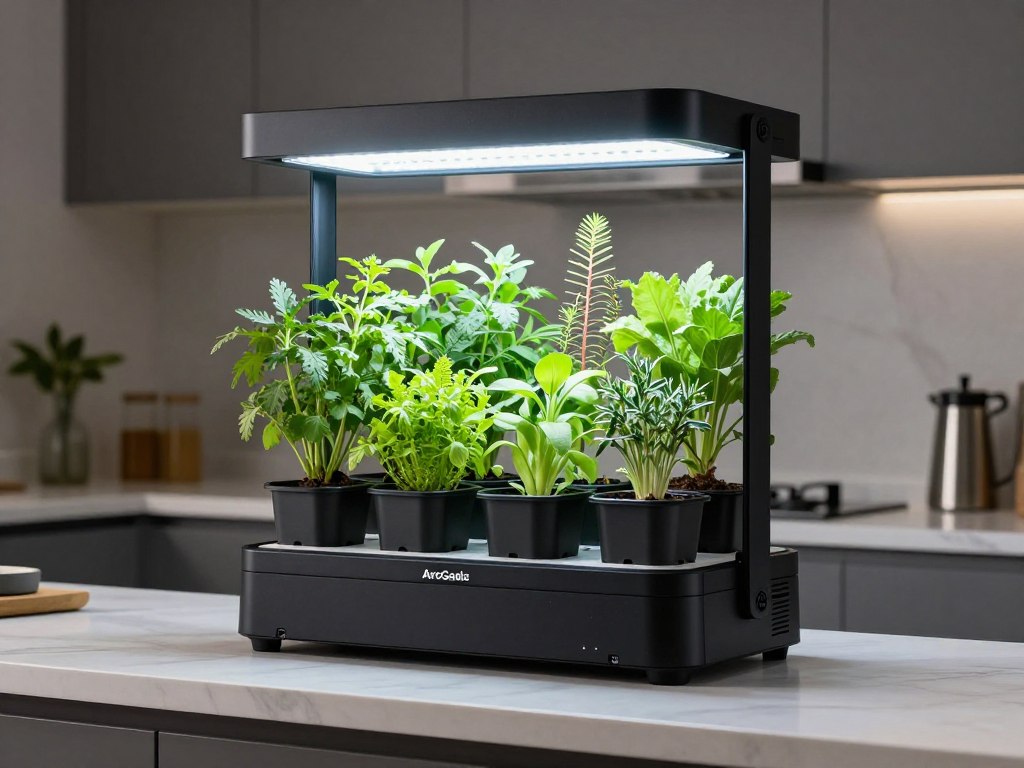
The AeroGarden Harvest represents the perfect entry point for beginners exploring hydroponic gardening. This compact system fits on any kitchen counter and handles all the technical details automatically.
You get everything needed to start growing immediately. The package includes six herb seed pods, liquid nutrients, and a full-spectrum LED grow light. The control panel reminds you when to add water and nutrients.
This system uses a simplified deep water method. Plant roots sit in the nutrient solution while the built-in air pump provides oxygen. The 20-watt LED light adjusts in height as plants grow.
Key Features
- Six-pod capacity for herbs and small vegetables
- Automatic 20-watt LED grow light with 15-hour cycle
- Built-in water level indicator and reminders
- Includes gourmet herb seed kit and nutrients
- Grows plants up to 12 inches tall
Pros
- Completely automated operation
- Very beginner-friendly design
- Compact footprint saves counter space
- Consistent results with minimal effort
- Quiet operation for kitchen use
Cons
- Limited to six small plants
- Proprietary seed pods can be expensive
- Height restriction limits plant varieties
- Light not as powerful as dedicated fixtures
Best For
The AeroGarden Harvest excels for apartment dwellers and first-time hydroponic gardeners. It’s ideal if you want fresh herbs year-round without learning complex growing techniques.
This system works particularly well for basil, parsley, dill, thyme, and other culinary herbs. You can also grow small lettuce varieties and cherry tomatoes, though these need more attention as they mature.
| Specification | Details |
| Dimensions | 11″ W x 10.5″ D x 15.5″ H |
| Water Capacity | 1 gallon reservoir |
| Power Consumption | 20 watts LED |
| Plant Capacity | 6 pods |
| Warranty | 1 year manufacturer |
IDOO Hydroponics Growing System
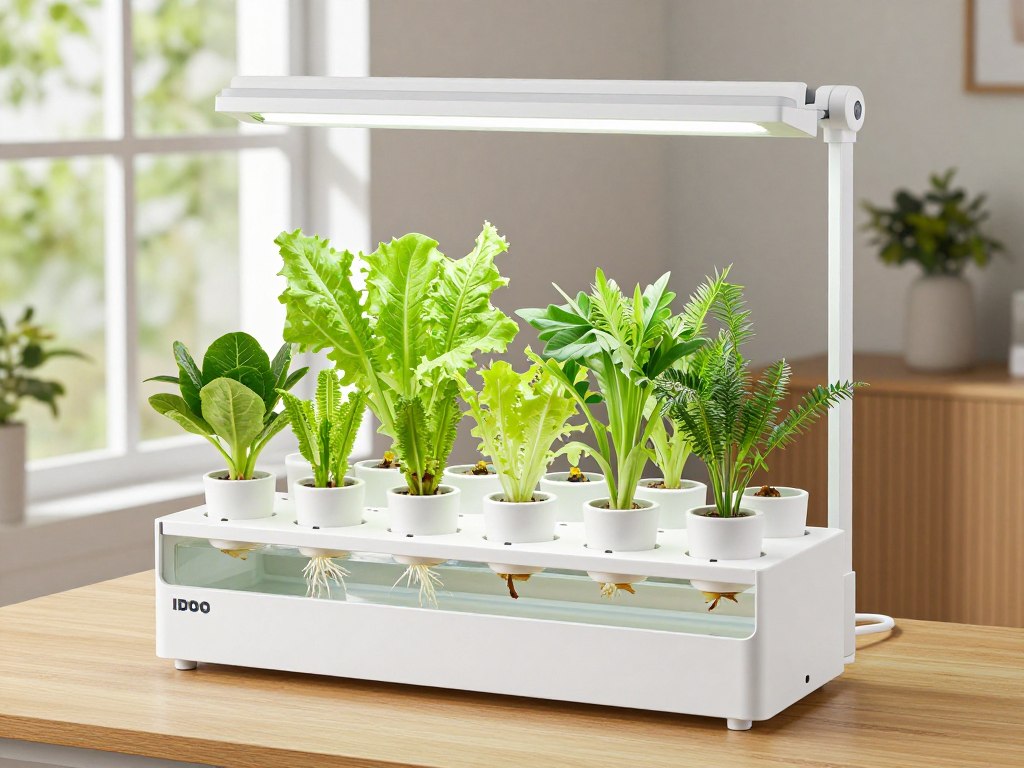
The IDOO system delivers impressive capacity at an affordable price point. With twelve growing pods, you’ll produce significantly more herbs and vegetables than smaller systems.
This hydroponic system features a 4.5-liter water tank that reduces refill frequency. The adjustable LED light extends up to 19 inches, accommodating taller plants like tomatoes and peppers as they mature.
Setup takes about ten minutes. Place seed pods in the basket cups, fill the reservoir, add nutrients, and turn on the system. The built-in pump circulates water automatically while the LED provides optimal growing light.
Key Features
- Twelve-pod capacity for maximum yield
- 22-watt full-spectrum LED with two lighting modes
- 4.5-liter water reservoir reduces maintenance
- Adjustable light height up to 19 inches
- Two growing modes for different plant types
Pros
- Excellent value for twelve growing sites
- Larger reservoir needs less frequent refills
- Accommodates taller plant varieties
- Quiet water pump operation
- Simple setup process
Cons
- No automatic nutrient reminders
- Plastic construction feels less premium
- Takes up more counter space
- Manual light timing required
Best For
This system suits families wanting to grow enough produce to make a real impact on grocery bills. The twelve-pod capacity produces substantial quantities of lettuce, kale, and herbs.
Choose the IDOO if you’re comfortable with slightly more hands-on maintenance. While not fully automated like premium models, it offers exceptional value for the growing capacity provided.
| Specification | Details |
| Dimensions | 13.4″ W x 9.8″ D x 14.6-19″ H |
| Water Capacity | 4.5 liter reservoir |
| Power Consumption | 22 watts LED |
| Plant Capacity | 12 pods |
| Warranty | 30-day money back, 1-year warranty |
Side-by-Side System Comparison
Still deciding which hydroponic system fits your needs? This comparison highlights the key differences between our top recommendations to help you choose wisely.
| System | Price Range | Capacity | Best For | Ease of Use | Action |
| AeroGarden Harvest | $$$ | 6 pods | Complete beginners, herbs | Excellent | View Deal |
| IDOO Hydroponics | $$ | 12 pods | Families, high yield | Very Good | View Deal |
| Moistenland System | $$ | 10 pods | Leafy greens, vegetables | Very Good | View Deal |
| Rise Gardens Single | $$$$ | 12 pods | Tech enthusiasts, app control | Excellent | View Deal |
| Back to Roots System | $ | 3-5 plants | Budget-conscious, small space | Good | View Deal |
Price guide: $ = Under $50, $$ = $50-$100, $$$ = $100-$200, $$$$ = Over $200
Moistenland Hydroponic Growing System
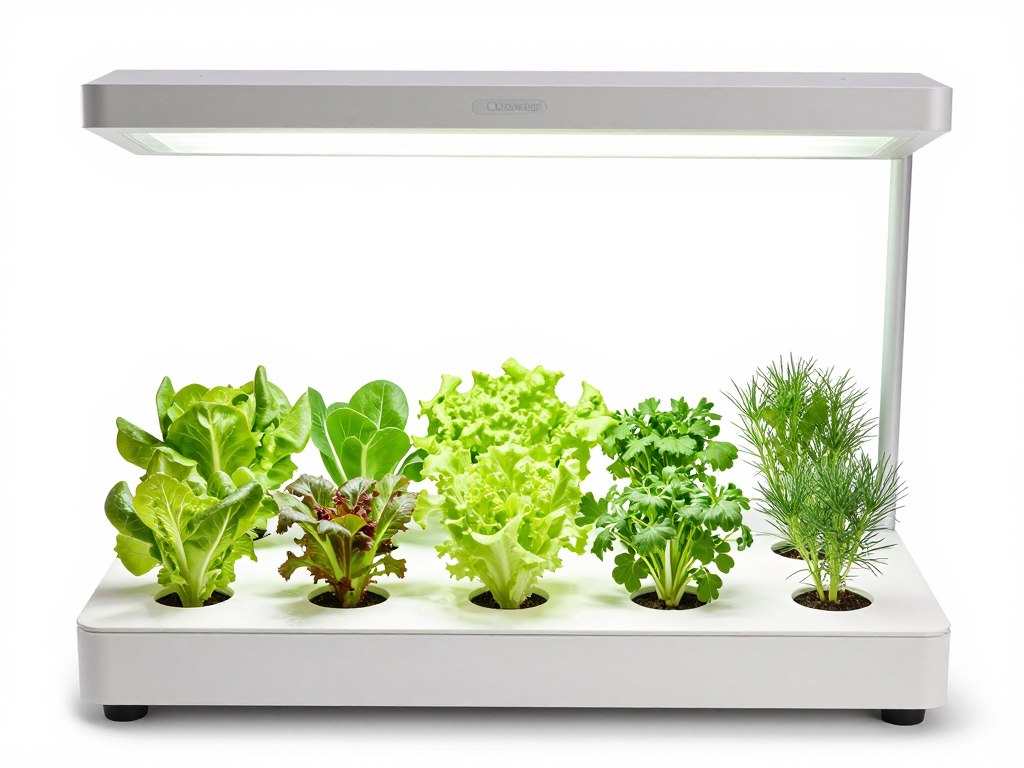
The Moistenland system balances capacity and convenience for intermediate beginners ready to grow more than herbs. Ten growing sites provide flexibility to experiment with different plant varieties simultaneously.
This hydroponic system features a 5-liter water tank and dual growing modes optimized for vegetables or flowers. The 24-watt LED panel delivers full-spectrum light suitable for all growth stages from seedling to harvest.
What sets this system apart is the quiet operation and efficient water circulation. The submersible pump runs silently while maintaining proper oxygenation for healthy root development. Adjustable light height accommodates plants up to 15 inches tall.
Key Features
- Ten-pod capacity for variety
- 24-watt full-spectrum LED with timer
- 5-liter water capacity reduces refills
- Dual growing modes for different plants
- Ultra-quiet pump technology
Pros
- Silent pump operation for bedrooms
- Good size for diverse plantings
- Efficient LED reduces electricity costs
- Easy reservoir access for cleaning
- Stable base prevents tipping
Cons
- Instructions could be clearer
- No water level indicator
- Limited customer support
- Seeds not included in package
Best For
Choose this system if you want to grow multiple vegetable types beyond basic herbs. It excels with leafy greens like lettuce, spinach, and kale while also handling cherry tomatoes and small peppers.
The quiet operation makes it suitable for bedrooms or offices where noise matters. The dual growing modes let you optimize conditions for whatever you’re cultivating.
| Specification | Details |
| Dimensions | 14.2″ W x 8.7″ D x 15.7″ H |
| Water Capacity | 5 liter reservoir |
| Power Consumption | 24 watts LED |
| Plant Capacity | 10 pods |
| Warranty | 90-day satisfaction guarantee |
Rise Gardens Personal Garden Single Level
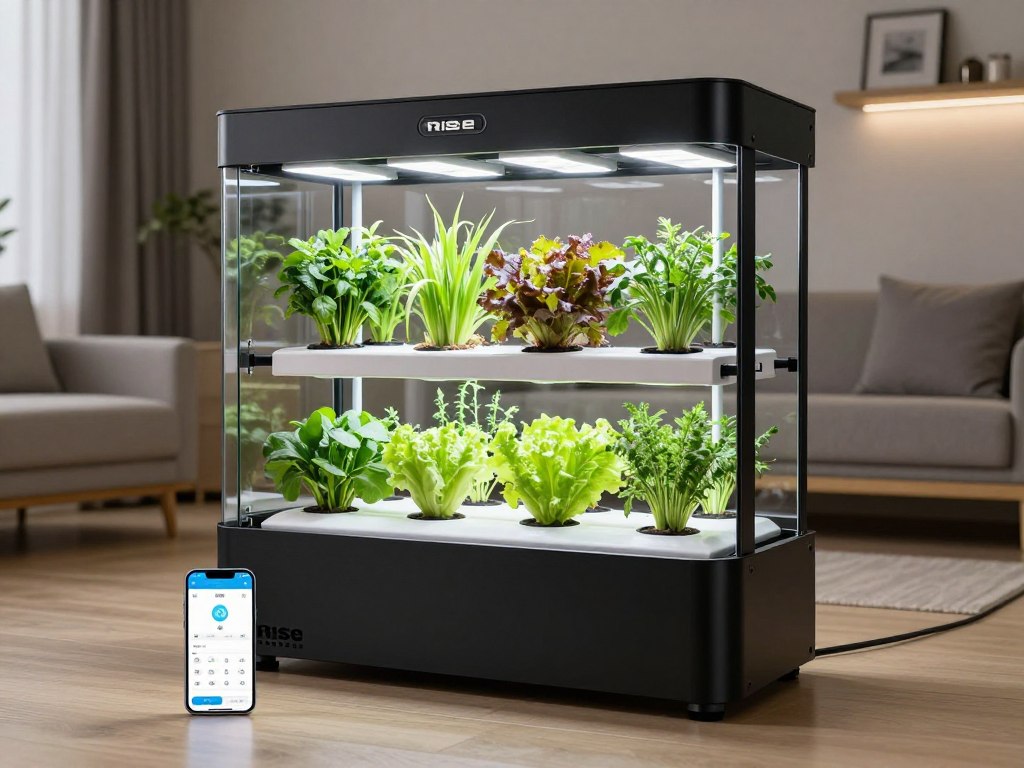
Rise Gardens brings smart technology to hydroponic gardening with their app-controlled system. This premium option targets tech-savvy gardeners who want automation and data tracking.
The system connects to your smartphone via WiFi. The app monitors water levels, tracks plant growth stages, and sends notifications when action is needed. You’ll receive reminders for adding nutrients or harvesting mature plants.
Built-in sensors measure water pH and nutrient concentration. The app displays this data in real-time and provides recommendations for optimal growing conditions. This takes the guesswork out of maintaining proper nutrient solution balance.
Key Features
- Twelve-pod capacity with smart tracking
- WiFi-enabled app control and monitoring
- Built-in pH and EC sensors
- Automated lighting schedule via app
- Expandable with additional levels
Pros
- Complete automation with app control
- Real-time monitoring prevents problems
- Premium construction and materials
- Excellent customer support
- Can expand vertically as needed
Cons
- Expensive initial investment
- Requires stable WiFi connection
- Ongoing costs for proprietary pods
- Large footprint needs dedicated space
Best For
This system suits gardeners willing to invest in premium equipment for maximum convenience. The smart features make it ideal for busy professionals who want fresh produce without daily maintenance.
Tech enthusiasts will appreciate the data tracking and automation. The ability to expand vertically makes this system scalable as your gardening ambitions grow.
| Specification | Details |
| Dimensions | 26″ W x 22″ D x 39″ H |
| Water Capacity | 8 gallon reservoir |
| Power Consumption | 48 watts LED |
| Plant Capacity | 12 large nurseries |
| Warranty | 1 year parts and labor |
Back to the Roots Water Garden
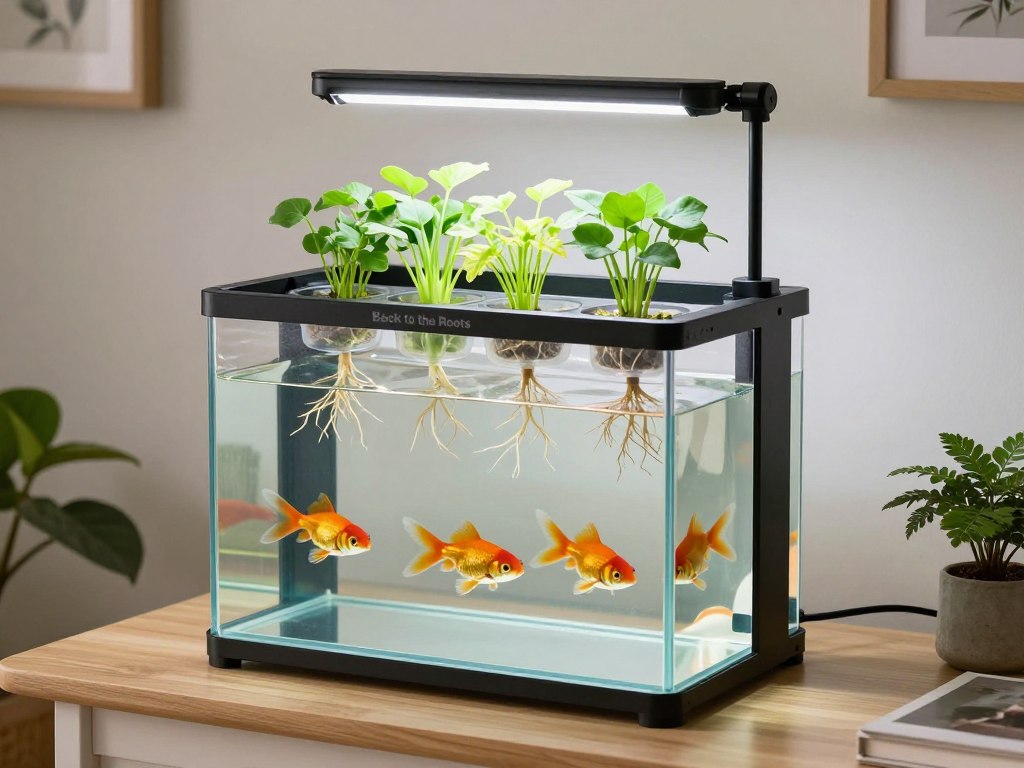
The Back to the Roots Water Garden offers the most affordable entry into hydroponic gardening. This compact system combines a fish tank with growing plants in a fascinating aquaponic setup.
Fish waste provides natural nutrients for plants growing above. Plant roots filter the water, keeping the tank clean for the fish. This creates a self-sustaining ecosystem that teaches valuable lessons about natural cycles.
Setup requires only basic assembly. Add water, introduce fish, plant seeds in the growing medium, and let nature do the work. The system needs no electricity beyond the fish tank pump you’ll need separately.
Key Features
- Three to five growing sites for herbs
- Aquaponic design combines fish and plants
- No additional nutrients required
- Compact 3-gallon tank footprint
- Educational for children and adults
Pros
- Extremely affordable entry point
- Self-sustaining ecosystem
- Great educational tool
- No ongoing nutrient costs
- Fun pet fish included
Cons
- Very limited growing capacity
- Requires separate grow light
- Fish care adds complexity
- Not suitable for larger plants
Best For
This system works well for curious beginners wanting to test hydroponics without major investment. It’s perfect for teaching children about ecosystems and plant biology through hands-on experience.
Expect to grow small herbs like basil or wheatgrass. The limited capacity means this won’t replace buying herbs at the store, but it provides valuable learning and a unique conversation piece.
| Specification | Details |
| Dimensions | 11″ W x 11″ D x 12″ H |
| Water Capacity | 3 gallon tank |
| Power Consumption | Separate light required |
| Plant Capacity | 3-5 small plants |
| Warranty | 30-day satisfaction guarantee |
How to Choose the Right Hydroponic System
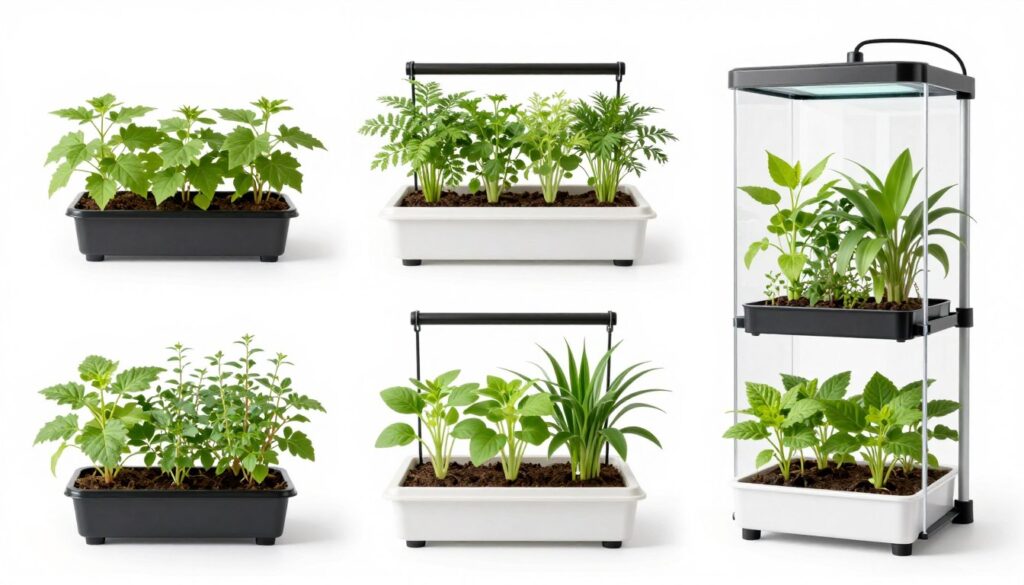
Selecting your first hydroponic system depends on several personal factors. Understanding these considerations helps you invest in equipment you’ll actually use rather than something that ends up collecting dust.
Space Available
Measure your intended growing location before buying. Countertop systems like the AeroGarden Harvest need minimal space but limit capacity. Floor-standing units like Rise Gardens produce more but require dedicated real estate.
Consider vertical clearance too. Some systems adjust light height as plants grow. Others have fixed dimensions that restrict what you can cultivate.
Plant Types You Want
Different plants have different needs. Small herbs and lettuce thrive in any system. Fruiting plants like tomatoes need more space and stronger lights.
Match your system to your goals. Want a steady supply of salad greens? A simple deep water system works perfectly. Dreaming of homegrown tomatoes? You’ll need something with more height and capacity.
Maintenance Level
Be honest about your available time and attention. Fully automated systems handle most tasks but cost more initially. Manual systems save money but require daily monitoring.
Consider your travel schedule. If you’re away frequently, invest in a larger reservoir and automation features. These prevent disasters when you can’t check your plants for several days.
Budget Considerations
Factor in both initial and ongoing costs. Starter systems begin around thirty dollars, while premium smart gardens exceed five hundred.
Remember recurring expenses like replacement seed pods, nutrients, and occasionally growing medium. Some systems use proprietary supplies that increase long-term costs.
First-Time Growers
Start with a small, automated system that minimizes variables and reduces failure risk.
- Choose six or fewer growing sites
- Pick systems with built-in lights
- Look for automatic reminders
- Avoid complex nutrient management
Experienced Gardeners
Consider systems offering more control and capacity to leverage your existing knowledge.
- Larger systems reward your attention
- Manual controls let you optimize
- Multiple systems for experimentation
- DIY options become viable
Apartment Dwellers
Compact countertop systems fit limited spaces while still producing meaningful harvests.
- Prioritize quiet operation
- Measure available counter space
- Consider light spillage at night
- Choose attractive designs
Families
Larger capacity systems provide enough produce to impact grocery bills meaningfully.
- Ten or more growing sites
- Durable construction for longevity
- Easy cleaning and maintenance
- Safe for curious children
Setting Up Your First Hydroponic System
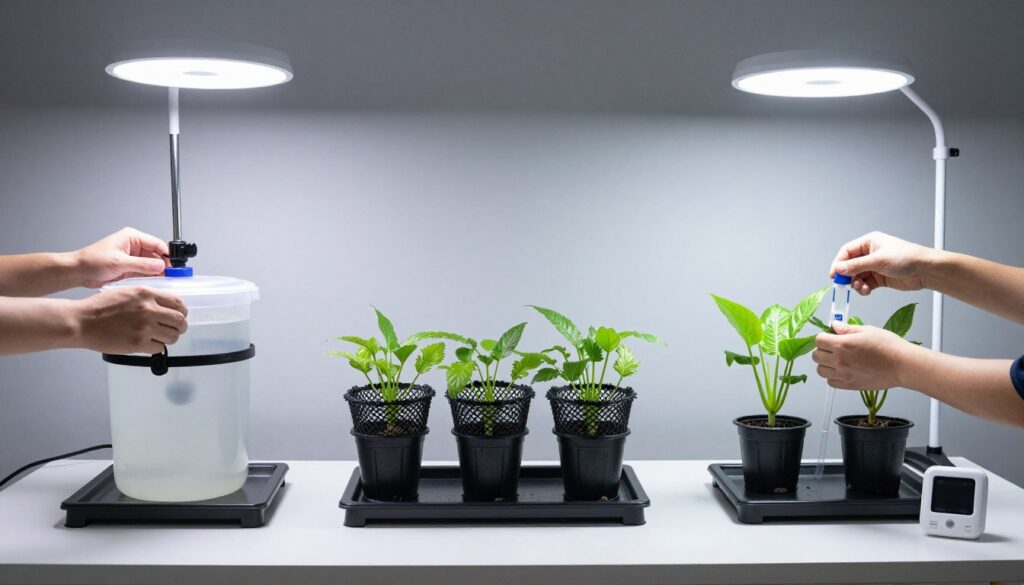
Most beginner hydroponic systems assemble quickly with minimal tools. Following proper setup procedures ensures successful growing from day one.
Initial Assembly
Unpack all components and verify nothing is missing before starting. Read the manufacturer instructions completely once before beginning assembly.
Place the reservoir on a level surface away from direct sunlight. Sunlight encourages algae growth in your nutrient solution. Position the system where you can easily access it for maintenance.
Water and Nutrients
Fill the reservoir with room temperature water. Cold water can shock young plants. Use filtered water if your tap water is very hard or heavily chlorinated.
Add hydroponic nutrients according to package directions. Less water than soil means you need concentrated nutrients. Most liquid fertilizers mix at one to two teaspoons per gallon.
Check pH levels after adding nutrients. Most plants prefer slightly acidic conditions between 5.5 and 6.5. Use pH up or down solutions to adjust if needed.
Planting
Place seed pods or transplants into net pots. If using transplants, gently wash soil from roots before inserting them into the system. Any remaining soil can harbor pests or diseases.
Growing medium like clay pellets or rock wool supports plants while allowing roots to access the nutrient solution. Fill net pots about three-quarters full with your chosen medium.
Lighting Setup
Position grow lights according to manufacturer specifications. Start with lights closer for seedlings, then raise them as plants mature. Most herbs need the light about six inches above their leaves.
Set timers for 14-16 hours of light daily. Plants need darkness periods for healthy growth. Consistent light schedules produce better results than variable timing.
Pro Tip: Label your plants with variety names and planting dates. This helps you track growth rates and plan future harvests. Many beginners forget what they planted where, especially with multiple similar-looking seedlings.
First Week Care
Check water levels daily during the first week. Seedlings use less water than mature plants, but you want to establish good monitoring habits early.
Watch for germination within 3-7 days depending on plant type. Herbs like basil sprout quickly while peppers take longer. Don’t panic if some seeds lag behind others.
Maintain stable room temperature between 65-75°F. Avoid placing systems near heating vents or air conditioning ducts where temperature swings occur.
Maintaining Your Hydroponic Garden
Regular maintenance keeps your hydroponic system running smoothly and plants thriving. Establishing simple routines prevents most common problems.
Daily Tasks
Check water levels in the reservoir each day. Plants consume more as they grow larger. Top off with fresh water when levels drop below the minimum mark.
Observe plant health visually. Look for yellowing leaves, wilting, or unusual discoloration. Catching problems early makes them easier to fix.
Verify lights turn on and off according to schedule. Timers occasionally fail or get bumped out of position. Consistent lighting matters for steady growth.
Weekly Maintenance
Test and adjust pH weekly using a digital meter or test strips. Nutrient uptake changes water chemistry over time. Most plants tolerate pH between 5.5 and 6.5.
Add nutrients according to your system’s feeding schedule. Many beginners underfeed, causing slow growth and pale leaves. Follow manufacturer recommendations initially, then adjust based on plant performance.
Clean any visible algae from reservoir walls or exposed surfaces. Algae competes with plants for nutrients and can clog pumps. A quick wipe prevents buildup.
Bi-Weekly Tasks
Change the nutrient solution completely every two weeks. This prevents nutrient imbalances as plants selectively absorb elements. Dump old solution, rinse the reservoir, and refill with fresh water and nutrients.
Inspect pumps and air stones for clogs. Mineral deposits can restrict water flow. Soak components in white vinegar if you notice reduced circulation.
Prune dead or yellowing leaves. This improves air circulation and redirects plant energy to healthy growth. Use clean scissors to avoid introducing diseases.
Monthly Deep Cleaning
Perform thorough cleaning of all system components monthly. Remove plants temporarily and scrub the reservoir, tubes, and growing trays with mild soap.
Rinse everything thoroughly after cleaning. Soap residue harms plants. Some growers use diluted hydrogen peroxide instead of soap for sanitizing.
Check all connections and seals for leaks or wear. Replace damaged parts before they fail. Keep spare tubing and fittings on hand for quick repairs.
Common Mistake: Many beginners change water too frequently, wasting nutrients and money. Unless you have severe problems, bi-weekly changes suffice for most systems. Between changes, simply top off with fresh water and add nutrients as needed.
Troubleshooting Common Problems
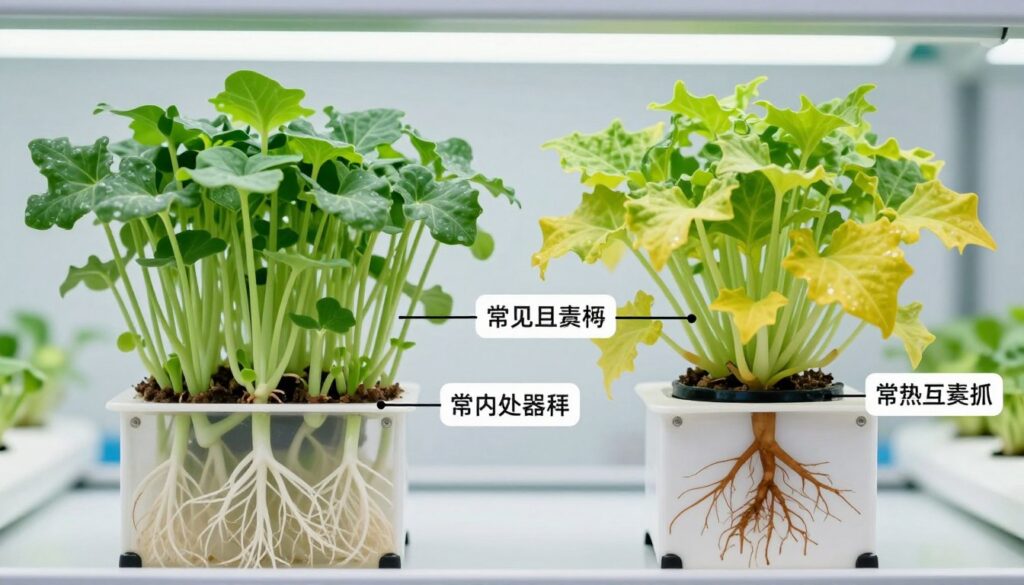
Even with careful maintenance, you’ll occasionally encounter issues. Recognizing symptoms early lets you correct problems before losing plants.
Yellowing Leaves
Yellow leaves usually indicate nutrient deficiency. Check when you last added fertilizer and verify you’re using the correct concentration.
Lower leaves yellowing naturally as plants mature is normal. But if new growth emerges pale, increase nutrient strength slightly. Start with 25% more and observe results over several days.
Slow Growth
Multiple factors cause stunted growth. Insufficient light ranks as the most common culprit. Verify your LED provides adequate intensity for the plant type.
Water temperature affects growth too. Cold nutrient solution below 60°F slows root function. Warm water above 75°F reduces oxygen levels. Aim for 65-72°F for optimal results.
Brown or Slimy Roots
Healthy roots appear white or cream-colored. Brown, slimy roots indicate root rot from insufficient oxygen or water-borne pathogens.
Increase aeration immediately if you notice this. Add another air stone or upgrade to a stronger pump. Consider using beneficial bacteria products that compete with harmful organisms.
Algae Growth
Green algae growth in the reservoir happens when light reaches the nutrient solution. While not directly harmful to plants, algae depletes oxygen and nutrients.
Cover all reservoir openings to block light. Use opaque materials rather than clear plastic for any exposed tubing. Clean existing algae with hydrogen peroxide solution.
Pump Failures
When pumps stop working, first check the power connection. Unplug and replug to reset. Verify the outlet provides power with another device.
If power isn’t the issue, disassemble and clean the pump. Mineral buildup or debris often causes blockages. Soak pump components in white vinegar to dissolve deposits.
Why are my plants growing slowly compared to soil?
Several factors might cause this. Check that your nutrient concentration matches recommendations for your plant type. Verify pH stays between 5.5-6.5. Ensure adequate lighting duration and intensity. Also confirm water temperature stays in the optimal 65-72°F range.
How often should I change the water?
For most systems, change the complete nutrient solution every two weeks. Between changes, top off with fresh water and add nutrients to maintain proper concentration. If plants show deficiency symptoms or water becomes cloudy, change it sooner.
Can I use regular fertilizer in my hydroponic system?
No, use only fertilizers formulated specifically for hydroponics. Regular garden fertilizers lack the complete nutrient profile plants need without soil. They can also contain additives that clog hydroponic equipment or harm plant roots directly.
What should I do if my pump stops working?
First verify the power source. Check that the outlet works and the pump is plugged in securely. If power is fine, clean the pump by soaking it in white vinegar to remove mineral buildup. Disassemble and rinse thoroughly before reinstalling.
Best Plants for Beginner Hydroponic Systems
Starting with easy-to-grow plants builds confidence and helps you learn system management without high-stakes pressure. These varieties tolerate minor mistakes while delivering satisfying harvests.
Leafy Greens
Lettuce varieties top the list for hydroponic beginners. They grow quickly, reaching harvest size in 4-6 weeks. Buttercrunch, romaine, and loose-leaf types all perform excellently in any system type.
Spinach and kale provide nutrient-dense harvests with minimal fuss. These greens tolerate cooler temperatures and don’t require intense lighting. You can harvest outer leaves continuously while the plant keeps producing.
Swiss chard offers colorful stems and tender leaves. It grows vigorously in hydroponic setups and tolerates varying light conditions better than some alternatives.
Herbs
Basil grows so well hydroponically that commercial growers favor this method. You’ll get bushy plants bursting with aromatic leaves. Pinch tips regularly to encourage branching and delay flowering.
Mint varieties thrive in water-based systems. Their aggressive growth habit becomes an asset rather than a problem since they can’t spread through soil. Harvest frequently to keep plants compact.
Cilantro grows quickly but bolts to seed easily. Succession planting every two weeks maintains a steady supply. The rapid growth makes it ideal for practicing your technique.
Parsley starts slowly but produces for months once established. Both curly and flat-leaf types adapt well to hydroponic growing. One plant provides enough for regular cooking use.
Easy Vegetables
Cherry tomatoes reward patient beginners with sweet fruit. They need sturdy support as plants mature and produce heavily. Determinate varieties stay more compact than indeterminate types.
Small pepper varieties like jalapeños or mini bells work in larger systems. They need more light than leafy greens but aren’t overly demanding. Harvest when fruits reach full color for best flavor.
Radishes grow incredibly fast, maturing in 3-4 weeks. They work well in deeper growing media that accommodates the developing root. This makes them perfect for ebb and flow systems.
Easiest for Beginners
- Lettuce (all varieties)
- Basil
- Mint
- Spinach
- Arugula
Moderate Difficulty
- Cherry tomatoes
- Peppers
- Kale
- Swiss chard
- Cucumber
Advanced Plants
- Large tomatoes
- Melons
- Squash
- Cauliflower
- Brussels sprouts
Cost Analysis: Hydroponics vs Traditional Gardening
Understanding the financial commitment helps set realistic expectations. Hydroponic systems require more upfront investment but can save money over time depending on your usage.
Initial Investment
Starter hydroponic systems range from thirty dollars for basic DIY setups to five hundred or more for premium smart gardens. Budget systems work fine for learning but may frustrate as you gain experience.
Mid-range systems between one hundred and two hundred dollars offer the best value for most beginners. They include quality components without unnecessary premium features.
Traditional container gardening costs less initially. Pots, soil, and seeds might total twenty to forty dollars. However, you’ll spend more on ongoing supplies like fertilizer and pest control.
Operating Costs
Electricity for LED lights and pumps adds ongoing expense. Efficient LED systems use 20-50 watts, costing about two to five dollars monthly at average electricity rates.
Nutrients run five to fifteen dollars per bottle. One bottle typically lasts 3-6 months for small systems. This compares favorably to buying organic fertilizer for container gardens.
Replacement seeds or starter pods cost varies by system. Proprietary pods from companies like AeroGarden cost more than standard seed packets. Many growers switch to generic pods or rock wool cubes after initial harvests.
Harvest Value
Compare your harvest to grocery store prices for perspective. Fresh basil costs three to four dollars per ounce retail. A single hydroponic plant produces several ounces weekly at peak growth.
Organic lettuce runs four to six dollars per head. A six-pod system can produce that much lettuce every two weeks once established. The savings accumulate quickly if you regularly buy these items.
Account for produce you’d otherwise waste. Hydroponics lets you harvest exactly what you need when you need it. No more throwing away half a bunch of wilted herbs.
| Cost Factor | Hydroponic System | Traditional Container Garden |
| Initial Setup | $100-200 average | $20-40 average |
| Monthly Electricity | $2-5 | $0 |
| Nutrients/Fertilizer | $2-3 monthly | $3-5 monthly |
| Growing Medium | $10-20 yearly | $15-30 yearly |
| Seeds/Pods | $15-40 yearly | $10-20 yearly |
| Typical Harvest Value | $40-80 monthly | $20-40 monthly |
Our Final Recommendations
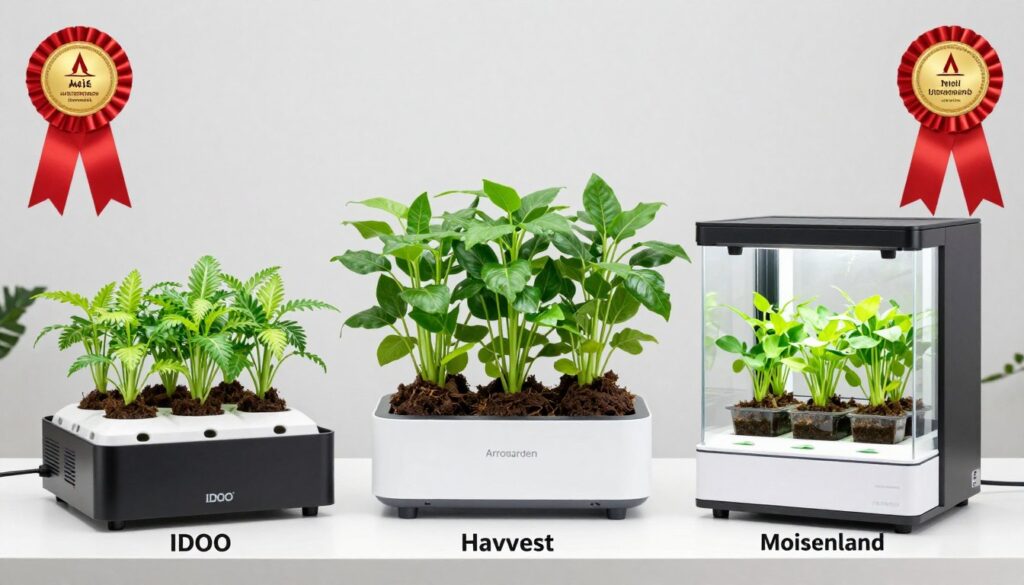
After reviewing dozens of hydroponic systems and considering various use cases, we’ve identified clear winners for different beginner scenarios.
Best Overall for Beginners
The AeroGarden Harvest remains our top recommendation for most first-time hydroponic gardeners. Its combination of complete automation, compact size, and reliable performance makes it nearly foolproof.
You’ll pay more upfront, but the ease of use and consistent results justify the investment. This system lets you focus on enjoying fresh herbs rather than troubleshooting technical issues.
Best Value Pick
The IDOO Hydroponics Growing System delivers impressive capacity at half the price of premium options. Twelve growing pods produce enough herbs and greens for a family.
You’ll handle some tasks manually that automated systems do automatically. But for budget-conscious gardeners willing to invest minimal time, this represents excellent value.
Match Your System to Your Goals
Consider what success looks like for you. If you simply want fresh basil for pasta without hassle, a small automated system fits perfectly. Planning to supplement your family’s vegetable consumption? You’ll need larger capacity.
Your available time matters too. Busy professionals benefit from automation that handles daily tasks. Retired gardeners might enjoy more hands-on systems that let them apply their existing knowledge.
Space constraints often make the decision for you. Countertop systems work in apartments while dedicated floor units require more room. Measure your available space before falling in love with a particular model.
Ready to Start Growing?
The AeroGarden Harvest gives beginners the highest success rate with minimal learning curve. Everything you need arrives in one box, ready to start producing fresh herbs within weeks.
Your Next Steps
Starting your hydroponic journey doesn’t require extensive preparation. With the right system and basic understanding, you’ll harvest your first crop within weeks.
Choose Your System
Review the options covered in this guide and select the system that matches your space, budget, and goals. Don’t overthink this decision. Any quality system teaches valuable lessons even if you eventually upgrade.
Order your system along with any additional supplies needed. Most kits include starter nutrients and seeds, but verify what’s in the box before purchasing separately.
Prepare Your Space
Select a location with stable temperature and easy access for maintenance. Near a kitchen sink simplifies water changes. Proximity to electrical outlets matters for lights and pumps.
Protect surrounding surfaces from potential water splashes or spills. A waterproof mat or tray underneath your system prevents damage to counters or floors.
Start Small
Resist the urge to fill every growing site immediately. Begin with three to four plants while learning your system. This lets you focus attention and catch problems before they spread.
Choose forgiving herbs like basil or lettuce for your first harvest. These fast-growing plants provide quick feedback on your technique. Success builds confidence for trying more challenging varieties later.
Join the Community
Connect with other hydroponic gardeners through online forums or social media groups. Experienced growers willingly share advice and troubleshooting help. You’ll learn tricks that aren’t in any manual.
Document your growing journey with photos and notes. Tracking what works helps you refine your approach. You’ll also enjoy looking back at your progress as skills develop.
First Harvest Timeline: Most beginners see their first results within 3-4 weeks for fast-growing herbs and greens. Vegetables like tomatoes and peppers take 8-12 weeks from planting to harvest. Plan accordingly and enjoy watching daily growth in the meantime.
Conclusion
Hydroponic gardening opens possibilities that traditional methods can’t match. Growing fresh vegetables and herbs indoors year-round transforms your relationship with food and connects you to natural cycles.
The systems reviewed here represent proven options for beginners. Each offers reliable performance at different price points and capacity levels. Your perfect choice depends on individual circumstances rather than a universal “best” system.
Start with reasonable expectations. Your first harvest won’t look like commercial greenhouse produce. But the satisfaction of eating something you grew yourself, combined with the superior flavor of freshly picked herbs, makes every small challenge worthwhile.
The learning curve feels steep initially but flattens quickly. Within a few weeks, maintenance becomes routine. Within a few months, you’ll confidently troubleshoot issues and optimize your setup for maximum yields.
Take the first step today. Choose a system that fits your situation and order it. The sooner you start, the sooner you’ll harvest. Your future self will thank you for beginning this rewarding journey into soilless gardening.