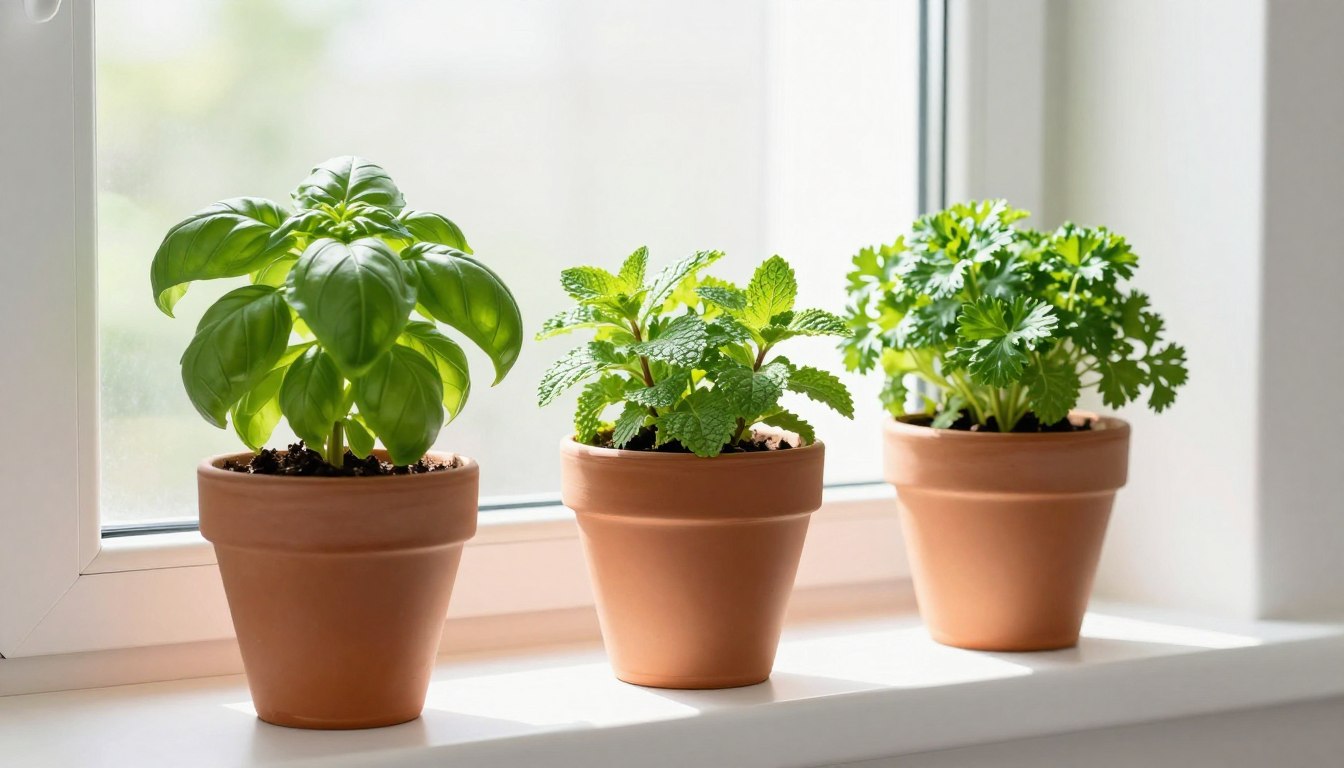
Store-bought herbs wilt within days, cost several dollars per bundle, and often contain pesticide residues. When you grow herbs at home, you gain constant access to the freshest possible ingredients while saving money and avoiding chemicals. Best of all, these three popular herbs—basil, mint, and parsley—are among the easiest plants to cultivate indoors, even if you’ve never gardened before.
This comprehensive guide walks you through everything you need to know about growing these kitchen essentials indoors. You’ll discover how to select the right containers and soil, create the perfect environment with proper light and temperature, maintain healthy plants through simple care routines, and troubleshoot common problems before they become serious. Whether you live in a tiny apartment or a spacious house, in Florida or Alaska, you can enjoy fresh herbs twelve months a year.
Why Growing Herbs Indoors Changes Everything
Indoor herb gardening offers benefits that extend far beyond having fresh ingredients nearby. When you grow basil, mint, and parsley in your home, you create a sustainable system that keeps producing with minimal effort and cost.
Financial and Practical Benefits
A single bunch of fresh basil at the grocery store costs between $3-5 and lasts perhaps a week before wilting. A basil plant costs about the same but produces leaves continuously for months. Mint grows so vigorously that one plant can supply your household indefinitely. Parsley keeps producing when you harvest correctly, giving you fresh garnishes and flavor whenever you need them.
You eliminate waste because you harvest only what each recipe requires. No more throwing away half-used bundles that turned slimy in your refrigerator’s produce drawer. You also avoid multiple trips to the store just for herbs, saving time and gas money.
Health and Environmental Advantages
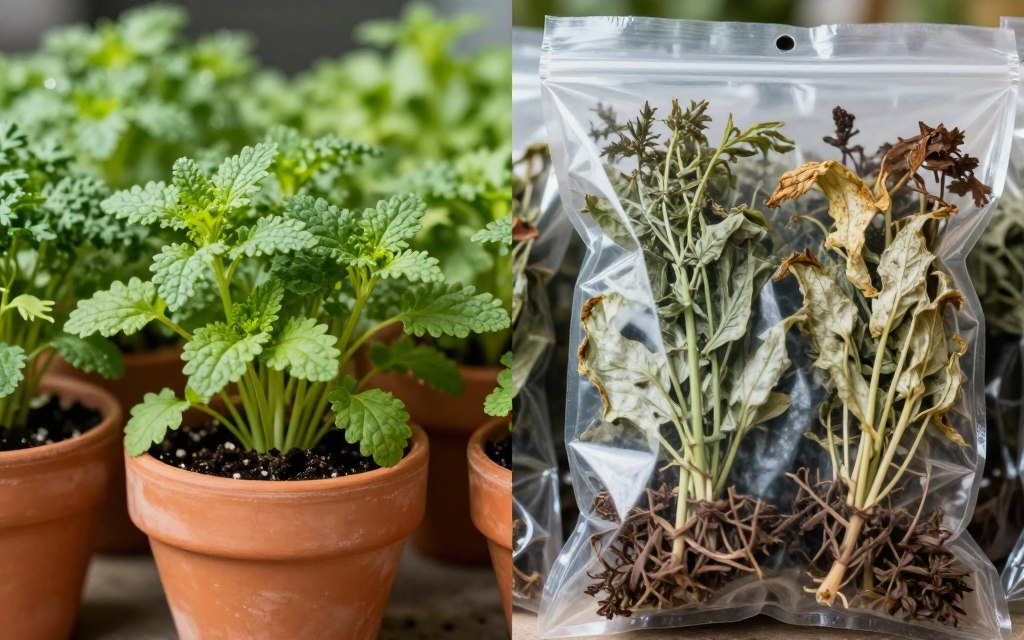
When you control your herb garden, you decide what goes into the soil and onto the leaves. No pesticides, no mystery chemicals, just pure, clean herbs. Fresh herbs contain higher concentrations of beneficial oils, vitamins, and antioxidants compared to dried versions or those that traveled thousands of miles to reach your grocery store.
Growing herbs at home reduces your carbon footprint by eliminating transportation and plastic packaging. Your kitchen becomes greener both literally and environmentally. Studies show that tending plants reduces stress and improves air quality, making your indoor herb garden a wellness practice as much as a culinary resource.
Understanding Your Herbs: Basil, Mint, and Parsley
Success with growing basil mint parsley indoors year-round begins with understanding each herb’s unique characteristics, growth habits, and flavor profiles. These three herbs offer different tastes and textures while sharing similar basic care requirements that make them perfect companions for indoor cultivation.
Basil: The Sweet Italian Classic
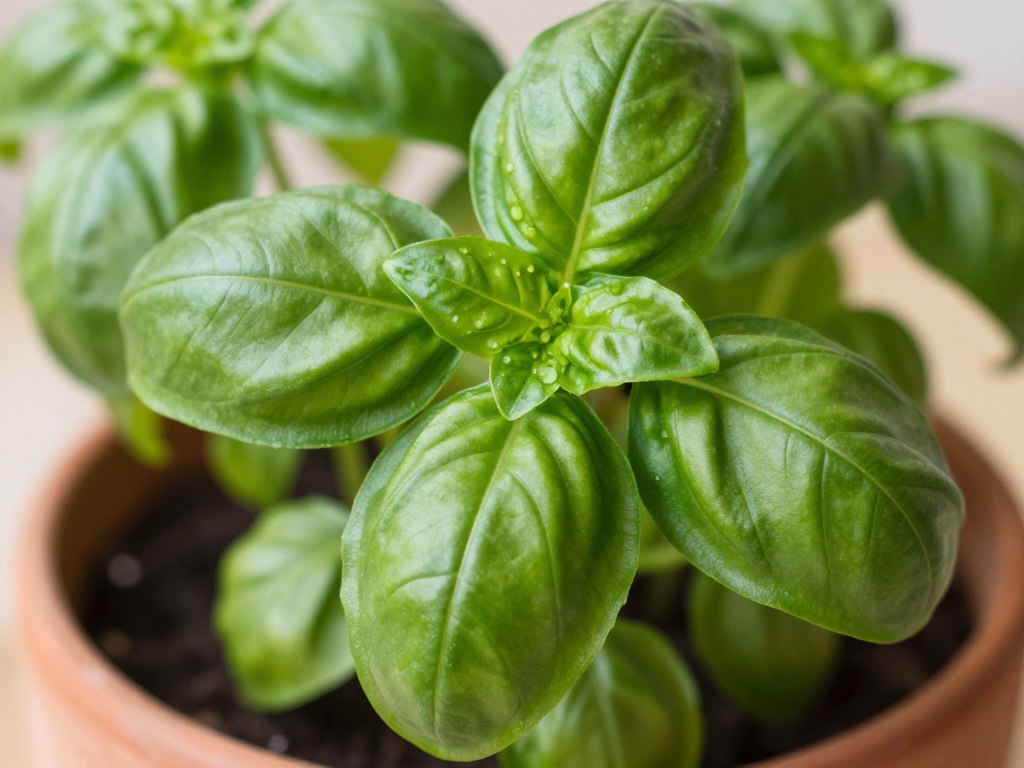
Basil brings a sweet, slightly peppery flavor with hints of anise and clove. This annual herb grows quickly, producing tender leaves that elevate pasta dishes, caprese salads, pesto, and countless other recipes. Sweet basil remains the most popular variety, though purple basil, Thai basil, and lemon basil offer interesting alternatives.
Basil plants grow 12-24 inches tall indoors and produce continuously when you harvest regularly. They thrive in warm conditions and dislike cold drafts. As a warm-season annual, basil naturally wants to flower and produce seed, but pinching off flower buds redirects energy into leaf production, extending your harvest for months.
Mint: The Vigorous Spreader
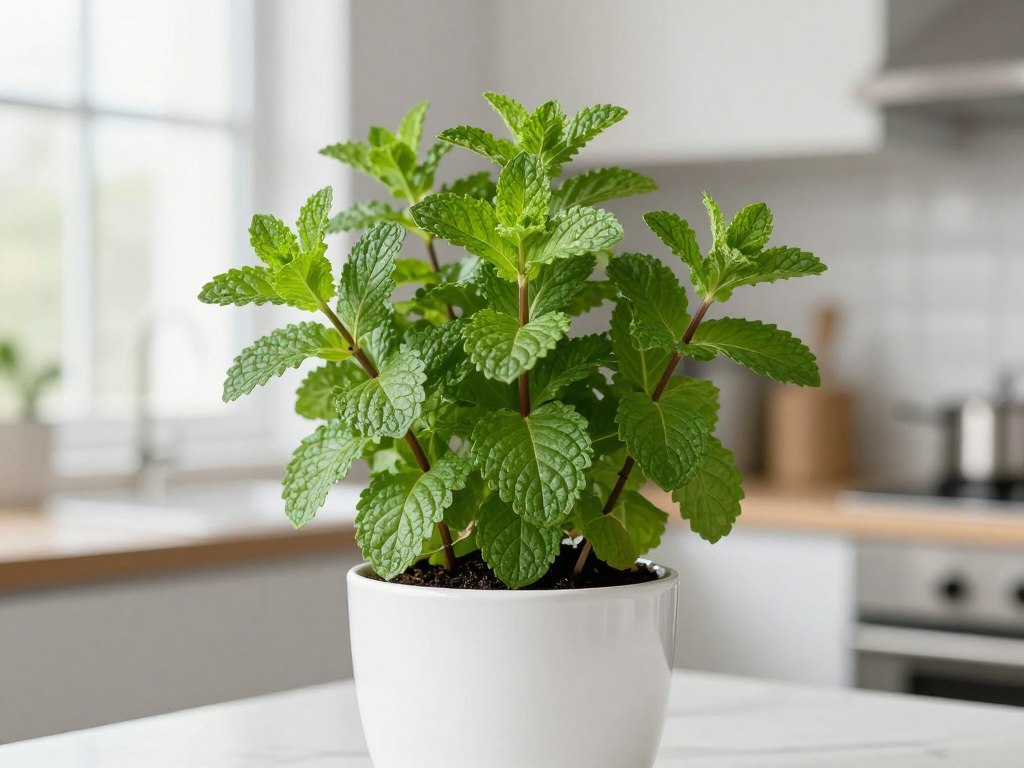
Mint delivers a cool, refreshing flavor with menthol notes that brighten beverages, desserts, Middle Eastern dishes, and summer salads. Spearmint and peppermint are the most common varieties, with spearmint offering a sweeter taste and peppermint providing a stronger menthol kick.
This perennial herb grows aggressively—sometimes too aggressively. Outdoors, mint can take over entire garden beds, but containers control its enthusiastic spreading habit. Mint reaches 12-18 inches tall indoors and tolerates lower light levels better than basil. The plant’s resilience makes it nearly impossible to kill, perfect for beginners.
Parsley: The Versatile Workhorse
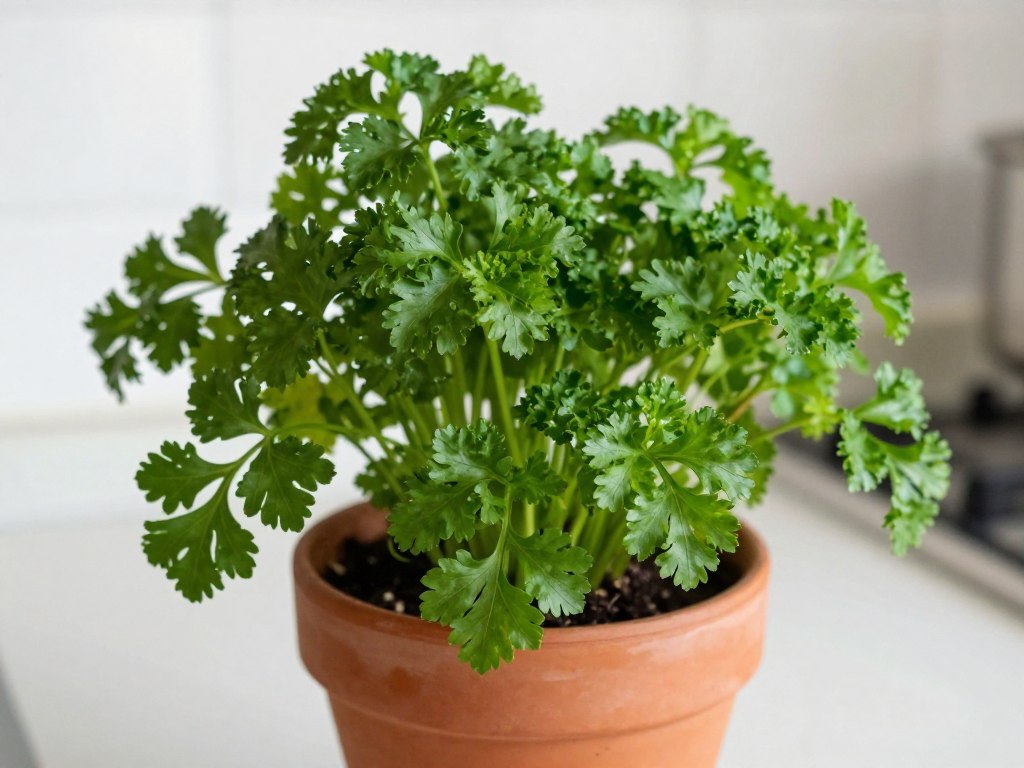
Parsley offers a fresh, slightly bitter flavor with earthy undertones that complement rather than dominate dishes. Flat-leaf (Italian) parsley provides stronger flavor for cooking, while curly parsley works better as an attractive garnish. Both varieties deliver vitamin C, vitamin K, and beneficial antioxidants.
As a biennial, parsley focuses on leaf production during its first year before flowering in the second season. Indoors, you can extend the productive phase by preventing flowering. Parsley grows 8-12 inches tall with a neat, compact habit. It germinates slowly (2-3 weeks) but grows steadily once established, tolerating slightly cooler conditions than basil.
Start Your Indoor Herb Garden the Right Way
Download our FREE Indoor Herb Growing Checklist with everything you need to successfully grow basil, mint, and parsley year-round. Get the complete supply list, setup instructions, care schedule, and troubleshooting tips in one simple printable guide.
Getting Started: Seeds, Seedlings, and Supplies
Before your herbs can thrive indoors, you need to make several foundational decisions about how to start your plants and what materials to use. The right choices at this stage prevent problems later and set you up for months of successful harvests.
Seeds vs. Starter Plants: Which Should You Choose?
Starting from seeds costs less and offers more variety options. You can find specialty basil varieties, different mint cultivars, and both parsley types easily in seed form. Seeds work well for basil, which germinates quickly (5-10 days), but require patience for parsley, which takes 2-3 weeks to sprout.
To start seeds indoors, plant them in small containers or seed-starting trays filled with sterile seed-starting mix. Plant basil seeds 1/4 inch deep, mint seeds on the surface (they need light to germinate), and parsley seeds 1/4 inch deep. Keep the soil consistently moist and maintain temperatures around 70°F. Once seedlings develop 2-3 true leaves, transplant them into larger pots.
Purchasing starter plants from a garden center or grocery store gives you an instant head start. You can harvest within days rather than waiting weeks for germination and growth. Starter plants work especially well for beginners who want immediate results and for herbs like mint, which can be tricky to start from seed.
When selecting starter plants, look for vibrant green leaves without yellow spots, sturdy stems, and moist (not waterlogged) soil. Avoid plants that have already started flowering, as they may be stressed. Inspect carefully for pests like aphids or whiteflies before bringing plants into your home.
Selecting Containers for Your Indoor Herb Garden
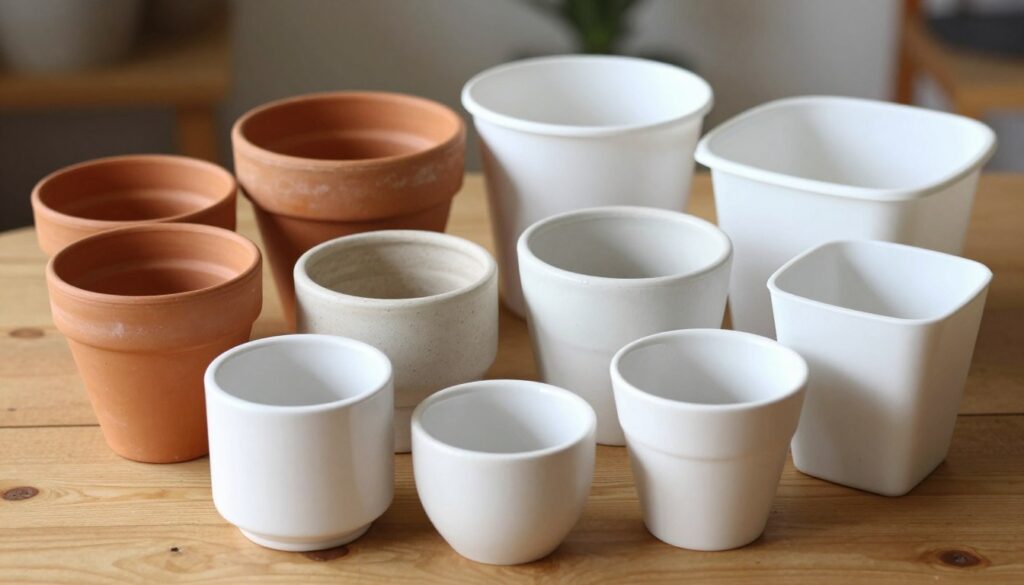
Container selection directly impacts your herbs’ health because it determines drainage, root space, and moisture retention. The ideal pot provides adequate room for growth while preventing water from accumulating around roots.
- Size matters: Use 6-8 inch diameter pots for individual herb plants. Basil and parsley perform well in 8-inch pots, while mint may eventually need a 10-inch container as it fills out.
- Drainage is mandatory: Every container must have drainage holes in the bottom. Without drainage, water accumulates, oxygen cannot reach roots, and root rot develops quickly. If you love a decorative pot without holes, use it as an outer sleeve for a plastic nursery pot with drainage.
- Material considerations: Terracotta clay pots breathe well and prevent overwatering but dry out faster, requiring more frequent watering. Plastic pots retain moisture longer and cost less but don’t allow air exchange through pot walls. Ceramic glazed pots look attractive and hold moisture moderately. Choose based on your watering habits—if you tend to overwater, use terracotta; if you sometimes forget to water, plastic works better.
- Saucers prevent mess: Place saucers or trays under pots to catch drainage water and protect your windowsills and counters. Empty saucers after watering so plants don’t sit in standing water.
Choosing the Right Potting Mix
Regular garden soil compacts in containers, suffocates roots, and may contain pests, diseases, or weed seeds. Always use a quality potting mix specifically formulated for container plants. These mixes stay light and fluffy, allow water to drain while retaining appropriate moisture, and provide proper aeration for healthy root development.
Look for potting mixes containing ingredients like peat moss or coconut coir (for moisture retention), perlite or vermiculite (for drainage and aeration), and compost (for nutrients). Many quality mixes include a starter charge of fertilizer that feeds plants for the first 4-6 weeks. Avoid mixes labeled as “garden soil” or “topsoil,” which are too dense for containers.
For herbs that prefer drier conditions like mint after establishment, you can improve drainage by mixing in extra perlite—add about one part perlite to four parts potting mix. This creates a faster-draining medium that prevents the moisture-related problems these herbs sometimes experience indoors.
Creating the Perfect Indoor Environment for Growing Basil Mint Parsley Indoors Year-Round
Light, temperature, and humidity form the environmental trinity that determines whether your indoor herbs merely survive or truly thrive. Getting these factors right transforms your herbs from struggling survivors into productive plants that supply your kitchen for months.
Light: The Most Critical Factor
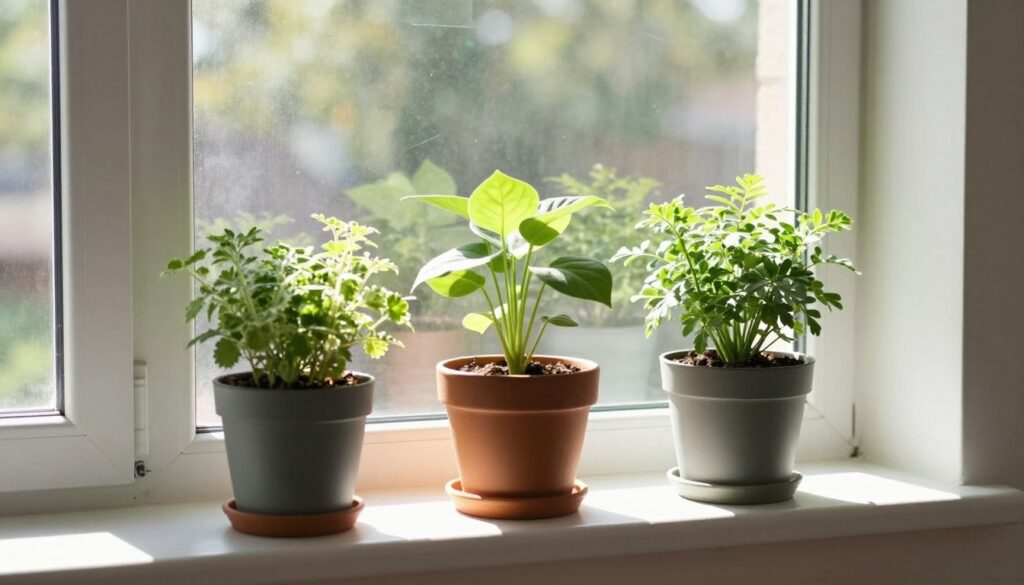
Herbs need substantial light to produce the essential oils that create their distinctive flavors and aromas. Insufficient light results in leggy, weak plants with sparse foliage and diminished taste. Understanding your home’s natural light patterns and supplementing when necessary ensures robust herb growth.
Natural Sunlight Requirements
Basil demands 6-8 hours of direct sunlight daily and performs best in bright conditions. Parsley needs 4-6 hours of direct light and tolerates some indirect brightness. Mint is the most flexible, growing well with 4-6 hours of light and accepting partial shade better than the others.
South-facing windows provide the strongest, most consistent light in the Northern Hemisphere (north-facing in the Southern Hemisphere). East-facing windows offer gentler morning sun suitable for all three herbs. West-facing windows give afternoon light that can be intense in summer. North-facing windows rarely provide sufficient natural light for successful herb growing without supplementation.
Rotate pots every few days so all sides receive equal light exposure. This prevents plants from leaning heavily toward the window and promotes even, balanced growth. During winter months when days shorten, even sunny windows may not provide adequate duration of light, making supplemental lighting valuable.
Grow Lights: Your Winter Solution
When natural sunlight falls short, grow lights bridge the gap and can even produce better results than windowsill growing. Modern LED grow lights are energy-efficient, produce minimal heat, and offer full-spectrum light that closely mimics natural sunlight.
Position grow lights 6-12 inches above plant tops for basil and mint, slightly closer for parsley. As plants grow, adjust light height to maintain this distance. Run lights for 12-16 hours daily using an automatic timer for consistency. Plants need a dark period for rest—continuous light stresses them.
Look for grow lights labeled “full spectrum” or showing both blue light (for vegetative growth) and red light (for flowering, though you’ll prevent this). Simple fluorescent shop lights work adequately, but LED panels designed for plants provide better results with lower electricity costs. Many compact LED grow light systems are specifically designed for kitchen herb gardens.
Temperature: Keep It Comfortable
The three herbs you’re growing prefer temperatures similar to what humans find comfortable, making most homes naturally suitable. Maintain daytime temperatures between 65-75°F (18-24°C) with slightly cooler nights. Basil is the most temperature-sensitive and suffers when temperatures drop below 50°F (10°C), while mint and parsley tolerate slightly cooler conditions.
Avoid placing herbs near heat sources like radiators, heating vents, or stoves, which create hot spots and dry out soil rapidly. Similarly, keep plants away from cold drafts from doors, windows, or air conditioning vents. Temperature fluctuations stress herbs and can trigger bolting (premature flowering), especially in basil.
Humidity: Managing Indoor Air Quality
Indoor air, particularly during winter heating season, tends to be drier than outdoor conditions. While the herbs you’re growing tolerate typical household humidity levels reasonably well, they appreciate 40-50% relative humidity. Very dry air (below 30%) can cause leaf edges to brown and crisp.
Easy Ways to Increase Humidity: Group herb pots together so plants create their own microclimate through transpiration. Place pots on a tray filled with pebbles and water—as water evaporates, it raises local humidity without wetting soil. Avoid misting leaves, which can promote fungal diseases; instead, focus on maintaining proper soil moisture and using a small humidifier nearby if your home is very dry.
Good air circulation prevents fungal problems while managing humidity. A small fan set on low, positioned to move air gently around plants without directly blasting them, improves air flow and strengthens stems. Opening windows occasionally (when outdoor temperatures permit) refreshes indoor air and benefits both plants and people.
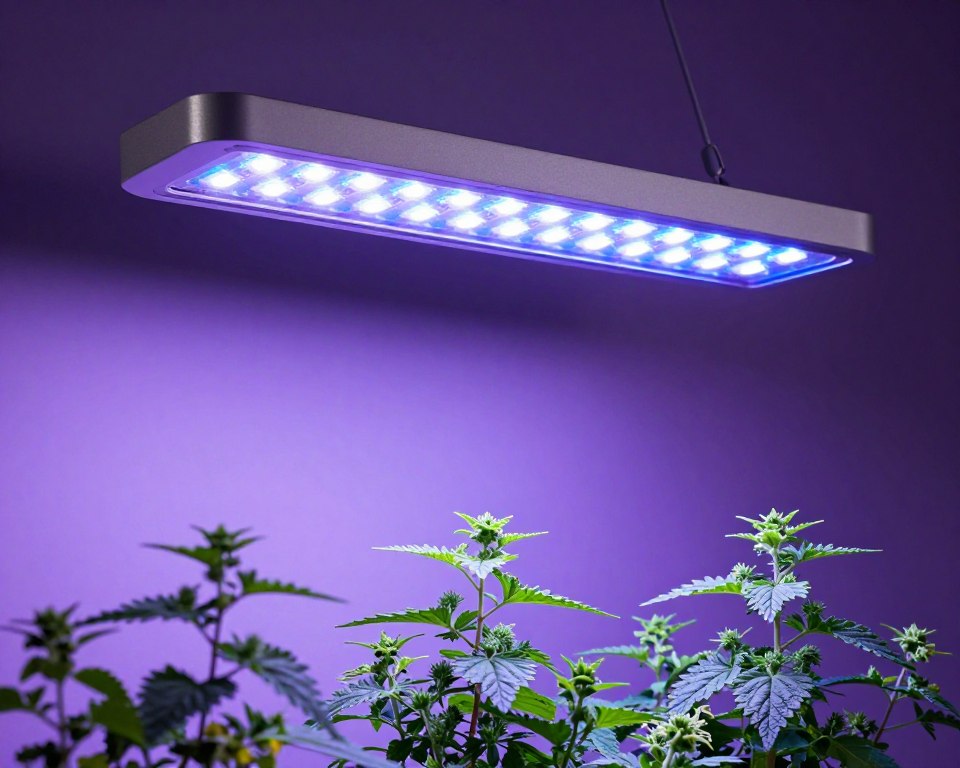
Full-Spectrum LED Grow Light
This energy-efficient grow light provides the complete light spectrum your basil, mint, and parsley need for robust growth. Features adjustable height, built-in timer, and low heat output—perfect for year-round indoor herb gardening, especially in homes with limited natural light.
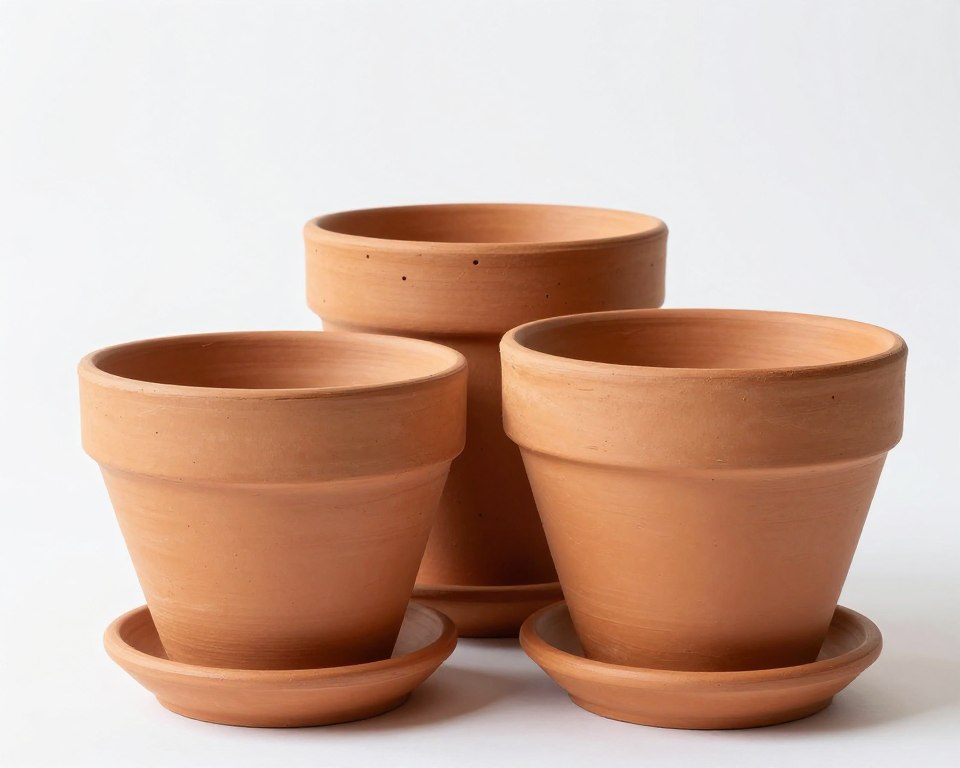
Terracotta Pot Set with Saucers
Classic terracotta pots with proper drainage holes prevent overwatering—the number one killer of indoor herbs. This set includes multiple sizes perfect for basil, mint, and parsley, plus saucers to protect your surfaces. The breathable clay naturally wicks excess moisture from soil.
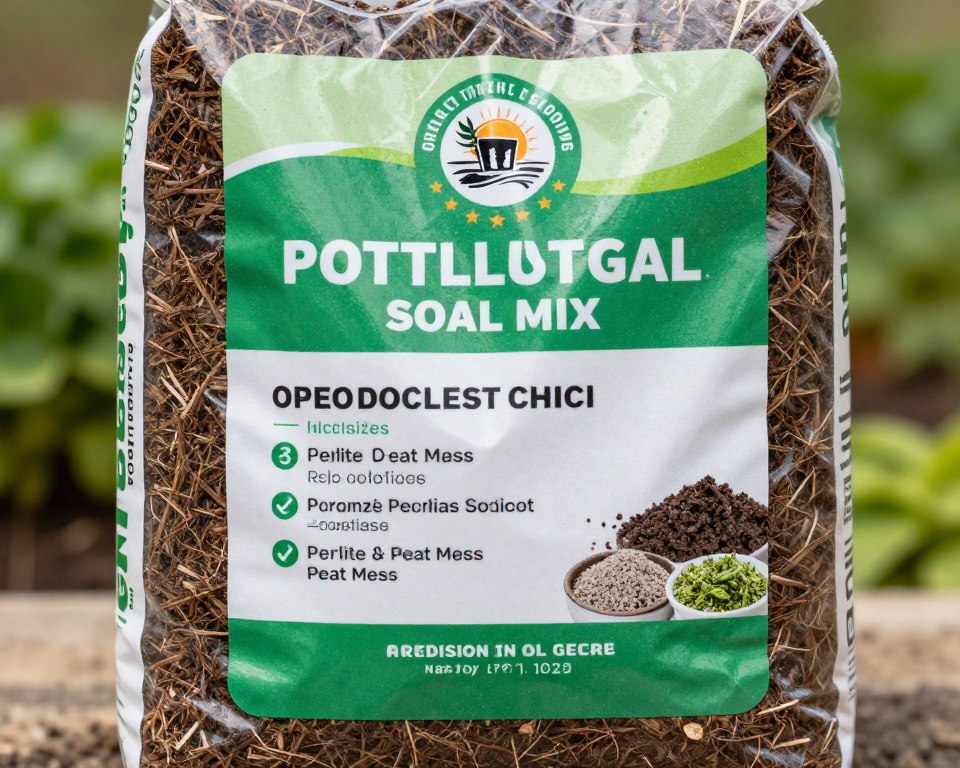
Premium Organic Potting Mix
This well-draining potting mix contains the perfect blend of peat moss, perlite, and compost to give your herbs the light, airy soil they need. Pre-fertilized to feed plants for up to 6 weeks, it eliminates the guesswork from soil selection for beginning herb gardeners.
Daily and Weekly Care for Thriving Indoor Herbs
Growing basil mint parsley indoors year-round requires establishing simple routines that keep your plants healthy without consuming much time. Consistent attention to watering, feeding, and basic maintenance prevents most problems before they start.
Watering: The Goldilocks Challenge
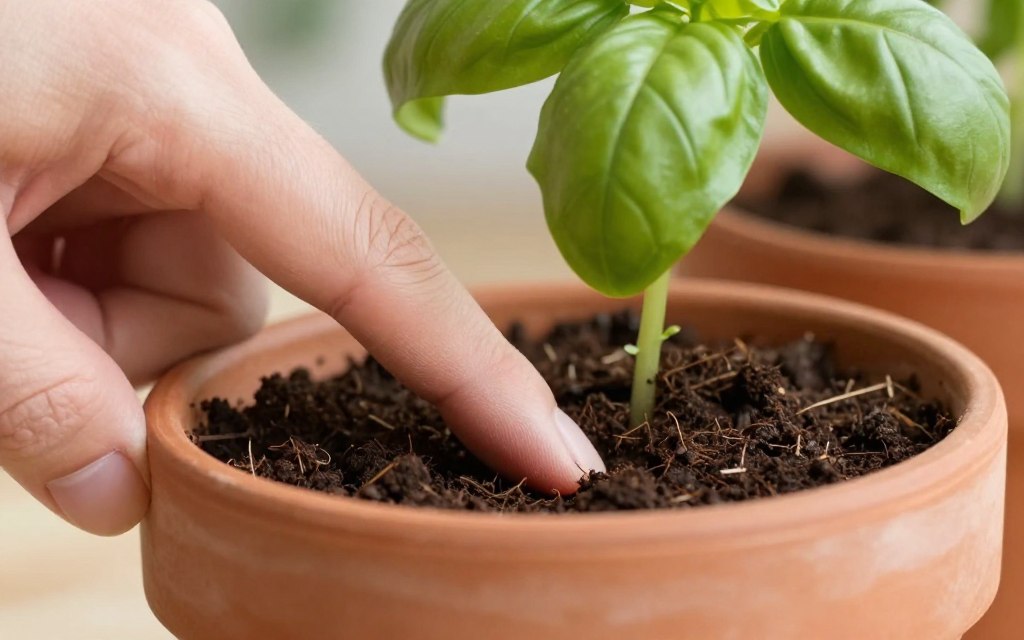
More indoor herbs die from incorrect watering than any other cause, yet watering becomes intuitive once you understand the basic principle: keep soil consistently moist but never waterlogged. Both overwatering and underwatering cause similar symptoms—wilting and yellowing leaves—making diagnosis tricky for beginners.
The foolproof method: Check soil moisture with your finger before every watering. Insert your finger into the soil up to the first knuckle (about one inch deep). If soil feels dry at that depth, water thoroughly. If it still feels moist, wait another day and check again. Different homes, seasons, pot types, and plant sizes all affect how quickly soil dries, so checking prevents guessing.
How to Water Correctly
When soil indicates watering time, add water slowly until it begins draining from the bottom holes. This ensures moisture reaches all soil and roots, not just the surface. Let excess water drain completely into the saucer, then dump out standing water after 10-15 minutes. Never leave pots sitting in water-filled saucers, as roots need oxygen and will rot in saturated conditions.
Use room-temperature water rather than cold tap water, which can shock roots. If your tap water is heavily chlorinated, let it sit in an open container overnight so chlorine dissipates, or use filtered water. Water in the morning when possible, allowing any splashed leaves to dry before evening when fungal diseases are more likely to develop.
Herb-Specific Watering Needs
Basil prefers consistently moist soil and wilts dramatically when too dry, though it recovers quickly when watered. Don’t let basil dry out completely, but ensure water drains well. Parsley likes even moisture similar to basil but tolerates slight drying better. Mint is the most forgiving—it grows vigorously in moist conditions but survives occasional drying without damage.
During winter when growth slows and evaporation decreases, you’ll water less frequently than in summer. Conversely, plants under grow lights may need more frequent watering than those in natural light because lights generate mild heat. Always rely on checking soil rather than following a rigid schedule.
Feeding Your Indoor Herb Garden
Container-grown herbs need supplemental nutrients because they can’t send roots out into fresh soil like outdoor plants. However, herbs generally require less fertilizer than flowering houseplants or vegetables—over-fertilizing produces lush but flavorless foliage.
Begin fertilizing about 4-6 weeks after planting, once any starter fertilizer in the potting mix is exhausted. Use a balanced liquid fertilizer with equal or near-equal NPK numbers (such as 10-10-10 or 5-5-5) diluted to half the strength recommended on the package. Apply this diluted fertilizer every 2-4 weeks during active growth periods.
Fish emulsion, seaweed extract, or other organic fertilizers work excellently for herbs and won’t build up salts in the soil as synthetic fertilizers can. If you prefer a simpler approach, organic slow-release granular fertilizers sprinkled on the soil surface every 2-3 months provide steady nutrition without the need for liquid feeding.
Signs of Over-Fertilizing: Pale, weak growth despite abundant leaves, white crusty deposits on soil surface (salt buildup), or leaves that taste oddly bitter or have muted flavor. If you notice these signs, flush pots by running clear water through the soil several times to wash away excess salts, then reduce fertilizer frequency or strength.
Pruning and Harvesting: The Secret to Bushier Plants
Regular harvesting isn’t just about collecting herbs for recipes—it’s the most important maintenance task for keeping plants productive and compact. When you prune correctly, herbs respond by growing bushier with more stems and leaves.
Harvesting Basil
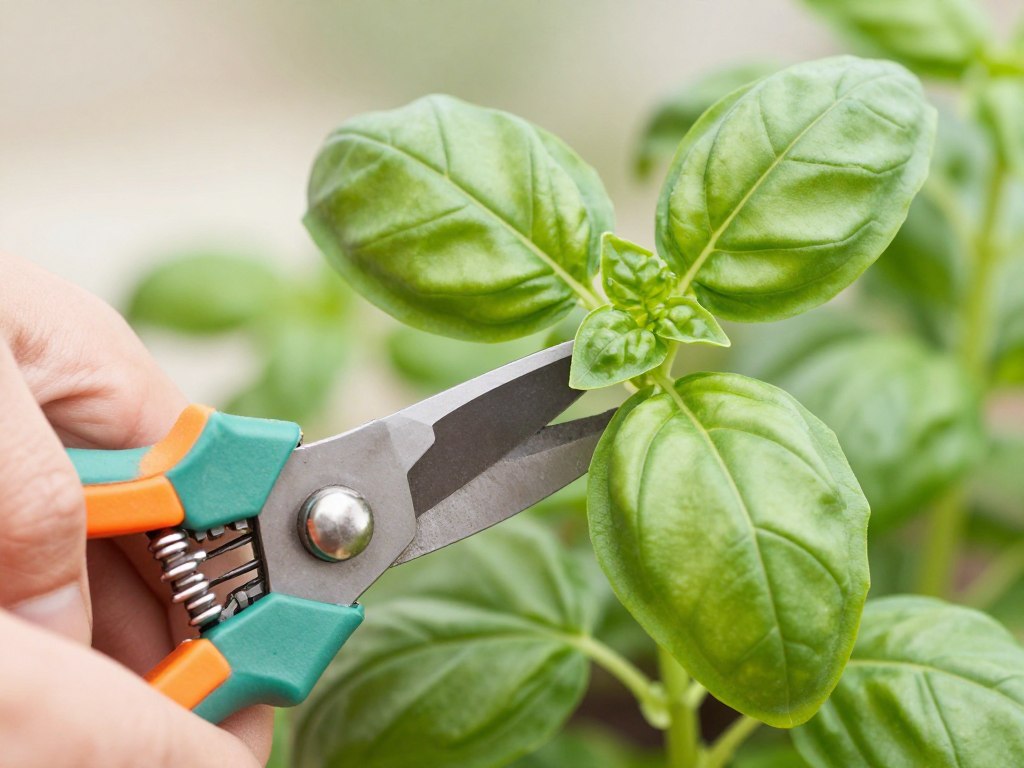
Wait until basil plants reach 6-8 inches tall with at least 3-4 sets of leaves before your first harvest. When harvesting, cut stems just above a pair of leaves, leaving those leaves on the plant. Within days, two new shoots will emerge from where those leaves meet the stem, doubling your growing points.
Never remove more than one-third of the plant at once. Regular small harvests beat infrequent large cuts. Most importantly, pinch off any flower buds immediately when they appear. Once basil flowers, leaves become bitter and production slows dramatically as the plant focuses on seed production rather than leaf growth.
Harvesting Mint and Parsley
Mint: Cut stems just above a leaf pair, similar to basil. Mint grows so vigorously that you can harvest more aggressively—up to half the plant if needed—and it will quickly regrow. Harvest mint regularly to prevent it from becoming woody and to maintain tender, flavorful leaves.
Parsley: Cut outer stems at the base, near soil level, taking the oldest growth first. Leave the center stems to continue producing. This “cut and come again” method keeps parsley productive for many months. Unlike basil, parsley doesn’t require cutting above leaf nodes; simply remove entire outer stems cleanly at their base.
Pest Management and Disease Prevention
Indoor herbs experience fewer pest problems than outdoor plants, but occasional invaders do occur. Early detection and gentle organic controls keep your edible herbs safe and pest-free without harsh chemicals.
Common Indoor Herb Pests
Aphids (Tiny Green/Black Insects)
- Cluster on new growth and undersides of leaves
- Suck plant sap, causing distorted growth
- Leave behind sticky honeydew residue
- Control: Spray plants with strong stream of water to dislodge, or use insecticidal soap
- Prevention: Inspect new plants before bringing indoors
Spider Mites (Nearly Invisible Pests)
- Cause stippled, yellowing leaves with fine webbing
- Thrive in hot, dry conditions
- Difficult to see without magnification
- Control: Increase humidity, spray with water, use neem oil spray
- Prevention: Maintain proper humidity levels
Fungus Gnats (Small Flying Insects)
- Adults are harmless but annoying
- Larvae live in wet soil and can damage roots
- Indicate overwatering problems
- Control: Allow soil surface to dry between waterings
- Prevention: Use yellow sticky traps to catch adults, adjust watering practices
Disease Prevention Through Good Practices
Most herb diseases result from environmental issues rather than infectious pathogens. Powdery mildew, root rot, and damping off (seedling collapse) all stem from excess moisture combined with poor air circulation.
- Water soil directly rather than overhead to keep foliage dry
- Ensure adequate spacing between pots for air movement
- Use containers with proper drainage to prevent waterlogged soil
- Remove any dead or yellowing leaves promptly to prevent fungal growth
- Maintain appropriate humidity levels—not too high, not too low
- Provide good air circulation with a gentle fan if needed
If you notice white powdery coating on leaves (powdery mildew), improve air circulation immediately and remove affected leaves. For serious cases, spray with a baking soda solution (1 teaspoon baking soda per quart of water with a drop of dish soap). Prevention through proper environmental conditions works far better than treating established diseases.
Never Miss a Growing Season
Join over 15,000 home gardeners who receive our weekly newsletter with seasonal tips, harvest recipes, troubleshooting advice, and exclusive guides for growing fresh herbs year-round. Get started with our welcome series: “Your First 30 Days of Indoor Herb Growing.”
Troubleshooting Common Problems
Even experienced gardeners encounter challenges when growing basil mint parsley indoors year-round. Learning to read your plants’ signals and respond appropriately transforms problems from disasters into minor adjustments.
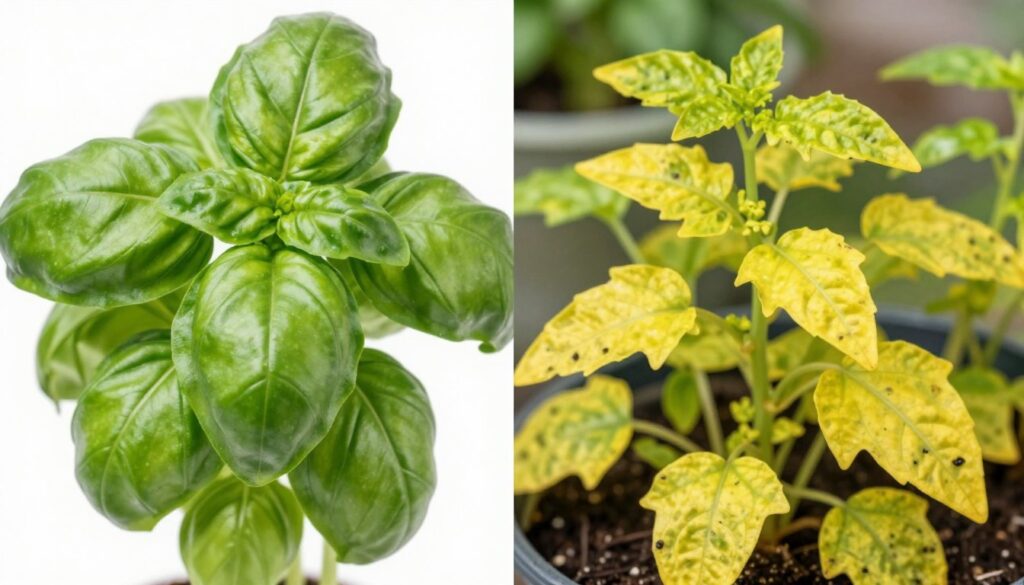
Why are my herb leaves turning yellow?
Yellow leaves indicate several possible issues. Overwatering is the most common cause—roots suffocate in waterlogged soil and cannot absorb nutrients. Check soil moisture and ensure proper drainage. Nutrient deficiency, particularly nitrogen, causes older lower leaves to yellow while new growth stays green; this signals time to fertilize. Underwatering can also cause yellowing, though usually accompanied by wilting. Finally, natural aging causes the oldest leaves to yellow and drop—this is normal as long as new growth looks healthy.
Solution: Feel the soil to determine if it’s too wet or too dry, adjust watering accordingly, and begin gentle fertilization if you haven’t fed plants recently.
Why are my herbs growing tall and leggy with sparse leaves?
Leggy, stretched growth with long spaces between leaves (internodes) indicates insufficient light. Plants stretch toward available light sources in an attempt to capture more energy. This produces weak stems and sparse foliage with diminished flavor.
Solution: Move plants to a brighter location, ideally a south-facing window, or supplement with grow lights. Once you improve lighting, pinch back leggy stems to encourage bushier growth from lower nodes.
Why are my herbs wilting even though the soil is wet?
Wilting in wet soil indicates root rot from overwatering. Damaged roots cannot absorb water, so despite wet soil, the plant dehydrates. This serious condition requires immediate action.
Solution: Remove the plant from its pot and examine roots. Healthy roots are white or light tan and firm; rotted roots are brown, black, mushy, and may smell foul. Trim away all damaged roots with clean scissors, repot in fresh, dry potting mix in a clean container, and reduce watering frequency going forward. Severely damaged plants may not recover.
Why do my herbs have brown, crispy leaf edges?
Brown, crispy edges (leaf scorch) result from low humidity, fertilizer burn, or occasionally underwatering. Indoor winter air is often extremely dry, especially near heating vents.
Solution: Increase humidity by grouping plants, using a pebble tray, or running a humidifier. If you’ve been fertilizing heavily, flush soil with plain water and reduce fertilizer strength or frequency. Ensure consistent watering without allowing soil to become bone dry.
Why has my basil lost its flavor and started flowering?
Basil naturally wants to complete its life cycle by flowering and producing seed. Once this process begins, leaf flavor becomes bitter and production slows dramatically. Temperature stress, inconsistent watering, or simply plant maturity can trigger flowering.
Solution: Pinch off all flower buds and stems as soon as they appear. Cut basil back by one-third to redirect energy into leaf production. If the plant has heavily flowered and become woody, start fresh with a new plant or cuttings from non-flowering stems.
Why is my mint taking over and crowding other plants?
Mint is naturally aggressive and spreads rapidly through underground runners (rhizomes). While this vigor is an asset in producing abundant harvests, it can overwhelm companion herbs in shared containers.
Solution: Always grow mint in its own individual pot separate from basil and parsley. This contains its spreading habit while allowing it to fill the container with productive growth. Harvest mint regularly to keep it in bounds and encourage tender new growth.
Seasonal Adjustments for Year-Round Success
Growing basil mint parsley indoors year-round requires adjusting care routines as seasons change and indoor conditions shift. Understanding how winter heating, summer heat, and transitional periods affect your herbs helps you provide consistent care throughout the year.
Winter Care (December-February)
Winter presents the biggest challenges for indoor herb growing. Shorter days provide less natural light, heating systems dry indoor air, and cold windows can chill plants. During winter months, herbs grow more slowly and need adjusted care.
- Extend lighting: Run grow lights for 14-16 hours daily to compensate for short winter days, even if plants are near windows
- Reduce watering frequency: Slower growth means less water consumption; check soil carefully to avoid overwatering
- Increase humidity: Combat dry heated air with pebble trays, grouping plants, or running a humidifier
- Watch for cold drafts: Move herbs away from windows on extremely cold nights to prevent chilling
- Reduce fertilizing: Cut back to once monthly or stop entirely if growth is minimal
Spring and Summer Care (March-August)
As days lengthen and light intensifies, herbs enter their most vigorous growth period. This is when basil really takes off and mint becomes truly aggressive. Take advantage of peak growing conditions.
- Adjust for abundant light: Natural light may be sufficient; you can reduce or eliminate grow light use if plants are in sunny windows
- Increase watering frequency: Faster growth and evaporation mean more frequent watering needs
- Fertilize regularly: Resume or increase fertilization to every 2 weeks during peak growth
- Harvest frequently: Aggressive growth requires regular harvesting to prevent flowering and maintain quality
- Watch for bolting: Higher temperatures trigger flowering; stay vigilant about pinching flower buds
Fall Transition (September-November)
Fall is the perfect time to start new indoor herbs or bring in plants from outdoor gardens before frost. As outdoor growing season ends, prepare for the shift back to winter conditions.
- Start fresh plants: Begin new basil, mint, or parsley now so they’re established before winter’s challenges
- Transition outdoor herbs: If bringing herbs inside from outdoor gardens, do so before first frost and acclimate them gradually
- Inspect for pests: Carefully examine any outdoor plants for hitchhiking insects before bringing indoors
- Gradually increase supplemental lighting: As days shorten, begin extending grow light hours incrementally
- Refresh soil and pots: Repot herbs that have been growing all summer into fresh soil and clean containers
Your Fresh Herb Journey Starts Now
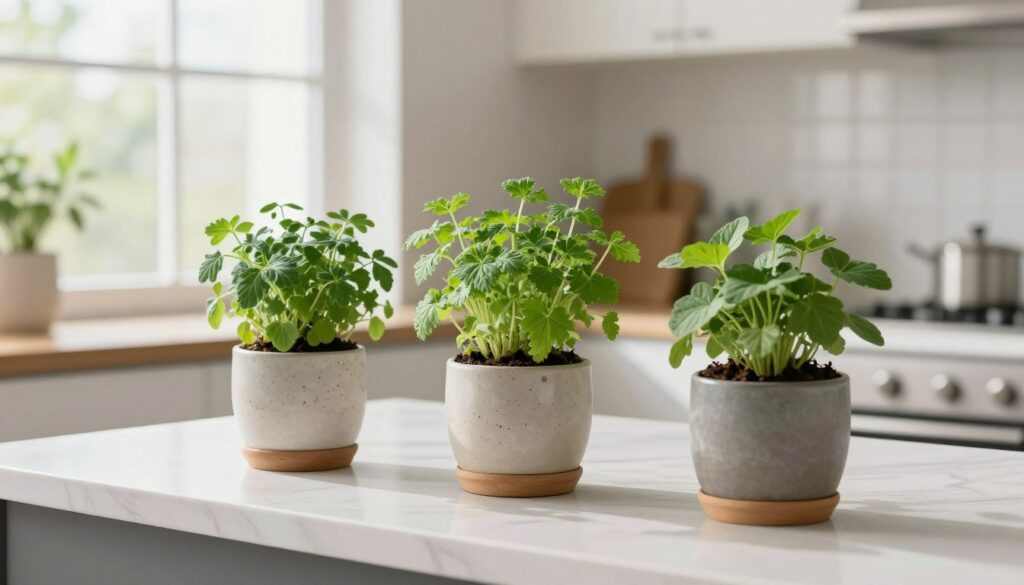
Growing basil mint parsley indoors year-round transforms your cooking and connects you with the rewarding practice of producing your own food. These three herbs—basil with its sweet, aromatic leaves; mint with its vigorous, refreshing growth; and parsley with its versatile, nutrient-rich foliage—provide the foundation for a productive kitchen herb garden that operates twelve months a year regardless of outdoor conditions.
Success comes from understanding and meeting each herb’s basic needs: adequate light (natural or supplemental), proper containers with excellent drainage, quality potting mix, appropriate watering (moist but never waterlogged), gentle fertilization, and regular harvesting that encourages bushy growth. These fundamentals apply whether you’re a complete beginner or an experienced outdoor gardener adapting to indoor conditions.
Start small if you’re new to herb gardening. Begin with just one or two plants, observe how they respond in your specific home environment, and expand as you gain confidence. Mint is the most forgiving choice for absolute beginners, while basil offers the most dramatic rewards for those who can provide bright light. Parsley falls in the middle—steady, reliable, and productive with basic care.
The investment is minimal—a few dollars for plants or seeds, basic containers, potting mix, and possibly a grow light. The returns are substantial: fresh herbs whenever you cook, money saved on expensive store-bought bundles, the satisfaction of growing your own food, and the simple pleasure of nurturing living plants in your home.
Every expert herb gardener started exactly where you are now, with questions, uncertainty, and perhaps a few plant casualties along the way. The difference between success and frustration is simply starting, observing, adjusting, and learning as your herbs grow. Your kitchen windowsill can become a year-round source of fresh flavor—you just need to take the first step and plant your first herb.