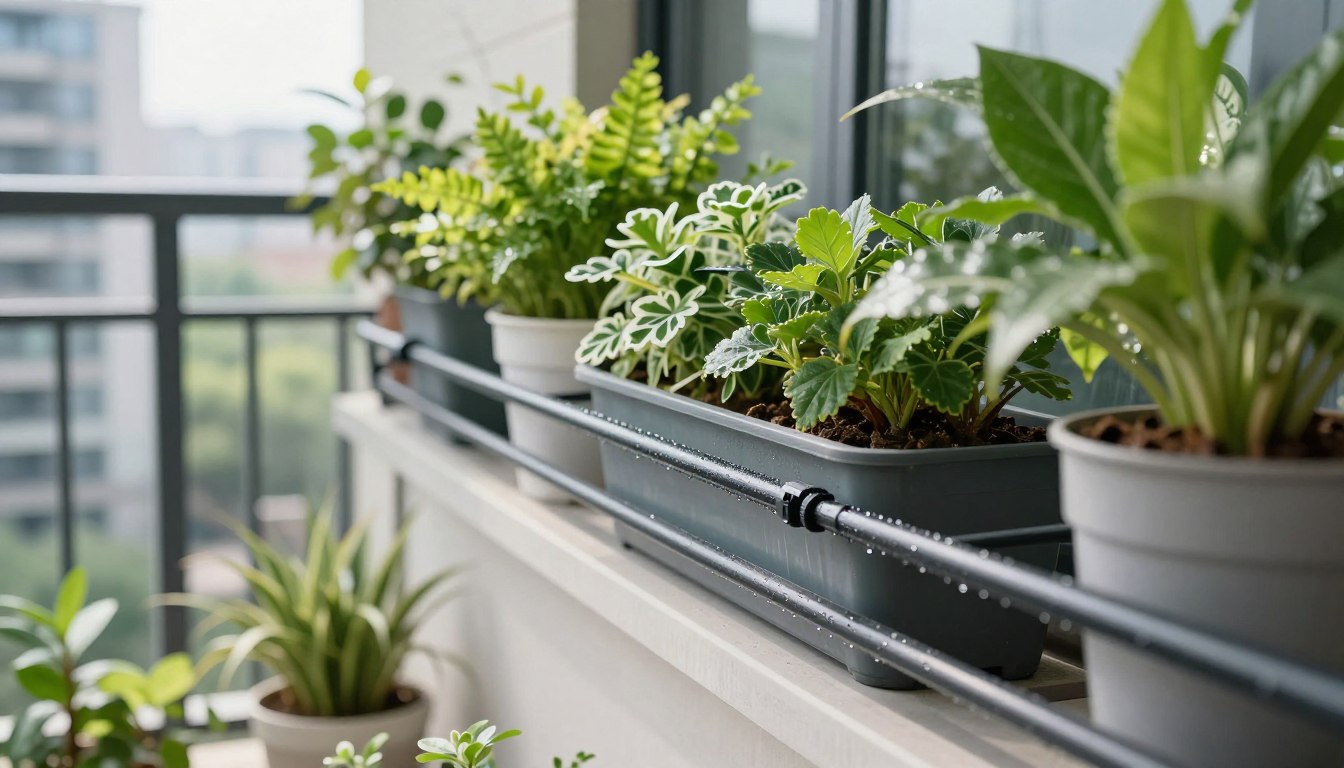
A drip irrigation system solves these problems elegantly. This method delivers water directly to plant roots at a controlled rate. Your plants receive consistent moisture throughout the day instead of fluctuating between soaked and dry conditions.
The benefits extend beyond convenience. Drip systems use up to fifty percent less water than hand watering. They reduce disease by keeping foliage dry. Most importantly, they give you freedom to travel without worrying about wilted plants waiting at home.
Planning Your Balcony Irrigation System
Proper planning prevents problems during installation. Start by measuring your balcony dimensions and counting your containers. Different plants need different amounts of water based on size and type.
Essential Components for Your System
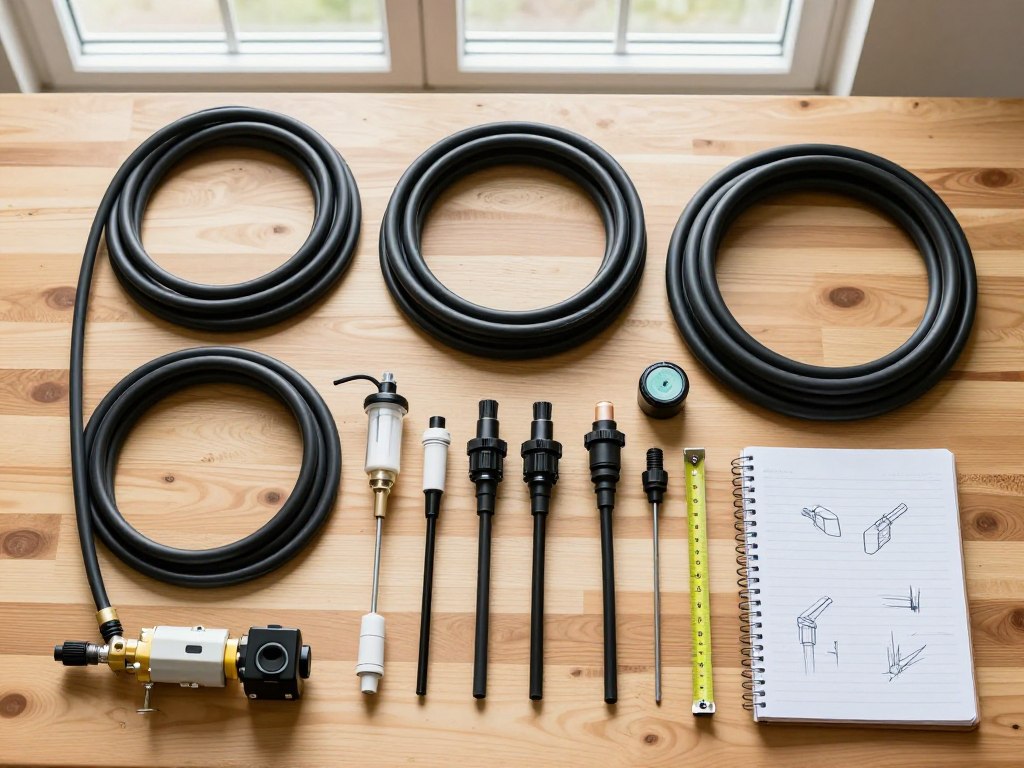
Every drip irrigation setup requires specific parts to function properly. Understanding each component helps you select the right materials for your space.
- Water source connector with standard faucet adapter
- Timer device for automated watering schedules
- Pressure regulator to maintain proper flow rate
- Filter to prevent clogging in emitters
- Main supply tubing in quarter-inch or half-inch diameter
- Drip emitters or micro-sprinklers for water delivery
- End caps to seal tubing ends
- Stakes to secure tubing in place
- Hole punch tool for creating emitter connections
- Goof plugs for fixing mistakes
Calculating Water Requirements
Container size directly affects moisture needs. Small pots dry faster than large planters. Vegetables typically need more water than succulents or herbs.
A general rule suggests one gallon per day for vegetables in containers during hot weather. Smaller plants in six-inch pots might only need half that amount. Clay pots lose moisture faster than plastic containers.
Small Containers
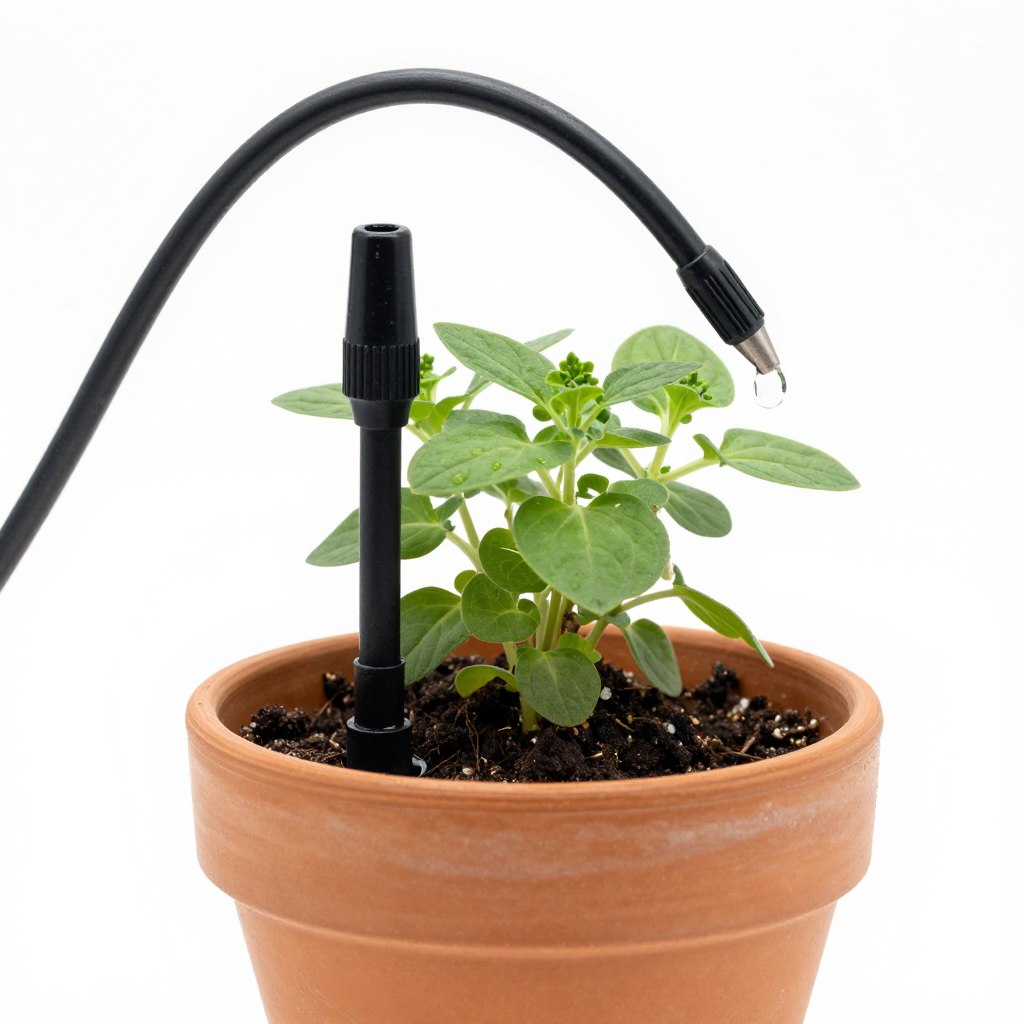
Pots under eight inches need one emitter delivering half gallon per hour. These containers dry quickly and benefit from daily watering cycles.
Medium Containers
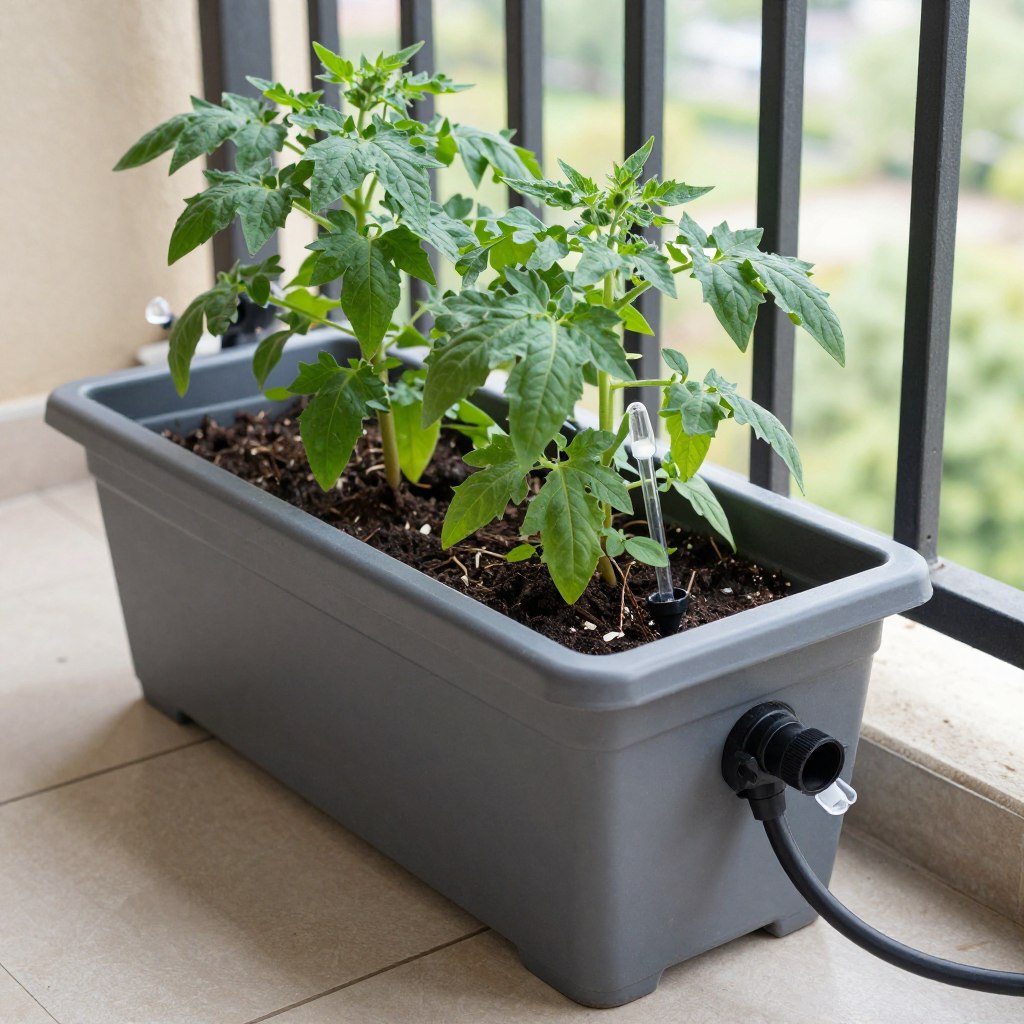
Planters between eight and fifteen inches work best with two emitters. This ensures even soil moisture throughout the container without creating dry spots.
Large Containers
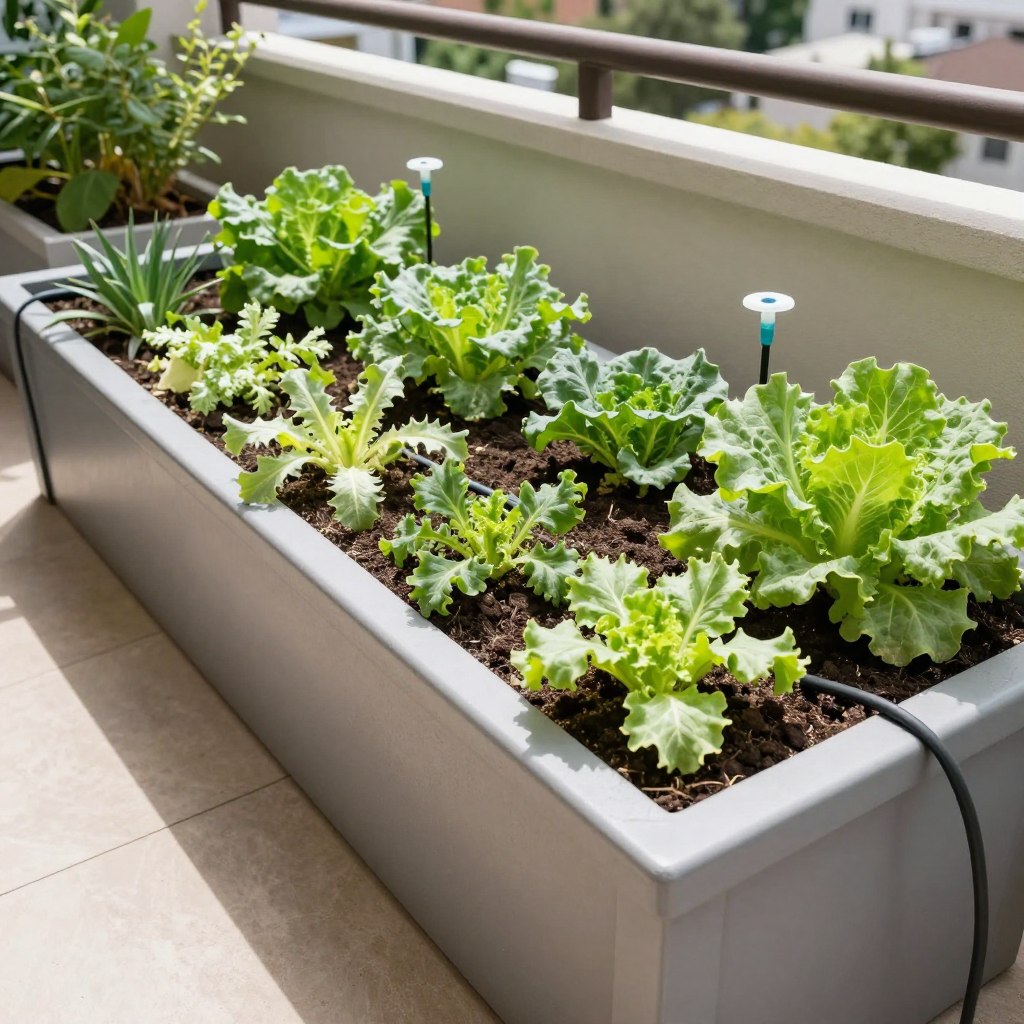
Large planters over fifteen inches require three or four emitters. Multiple water sources prevent uneven growth and ensure all root zones receive adequate moisture.
Complete Starter Kits Available
Save time with pre-assembled irrigation kits that include all necessary components. These systems come with detailed instructions and enough materials for typical balcony gardens.
Step-by-Step Installation Guide
Installation becomes straightforward when you follow a systematic approach. Each step builds on the previous one to create a reliable watering system. The entire process typically takes two hours from start to finish.
Step One: Connect to Water Source
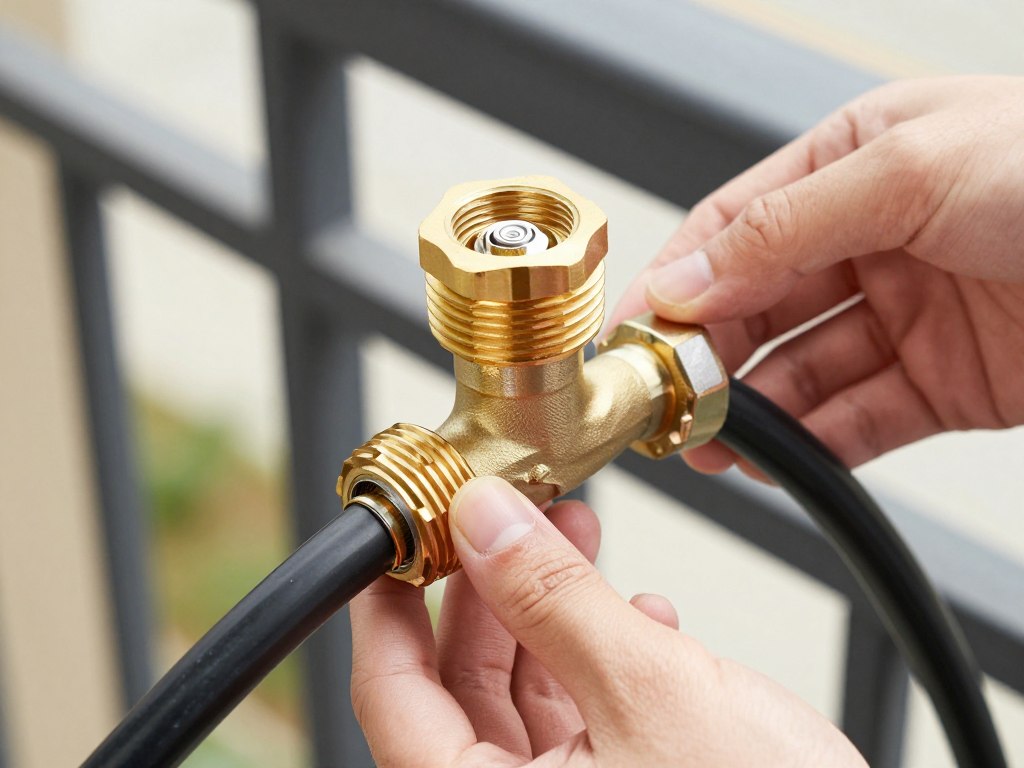
Begin at your water faucet or spigot. Thread the faucet adapter onto the outdoor tap by hand. Most adapters fit standard three-quarter inch threads. If your faucet has a different size, purchase an appropriate conversion adapter.
Tighten the connection firmly but avoid using tools that might crack plastic threads. Add a rubber washer if the connection leaks during initial testing. This simple step prevents water waste and ensures proper pressure throughout your system.
Step Two: Install Timer and Pressure Control
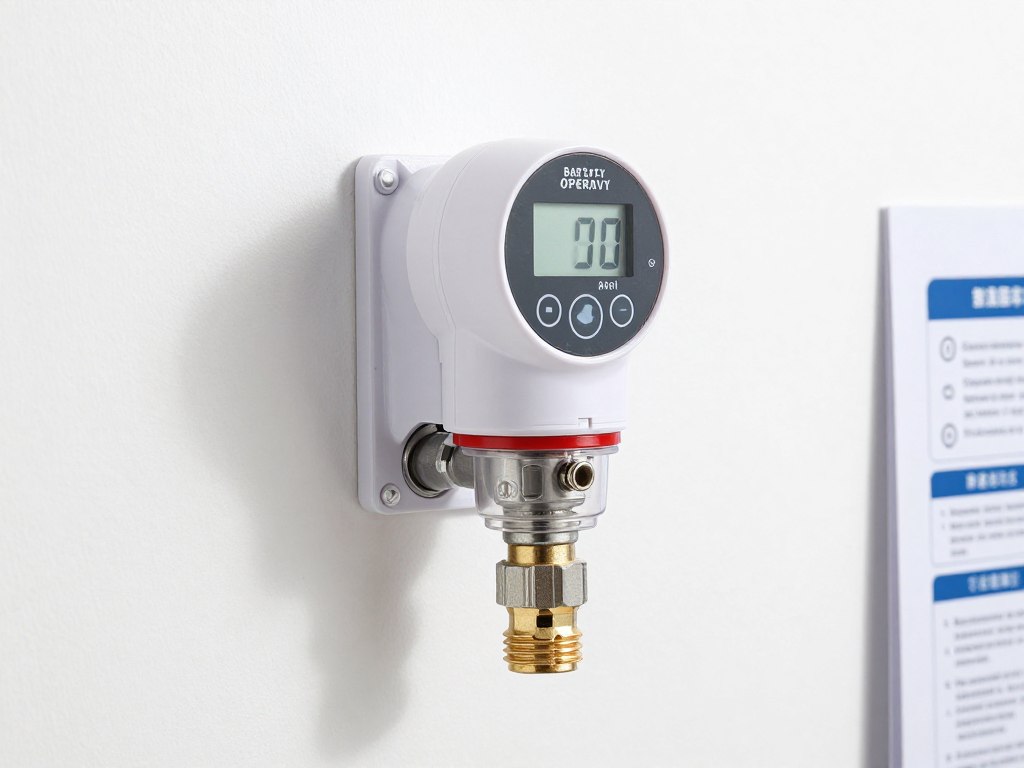
Attach your timer device to the faucet adapter. These battery-powered units let you program watering schedules days or weeks in advance. Most models offer multiple daily cycles with adjustable duration.
Next comes the pressure regulator. This device reduces water flow to levels suitable for drip systems. Too much pressure causes emitters to spray rather than drip. The regulator maintains steady output regardless of supply pressure fluctuations.
Finally, connect the filter between the regulator and main tubing. This small screen catches debris that would otherwise clog your emitters. Clean the filter monthly for best results.
Step Three: Layout Main Supply Line
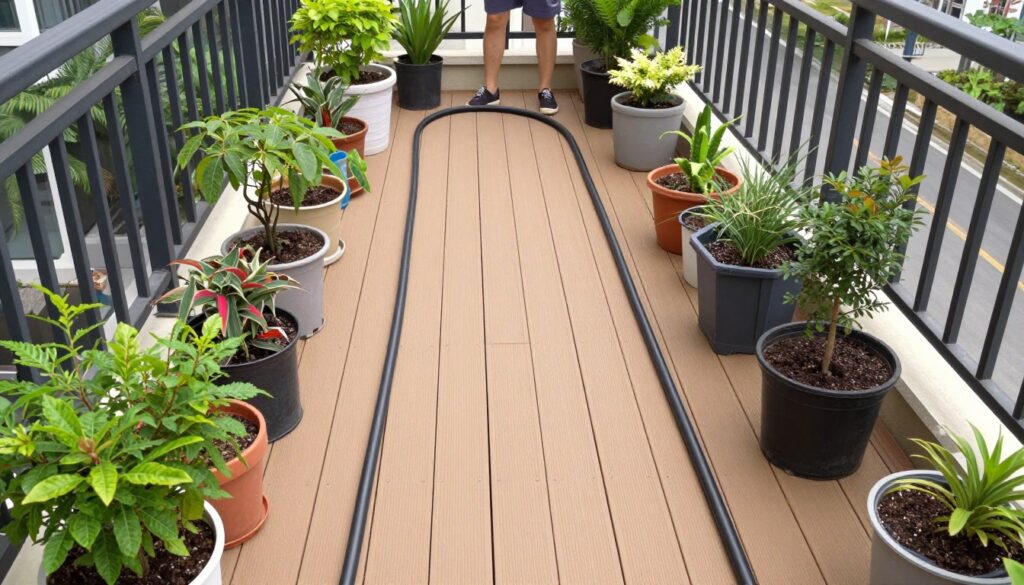
Run your main supply tubing along the perimeter of your container arrangement. Half-inch tubing works best for main lines serving multiple plants. Quarter-inch tubing suffices for smaller setups with fewer containers.
Leave some slack in the line to accommodate plant repositioning later. Use garden shears or a sharp utility knife to cut tubing to length. Cuts should be straight rather than angled for better fitting connections.
The tubing becomes more flexible when warmed. On cool days, let the plastic sit in sunlight for a few minutes before installation. This simple trick makes the material easier to work with and reduces kinking.
Step Four: Plan Emitter Positions
Mark each spot where you will insert an emitter. Place emitters near the center of small pots and space multiple emitters evenly in larger containers. Avoid positioning them directly against plant stems.
Consider future plant growth when marking positions. A small seedling will develop into a larger plant with expanding root systems. Emitters work most effectively when positioned at the drip line where feeder roots concentrate.
Step Five: Punch Holes and Insert Emitters
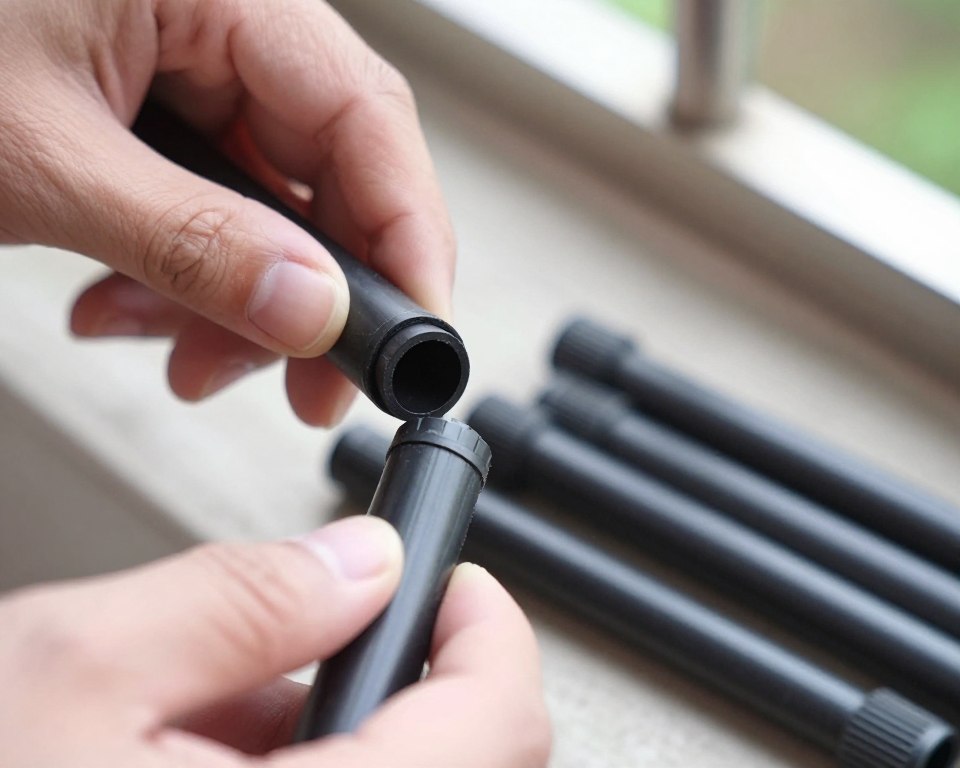
Use your hole punch tool to create openings in the main tubing. Position the punch perpendicular to the tubing surface and press firmly until you feel it break through. Clean holes ensure leak-free connections.
Insert emitters immediately after punching each hole. Push them straight in until the barbed end seats completely. Angled insertion may cause leaks or poor water flow. Different emitter types offer various flow rates measured in gallons per hour.
Adjustable emitters provide flexibility for different plant needs. Turn the cap clockwise to decrease flow or counterclockwise to increase output. This feature lets you fine-tune water delivery without replacing components.
Step Six: Secure Tubing and Close System
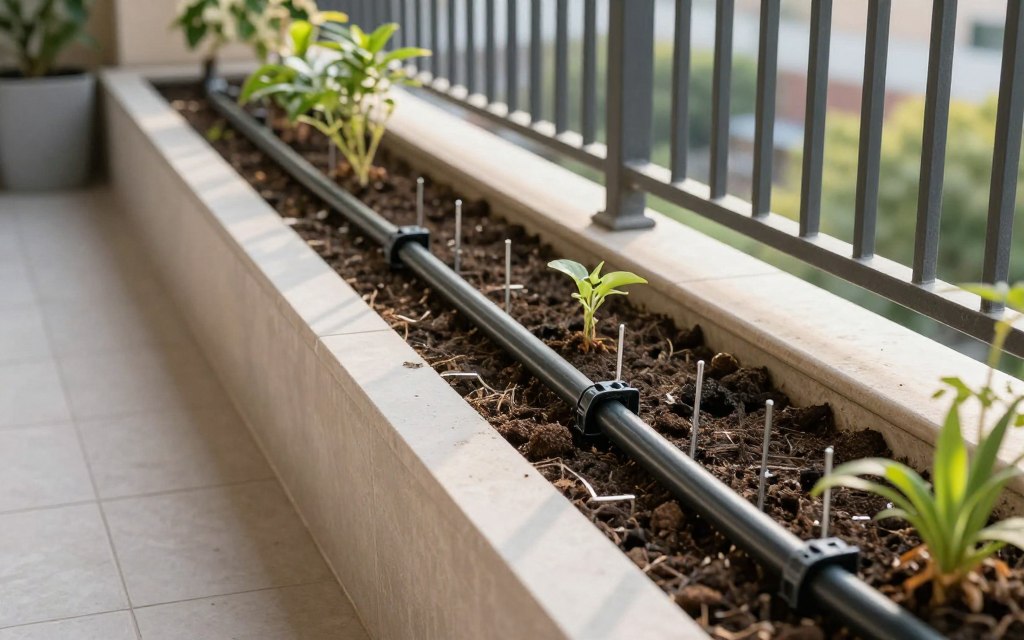
Use stakes to anchor the tubing in stable positions. Push stakes through tubing loops and into the soil of nearby containers. On hard surfaces, adhesive clips keep tubing in place without damaging balcony materials.
After running all branch lines to their destinations, cap the end of your main supply tubing. End caps simply push onto the tube end and require no tools. These small pieces prevent water from escaping and maintain proper system pressure.
Step Seven: System Testing and Adjustment
Turn on your water supply without activating the timer. Check every connection point for leaks. Small drips often appear at emitter insertion points or end caps. Reseat any loose components and use goof plugs to seal unnecessary holes.
Watch water output at each emitter location. All drip points should produce steady drops rather than streams or nothing at all. Adjust individual emitters to match the needs of each plant. This initial calibration ensures balanced moisture distribution across your entire garden.
Let the system run for fifteen minutes during this first test. Check soil moisture in each container afterward. Properly adjusted systems wet the soil to a depth of several inches without creating puddles or runoff.
Pro Tip: Winterizing Your System
Before freezing weather arrives, disconnect the timer and drain all water from tubing. Bring the timer indoors to prevent battery and electronic damage. Leaving water in lines can cause cracks when ice expands. This simple maintenance extends system life for many seasons.
Programming and Maintenance
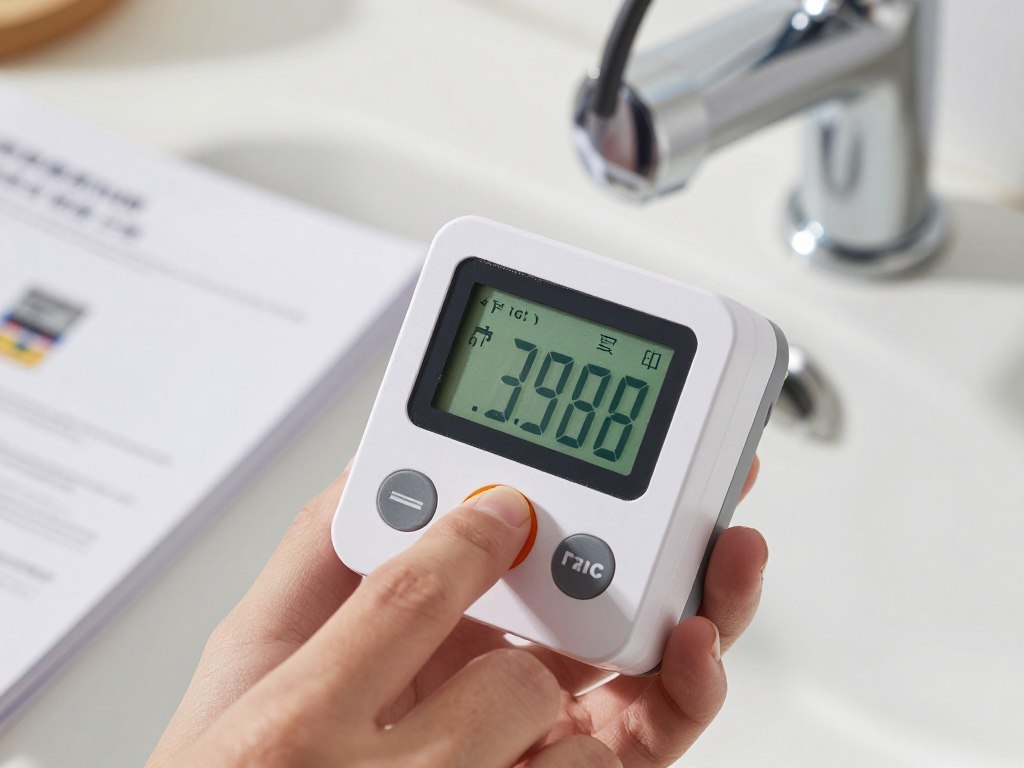
Effective scheduling matches watering frequency to weather conditions and plant requirements. Most systems benefit from early morning watering when evaporation rates stay low. This timing allows foliage to dry before evening and reduces disease risk.
Seasonal Schedule Adjustments
Spring and fall typically require watering every other day for fifteen minutes per cycle. Summer heat increases plant water consumption significantly. Daily watering sessions of twenty to thirty minutes prevent stress during peak growing season.
Winter demands minimal irrigation in most climates. Reduce frequency to once or twice weekly with shortened duration. Plants experience slower growth during short days and cooler temperatures. Overwatering during dormant periods invites root rot problems.
Weather changes demand schedule modifications. After heavy rain, skip the next scheduled watering cycle. During heat waves, consider adding a second daily session in the evening. Smart timers with moisture sensors automate these adjustments.
Regular Maintenance Tasks
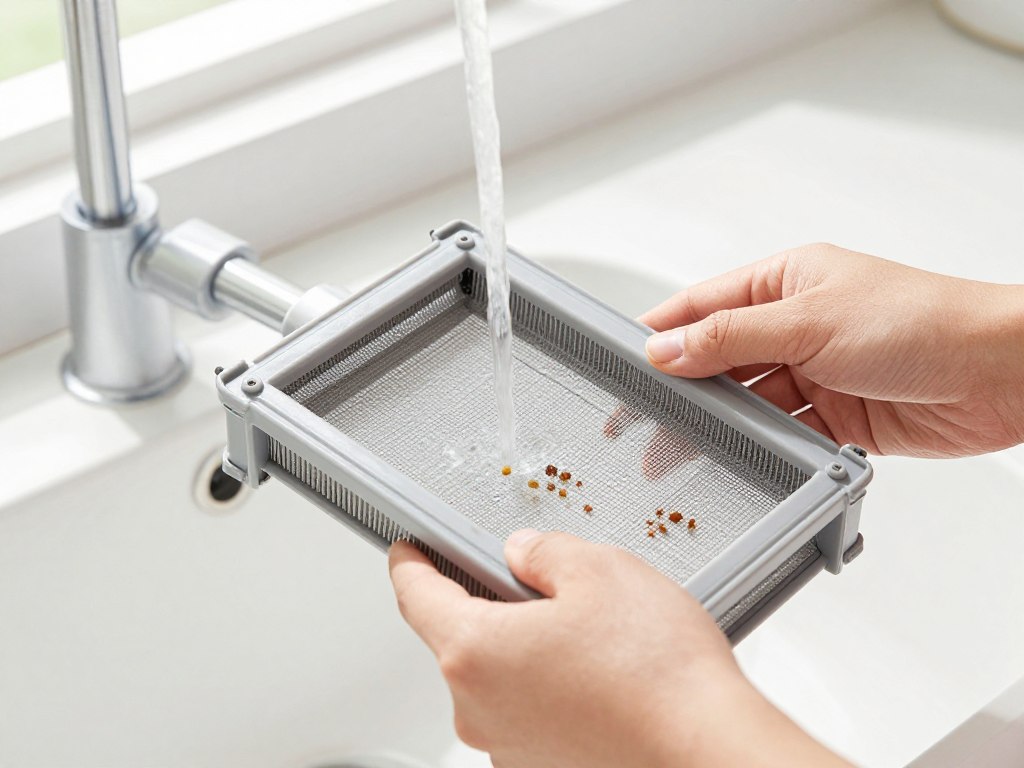
- Check filter screen monthly and rinse under running water
- Inspect emitters for clogs by observing water flow
- Test timer batteries twice per season
- Examine tubing for cracks or damage from sun exposure
- Flush the entire system by removing end caps quarterly
- Tighten any loose connections that develop over time
- Replace worn emitters that no longer maintain proper flow rate
Hard water areas may experience mineral buildup inside emitters. Soak affected parts in vinegar solution overnight to dissolve deposits. This restoration technique often revives clogged components without replacement costs.
Troubleshooting Common Issues
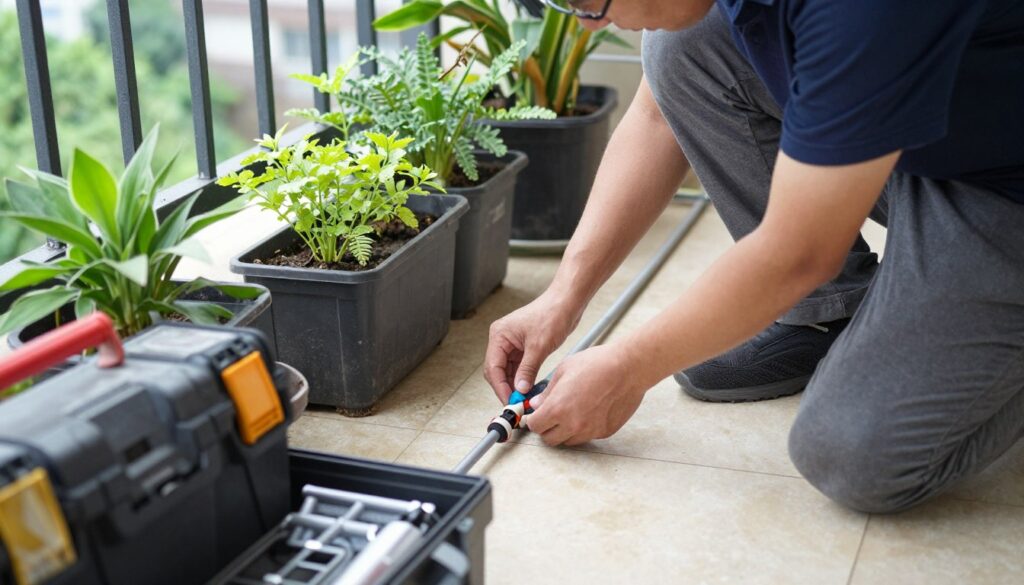
Even well-installed systems occasionally develop issues. Recognizing symptoms helps you identify and fix problems quickly before plants suffer damage.
Low Water Pressure Problems
Weak pressure produces inconsistent drips or complete flow stoppage at distant emitters. This problem often stems from kinked tubing restricting water movement. Straighten any bends and secure the line in a smooth path.
Clogged filters cause pressure drops throughout the entire system. Remove and clean the filter screen. If debris remains, replace the entire filter unit. Regular cleaning prevents this common issue from recurring.
Using tubing diameter too small for the number of emitters creates pressure problems. Main lines should be half-inch diameter when serving more than six emitters. Upgrade undersized tubing to resolve flow issues.
Leaking Connections
Drips at emitter insertion points indicate improper seating. Pull the emitter completely out and inspect both the hole and the barbed fitting. Debris in the hole prevents proper sealing. Clean the area and reinsert firmly.
End cap leaks suggest incomplete insertion. These caps should push on until fully seated against the tube end. Replace caps that feel loose or show visible gaps. Damaged caps lose their sealing ability over time.
Cracks in tubing near connection points result from overtightening or sun damage. Cut away the damaged section and reconnect using a straight connector fitting. Apply UV-resistant tape to exposed tubing in harsh sun areas.
Clogged Emitters
Individual emitters stop flowing when particles lodge in the tiny openings. Remove the emitter and soak it in vinegar for several hours. Use a thin wire or needle to clear stubborn blockages. Flush the emitter under running water before reinstalling.
Frequent clogs indicate inadequate filtration. Install a finer mesh filter or add a secondary filter at problem areas. Clean your primary filter more frequently to catch debris before it reaches emitters.
Upgrade to Quality Components
Premium irrigation parts reduce maintenance headaches and last multiple seasons. Invest in pressure-compensating emitters that maintain consistent flow regardless of line pressure variations.
Enjoying Your Automated Garden
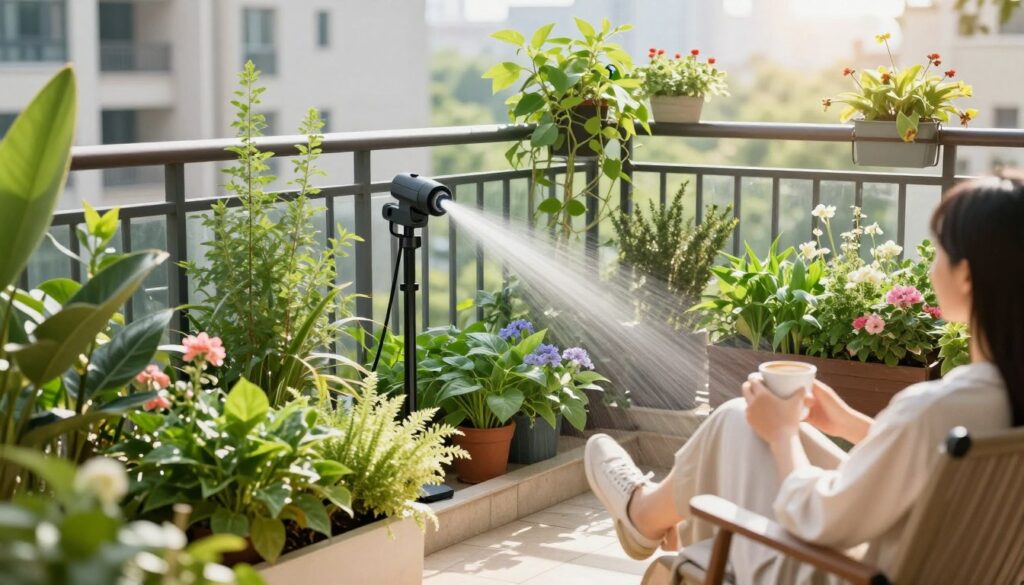
Your new drip irrigation system delivers freedom and healthier plants simultaneously. Automated watering eliminates the daily chore of hand watering while providing plants with optimal moisture levels. This consistent care produces stronger root systems and more productive growth.
The time savings add up quickly. Two hours of installation creates months of effortless plant care. You can travel confidently knowing your balcony garden receives proper attention in your absence. Weekend trips and vacations no longer mean returning to wilted plants.
Water conservation benefits extend beyond your balcony. Drip systems use less water than traditional methods while keeping plants healthier. The precise delivery method eliminates runoff and reduces evaporation waste. Your water bills reflect this efficiency throughout the growing season.
Start small if the complete setup seems overwhelming. Install a basic system for your most valuable plants first. Success with a simple configuration builds confidence for expanding to cover your entire balcony garden. The modular nature of drip irrigation allows easy additions as your skills and plant collection grow.