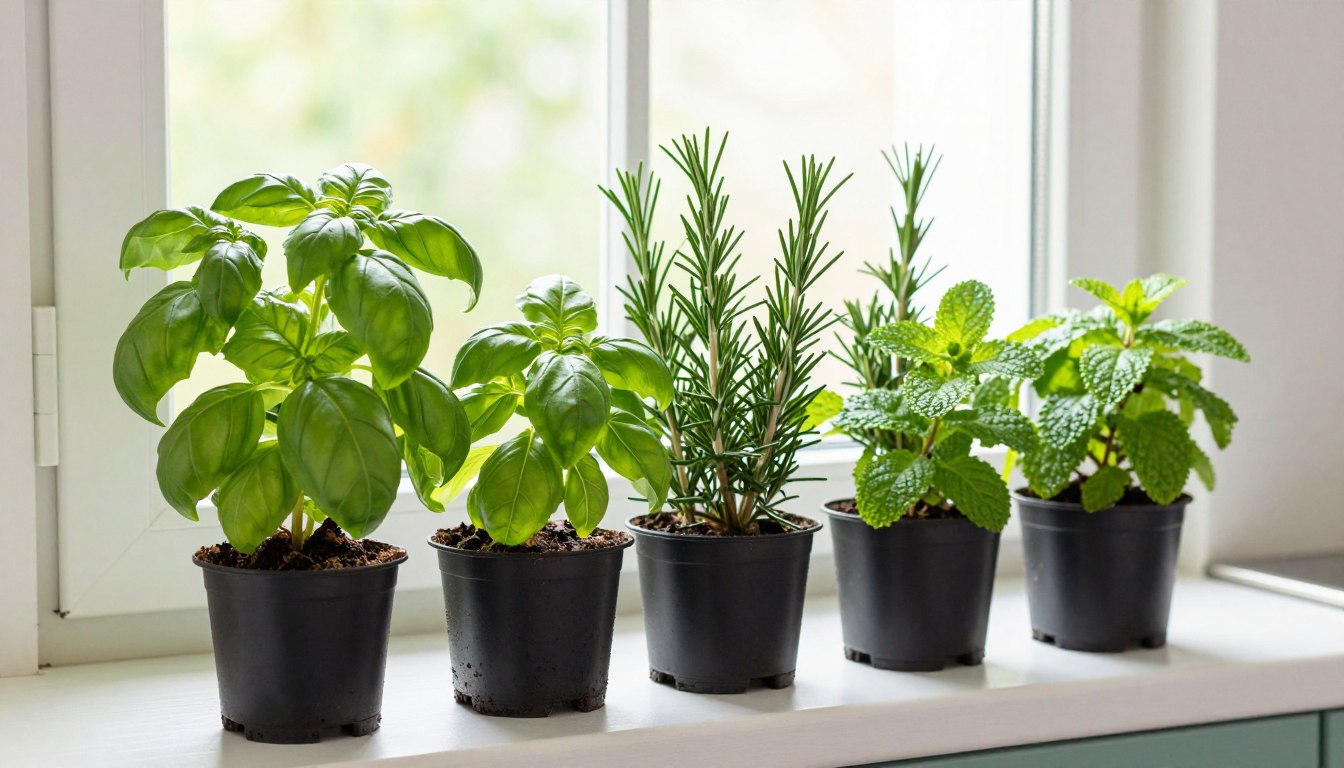
Discovering pests on herbs you plan to eat raises immediate concerns. Chemical pesticides are not an option for edible plants. The thought of consuming herbs treated with synthetic chemicals is unsettling for most home gardeners. Fortunately, organic pest control for indoor herbs offers effective solutions that keep your plants healthy and your food safe.
This comprehensive guide explores proven methods to eliminate common pests naturally. You will learn to identify problems early, apply safe treatments, and prevent future infestations. These strategies work without compromising the safety of your family, pets, or the herbs themselves.
Common Pests That Attack Indoor Herbs
Understanding your enemy is the first step in effective pest control. Indoor herbs face several common invaders. Each pest has distinct characteristics and causes specific types of damage. Early identification allows for prompt treatment before infestations become severe.
Aphids: The Sap-Sucking Invaders
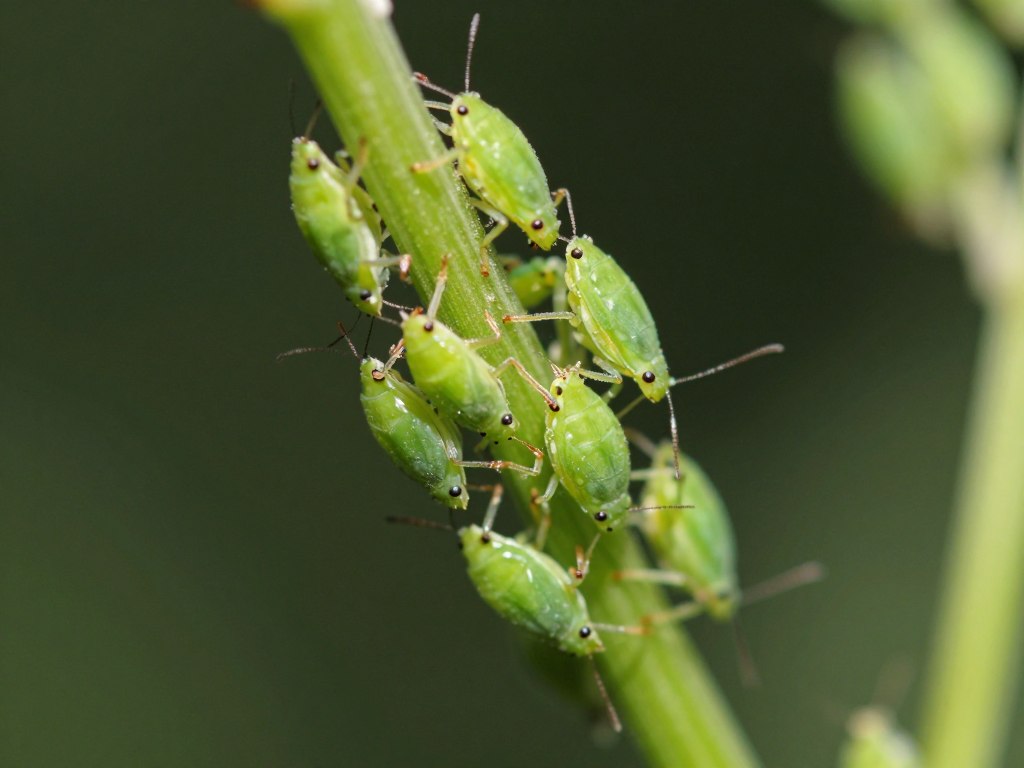
Aphids appear as small, soft-bodied insects. They cluster on new growth and leaf undersides. These pests pierce plant tissue to feed on sap. Colors vary from green to black, white, or even pink. Aphid infestations cause leaves to curl, yellow, and become distorted.
The insects multiply rapidly in indoor conditions. A single aphid can produce numerous offspring quickly. They also secrete sticky honeydew that attracts ants and promotes mold growth. Your basil and mint are particularly vulnerable to aphid attacks.
Spider Mites: Nearly Invisible Destroyers
Spider mites are tiny arachnids barely visible to the naked eye. They appear as moving dots on leaves. Heavy infestations produce fine webbing between stems and leaves. These pests thrive in warm, dry conditions common in heated homes.
Mites pierce leaf cells and extract contents. Damaged leaves develop yellow or white stippling. Severe infestations cause leaves to turn bronze, dry up, and fall off. Rosemary and other woody herbs often suffer from spider mite damage.
Fungus Gnats: The Soil Dwellers
Fungus gnats are small black flies that hover around plants. Adult gnats are merely annoying. Their larvae pose the real threat. These white, worm-like creatures live in potting soil and feed on organic matter and plant roots.
Fungus gnat larvae damage root systems and stunt plant growth. They thrive in consistently moist soil. Overwatered herbs provide perfect breeding grounds. Affected plants show poor vigor and may wilt despite adequate water.
Whiteflies: The Persistent Cloud
Whiteflies are small, moth-like insects with white wings. They cluster on leaf undersides and fly up in clouds when disturbed. Like aphids, whiteflies feed on plant sap and excrete honeydew. This sticky substance coats leaves and encourages fungal growth.
Whiteflies weaken plants and reduce productivity. They transmit plant diseases and cause leaves to yellow and drop. Basil is especially susceptible to whitefly infestations in indoor gardens.
Mealybugs: The Cottony Pests
Mealybugs look like small cotton balls attached to stems and leaves. These soft-bodied insects have a white, waxy coating. They gather in leaf joints and along stems. Mealybugs suck plant juices and secrete honeydew.
Infested herbs become weak and stunted. Leaves may yellow and drop prematurely. The waxy coating protects mealybugs and makes them resistant to some treatments. They spread easily between plants in close proximity.
Effective Organic Pest Control Methods
Organic pest control for indoor herbs relies on multiple strategies. Physical removal, natural sprays, and biological controls all play important roles. The best approach combines several methods for maximum effectiveness. These solutions work without introducing harmful chemicals into your home or onto your food.
Physical and Manual Removal Techniques
The simplest pest control starts with your hands and water. Physical removal works especially well for small infestations caught early. These methods require no special ingredients or waiting periods before harvest.
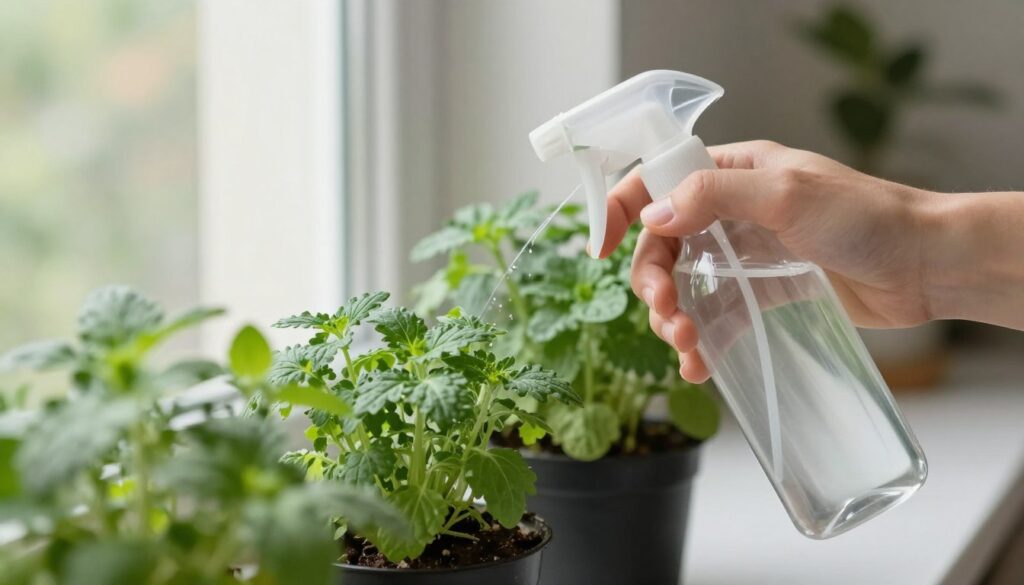
Strong water sprays dislodge many pests from plant surfaces. Take your herbs to the sink or shower. Use a spray nozzle to blast water onto all leaf surfaces. Pay special attention to leaf undersides where pests hide. This technique works particularly well against aphids and whiteflies.
For visible bugs like mealybugs, manual picking is effective. Wear gloves and remove insects by hand. Drop them into soapy water to kill them. Use cotton swabs dipped in rubbing alcohol to spot-treat mealybug clusters. The alcohol dissolves their protective coating.
Yellow sticky traps catch flying insects like fungus gnats and whiteflies. Place these cards near affected plants. The bright color attracts pests, and the adhesive surface traps them. Replace traps when they become covered with insects.
Essential Pest Control Tools
Equip yourself with quality spray bottles and application tools for effective organic pest control. Professional-grade misters provide fine, even coverage for homemade solutions.
Proven Homemade Spray Recipes
Homemade pest control sprays offer safe, affordable solutions. Most recipes use common household ingredients. These natural pesticides work through various mechanisms. Some suffocate insects, others repel them, and some disrupt their feeding behavior.
Insecticidal Soap Spray
Soap-based sprays are among the most effective organic pest control options. The soap suffocates soft-bodied insects like aphids, spider mites, and whiteflies. This method works quickly and leaves no harmful residues on your herbs.
Create a basic soap spray using pure castile soap or mild dish soap. Mix one teaspoon of soap with one litre of water. Pour the solution into a spray bottle and shake well. Avoid soaps containing bleach, degreasers, or synthetic fragrances.
Application technique matters for soap sprays. Thoroughly coat all plant surfaces, especially leaf undersides where pests congregate. Apply in early morning or evening to prevent leaf burn. Rinse plants with plain water two hours after treatment.
Repeat applications every four to seven days until pests disappear. Test the solution on a few leaves first. Wait 48 hours and check for damage. Dilute the mixture if you notice any browning or leaf injury.
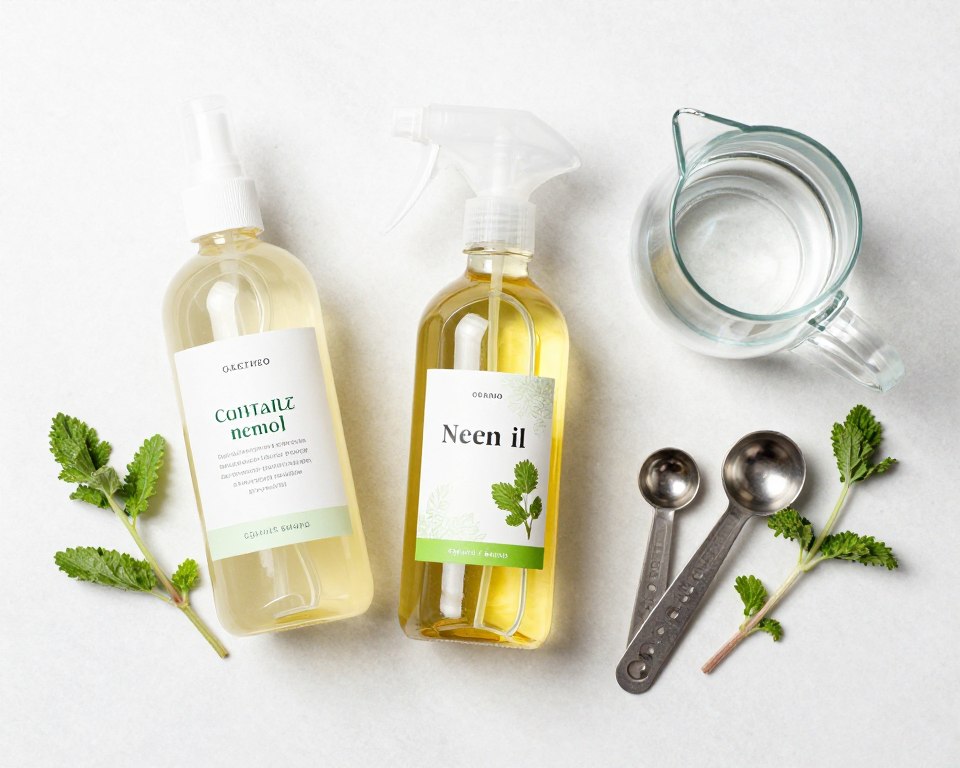
Neem Oil Solution
Neem oil is a powerful natural pesticide derived from neem tree seeds. This oil disrupts insect hormone systems and prevents feeding and reproduction. Neem oil works against a broad spectrum of pests while remaining safe for people and pets.
Mix one teaspoon of pure neem oil with one litre of warm water. Add a few drops of mild soap to help the oil mix with water. Shake the spray bottle vigorously before each use. The oil separates quickly from water without an emulsifier.
Apply neem oil spray weekly for three weeks to break pest life cycles. Coverage must be thorough for effectiveness. The oil needs direct contact with insects to work. Neem also has systemic properties, meaning plants absorb some compounds that continue protecting them.
Garlic and Chili Pepper Spray
This traditional remedy repels many garden pests effectively. The strong smell of garlic deters insects from feeding. Chili peppers contain capsaicin, which irritates pests and protects plants naturally. This combination creates a powerful deterrent spray.
Blend one whole garlic bulb (peeled and chopped) with three hot chili peppers and one litre of water. Process until smooth. Let the mixture steep for 24 hours. Strain thoroughly through cheesecloth to remove all particles that might clog your spray bottle.
Dilute three tablespoons of this concentrate with 500 millilitres of water before spraying. Wear gloves during preparation and application. Avoid contact with eyes and skin. Apply to plant foliage weekly until pests are controlled.
Hydrogen Peroxide Drench
Hydrogen peroxide offers unique benefits for pest control. This solution kills fungus gnat larvae living in soil. It also aerates the root zone and eliminates harmful bacteria. Use only three percent hydrogen peroxide, the strength sold for first aid.
Mix five millilitres of hydrogen peroxide with one cup of water. Pour this solution directly onto the soil surface. The mixture will fizz as it contacts organic matter. This indicates the peroxide is working to kill larvae and fungi.
Allow excess solution to drain from pot bottoms. Repeat the treatment weekly for three weeks to eliminate all life stages of soil pests. The peroxide breaks down quickly into water and oxygen, leaving no harmful residues.
Complete Organic Pest Control Kit
Get everything you need for natural pest management. Our curated kits include neem oil, castile soap, spray bottles, and detailed instructions for treating indoor herb gardens safely.
Essential Oils as Natural Repellents
Essential oils provide concentrated plant compounds with pest-repelling properties. Many oils that smell pleasant to people are offensive to insects. These natural extracts offer a safe way to protect herbs while creating an aromatic environment in your home.
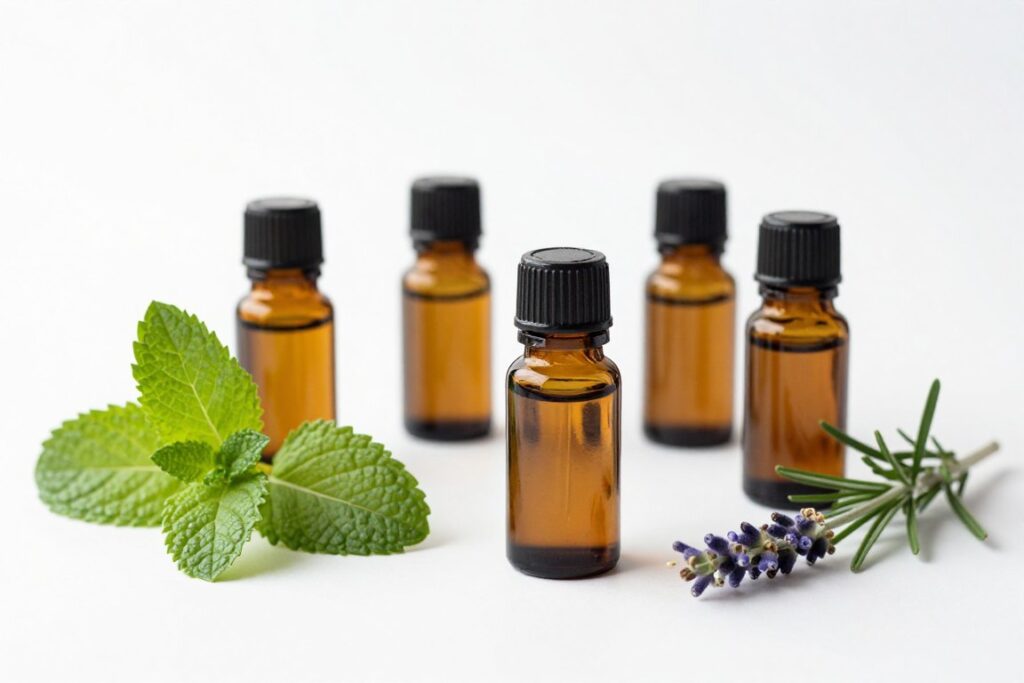
Peppermint oil effectively deters spider mites and aphids. The strong menthol scent irritates pests and discourages feeding. Mix five drops of pure peppermint essential oil with one teaspoon of soap and one litre of water. This creates an effective spray that also freshens your indoor air.
Tea tree oil possesses strong antiseptic and antifungal properties. It fights both pests and fungal infections on foliage. Use tea tree oil sparingly, as concentrated amounts can burn leaves. Add only three drops per litre of water when creating spray solutions.
Lavender oil repels multiple pest species while providing calming aromatherapy benefits. This versatile oil can be applied directly to leaves or mixed with water as a spray. Lavender also has antibacterial properties that help prevent secondary infections on damaged plant tissue.
Eucalyptus oil works particularly well against flies and roaches that may venture near your herbs. This powerful oil should be well diluted before use. Mix four drops with one litre of water and spray around the growing area rather than directly on plants.
Always purchase pure, therapeutic-grade essential oils for pest control. Synthetic fragrance oils lack the active compounds that repel insects. Test essential oil sprays on a small portion of your plant first. Some herbs may be sensitive to certain oils when applied in concentrated form.
Additional Natural Pest Control Solutions
Beyond sprays, several other organic methods effectively control pests on indoor herbs. These solutions use natural substances and beneficial organisms. Each method targets specific pest problems and works best in combination with other strategies.
Diatomaceous Earth for Crawling Insects
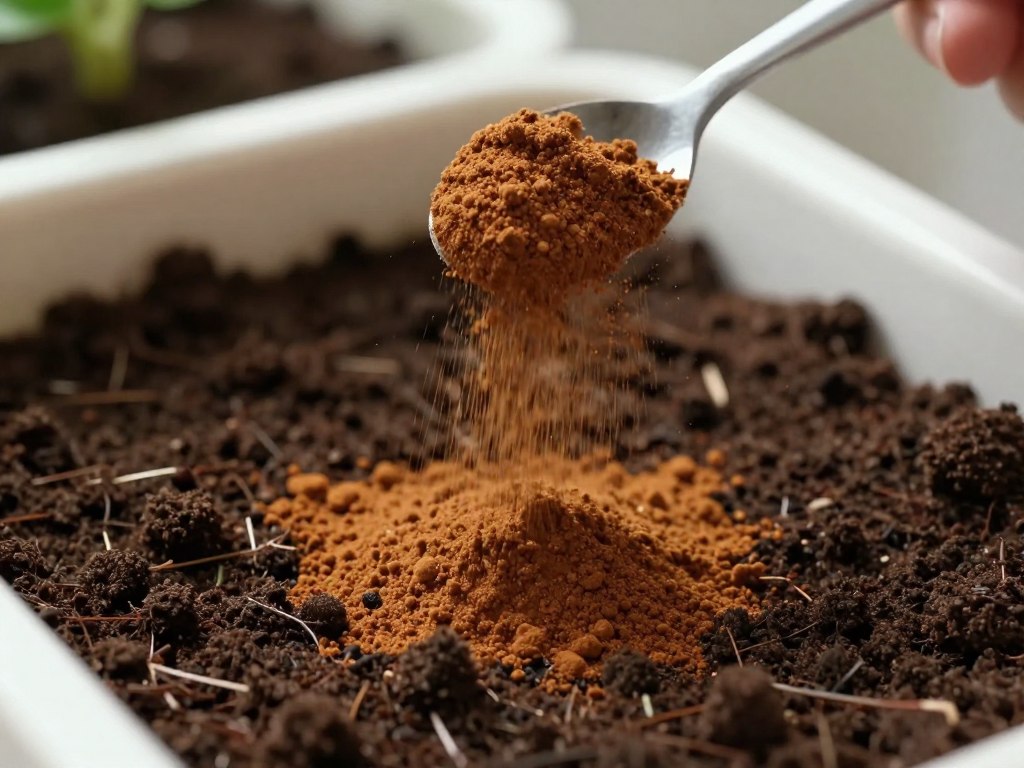
Diatomaceous earth is a fine powder made from fossilized algae. Under magnification, it appears as sharp fragments. These microscopic edges pierce insect exoskeletons and absorb their moisture. Soft-bodied pests like aphids and mealybugs are especially vulnerable.
Apply food-grade diatomaceous earth lightly to soil surfaces and leaves. The powder must stay dry to remain effective. Wear a dust mask during application, as the fine particles can irritate respiratory passages. Keep pets and children away during treatment.
Reapply after watering, as moisture reduces effectiveness. Diatomaceous earth works through physical action rather than chemical means. Pests cannot develop resistance to this pest control method. The powder remains safe for use on edible plants.
Cinnamon for Fungus Gnats
Ground cinnamon offers a simple solution for fungus gnat problems. This common spice has natural antifungal properties. Cinnamon reduces the fungi that gnat larvae feed on in soil. It also acts as a desiccant, drying out the soil surface where gnats lay eggs.
Sprinkle a thin layer of cinnamon over the soil after each watering. The spice creates an inhospitable environment for egg-laying adults. As a bonus, your indoor herb garden will smell wonderful. This method works best combined with proper watering practices that allow soil to dry between waterings.
Beneficial Insects
Introducing natural predators represents biological pest control at its finest. Beneficial insects hunt and consume pest species. This approach works particularly well for persistent infestations that resist other treatments.
Ladybugs are voracious aphid eaters. A single ladybug consumes dozens of aphids daily. Purchase ladybugs from garden supply companies. Release them in the evening when they are less likely to fly away immediately.
Predatory mites target spider mites and thrips. These beneficial creatures are microscopic but highly effective. They establish populations on plants and continue hunting pests long after release. Order predatory mites online and follow supplier instructions for release.
Beneficial nematodes attack soil-dwelling pests like fungus gnat larvae. These microscopic worms enter pest larvae and release bacteria that kill them. Mix nematodes with water and apply to soil. They work best in consistently moist conditions.
Preventive Practices for Long-Term Pest Control
Prevention is the most effective form of pest control. Healthy herbs grown in optimal conditions resist pest attacks better than stressed plants. Implementing good cultural practices reduces the likelihood of infestations. These habits become second nature with practice.

Proper Watering Techniques
Watering practices significantly impact pest populations. Overwatering creates ideal conditions for fungus gnats and promotes root rot. Underwatering stresses plants and makes them vulnerable to spider mites. Finding the right balance is crucial.
Allow the top inch of soil to dry between waterings. Stick your finger into the soil to check moisture levels. Water thoroughly when needed, allowing excess to drain away. Never let plants sit in standing water. This simple practice eliminates fungus gnat breeding sites.
Air Circulation and Humidity Control
Good air movement around plants prevents many pest problems. Stagnant air encourages spider mites and fungal diseases. Place a small fan near your herb garden to maintain gentle air circulation. This simple addition significantly reduces pest populations.
Monitor humidity levels in your growing area. Spider mites thrive in dry conditions below 40 percent humidity. Increase moisture by grouping plants together or using pebble trays filled with water. However, avoid excessive humidity that promotes fungal growth and attracts other pests.
Quarantine and Inspection
New plants often introduce pests to established collections. Always quarantine new additions for two weeks. Place them away from other plants and monitor closely for signs of pests. This waiting period allows hidden problems to become visible before they spread.
Inspect your herbs regularly for early signs of pest activity. Check leaf undersides, stems, and new growth weekly. Look for discoloration, webbing, sticky residue, or visible insects. Early detection allows for immediate treatment before populations explode.
Plant Health and Nutrition
Strong, healthy plants naturally resist pest attacks. Provide adequate light for your herbs. Most culinary herbs need six hours of bright light daily. Supplement with grow lights if natural light is insufficient.
Feed herbs with balanced, organic fertilizer during active growth. Avoid over-fertilizing, which produces weak, succulent growth that attracts pests. Follow package directions carefully. Healthy plants with strong cell walls are less appealing to sap-sucking insects.
Use quality potting soil that drains well. Replace soil annually to prevent buildup of pests and diseases. Clean pots thoroughly before reusing them. These sanitation practices eliminate overwintering pest eggs and disease spores.
Herb-Specific Pest Considerations
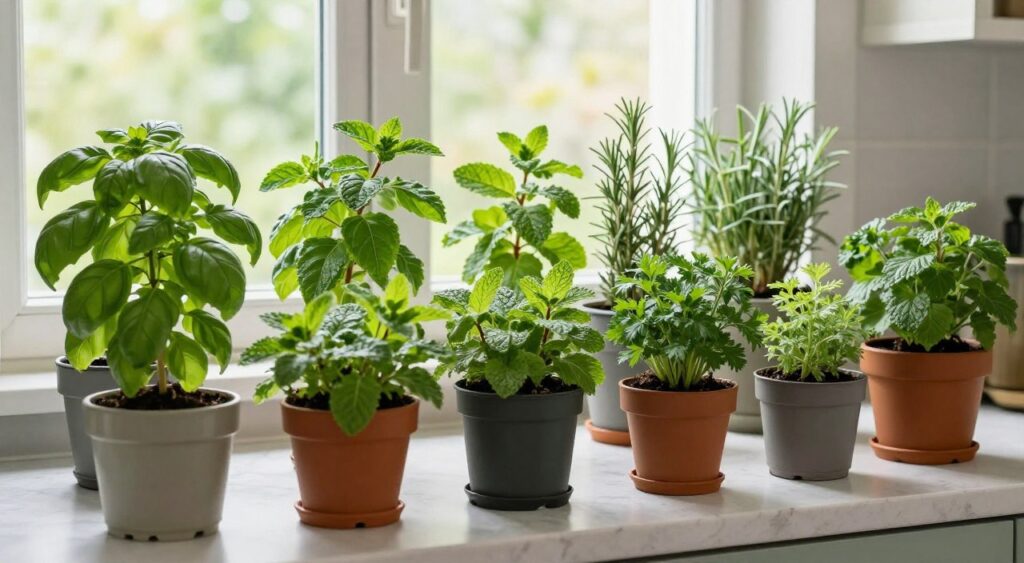
Different herbs face unique pest challenges. Understanding these patterns helps you target prevention and treatment efforts effectively. Some herbs have natural pest resistance, while others attract specific insects. Adjusting your care approach to individual herb needs improves overall pest control success.
Basil
Basil is particularly susceptible to aphids and whiteflies. The tender leaves attract sap-sucking pests. However, basil tolerates soap sprays well. Strong-scented varieties like cinnamon basil naturally repel some insects. Provide adequate spacing between basil plants to improve air circulation and reduce pest pressure.
Mint
Mint’s vigorous growth usually resists pest damage. Spider mites occasionally attack mint during dry conditions. The plant tolerates aggressive treatment methods. Mint itself serves as a pest deterrent for other plants when grown nearby. Regular harvesting promotes new growth that is less attractive to pests.
Rosemary
Rosemary’s woody nature makes it vulnerable to spider mites in dry indoor environments. The tough leaves resist damage from oil sprays. Increase humidity around rosemary to prevent mite infestations. This Mediterranean herb also needs good air circulation to stay healthy and pest-free.
Parsley
Parsley occasionally hosts aphids on new growth. The plant’s dense foliage can harbor pests. Regular inspection of leaf undersides is important for early detection. Water sprays work well for parsley without damaging delicate leaves. Avoid oil-based treatments that can affect this herb’s flavor.
Frequently Asked Questions About Organic Pest Control
Are organic pest control methods safe for edible herbs?
Yes, organic methods using soap, oil, and natural ingredients are safe for herbs you plan to eat. Always rinse herbs thoroughly with clean water before consumption. Wait at least 24 hours after treatment before harvesting. Most organic pesticides break down quickly and leave no harmful residues when used as directed.
How often should I apply organic pest control treatments?
Apply treatments every four to seven days for active infestations. Continue for three to four weeks to break pest life cycles. Once pests are controlled, reduce frequency to preventive applications every two weeks. Adjust the schedule based on pest pressure and treatment effectiveness you observe.
What should I do if the infestation is severe?
For severe infestations, combine multiple treatment methods. Start with physical removal to reduce pest numbers immediately. Follow with aggressive spray treatments every three days. Consider disposing of heavily infested plants to protect the rest of your collection. Quarantine affected plants during treatment.
Can I use these methods on other indoor plants?
Yes, these organic pest control methods work on all indoor plants. Ornamental plants may tolerate stronger concentrations than edible herbs. Always test treatments on a few leaves first. Adjust formulations based on plant sensitivity. The same pests that attack herbs also infest other houseplants.
Why do pests keep coming back to my herbs?
Recurring infestations often indicate environmental problems. Check for overwatering, poor air circulation, or inadequate light. These conditions stress plants and attract pests. Incomplete treatment allows some pests to survive and repopulate. Address underlying care issues and complete full treatment cycles to break the pest cycle.
Taking Control of Your Herb Garden Naturally
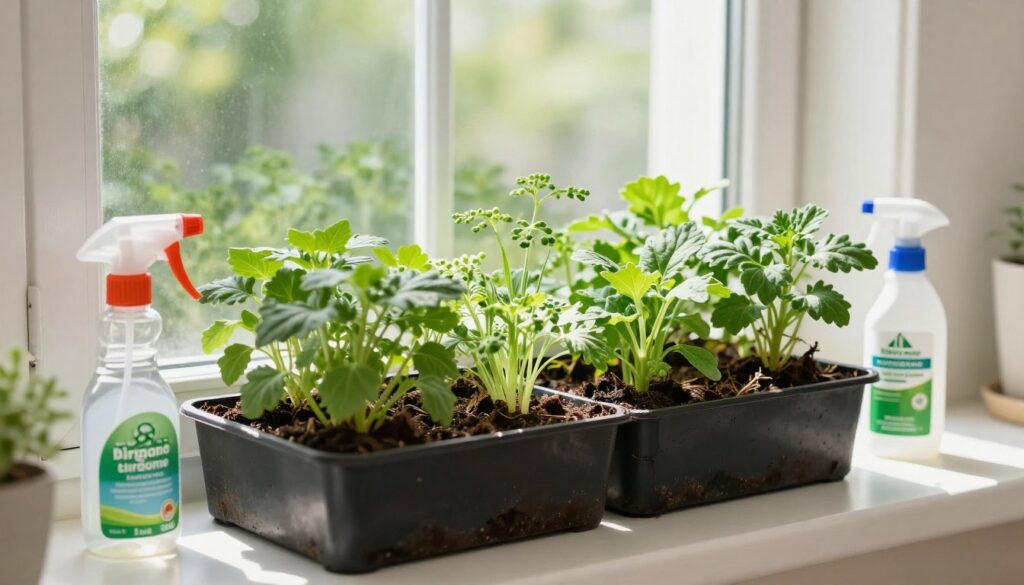
Organic pest control for indoor herbs empowers you to grow safe, healthy plants. These natural methods protect your herbs without introducing harmful chemicals into your home. The strategies outlined in this guide work effectively when applied consistently and correctly.
Start with the gentlest approach for your situation. Physical removal and water sprays often solve minor problems quickly. Progress to soap or oil sprays for more persistent pests. Combine multiple methods for stubborn infestations. Remember that patience and persistence are key to successful organic pest control.
Prevention remains your strongest tool against pest problems. Maintain healthy plants through proper watering, good air circulation, and regular inspection. Healthy herbs naturally resist pest attacks better than stressed plants. These good practices become routine with time and experience.
Your indoor herb garden deserves protection that is safe for your family, pets, and the environment. Organic pest control methods deliver effective results without compromise. The effort you invest in learning these techniques pays dividends in healthier plants and better harvests.
Complete Guide to Organic Herb Care
Take your indoor herb garden to the next level with our comprehensive organic gardening guide. Learn advanced pest control techniques, optimal growing conditions, and harvest tips for maximum flavor and yield.
We encourage you to share your experiences with organic pest control. What methods work best in your home? Have you discovered effective solutions not mentioned here? Your insights help fellow gardeners create thriving, pest-free herb gardens naturally. Growing herbs indoors should be enjoyable and rewarding. With the right knowledge and tools, you can keep your plants healthy and productive throughout the year.