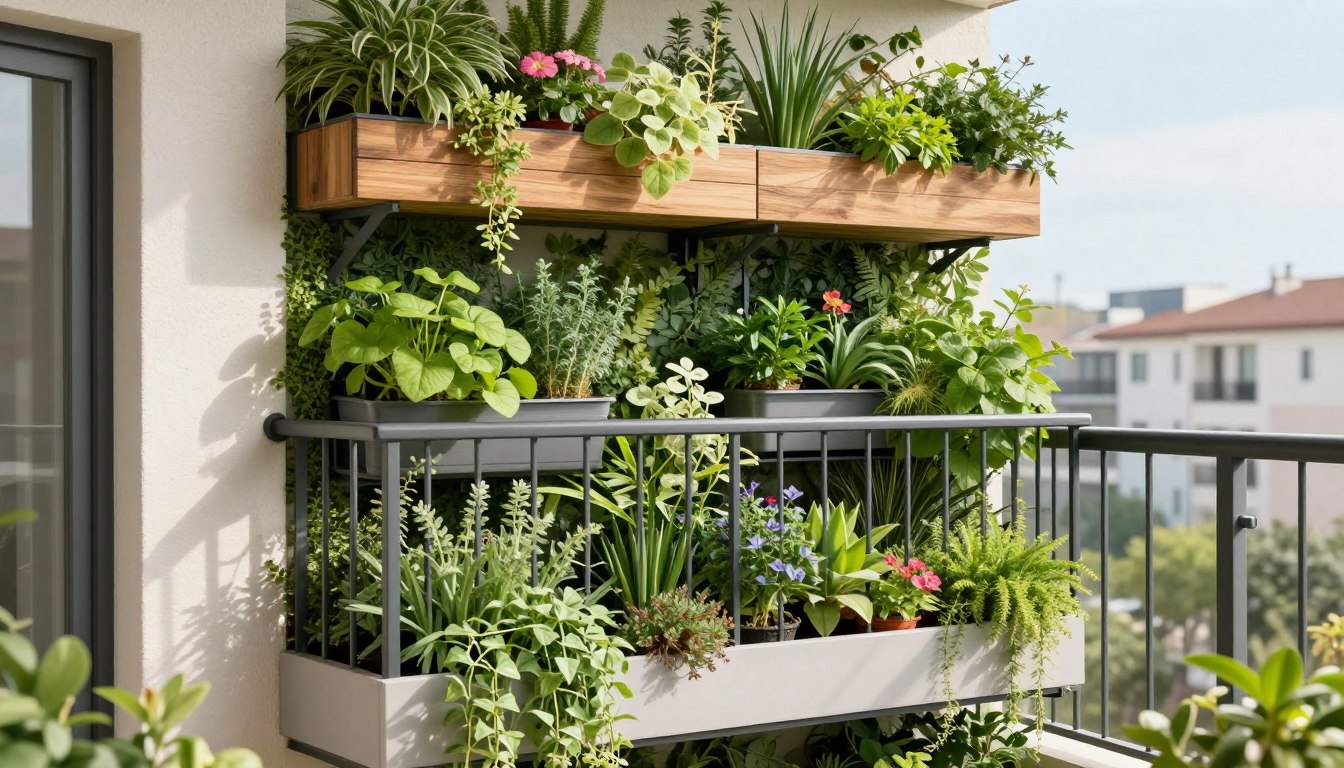
Your balcony can become a thriving garden oasis. The secret lies in thinking upward rather than outward.
Vertical gardens maximize every inch of available space. They transform blank walls into living tapestries of color and texture.
This comprehensive guide walks you through everything you need to know. From planning considerations to specific systems and plant selections, you’ll discover practical ideas that work for real balconies.
Whether you dream of fresh herbs for cooking or a flower-filled retreat, vertical gardening makes it possible. Small balconies can support surprisingly productive gardens when you use vertical space wisely.
Let’s explore the vertical gardening ideas that will transform your balcony into the green space you’ve been longing for.
Why Choose Vertical Gardening for Your Balcony
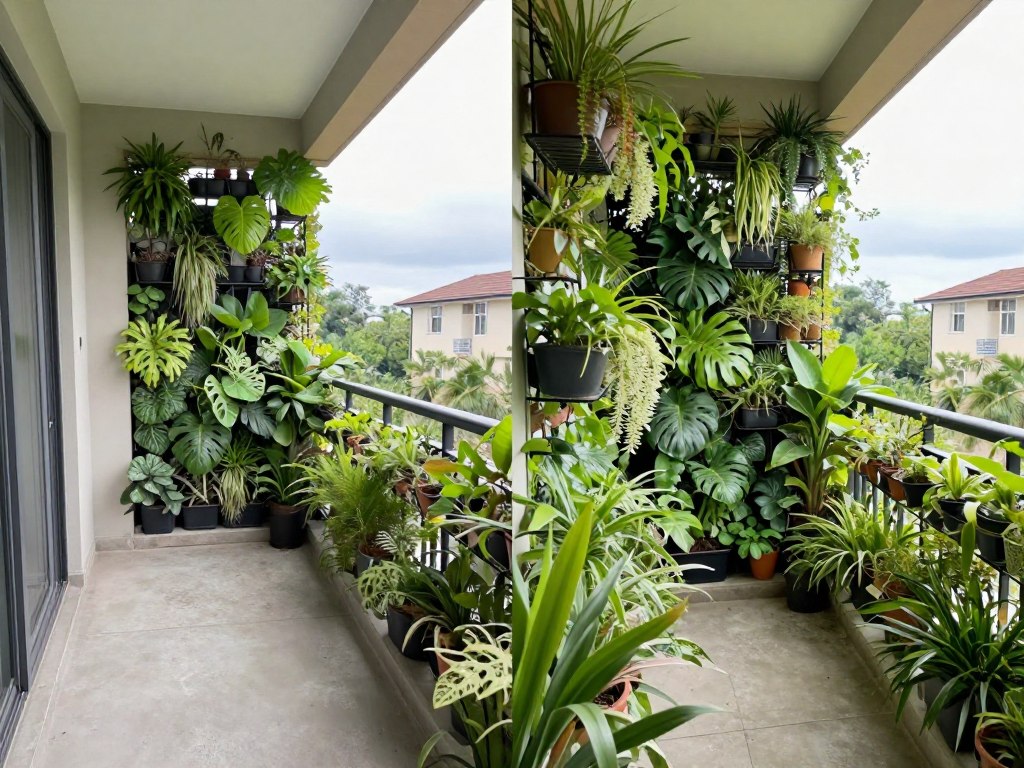
Vertical gardens deliver remarkable benefits beyond simple aesthetics. They solve the fundamental challenge facing urban gardeners: limited square footage.
Space efficiency tops the list of advantages. A single wall can support dozens of plants that would otherwise require a full backyard.
Privacy comes naturally with vertical gardens. Climbing plants and wall-mounted systems create natural screens that shield your balcony from neighboring eyes.
Air quality improves significantly when you introduce plants to your outdoor space. Plants filter toxins and produce oxygen right outside your living room.
Advantages of Vertical Balcony Gardens
- Maximizes limited square footage efficiently
- Creates natural privacy screens from neighbors
- Improves air quality and reduces urban pollution
- Reduces noise from surrounding areas
- Provides fresh herbs and vegetables within arm’s reach
- Increases property value and aesthetic appeal
- Offers therapeutic benefits and stress relief
- Supports pollinators in urban environments
Challenges to Consider
- Requires more frequent watering than ground gardens
- Initial setup costs for systems and containers
- Weight restrictions on some balconies
- Wind exposure can stress plants
- Limited soil volume affects plant choices
- May require building management approval
Temperature regulation becomes easier with vertical gardens. Plants provide insulation that keeps your apartment cooler in summer and can reduce heat loss in winter.
The mental health benefits prove equally valuable. Studies show that regular interaction with plants reduces stress and improves mood.
Food production becomes feasible even in the smallest spaces. Vertical gardens can yield impressive harvests of herbs, salad greens, and compact vegetables.
Planning Your Vertical Balcony Garden
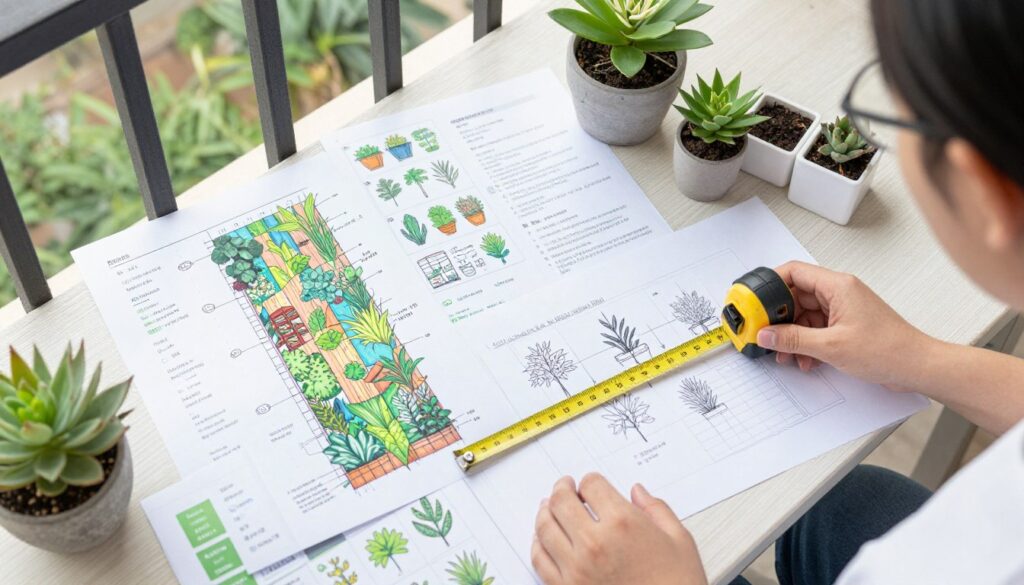
Successful vertical gardens begin with thorough planning. Understanding your balcony’s unique conditions determines which plants will thrive and which systems will work best.
Assessing Your Balcony’s Microclimate
Sunlight exposure dictates your plant choices more than any other factor. Track how many hours of direct sun your balcony receives throughout the day.
South-facing balconies in the Northern Hemisphere get maximum sun exposure. These spaces support sun-loving vegetables, herbs, and flowering plants.
North-facing balconies receive minimal direct sunlight. Focus on shade-tolerant plants like ferns, hostas, and certain leafy greens for these spaces.
East-facing balconies enjoy gentle morning sun. This orientation suits plants that prefer partial shade and protection from harsh afternoon heat.
West-facing balconies endure intense afternoon sun and heat. Choose drought-tolerant plants and ensure adequate watering systems for these conditions.
Sun Exposure Quick Reference
Full Sun: 6+ hours of direct sunlight daily. Ideal for tomatoes, peppers, most herbs, and sun-loving flowers.
Partial Shade: 3-6 hours of direct sun. Perfect for lettuce, spinach, impatiens, and begonias.
Full Shade: Less than 3 hours of direct sun. Best for ferns, hostas, spider plants, and shade-tolerant herbs like mint.
Understanding Wind and Weather Exposure
Wind poses a significant challenge for balcony gardens, especially on higher floors. Strong winds dry out soil quickly, damage delicate foliage, and can topple containers.
Test wind patterns on your balcony at different times of day. Notice which areas receive the most buffeting and which spots stay relatively calm.
Windbreaks become essential for exposed balconies. Trellises, privacy screens, or strategically placed vertical gardens themselves can shield more delicate plants.
Temperature extremes affect balcony gardens more intensely than ground-level gardens. Concrete and metal railings absorb heat during the day and radiate it back at night.
Checking Weight Restrictions and Building Rules
Your building’s regulations must guide your vertical garden plans. Many apartments and condos have specific rules about what you can attach to walls or railings.
Weight limits vary significantly between buildings. Older structures may have stricter limitations than newer construction.
Wet soil weighs considerably more than dry soil. Factor this into your calculations when planning large vertical garden installations.
Important Safety Consideration
Always verify your balcony’s weight capacity before installing heavy vertical garden systems. A cubic foot of wet soil can weigh up to 100 pounds. Consult your building management or structural engineer if you’re planning an extensive installation.
Water Access and Drainage Solutions
Water access determines how much time you’ll spend maintaining your garden. Few balconies have outdoor faucets, so plan for carrying water or installing a long hose.
Drainage presents another crucial consideration. You cannot allow water to drip onto neighbors’ balconies below or damage building structures.
Self-watering planters reduce maintenance time significantly. These containers have built-in reservoirs that keep soil consistently moist.
Drip irrigation systems work wonderfully for vertical gardens. They deliver water directly to plant roots while minimizing waste.
- Use saucers or trays under all containers to catch excess water
- Consider a lightweight, collapsible watering can for easy storage
- Install a kitchen sink adapter for connecting garden hoses
- Group plants with similar water needs together
- Choose drought-tolerant plants if consistent watering is challenging
Vertical Gardening Ideas and Systems
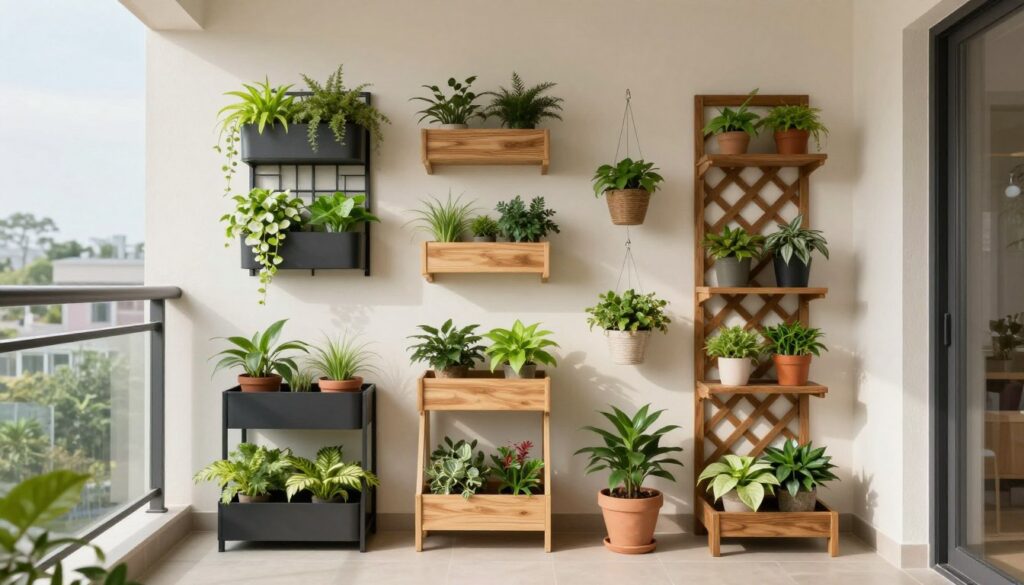
The right system makes vertical gardening manageable and beautiful. Your choice depends on your balcony’s size, your aesthetic preferences, and how much maintenance time you can dedicate.
Wall-Mounted Planters and Pocket Gardens
Wall-mounted planters attach directly to vertical surfaces, creating living walls of greenery. These systems range from simple individual pots to complex modular installations.
Fabric pocket gardens offer lightweight, affordable solutions. These hanging panels feature multiple pockets that hold soil and plants.
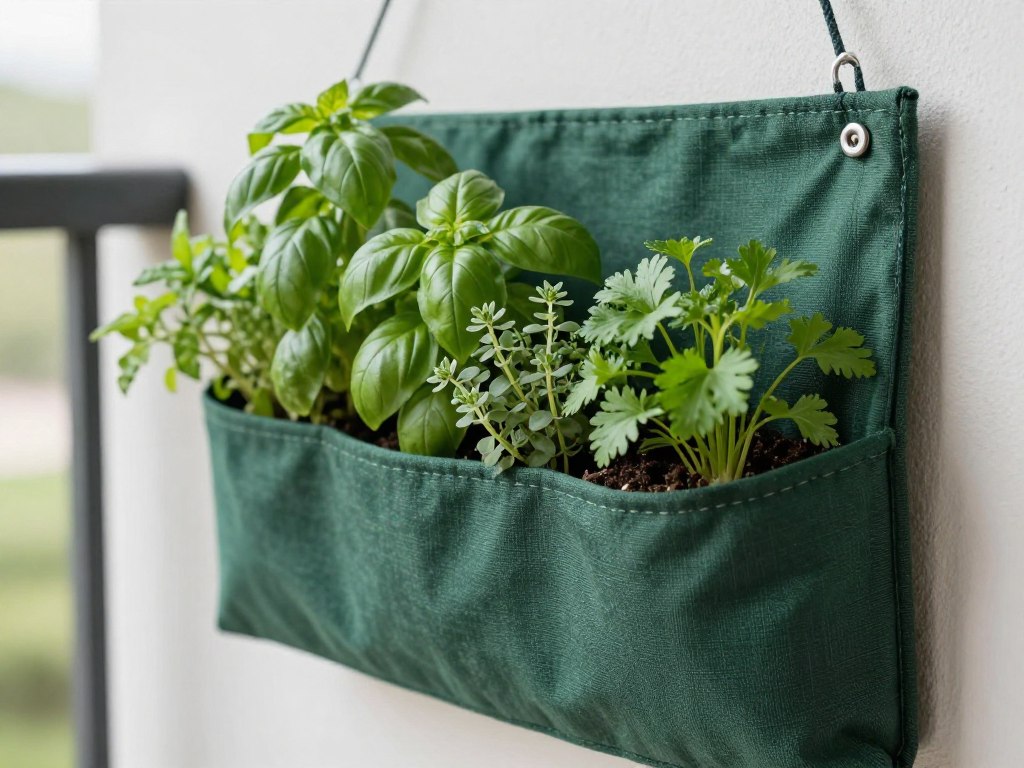
Installation requires sturdy anchors that can support the weight when soil is wet. Check your building’s policies before drilling into walls.
Drainage becomes critical with wall-mounted systems. Ensure excess water doesn’t damage walls or create mold problems.
Modular plastic systems snap together to create custom configurations. You can expand these installations as your garden grows.
Vertical planter boxes mounted on rails allow you to adjust plant positions based on sun exposure throughout the season.
Trellises and Climbing Plant Supports
Trellises transform climbing plants into vertical garden features. These structures support vining vegetables, flowering climbers, and trailing plants.
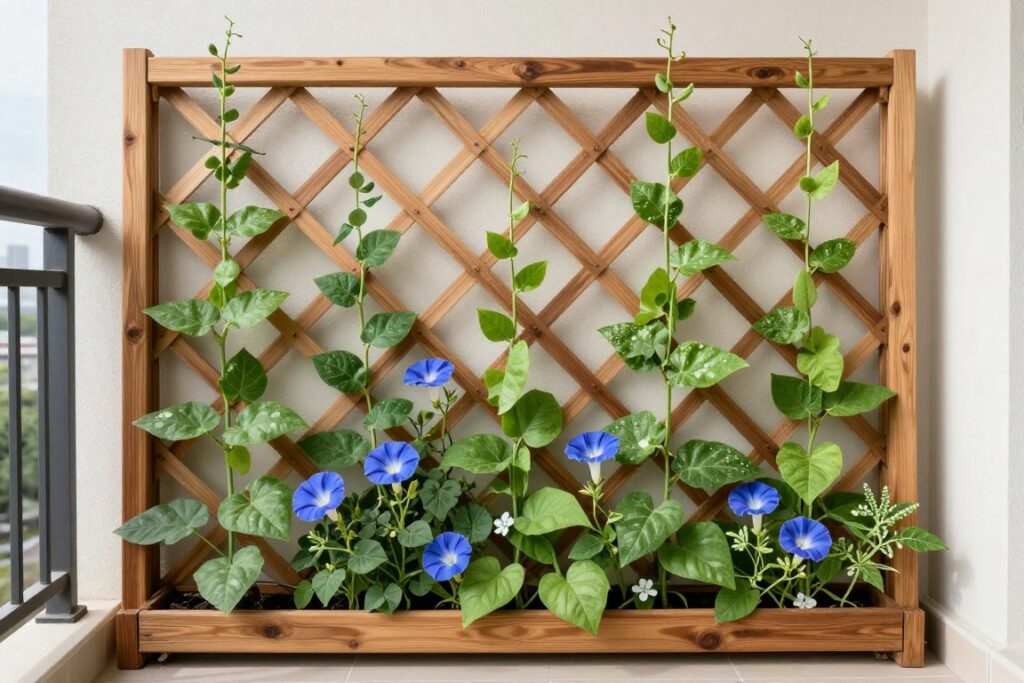
Freestanding trellises work well for renters who cannot attach structures to walls. Place these in large, heavy planters for stability.
Wall-mounted trellises maximize space by keeping the footprint minimal. Metal or wood varieties complement different design aesthetics.
Bamboo stakes arranged in a tepee shape create an attractive, inexpensive support system. These work beautifully for peas, beans, and pole varieties of vegetables.
Wire mesh attached to railings provides support for lighter climbing plants. This solution proves ideal for annual vines like sweet peas or nasturtiums.
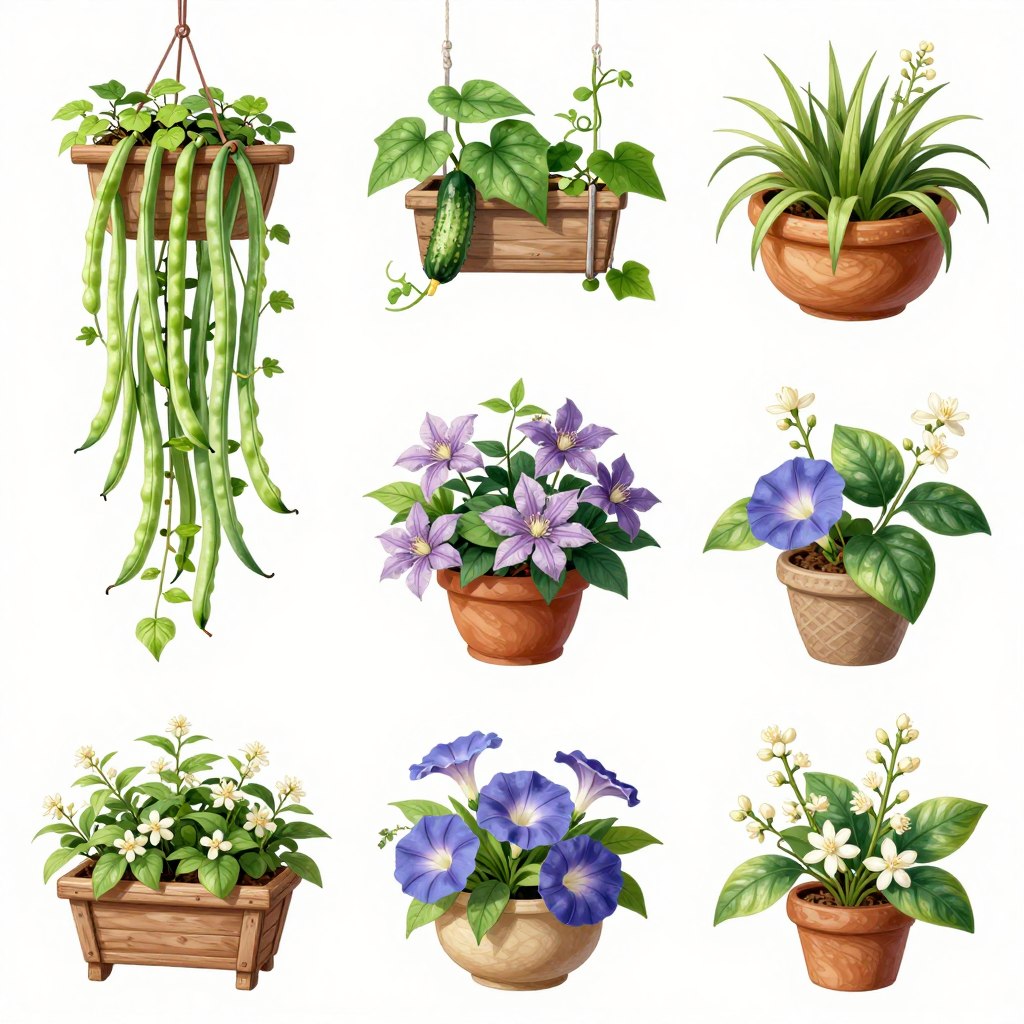
Best Plants for Trellises
- Pole beans and peas for food production
- Cucumbers for vertical vegetable growing
- Clematis for stunning flower displays
- Morning glories for fast-growing color
- Jasmine for fragrance and beauty
- Ivy for evergreen coverage
- Passionflower for exotic blooms
Hanging Planters and Basket Systems
Hanging baskets utilize overhead space that often goes unused on balconies. These containers work for everything from trailing flowers to cherry tomatoes.
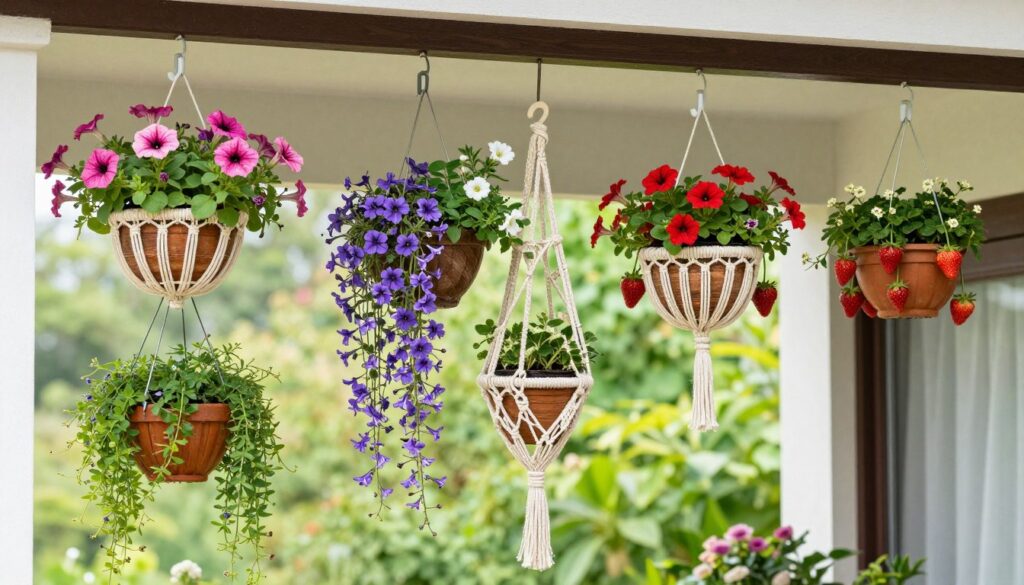
Ceiling hooks must be installed in structural beams or concrete, never just drywall. Use appropriate hardware rated for outdoor use and wet conditions.
Railing planters hang over balcony rails, doubling your growing space without using floor area. These containers excel for herbs and compact flowers.
Tiered hanging systems create cascading displays of plants at multiple levels. These prove especially effective for strawberries or trailing flowers.
Consider the weight of hanging planters when fully watered. Ensure your hardware can support at least twice the expected weight for safety.
Shelving Units and Ladder Gardens
Tall, narrow shelving units turn corners into productive garden spaces. These structures display plants at varying heights for visual interest.
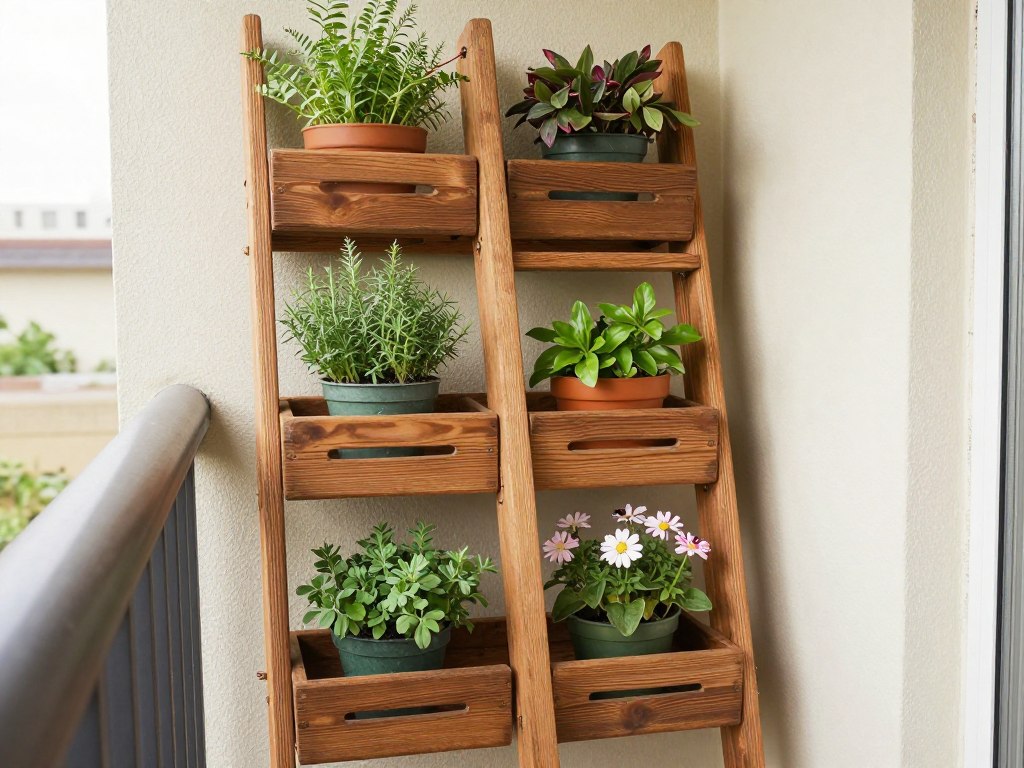
A-frame ladder gardens provide stability and charm. Place containers on each rung, with larger pots at the bottom and smaller ones higher up.
Metal baker’s racks designed for outdoor use create industrial-chic vertical gardens. Their open construction allows air circulation around plants.
Corner shelving maximizes awkward spaces that typically go unused. These units fit snugly into tight areas while providing multiple planting levels.
Ensure shelving is weather-resistant and won’t rust or deteriorate. Treat wood with outdoor sealant to extend its lifespan.
Pallet Gardens for DIY Enthusiasts
Wooden pallets transform into vertical gardens with minimal effort. These DIY projects create rustic, charming displays at low cost.
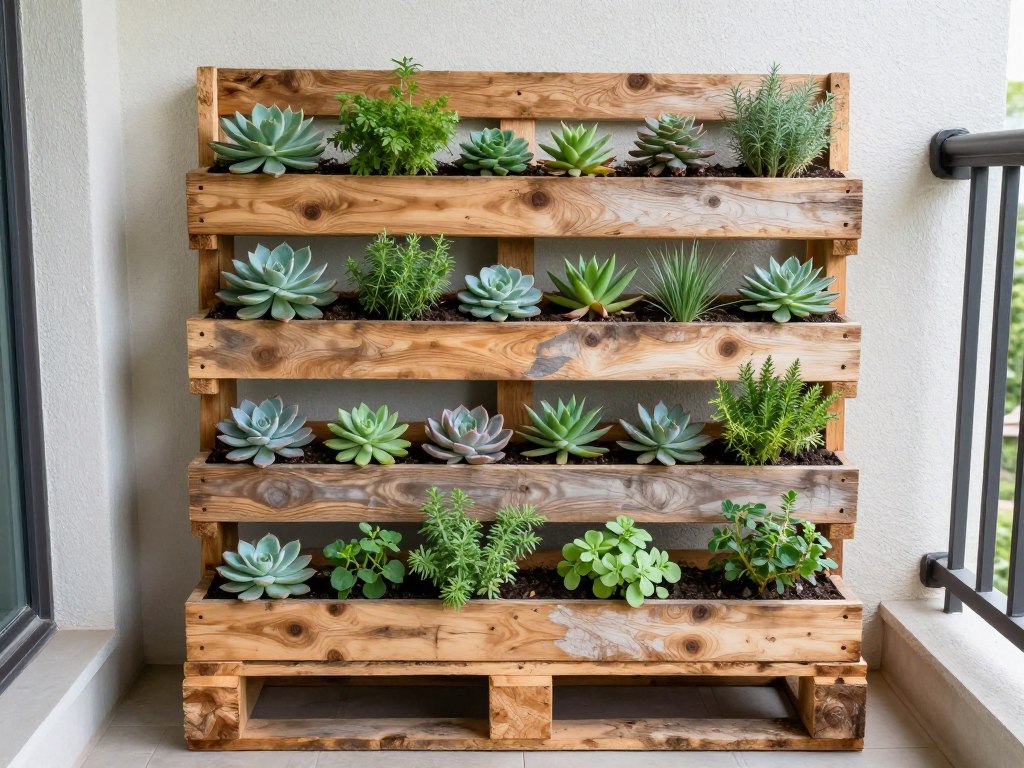
Only use untreated wood pallets marked with “HT” (heat treated). Avoid pallets marked “MB” as they contain harmful chemicals.
Sand the wood to prevent splinters, then seal it with outdoor wood stain or polyurethane. This preparation extends the pallet’s life significantly.
Attach landscape fabric to the back and bottom to hold soil in place. Staple it securely to prevent soil from falling through gaps.
Stand the pallet upright and lean it against a wall. Allow it to cure in this position for several weeks before planting so soil and plants settle.
Shallow-rooted plants work best in pallet gardens. Succulents, lettuce, and herbs adapt well to the limited soil depth.
Tiered and Stackable Planter Systems
Stackable planters create vertical gardens that require no wall mounting. These freestanding systems work perfectly for renters or temporary installations.
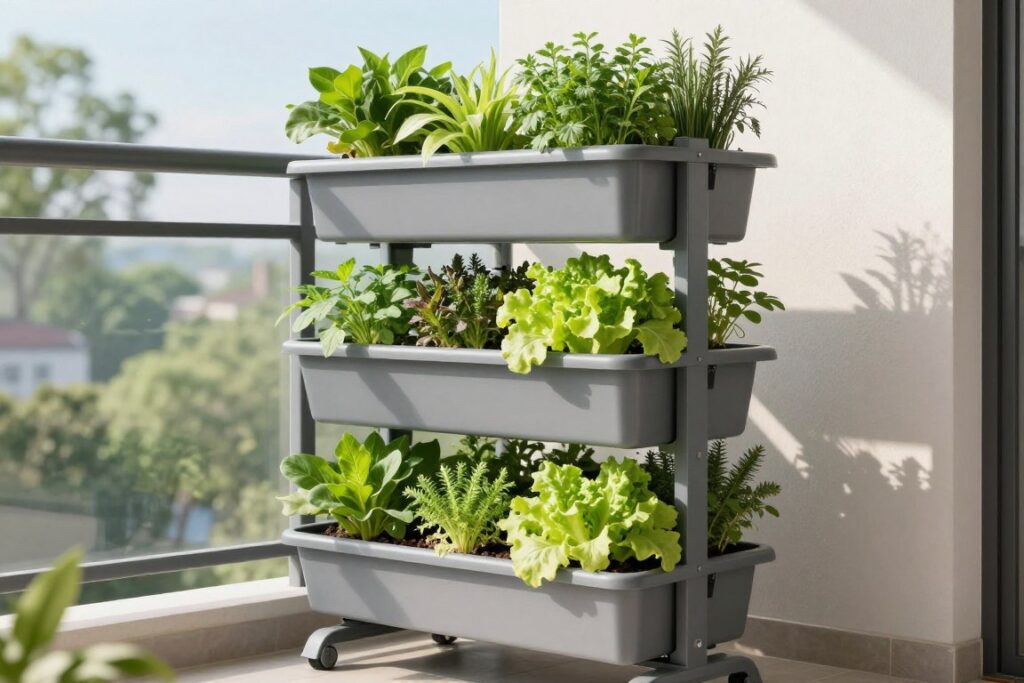
Tower planters feature multiple growing pockets arranged around a central support. Water from the top cascades down to lower levels.
Stacking strawberry planters work for more than just berries. Use them for herbs, lettuce, or trailing flowers.
Pyramid planters provide increasing growing space at each level. These stable structures resist tipping in wind.
Self-watering tower systems reduce maintenance dramatically. Built-in reservoirs keep plants hydrated for days.
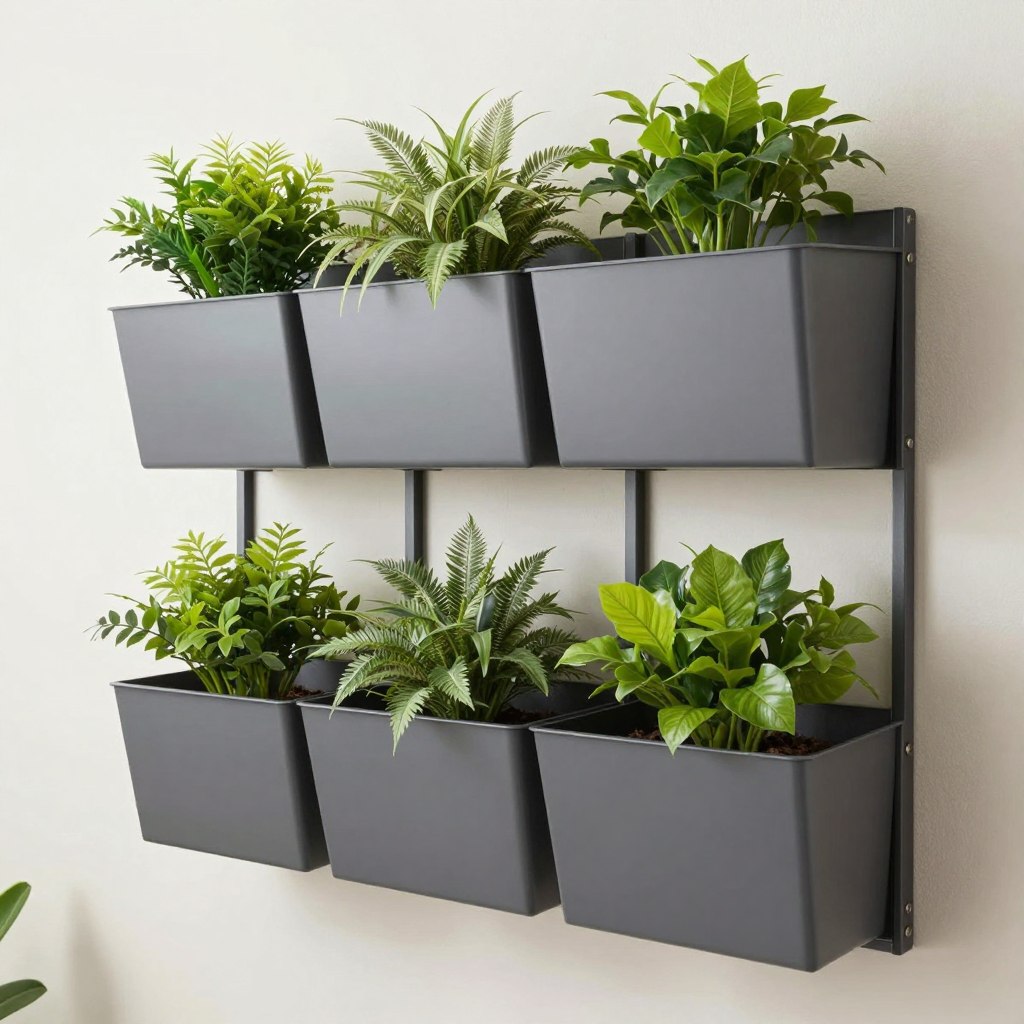
Modular Wall Planter Systems
Transform blank walls into living art with modular planter systems. These interlocking units create custom configurations that fit any space. Self-watering designs reduce maintenance while keeping plants healthy.
- Customizable layouts for any wall size
- Built-in water reservoirs
- UV-resistant materials
- Easy installation with included hardware
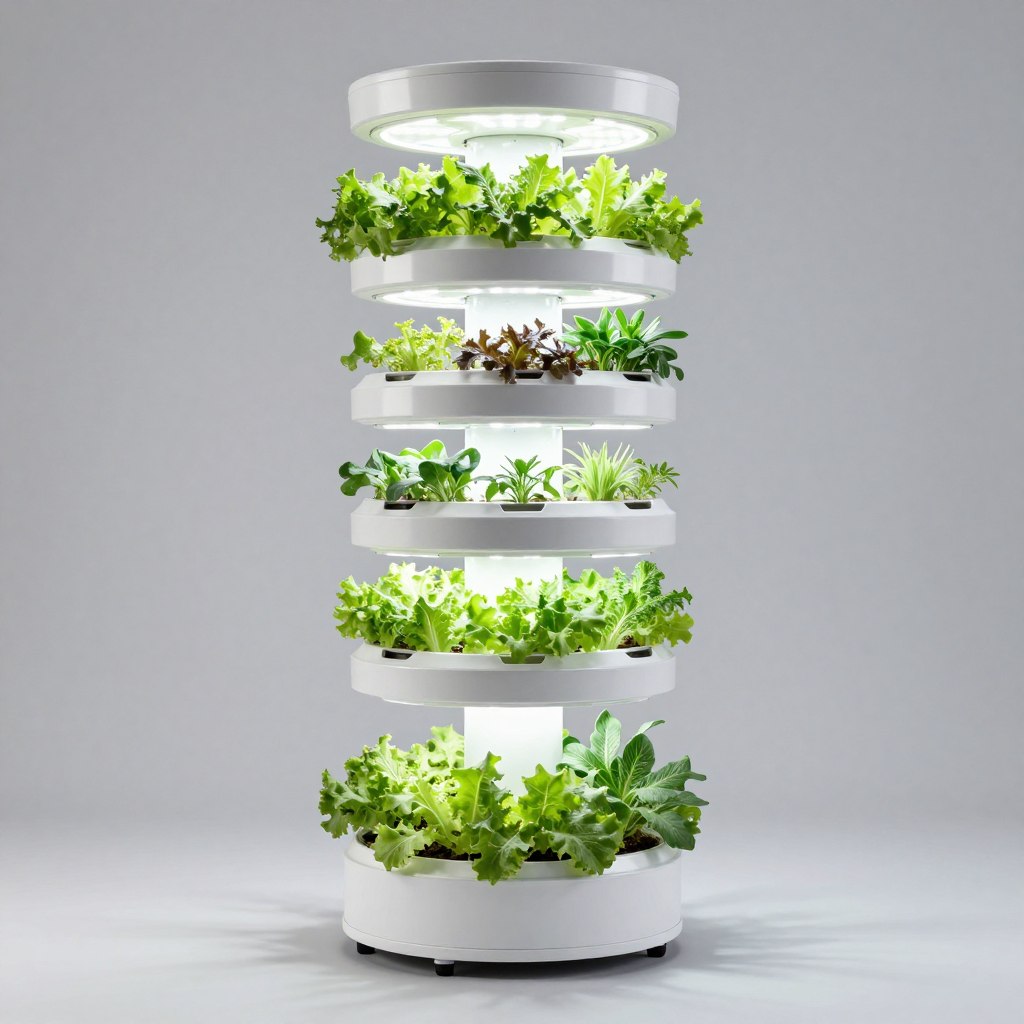
Hydroponic Tower Gardens
Grow more with less space using vertical hydroponic systems. These soil-free gardens produce faster growth and higher yields while using 90% less water than traditional methods.
- Grow up to 20+ plants in 2 square feet
- Built-in LED grow lights option
- Automated watering system
- Perfect for herbs and vegetables
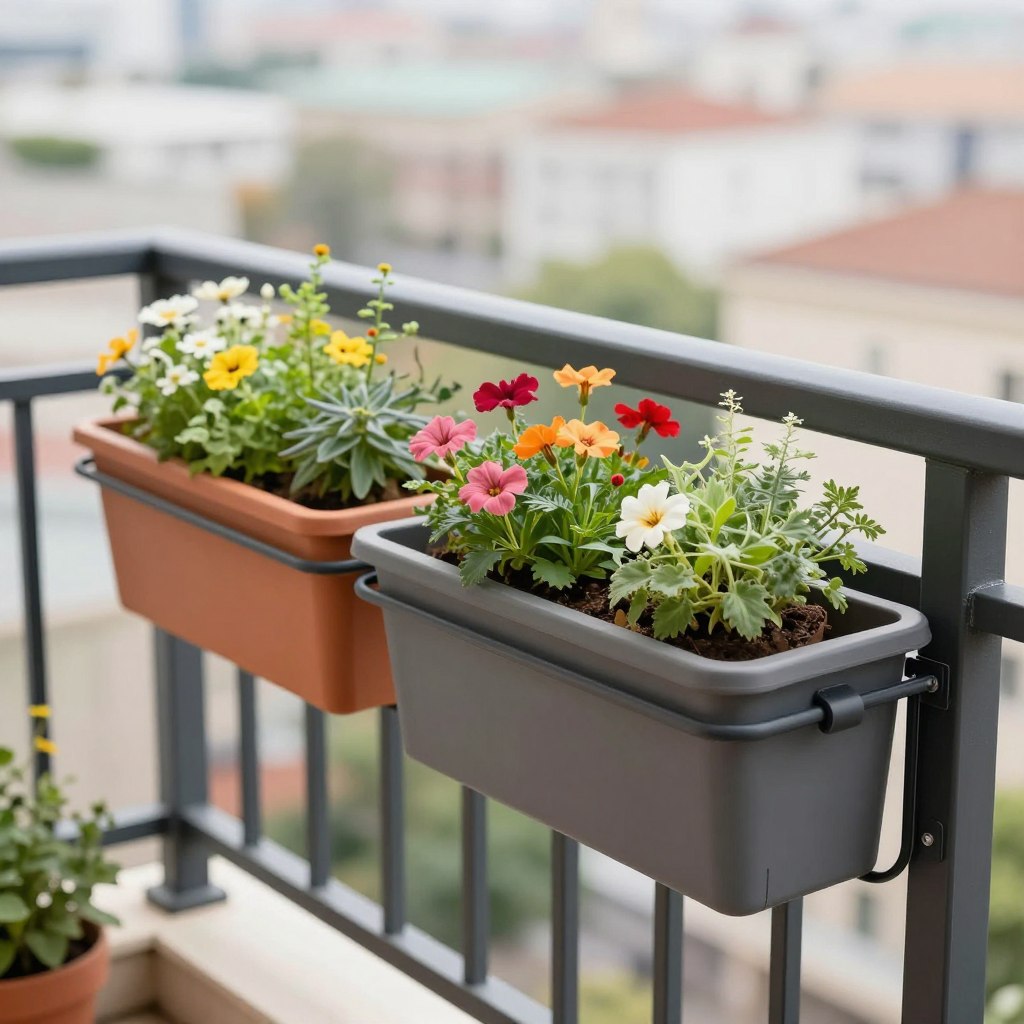
Railing Planter Sets
Double your growing space without using floor area. Railing planters securely attach to most balcony rails and provide excellent drainage while maintaining a clean, organized appearance.
- Fits standard balcony railings
- Secure bracket system prevents tipping
- Drainage holes prevent water damage
- Available in multiple sizes
Best Plants to Grow in a Vertical Balcony Garden
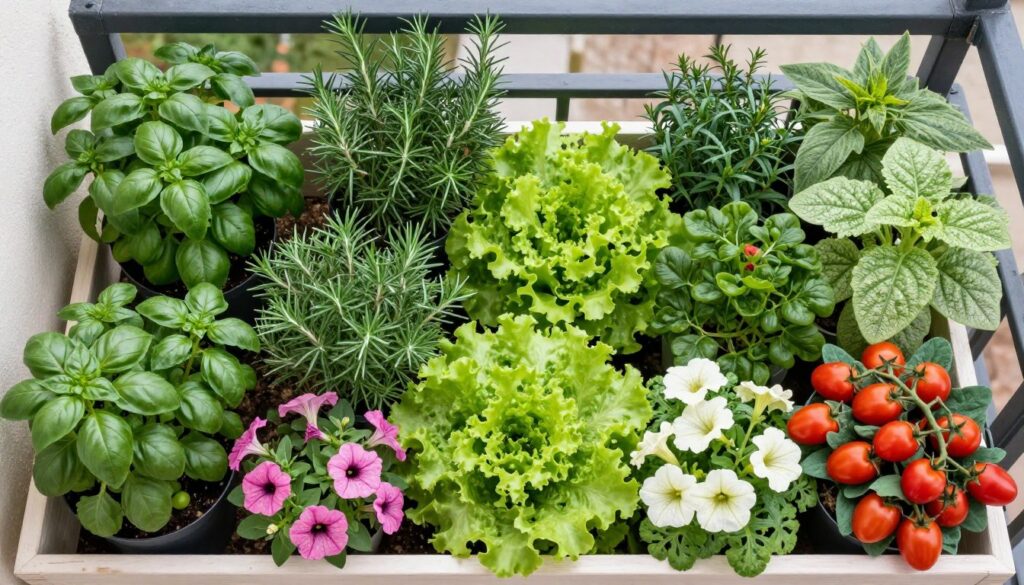
Plant selection determines your vertical garden’s success. Choose varieties suited to your balcony’s conditions and the space constraints of container growing.
Herbs for Vertical Gardens
Herbs thrive in vertical gardens and provide fresh flavors for your kitchen. Most varieties adapt well to container life and limited root space.
Basil grows vigorously in warm weather and full sun. Pinch off flower buds to encourage leafy growth throughout the season.
Rosemary tolerates drought and prefers well-drained soil. This perennial herb survives winter in many climates when grown in containers.
Mint spreads aggressively, making it perfect for contained spaces. Keep different mint varieties in separate pots to maintain distinct flavors.
Thyme cascades beautifully over container edges. This Mediterranean herb requires minimal water once established.
Parsley produces abundantly in partial shade conditions. Both flat-leaf and curly varieties work well vertically.
Full Sun Herbs
These herbs require 6+ hours of direct sunlight daily for optimal growth and flavor development.
- Basil (multiple varieties)
- Rosemary
- Oregano
- Sage
- Thyme
- Lavender
Partial Shade Herbs
These herbs tolerate 3-6 hours of sun and often prefer protection from intense afternoon heat.
- Parsley
- Cilantro
- Chives
- Mint (all varieties)
- Lemon balm
- Tarragon
Compact Varieties
These dwarf or compact herb varieties fit perfectly in vertical garden systems with limited depth.
- Greek basil
- Dwarf sage
- Compact oregano
- Miniature rosemary
- Bush basil
- Fine leaf thyme
Trailing Herbs
These herbs cascade attractively from hanging baskets and upper-level planters in vertical systems.
- Trailing rosemary
- Creeping thyme
- Oregano
- Trailing marjoram
- Prostrate sage
- Hanging nasturtium
Vegetables for Small Spaces
Many vegetables adapt surprisingly well to vertical growing. Focus on compact varieties bred specifically for container gardening.
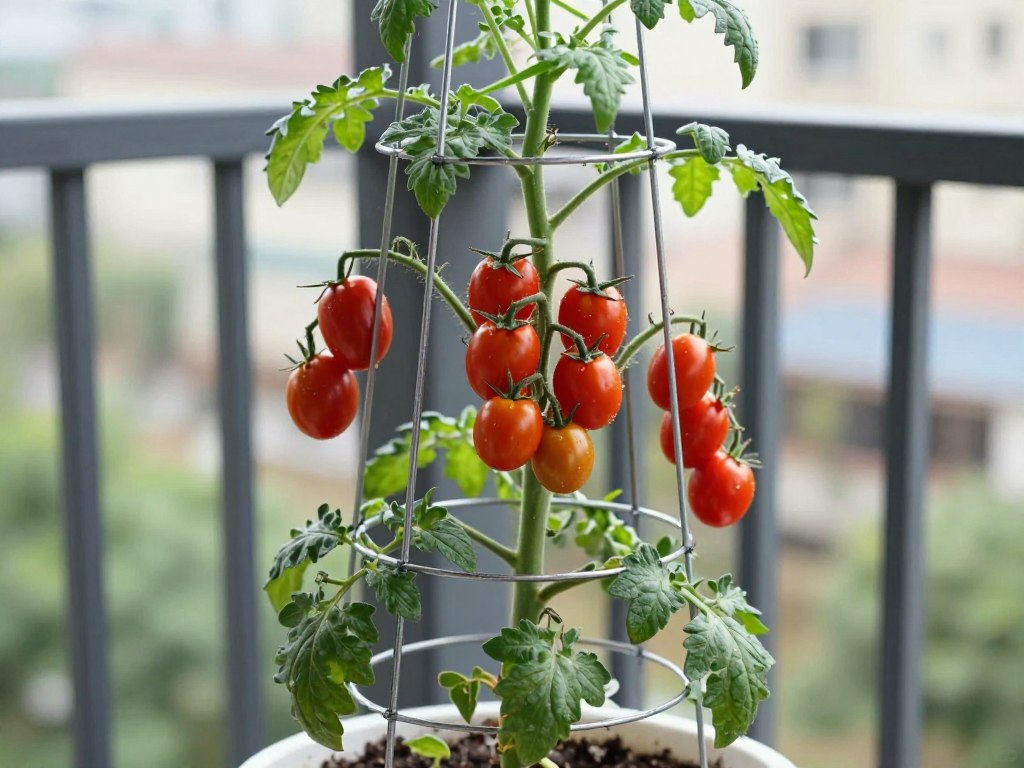
Cherry tomatoes produce abundantly in containers. Choose determinate or dwarf varieties that won’t overwhelm your space.
Lettuce and salad greens grow quickly in shallow containers. Succession planting ensures continuous harvests throughout the season.
Bush beans produce without requiring tall supports. Pole beans climb trellises to maximize vertical space.
Peppers thrive in containers and full sun. Compact varieties like lunch box peppers fit perfectly in vertical systems.
Radishes mature in just 30 days. Their shallow roots make them ideal for vertical pocket gardens.
- Patio tomatoes: Tiny Tim, Tumbling Tom, Red Robin
- Compact cucumbers: Bush Pickle, Patio Snacker
- Container peppers: Lunchbox, Apache, Mohawk
- Dwarf eggplant: Fairy Tale, Little Fingers
- Baby carrots: Thumbelina, Little Finger
- Compact zucchini: Astia, Eight Ball
Flowers for Color and Pollinators
Flowering plants add beauty while attracting beneficial pollinators to your balcony garden. Many varieties bloom continuously throughout the growing season.
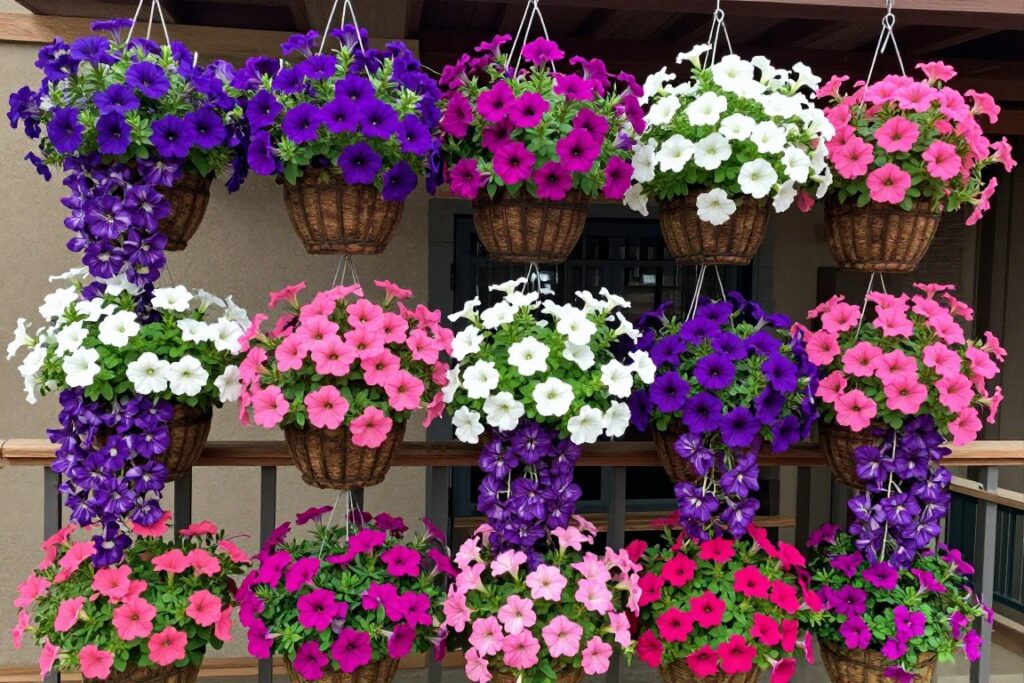
Petunias cascade dramatically from hanging baskets. These prolific bloomers tolerate heat and flower from spring until frost.
Nasturtiums climb or trail depending on variety. Their edible flowers add peppery flavor to salads.
Calibrachoa produces masses of small petunia-like flowers. These low-maintenance plants thrive in hanging containers.
Begonias flourish in partial shade conditions. Both tuberous and fibrous types work well in vertical gardens.
Geraniums offer classic beauty and easy care. Zonal varieties stand upright while ivy geraniums trail attractively.
Succulents for Low Maintenance
Succulents provide striking architecture with minimal care requirements. Their shallow root systems adapt perfectly to vertical gardens.
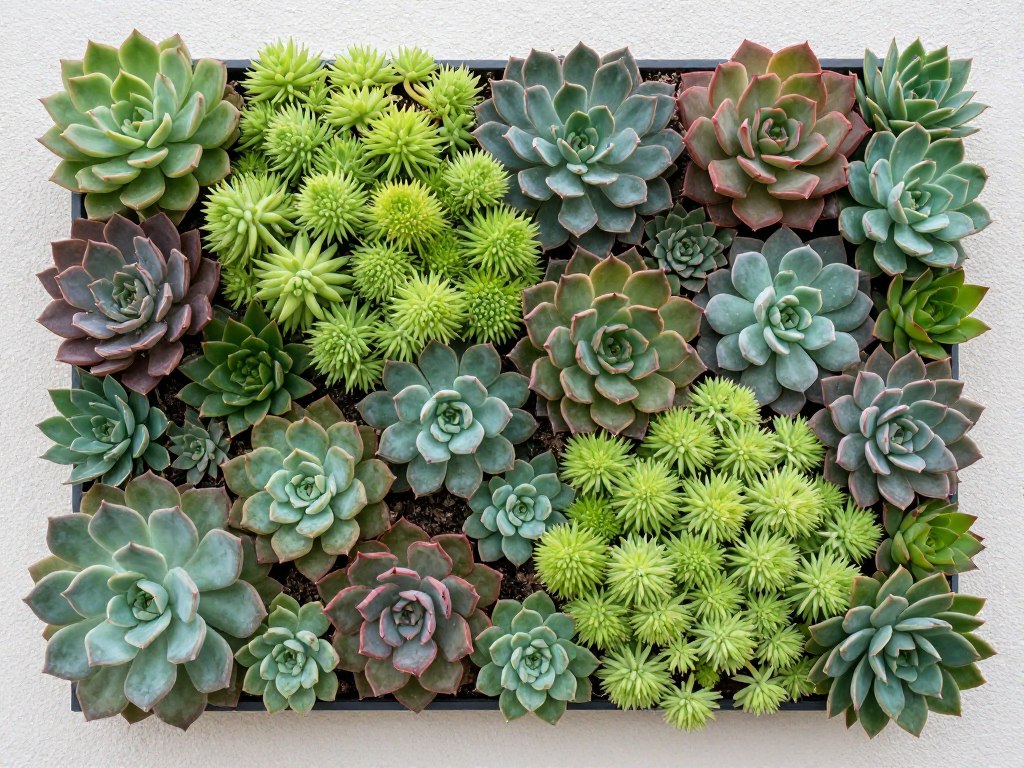
Sedums spread quickly and tolerate neglect. Hundreds of varieties offer different colors and textures.
Sempervivum (hens and chicks) multiply rapidly. These cold-hardy succulents survive winters in many climates.
Echeveria forms rosettes in stunning colors. These tender succulents need frost protection but thrive in containers.
String of pearls trails dramatically from elevated planters. This unique succulent creates living jewelry.
Aeoniums grow in architectural forms. Their bold presence makes strong design statements in vertical gardens.
Care and Maintenance Tips for Vertical Gardens
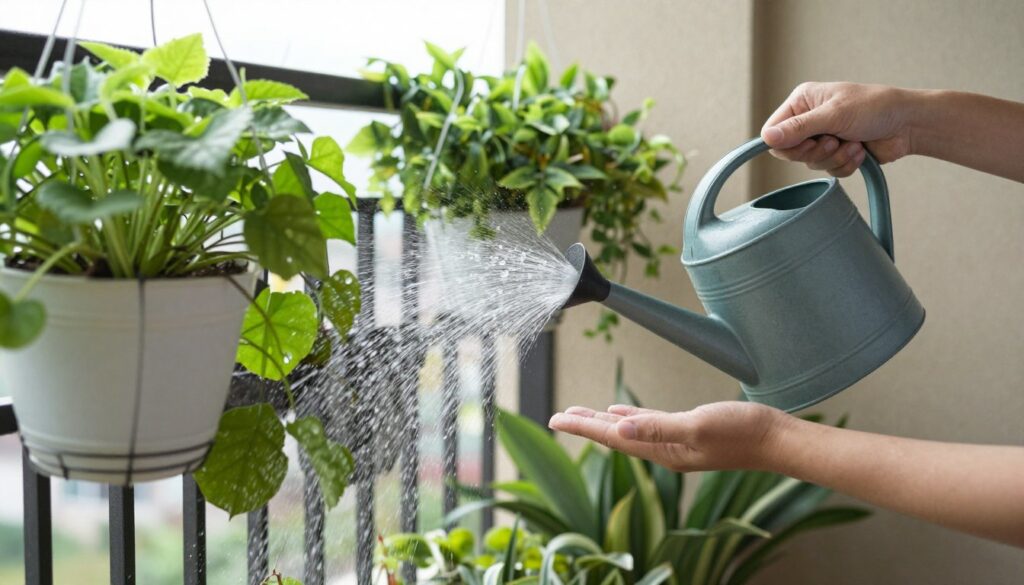
Proper maintenance keeps your vertical garden thriving throughout the growing season. Container gardens require more attention than in-ground plantings, but efficient systems reduce the workload.
Watering Systems and Schedules
Consistent watering proves critical for vertical gardens. Container soil dries out faster than ground soil, especially in windy or hot conditions.
Check soil moisture daily by inserting your finger two inches deep. Water when the top inch feels dry to the touch.
Morning watering allows foliage to dry before evening. This timing reduces disease problems caused by prolonged moisture on leaves.
Drip irrigation systems automate watering while conserving water. These setups deliver moisture directly to roots with minimal waste.
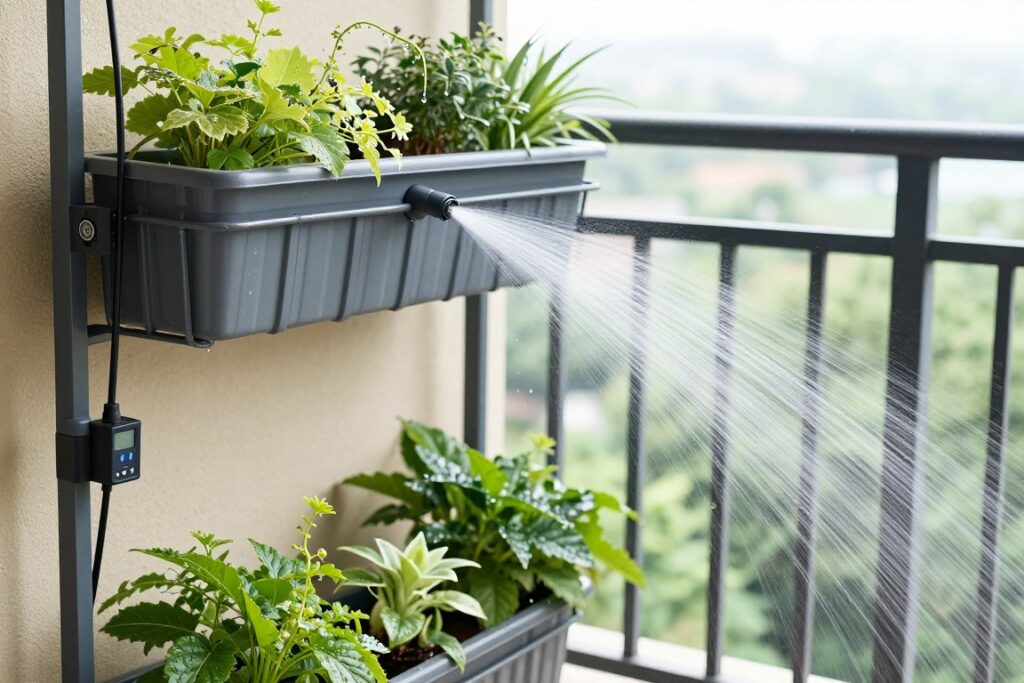
Self-watering planters reduce daily maintenance significantly. Built-in reservoirs supply consistent moisture for several days.
Group plants with similar water needs together. This strategy prevents overwatering drought-tolerant plants or underwatering moisture-lovers.
Water-Saving Tips for Balcony Gardens
- Add water-retaining crystals to potting mix to extend time between watering
- Mulch container surfaces with bark or stones to reduce evaporation
- Use drip irrigation or soaker hoses instead of overhead watering
- Install rain barrels if your building allows to collect free water
- Choose glazed or plastic containers over terracotta which dries faster
- Water deeply but less frequently to encourage deep root growth
Fertilizing Container Plants
Container plants deplete soil nutrients quickly. Regular fertilizing ensures healthy growth and abundant production.
Water-soluble fertilizers deliver nutrients immediately. Apply these every two weeks during active growth periods.
Slow-release granular fertilizers reduce maintenance. A single application feeds plants for months.
Organic options like compost tea provide gentle nutrition. These natural fertilizers improve soil structure while feeding plants.
Fish emulsion works wonderfully for leafy vegetables and herbs. This organic fertilizer supplies nitrogen for lush foliage growth.
Reduce fertilizer frequency as seasons change. Plants require less nutrition during slower growth periods.
Pest Control in Small Spaces
Balcony gardens face fewer pest problems than ground gardens, but issues still arise. Early detection and organic solutions work best.
Inspect plants regularly for signs of trouble. Check undersides of leaves where many pests hide.
Aphids cluster on new growth and flower buds. Spray them off with water or use insecticidal soap.
Spider mites cause stippled, yellowing leaves. Increase humidity and use neem oil for control.
Encourage beneficial insects by planting flowers. Ladybugs, lacewings, and parasitic wasps control many garden pests naturally.
- Remove damaged leaves promptly to prevent disease spread
- Avoid overhead watering which promotes fungal problems
- Quarantine new plants for two weeks before adding to your garden
- Use yellow sticky traps to monitor and catch flying pests
- Spray neem oil as a preventive treatment every two weeks
- Hand-pick larger pests like caterpillars or beetles
Seasonal Care and Winter Protection
Seasonal transitions require adjustments to your care routine. Prepare your vertical garden for changing conditions throughout the year.
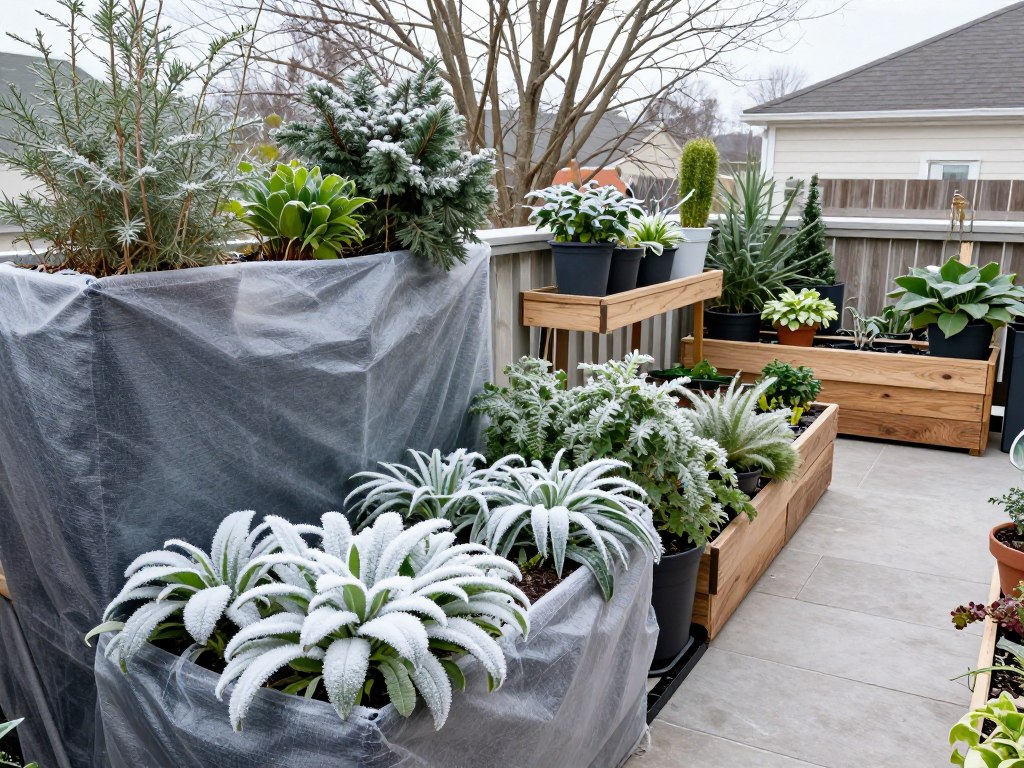
Spring brings renewal and planting time. Refresh potting soil and divide overgrown perennials before new growth begins.
Summer demands vigilant watering and deadheading. Remove spent flowers to encourage continuous blooming.
Fall requires gradual reduction in fertilizing. Allow perennials to harden off before winter arrives.
Winter protection depends on your climate zone. Move tender plants indoors or wrap containers with insulation.
Hardy perennials may survive winter in containers if roots stay protected. Insulate pots with bubble wrap or move them against building walls.
Empty annual containers and clean them thoroughly before storage. This prevents disease problems the following season.
Vertical Garden Design Ideas
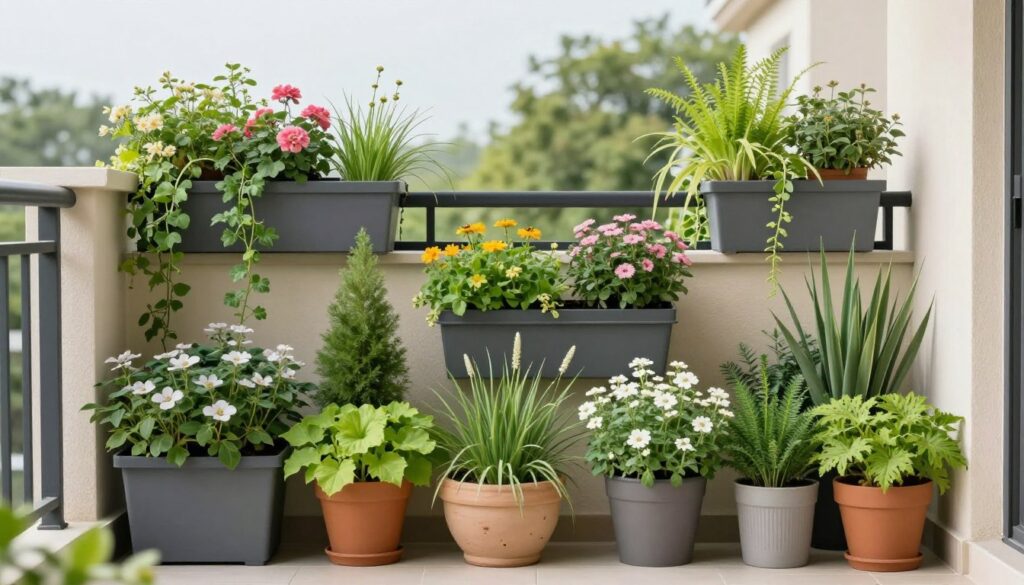
Thoughtful design transforms functional gardens into beautiful outdoor rooms. Consider aesthetics alongside practical growing needs.
Color Coordination and Plant Combinations
Color schemes create cohesion in vertical gardens. Choose a palette that complements your indoor decor.
Monochromatic schemes using variations of one color create sophisticated, calming spaces. White and green gardens feel especially serene.
Complementary colors opposite on the color wheel create vibrant contrasts. Purple and yellow or blue and orange combinations energize spaces.
Analogous color schemes use adjacent colors for harmonious blends. Blue, purple, and pink create peaceful transitions.
Thriller-filler-spiller combinations work beautifully in vertical arrangements. Feature tall plants as thrillers, medium plants as fillers, and trailing plants as spillers.
Creating Privacy with Green Walls
Strategic plant placement transforms balconies into private retreats. Dense foliage blocks unwanted views while creating natural beauty.
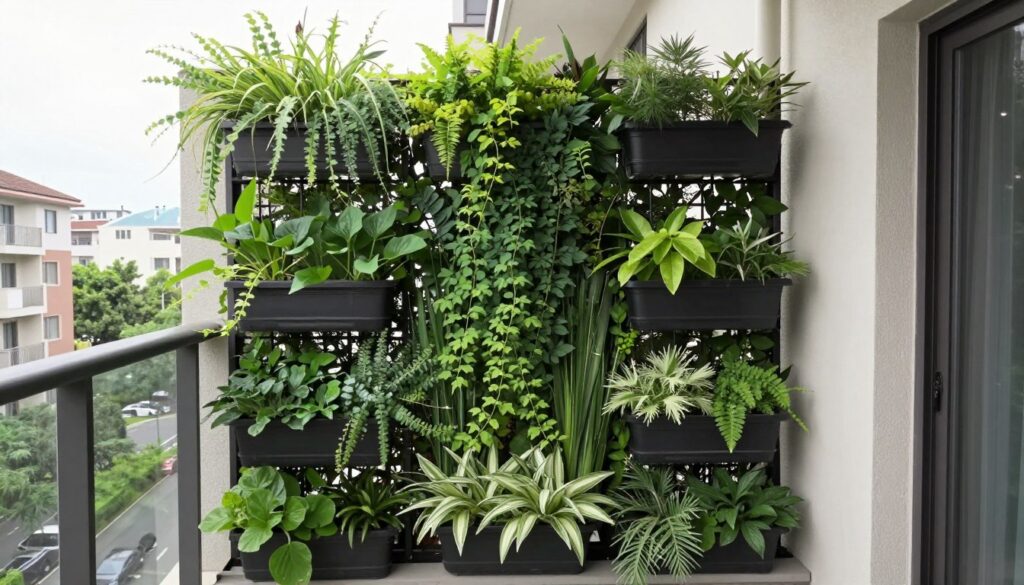
Tall trellises covered with climbing plants create immediate privacy screens. Jasmine or clematis provides both coverage and fragrance.
Bamboo grows quickly in containers and reaches impressive heights. This creates effective screening while maintaining an airy feel.
Evergreen plants provide year-round privacy in mild climates. Consider dwarf conifers or broadleaf evergreens in large containers.
Layer plants at different heights for complete coverage. Combine hanging baskets, mid-level planters, and floor containers.
Incorporating Seating and Living Spaces
Integrate seating to create functional outdoor rooms. Your vertical garden becomes a destination rather than just a display.
Built-in benches with planters behind them maximize space efficiency. The plants provide a living backdrop for relaxation.
Small bistro sets fit in corners while vertical gardens surround them. This arrangement creates intimate dining spaces.
Hanging chairs or hammocks work in larger balconies. Position these focal points with vertical gardens providing natural enclosure.
Add outdoor lighting to extend enjoyment into evening hours. Uplights showcase vertical garden features beautifully.
Troubleshooting Common Problems
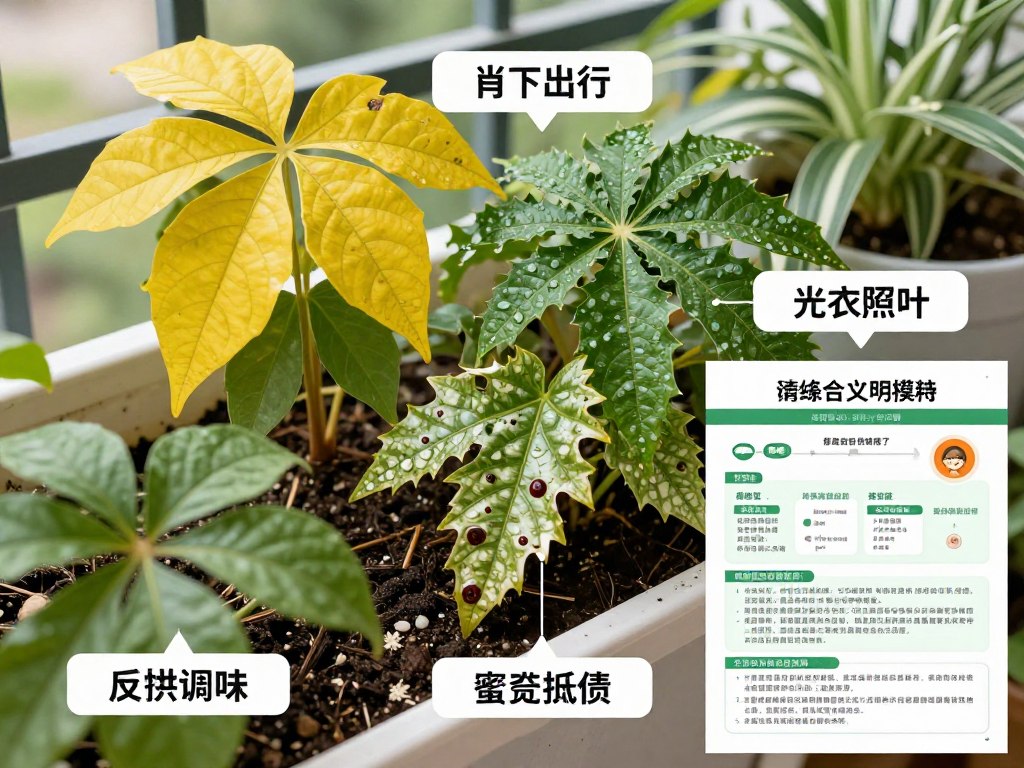
Even experienced gardeners encounter challenges. Recognizing problems early allows for quick correction before serious damage occurs.
Dealing with Limited Light
Insufficient sunlight causes weak, leggy growth and poor flowering. Adjust your plant selection rather than fighting your balcony’s natural conditions.
Shade-loving plants thrive where sun-lovers struggle. Ferns, hostas, begonias, and impatiens excel in low-light conditions.
Supplement natural light with grow lights if your balcony receives minimal sun. LED grow lights use little electricity while supporting plant growth.
Rotate containers periodically to ensure even light exposure. This prevents lopsided growth toward the light source.
Prune surrounding plants that block light to lower containers. Strategic pruning improves light penetration without removing entire plants.
Managing Weight and Structural Concerns
Overloading balconies creates serious safety hazards. Distribute weight evenly across the entire balcony rather than concentrating it in one area.
Use lightweight potting mixes instead of garden soil. Specialized container mixes weigh significantly less while providing excellent growing conditions.
Choose plastic or fiberglass containers over ceramic or concrete. These lighter materials reduce overall load substantially.
Install vertical systems on solid walls attached to the building structure. Avoid attaching heavy installations to balcony railings.
Consult a structural engineer if planning extensive installations. Professional assessment ensures your balcony can safely support your garden plans.
Preventing Water Damage
Water damage to buildings creates costly problems and angry neighbors. Implement proper drainage from the beginning.
Always use saucers under containers to catch drainage water. Empty these after watering to prevent mosquito breeding.
Ensure wall-mounted systems don’t allow water to run down walls. Install drip trays or use sealed backing materials.
Check for leaks regularly, especially with irrigation systems. Even small drips cause major damage over time.
Position containers away from building walls when possible. This prevents moisture accumulation that leads to mold and rot.
Can I grow vegetables in a vertical balcony garden?
Yes, many vegetables thrive in vertical balcony gardens. Focus on compact varieties bred for container growing. Cherry tomatoes, lettuce, herbs, peppers, and pole beans work excellently. Choose determinate tomato varieties that self-prune rather than indeterminate types that grow indefinitely. Leafy greens like lettuce, spinach, and kale produce well in partial shade. Root vegetables need deeper containers but varieties like radishes and baby carrots adapt to limited depth.
How often should I water my vertical garden?
Watering frequency depends on weather, container size, and plant type. During hot summer weather, small containers may need daily watering. Check soil moisture by inserting your finger two inches deep – water when the top inch feels dry. Self-watering containers reduce frequency to every 3-7 days. Drip irrigation systems automate the process entirely. Succulents and drought-tolerant plants need watering only when soil is completely dry. Adjust frequency seasonally, reducing in cooler months when plants grow more slowly.
What plants work best for shady balconies?
Many beautiful plants thrive in shade. For edibles, try lettuce, spinach, arugula, mint, parsley, and cilantro. Ornamental options include ferns, hostas, begonias, impatiens, coleus, and spider plants. Shade-tolerant herbs like mint, lemon balm, and chervil produce well with limited sun. Some vegetables like leafy greens actually prefer protection from intense afternoon sun. Remember that “shade” varies – partial shade (3-6 hours of sun) supports more plants than full shade (less than 3 hours).
Are vertical gardens expensive to start?
Costs vary widely based on your approach. Simple DIY solutions using repurposed pallets, hanging baskets, and basic containers cost under $100. Mid-range options with purchased vertical planters and quality containers run $200-500. High-end hydroponic systems or professionally installed living walls cost $500-2000+. Start small with a few containers and expand gradually. Many vertical garden elements can be DIYed from recycled materials. Seeds cost less than transplants. The investment pays back through fresh food, improved mental health, and increased property value.
Start Your Vertical Balcony Garden Today
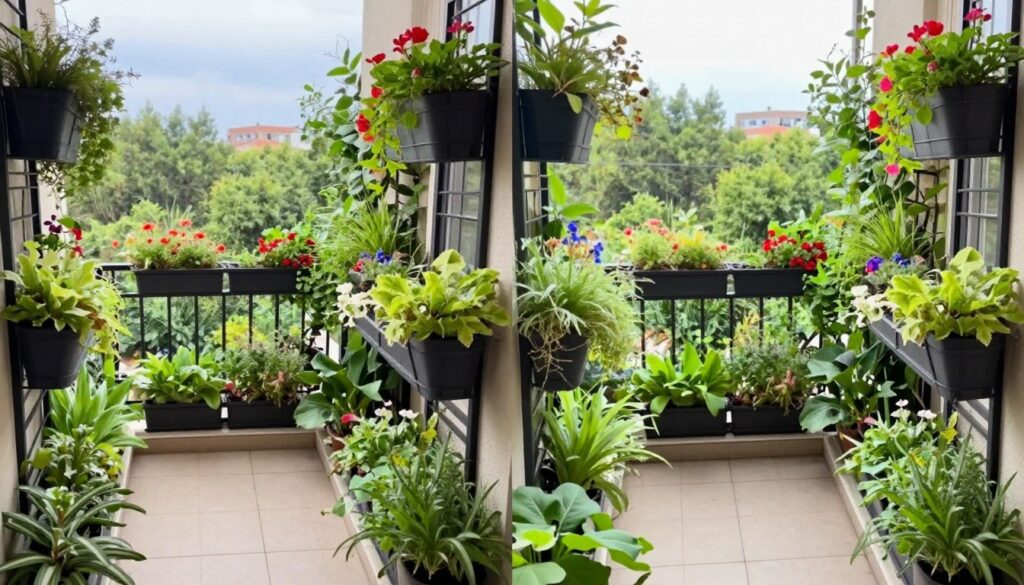
Your balcony holds incredible potential for becoming a green sanctuary. Vertical gardening unlocks this possibility regardless of your space limitations.
Start small with a few containers or a simple trellis system. Success builds confidence and knowledge for expansion.
Every gardening season brings learning opportunities. Don’t fear mistakes – they provide valuable lessons that improve future results.
The rewards of vertical balcony gardening extend far beyond fresh herbs or beautiful flowers. You’ll enjoy stress relief, improved air quality, and connection to nature.
Urban living no longer means sacrificing your love of plants and growing things. Vertical gardens prove that green spaces flourish anywhere you create them.
Take the first step today. Choose one vertical gardening idea from this guide and implement it on your balcony.
Your vertical garden journey begins now. Transform that empty balcony into the lush retreat you’ve been dreaming about.
Ready to Transform Your Balcony?
Get personalized guidance, seasonal planting calendars, and exclusive vertical garden design templates. Join our community of urban gardeners creating beautiful green spaces in the smallest areas.
Connect With Our Garden Community
Share your vertical garden photos, ask questions, and get inspired by thousands of urban gardeners worldwide. Our community offers support, advice, and encouragement for every step of your gardening journey.
- Weekly live Q&A sessions with gardening experts
- Exclusive plant care guides and tutorials
- Seasonal planting reminders for your region
- Special discounts on garden supplies
- Access to our plant problem diagnosis tool