
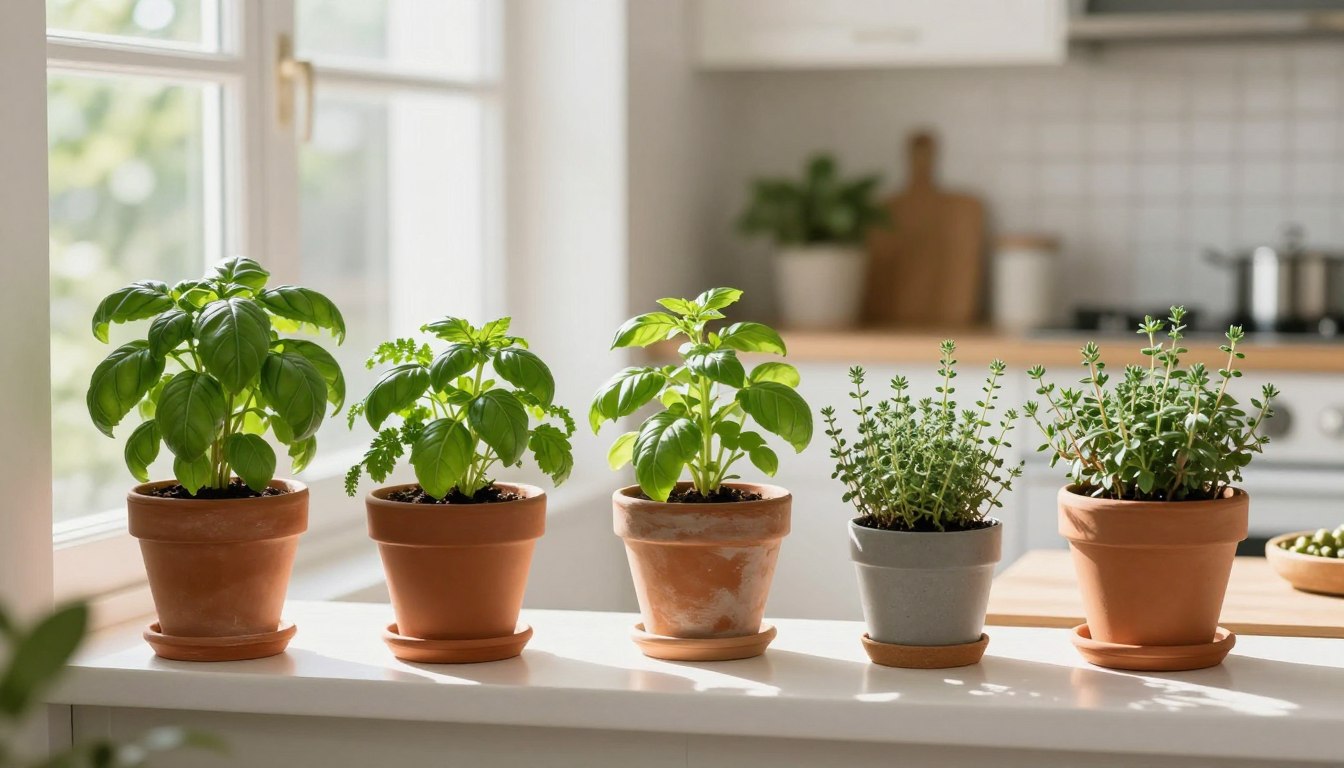
Growing herbs indoors saves money and reduces trips to the grocery store. Fresh herbs from the store often wilt within days, but your own windowsill garden produces leaves whenever you need them. The convenience is unmatched. You control what goes into the soil, meaning no pesticides or chemicals touch your food.
Beyond the practical benefits, tending to herbs provides a calming daily ritual. Watching seeds sprout and plants thrive creates a connection to your food that’s hard to find elsewhere. This guide walks you through everything you need to know to get started with confidence.
Start Your Herb Garden Journey Today
Download our free Windowsill Herb Garden Starter Checklist and get a complete setup guide, shopping list, and planting schedule delivered straight to your inbox.
Why Windowsill Herb Gardens Make Perfect Sense
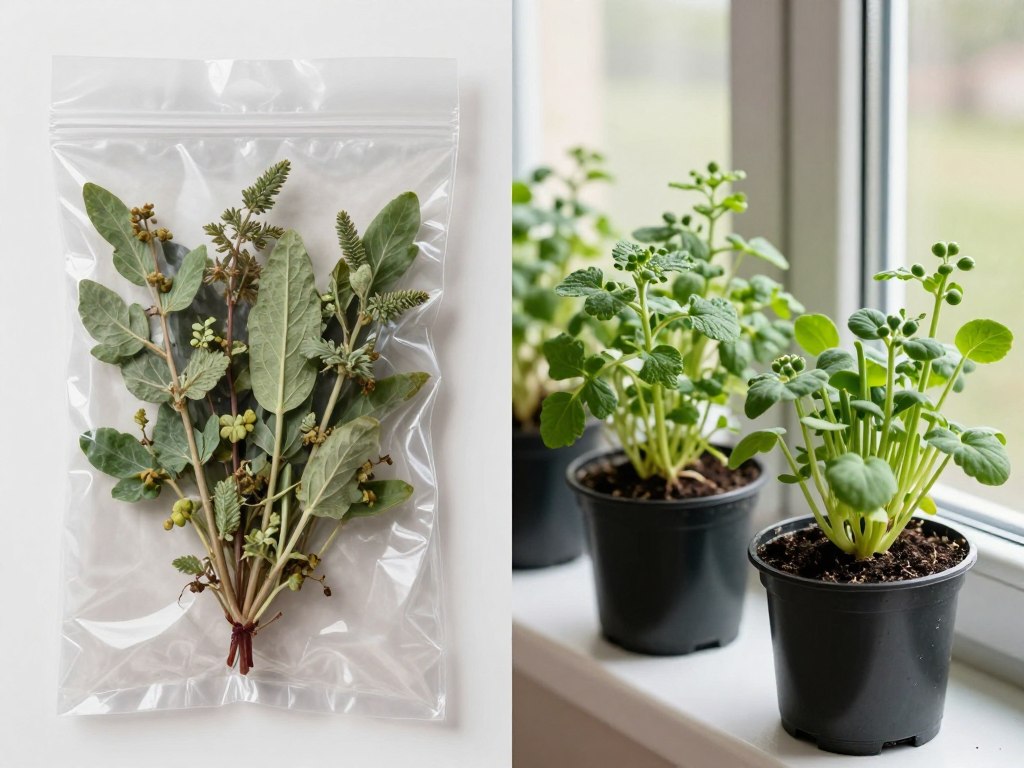
Windowsill herb garden setups offer advantages that outdoor gardens simply can’t match. Growing herbs indoors means year-round harvests regardless of weather. Winter doesn’t stop your basil production, and summer heat won’t wilt your delicate cilantro.
The space requirements are minimal. Even a small apartment with limited natural light can support several herb pots. Most culinary herbs have shallow root systems and thrive in containers as small as six inches deep. This makes them ideal for windowsill cultivation where space comes at a premium.
Cost savings add up quickly. A single basil plant from the nursery costs less than two packages of fresh basil from the grocery store. That plant will produce leaves for months with proper care. Multiply that across several herbs, and you’re looking at significant savings over time.
Control over growing conditions gives you peace of mind. You choose organic soil and natural fertilizers. No need to wonder about pesticide residues or how far your herbs traveled to reach you. The journey from plant to plate takes seconds, preserving maximum flavor and nutrition.
Essential Components for Your Windowsill Herb Garden Setup
Success with windowsill herb gardens starts with understanding the basic components every setup needs. These elements work together to create an environment where herbs thrive. Get these fundamentals right, and you’ll enjoy abundant harvests with minimal effort.
Selecting the Right Herbs for Indoor Growing
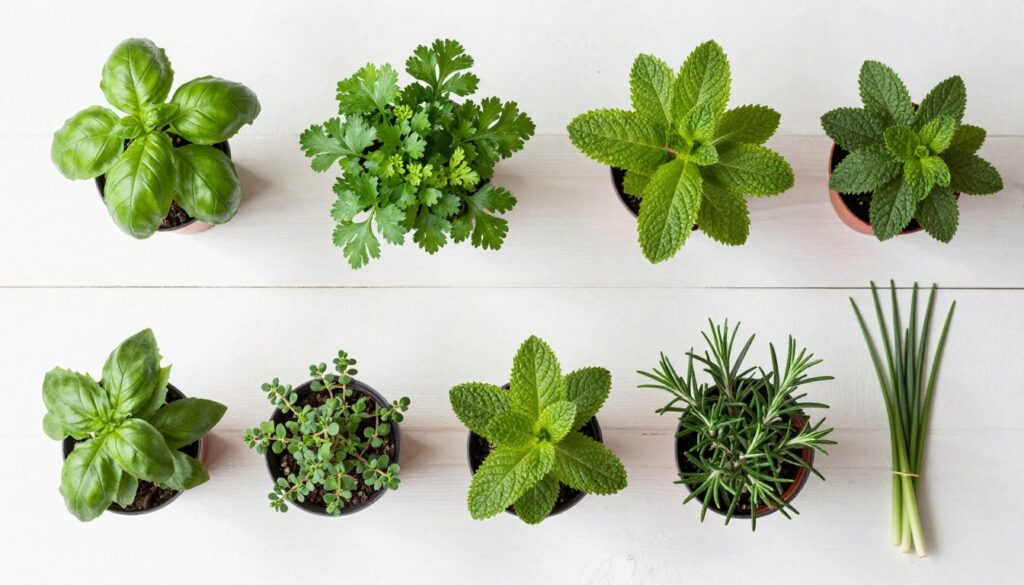
Not all herbs adapt equally well to indoor life. Some naturally prefer the controlled environment of a windowsill, while others struggle without direct outdoor sunlight and air circulation. Starting with beginner-friendly varieties sets you up for success.
Basil tops the list for windowsill herb garden setups. This annual herb grows quickly from seed and produces abundantly with regular harvesting. It needs warmth and consistent moisture, conditions easy to maintain indoors. Sweet basil, Genovese basil, and Thai basil all perform well on sunny windowsills.
Parsley deserves a spot in every herb garden. Both flat-leaf and curly varieties thrive indoors. This biennial herb tolerates slightly lower light than basil and produces leaves continuously. Parsley’s deep taproot means it needs containers at least eight inches deep.
Mint grows so vigorously that many gardeners prefer containing it indoors rather than letting it spread through outdoor beds. Spearmint and peppermint both flourish on windowsills. This herb tolerates partial shade better than most, making it perfect for windows that don’t receive full sun all day.
Chives offer the easiest growing experience. These perennial herbs tolerate neglect, recover quickly from harvesting, and rarely suffer from pests or diseases. Their mild onion flavor enhances countless dishes. Chives also produce attractive purple flowers that are edible.
Thyme brings Mediterranean flavors to your kitchen. This low-growing perennial prefers drier soil between waterings, making it forgiving if you occasionally forget to water. Common thyme, lemon thyme, and French thyme all work well indoors.
Oregano and marjoram share similar growing requirements with thyme. These Mediterranean herbs like bright light and well-draining soil. They grow slowly but steadily, providing leaves for months from a single plant.
Cilantro challenges beginners slightly more than other herbs. It bolts quickly in warm conditions and has a relatively short productive period. However, successive plantings every few weeks ensure a constant supply. This herb prefers cooler temperatures, making it ideal for spring and fall windowsill growing.
Best Herbs for Beginners
- Basil – Fast-growing and productive
- Chives – Virtually indestructible
- Mint – Vigorous and forgiving
- Parsley – Reliable and long-lasting
Herbs for Experienced Growers
- Rosemary – Needs specific conditions
- Cilantro – Quick to bolt
- Dill – Requires deep containers
- Bay Laurel – Slow-growing but rewarding
Choosing Suitable Containers
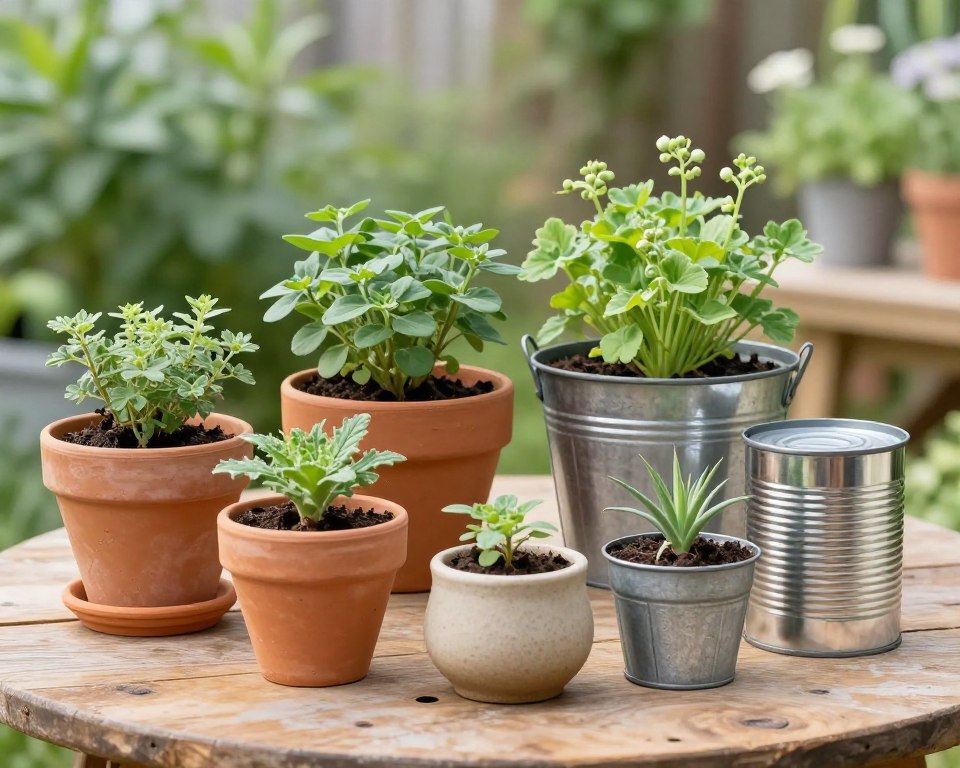
Container selection impacts your herbs’ health more than most beginners realize. The right pot provides adequate root space, proper drainage, and maintains appropriate moisture levels. Material matters as much as size.
Terra cotta pots remain the classic choice for good reason. These clay containers allow air and moisture to pass through their walls, preventing overwatering issues. The porous material helps regulate soil temperature and moisture. Terra cotta works especially well for herbs that prefer drier conditions like rosemary, thyme, and oregano.
Ceramic or glazed pots offer more color options and retain moisture better than terra cotta. They suit herbs that like consistently moist soil, such as basil and parsley. Make sure any ceramic pot has drainage holes, as the glazed surface doesn’t allow water to evaporate through the walls.
Plastic containers get an unfair reputation. Food-grade plastic pots work perfectly well for herbs and cost less than other options. They’re lightweight, making them easy to move around to chase sunlight. Plastic retains moisture well, requiring less frequent watering. Look for UV-resistant plastic to prevent degradation in sunny windows.
Metal containers bring modern style to windowsill gardens. Galvanized steel or stainless steel pots work well but require drainage holes. Metal conducts heat, so avoid placing metal containers where they’ll receive hot afternoon sun, as this can overheat the roots.
Recycled containers offer creative possibilities. Old mason jars, tin cans, wooden boxes, and ceramic mugs all work with proper drainage. Drill holes in the bottom of any container that lacks them. A single half-inch hole suffices for containers up to six inches in diameter. Larger pots need multiple holes spaced evenly across the bottom.
Size requirements vary by herb. Most herbs thrive in containers six to eight inches deep and four to six inches in diameter. Deep-rooted herbs like parsley, dill, and fennel need containers at least ten to twelve inches deep. Shallow-rooted herbs like thyme and oregano do fine in pots as shallow as four inches.
Drainage trays or saucers protect your windowsill from water damage. Choose trays slightly larger than your pot’s base to catch all excess water. Empty the saucer thirty minutes after watering to prevent roots from sitting in standing water.
Soil and Potting Mix Requirements
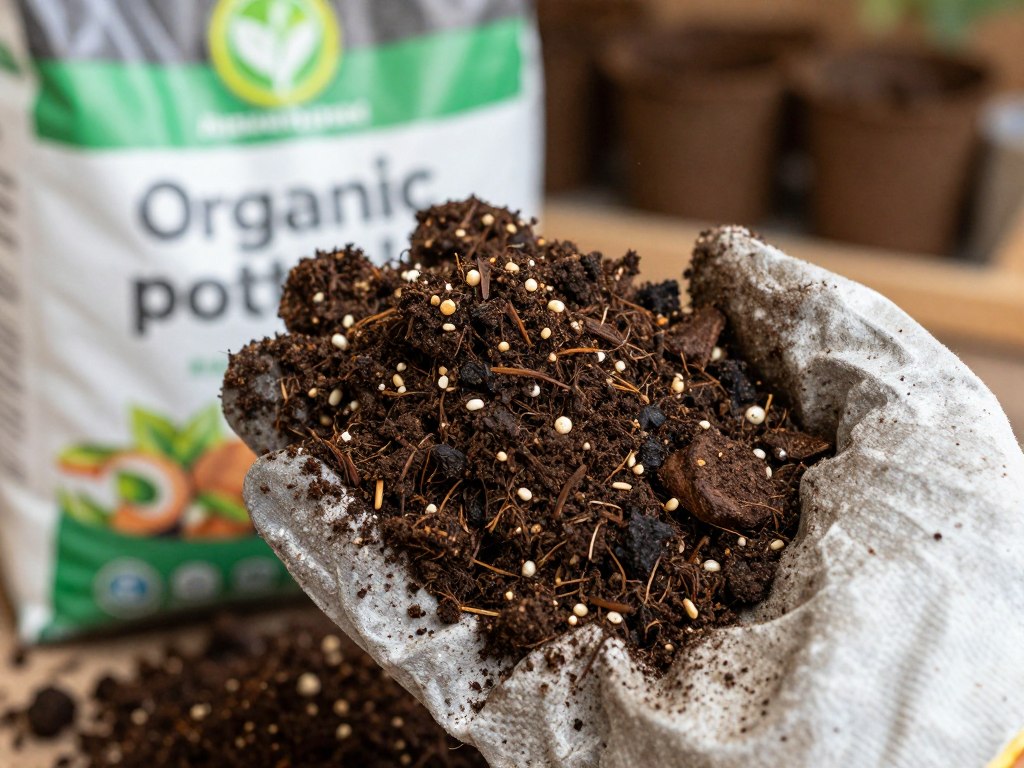
Garden soil from your yard doesn’t belong in containers. It compacts too densely, restricts root growth, and often contains weed seeds and pathogens. Herbs need specially formulated potting mix designed for container growing.
Quality potting mix combines several ingredients. The base typically includes peat moss or coconut coir for moisture retention. Perlite or vermiculite adds drainage and prevents compaction. Compost provides nutrients and beneficial microorganisms. Some mixes include sand for additional drainage.
Look for organic potting soil when possible. Organic mixes contain no synthetic fertilizers or chemicals. They rely on natural ingredients like worm castings, bat guano, and kelp meal for nutrients. These ingredients support beneficial soil microbes that help herbs absorb nutrients.
Herb-specific potting mixes offer optimal ratios for most culinary herbs. These formulations typically include extra perlite or sand for improved drainage. Mediterranean herbs especially benefit from faster-draining soil that mimics their native habitat.
You can create custom soil blends for specific herbs. Mix equal parts quality potting soil, perlite, and compost for a balanced blend suitable for most herbs. For Mediterranean varieties preferring drier conditions, increase the perlite ratio to improve drainage. For moisture-loving herbs, add extra compost to increase water retention.
Avoid potting soil with added fertilizer for the first planting. Fresh potting mix contains enough nutrients for several weeks. Added fertilizer can burn young plants. Choose plain potting soil and add fertilizer later according to your herbs’ needs.
Soil pH matters for herb health. Most culinary herbs prefer slightly acidic to neutral soil with a pH between 6.0 and 7.0. Quality potting mixes come pre-balanced to this range. If you notice herbs struggling despite proper care, testing soil pH can identify issues.
Essential Tools and Materials
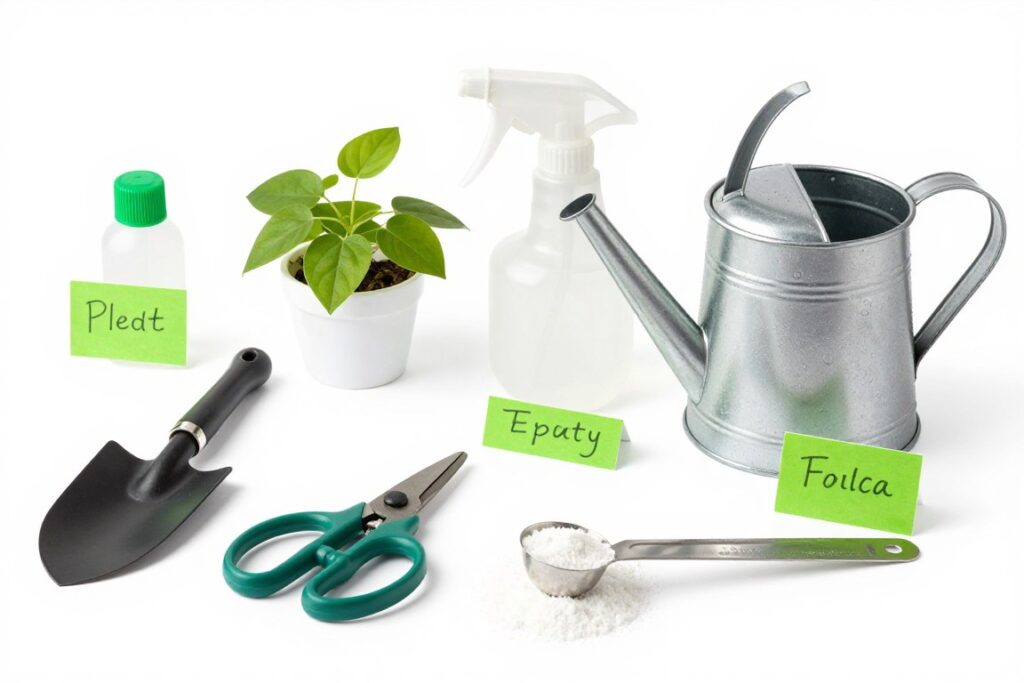
You don’t need an extensive tool collection for windowsill herb garden setups. A few basic items cover all essential tasks. Quality tools make maintenance easier and more enjoyable.
A small watering can with a narrow spout provides precise watering control. Look for one-quart to half-gallon capacity for easy handling. The narrow spout directs water to the soil without splashing leaves or overflowing small pots. Some gardeners prefer a spray bottle for gentle watering of seedlings.
Sharp scissors or pruning shears enable clean cuts when harvesting. Clean cuts heal faster and reduce disease risk. Small herb scissors work perfectly for snipping individual leaves or stems. Keep blades clean and sharp for best results.
A hand trowel helps with planting and soil management. Choose a small trowel designed for container gardening. Stainless steel resists rust and cleans easily. The narrow blade fits into herb pots without damaging neighboring plants.
Plant labels prevent confusion if you’re growing multiple herb varieties. Simple plastic stakes work fine, or get creative with painted rocks or wooden markers. Label each pot with the herb name and planting date to track growth and plan harvests.
A moisture meter takes the guesswork out of watering. This inexpensive tool measures soil moisture several inches deep. It helps prevent both overwatering and underwatering, the two most common causes of herb failure. Over time, you’ll develop a feel for when plants need water, but meters provide confidence for beginners.
Organic liquid fertilizer supports healthy growth. Choose a balanced formula or one specifically designed for herbs. Fish emulsion, seaweed extract, and compost tea all work well. Dilute according to package directions, typically at half-strength for herbs.
Recommended Windowsill Herb Garden Starter Kit
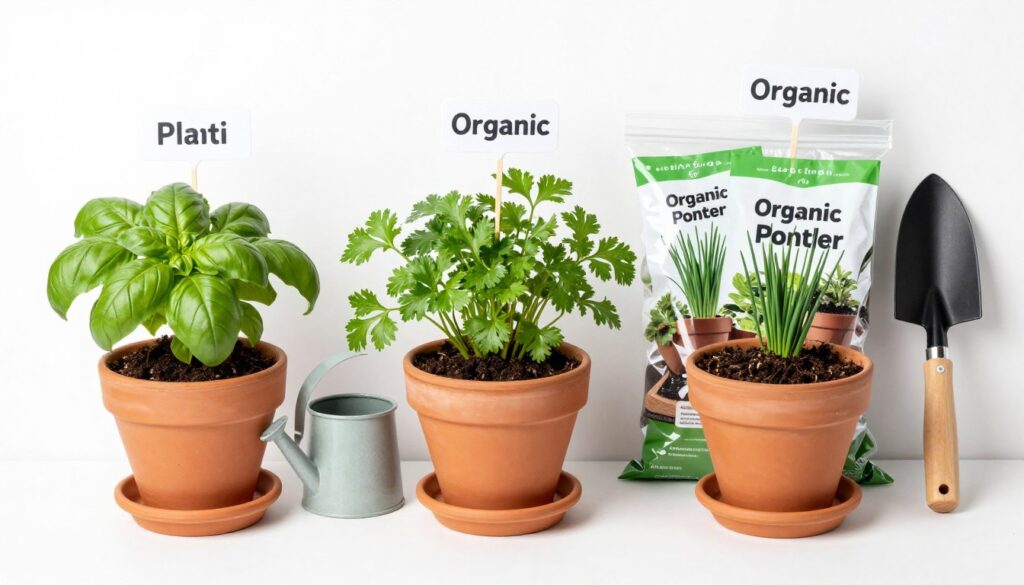
Skip the guesswork with a complete starter kit that includes everything you need for your first windowsill herb garden. These curated sets provide quality containers, organic soil, popular herb seeds, and basic tools at a value price.
- Three 6-inch terra cotta pots with drainage trays
- Organic herb potting mix (enough for all three pots)
- Seed packets: Basil, Parsley, and Chives
- Plant markers and growing instructions
- Small watering can included
Step-by-Step Guide to Setting Up Your Windowsill Herb Garden
Setting up your windowsill herb garden follows a logical sequence. Each step builds on the previous one to create optimal growing conditions. Take your time with setup to avoid common mistakes that can set back your garden before it starts.
Step 1: Assess Your Windowsill and Light Conditions

Light makes or breaks windowsill herb garden setups. Most culinary herbs need four to six hours of direct sunlight daily. Southern-facing windows provide the most light in the Northern Hemisphere. Western windows work well but can become hot in summer afternoons. Eastern windows offer gentler morning sun suitable for herbs that tolerate partial shade.
Northern windows rarely provide enough light for most herbs. If your only option faces north, consider herbs that tolerate lower light like mint, parsley, and chives. Alternatively, supplement with grow lights to compensate for insufficient natural sunlight.
Observe your windowsill throughout the day. Note when direct sun hits it and for how long. Consider seasonal changes too. Winter sun sits lower in the sky, potentially providing more direct light to windowsills. Summer’s high sun angle might create shade from roof overhangs.
Window glass filters some light spectrum that plants need. Keep windows clean to maximize light transmission. Remove screens during growing season if possible, as they block additional light.
Temperature matters as much as light. Most herbs prefer temperatures between 60 and 75 degrees Fahrenheit. Windowsills can become quite hot in direct summer sun or cold on winter nights. Monitor temperature extremes and move pots away from glass during harsh conditions.
Step 2: Prepare Your Containers
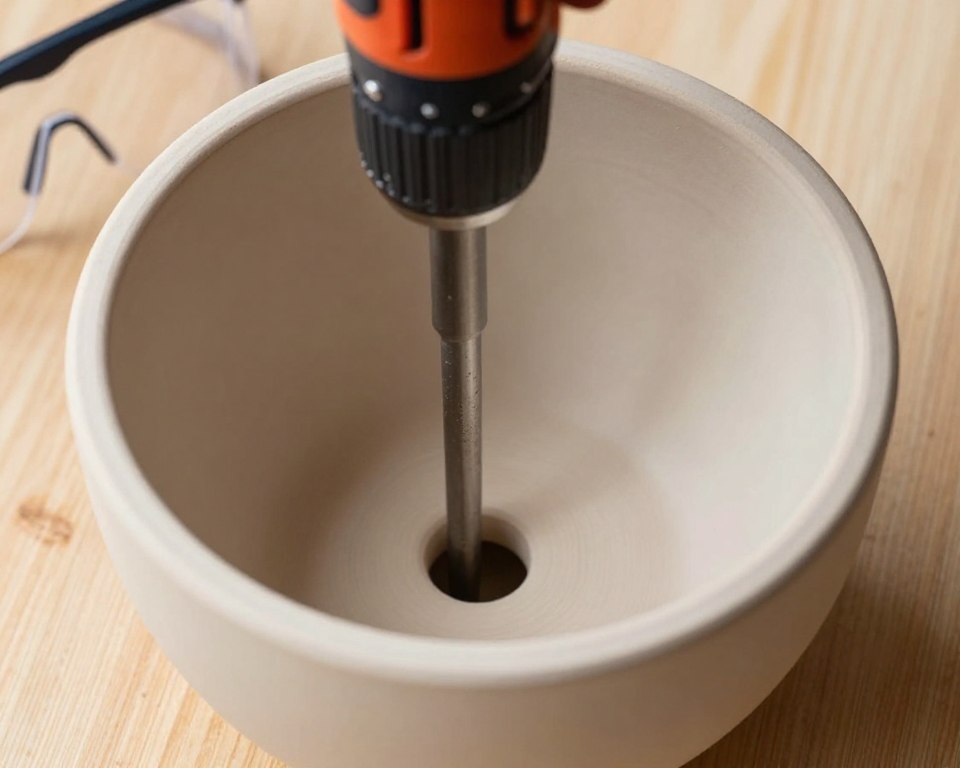
Proper drainage prevents the most common herb-killing mistake: overwatering. Every container must have drainage holes. If your chosen containers lack holes, create them before planting.
For clay or ceramic pots, use a masonry drill bit. Start with a small pilot hole, then enlarge it to the final size. Drill slowly with light pressure to prevent cracking. A half-inch hole works for most small to medium herb pots. Large containers need multiple holes.
Plastic and metal containers accept regular drill bits. Create several smaller holes rather than one large opening for more even drainage. Space holes evenly across the container bottom.
Place a small piece of screen, coffee filter, or broken pottery over drainage holes. This prevents soil from washing out while allowing water to drain freely. Some gardeners skip this step, but it helps keep drainage trays cleaner.
Clean containers thoroughly before use. Scrub used pots with hot soapy water to remove soil, mineral deposits, and potential pathogens. Rinse well. New pots need just a quick rinse to remove any manufacturing residue.
Step 3: Fill Containers with Potting Mix
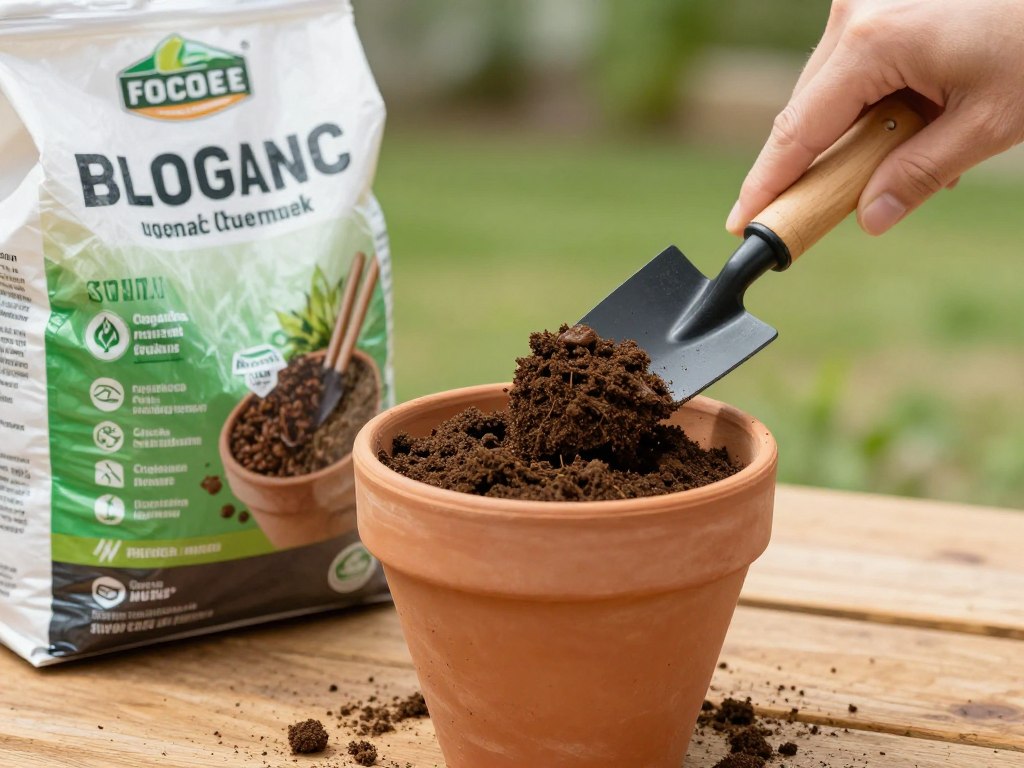
Moistening potting mix before filling containers makes it easier to work with and ensures even moisture distribution. Pour dry mix into a large bucket or tub. Add water gradually while mixing with your hands or a trowel. The mix should feel like a wrung-out sponge: moist but not dripping.
Fill containers to within an inch of the rim. This space prevents water and soil from spilling over during watering. Press soil gently to eliminate air pockets, but don’t compact it heavily. Herbs need loose soil for root growth and drainage.
Some gardeners add a layer of gravel or broken pottery at the container bottom, believing it improves drainage. Research shows this actually creates a perched water table that keeps the soil above it wetter. Skip the gravel layer and rely on proper potting mix and drainage holes instead.
For deep containers, you can fill the bottom third with recycled plastic bottles or packing peanuts to reduce soil needs and container weight. Cover this filler layer with landscape fabric before adding potting mix so soil doesn’t sift down into gaps.
Step 4: Plant Your Herbs
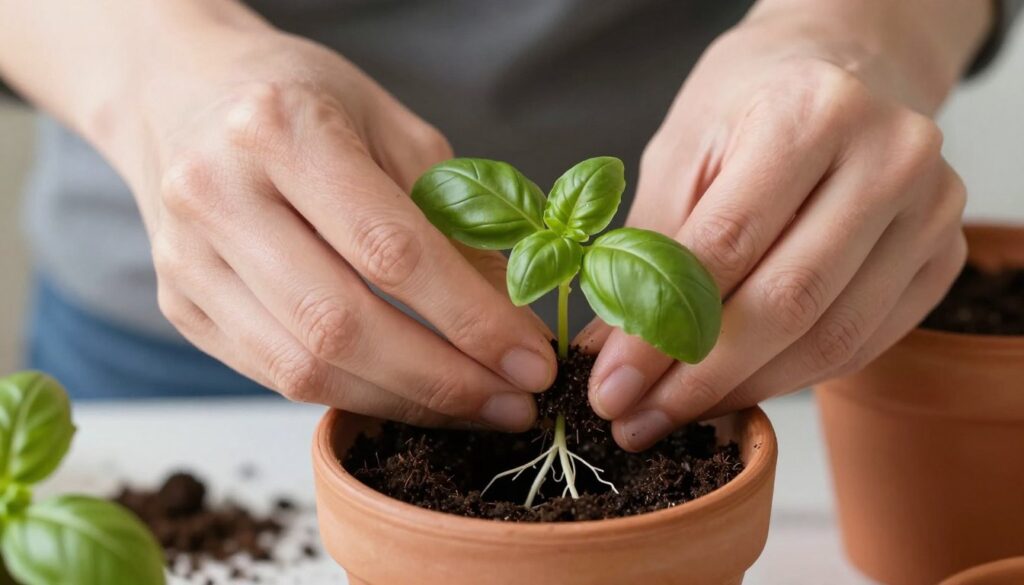
You can start herbs from seed or purchase transplants from a nursery. Transplants provide faster results, ideal for beginners wanting immediate gratification. Starting from seed costs less and offers more variety options.
When planting transplants, water them in their nursery pots an hour before transplanting. This reduces transplant shock. Remove the plant gently from its pot by squeezing the sides and tipping it upside down into your hand. If roots circle the pot’s bottom, gently tease them apart to encourage outward growth.
Dig a hole in your prepared container slightly larger than the plant’s root ball. Set the plant at the same depth it grew in the nursery pot. The soil line should match the plant’s original level. Firm soil gently around roots, eliminating air pockets.
For seeds, follow packet instructions for planting depth and spacing. Generally, plant seeds at a depth equal to twice their diameter. Tiny seeds like basil barely need covering. Larger seeds like dill require deeper planting. Press seeds gently into soil to ensure good contact.
Multiple herbs can share larger containers if they have similar needs. Avoid mixing herbs with different water requirements. Mediterranean herbs like rosemary, thyme, and oregano pair well together. Basil and parsley make good companions. Keep mint isolated as it spreads aggressively.
Water thoroughly after planting. This settles soil around roots and ensures good root-to-soil contact. Water should drain freely from bottom holes. If it doesn’t, your soil may be too heavy or compacted.
Step 5: Position Your Herb Garden on the Windowsill
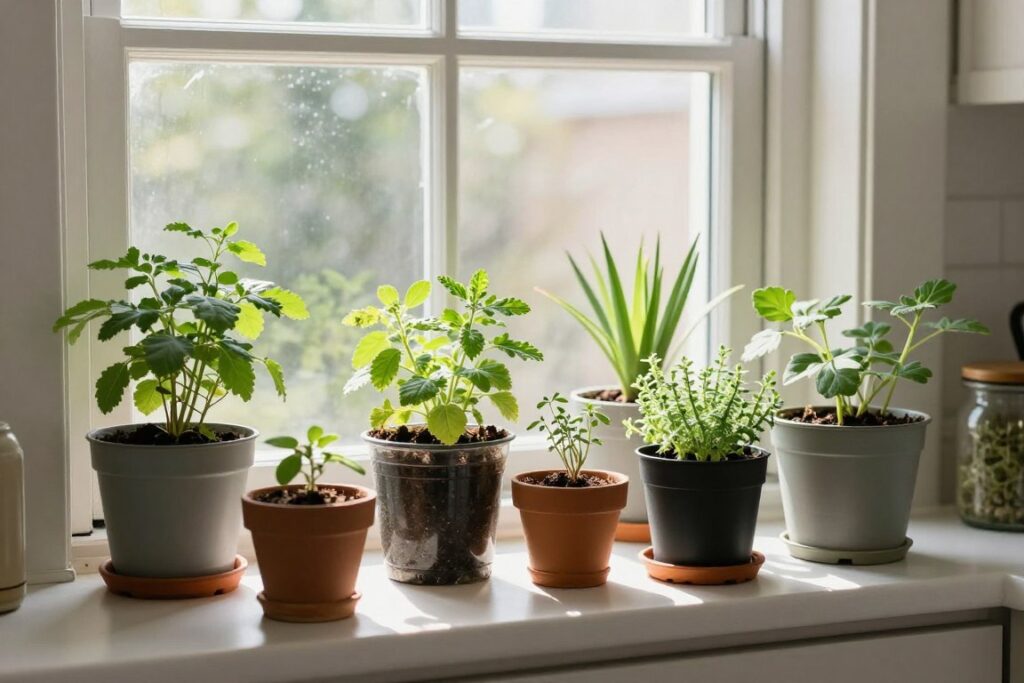
Arrange pots on your windowsill thoughtfully. Taller herbs should go to the sides or back where they won’t shade shorter plants. Rotate pots a quarter turn every few days so all sides receive equal light. This prevents plants from leaning toward the window.
Leave space between pots for air circulation. Crowding promotes fungal diseases and pest problems. Air movement around leaves helps strengthen stems and prevent issues.
Place a tray or mat under pots to protect your windowsill from water damage. Cork, bamboo, or waterproof trays all work well. Make sure the surface allows excess water to evaporate rather than pooling.
Consider adding a small fan for air circulation if your window rarely opens. Gentle air movement strengthens plants and reduces disease risk. Point the fan so it oscillates across plants rather than blowing directly on them.
Monitor how plants respond to their location over the first week. If leaves wilt despite adequate water, light may be too intense. If stems stretch and leaves pale, light is insufficient. Adjust placement based on these signals.
Need Help Choosing the Right Containers?
Our curated collection features beginner-friendly containers in various sizes and materials, all with proper drainage and designed specifically for windowsill herb growing.
Care and Maintenance for Thriving Windowsill Herbs
Consistent care keeps your windowsill herb garden productive for months. These tasks require minimal time but make a substantial difference in plant health and harvest quantity. Develop a routine that fits your schedule.
Watering Schedules and Techniques
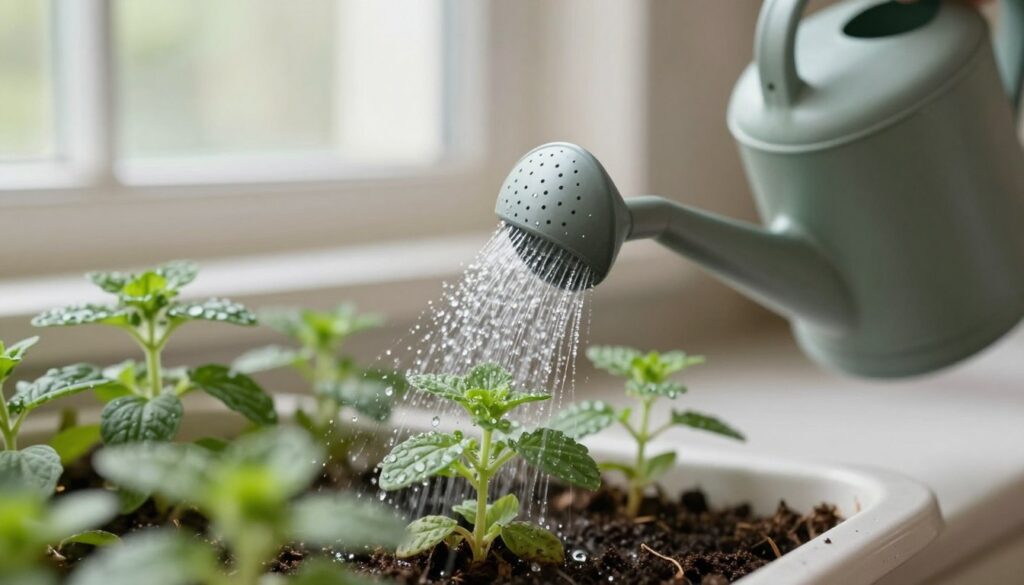
Watering kills more herbs than any other issue. Both overwatering and underwatering cause problems, but finding the right balance is simpler than many beginners fear. The key is checking soil moisture rather than following a rigid schedule.
Stick your finger into the soil up to your second knuckle. If soil feels dry at that depth, water thoroughly. If it feels moist, wait another day. This simple test beats any complicated watering schedule because it accounts for variables like temperature, humidity, and plant size.
When you water, saturate the soil completely. Water should flow from drainage holes, ensuring moisture reaches all roots. Thorough but infrequent watering encourages deep root growth. Frequent shallow watering creates weak, surface-level roots.
Empty drainage trays thirty minutes after watering. Roots sitting in standing water develop rot. The exception is extremely hot weather when plants might need the reserve moisture, but this rarely applies to indoor windowsills.
Water requirements change with seasons. Herbs need more frequent watering during spring and summer when they’re actively growing. Winter’s shorter days and cooler temperatures slow growth, requiring less water. Adjust your routine accordingly.
Time of day matters less than you might think. Morning watering allows foliage to dry quickly if leaves get wet, reducing disease risk. Evening watering is fine for indoor herbs where humidity remains controlled. Avoid midday watering only because it’s inefficient—water evaporates quickly in hot sun before reaching roots.
Different herbs have different moisture preferences. Basil likes consistently moist soil. Rosemary, thyme, and oregano prefer drying out between waterings. Group herbs with similar needs together to simplify care.
Water quality affects plant health. Most municipal tap water works fine for herbs. If your water is heavily chlorinated, let it sit overnight before using, allowing chlorine to dissipate. Very hard water can cause mineral buildup in soil over time. Consider using filtered water if you notice white crusty deposits on soil or pot rims.
Light Requirements and Solutions
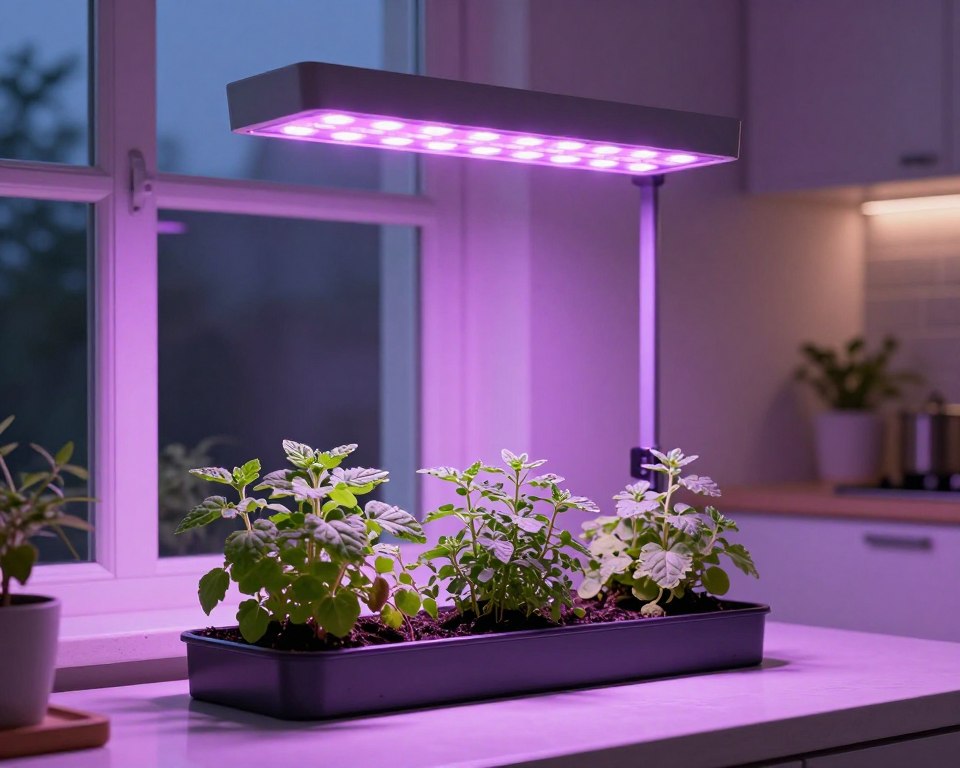
Adequate light separates thriving herbs from struggling ones. Six hours of direct sunlight daily is ideal for most herbs. Less light produces leggy stems, pale leaves, and weak flavor. More light generally improves growth, though intense afternoon sun can stress some varieties.
South-facing windows provide maximum light in winter when sun angles are low. Summer sun intensity through south windows can be too strong for some herbs. East or west windows work year-round for most varieties.
Signs of insufficient light include elongated stems with large gaps between leaves, leaves smaller than normal, and pale coloration. If natural light falls short, grow lights fill the gap effectively.
LED grow lights have become affordable and energy-efficient. Full-spectrum LEDs work best, providing the wavelengths plants need for photosynthesis. Position lights six to twelve inches above plants. Keep lights on twelve to fourteen hours daily to compensate for inadequate natural light.
Fluorescent shop lights also work well and cost less than specialized grow lights. Use one cool white and one warm white bulb in each fixture for better spectrum coverage. Position fluorescent lights closer to plants than LEDs—about four to six inches above the tallest leaves.
Rotate pots regularly when growing near windows. Plants naturally grow toward light, causing them to lean. Turning pots every few days encourages even growth on all sides.
Clean windows monthly to maximize light transmission. Dust and grime block surprising amounts of light. Clean leaves occasionally too—dust on foliage reduces photosynthesis efficiency.
Pruning, Harvesting, and Encouraging Growth
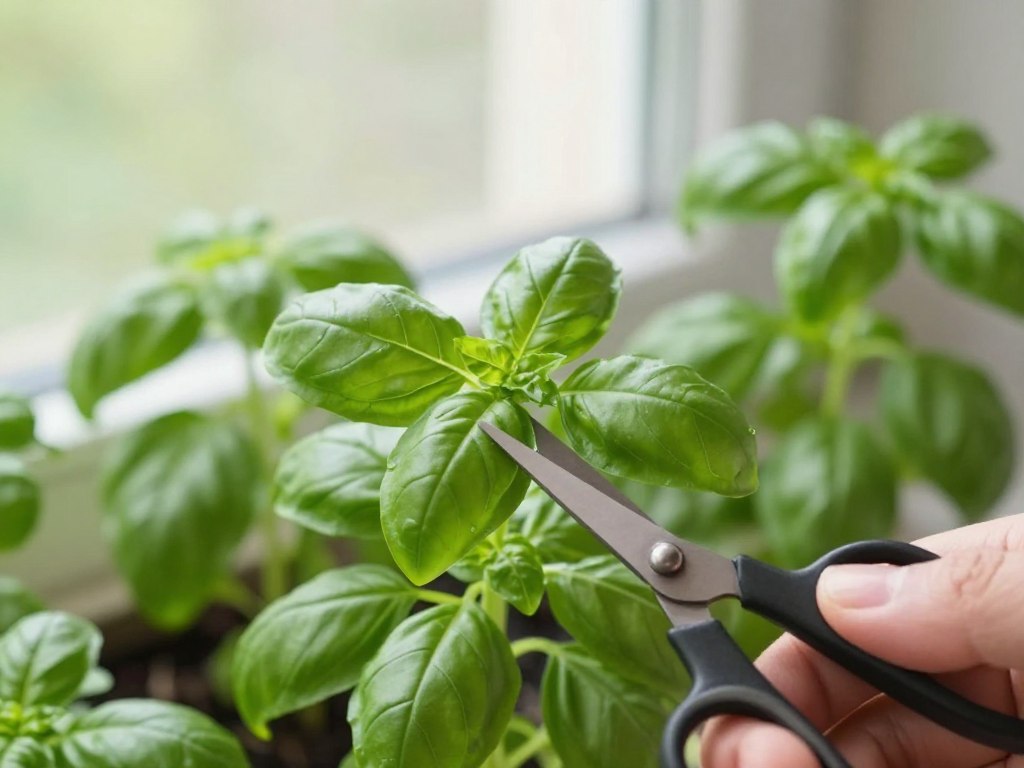
Regular harvesting keeps herbs productive and prevents them from becoming woody or going to seed. Counter-intuitively, frequent harvesting makes plants bushier and more productive. Each cut triggers the plant to produce new stems.
Harvest in the morning after dew dries but before the day heats up. This is when essential oils are most concentrated, providing maximum flavor. Use clean, sharp scissors or pruning shears for clean cuts that heal quickly.
For bushy herbs like basil, oregano, and mint, pinch or cut stems just above a leaf node—where leaves join the stem. This encourages branching. Two new stems will grow where one was cut, doubling productivity.
Never remove more than one-third of a plant at once. This rule protects the plant’s ability to photosynthesize and recover. Taking too much foliage at once stresses the plant and can kill small or weak specimens.
Remove flower buds as they form unless you’re growing herbs specifically for flowers. Flowering signals the plant to stop leaf production and puts energy into seed creation. This makes leaves tougher and less flavorful. Pinching flowers extends the productive harvest period.
Parsley requires different harvesting. Cut individual stems at the base rather than snipping leaves. This keeps plants looking neat and encourages new growth from the center.
Chives can be cut down to two inches above soil level. They’ll regrow from the roots. This herb tolerates aggressive harvesting better than most.
Rosemary grows slowly. Take small sprigs rather than large stems. Over-harvesting rosemary can set plants back significantly. Patience pays with this herb.
Fertilizing Your Herbs
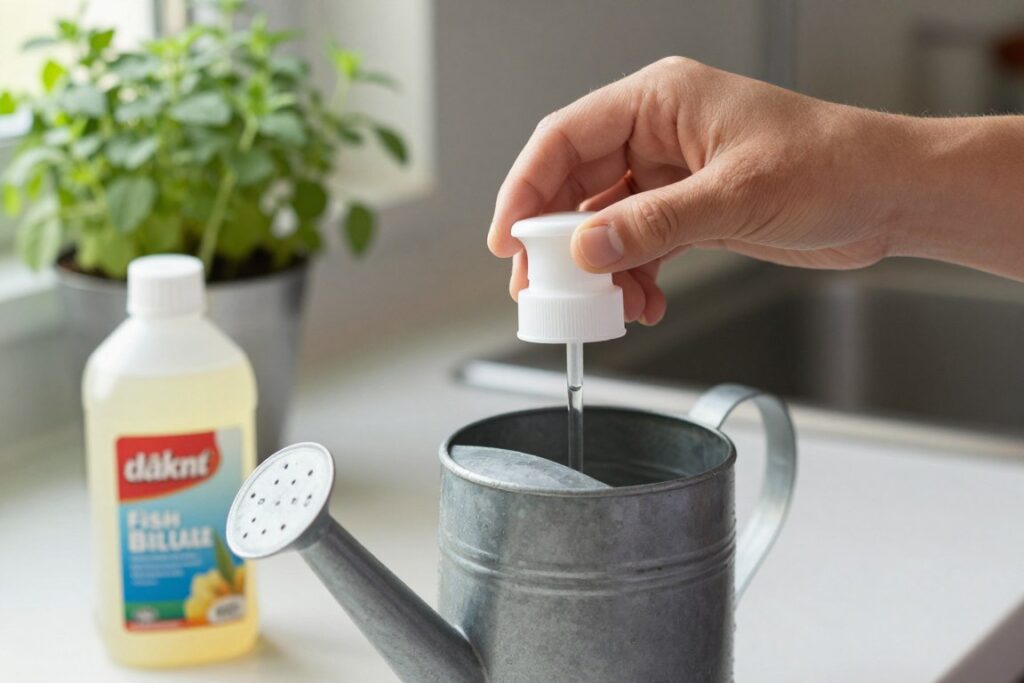
Herbs need less fertilizer than most vegetables, but container-grown plants eventually deplete nutrients from potting soil. Balanced feeding maintains healthy growth and robust flavor.
Wait four to six weeks after planting before fertilizing. New potting mix contains enough nutrients for this period. Earlier feeding can burn tender roots.
Organic liquid fertilizers work best for herbs. Fish emulsion, seaweed extract, and compost tea provide nutrients while supporting beneficial soil microbes. These gentle fertilizers rarely cause burning when diluted properly.
Dilute liquid fertilizer to half the strength recommended on the package. Herbs don’t need aggressive feeding. Over-fertilization produces lush growth with weak flavor. The goal is steady, modest growth that concentrates essential oils.
Feed every two to four weeks during spring and summer when herbs actively grow. Reduce feeding frequency in fall and stop fertilizing in winter when growth slows. Feeding dormant or slow-growing plants wastes fertilizer and can harm roots.
Water soil before fertilizing. This prevents root burn and helps distribute nutrients evenly. Apply diluted fertilizer as you would regular water, saturating the soil completely.
Slow-release organic granules offer an alternative to liquid feeding. Sprinkle granules on soil surface according to package directions. Water carries nutrients into the root zone gradually over several months. This method works well for gardeners who want lower maintenance.
Yellow leaves might indicate nutrient deficiency, but check watering first. Overwatering causes yellowing more often than lack of nutrients. If soil moisture is appropriate and yellowing continues, increase feeding frequency slightly.
Managing Pests and Diseases

Indoor herbs face fewer pest and disease pressures than outdoor gardens, but problems still occur. Early detection and prompt action prevent minor issues from becoming major infestations.
Aphids top the list of indoor herb pests. These tiny insects cluster on new growth, sucking sap and causing distorted leaves. Blast them off with water spray or wipe leaves with a solution of water and a few drops of dish soap.
Spider mites appear as tiny dots on leaf undersides, creating fine webbing. They thrive in dry conditions. Increase humidity around plants and spray leaves with water daily. Severe infestations may require insecticidal soap.
Fungus gnats annoy gardeners more than they harm plants. These tiny flying insects lay eggs in moist soil. Their larvae feed on organic matter and occasionally roots. Let soil dry more between waterings to break their breeding cycle. Yellow sticky traps catch adults.
Powdery mildew appears as white powder on leaves. This fungal disease thrives in high humidity with poor air circulation. Improve air movement, reduce humidity, and remove affected leaves. Spray remaining foliage with a baking soda solution: one tablespoon baking soda per quart of water.
Root rot results from overwatering and poor drainage. Affected plants wilt despite wet soil and develop black, mushy roots. Prevention beats treatment. Ensure proper drainage and appropriate watering. Severely affected plants rarely recover.
Prevent most problems through good cultural practices. Proper watering, adequate air circulation, appropriate light, and clean containers create conditions where plants thrive and pests struggle. Healthy plants resist pests and diseases better than stressed ones.
Quarantine new plants for two weeks before placing them near your established herb garden. This prevents introducing pests or diseases to healthy plants. Inspect new arrivals daily during quarantine.
Clean up fallen leaves and debris promptly. Decaying plant matter attracts pests and harbors disease organisms. Keep the growing area tidy.
Organic Pest Control Kit
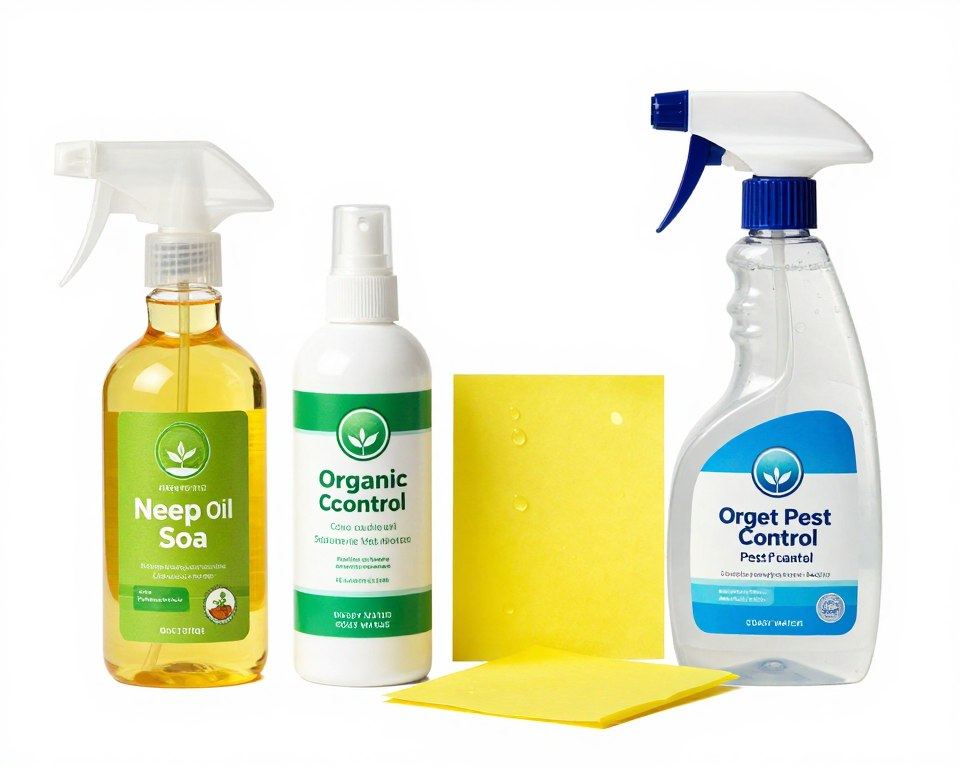
Keep your herbs healthy with natural pest management solutions. This kit includes everything needed to handle common indoor herb pests safely and effectively.
- Neem oil concentrate with spray bottle
- Insecticidal soap for aphids and mites
- Yellow sticky traps for flying insects
- Complete application instructions
Premium Organic Herb Fertilizer
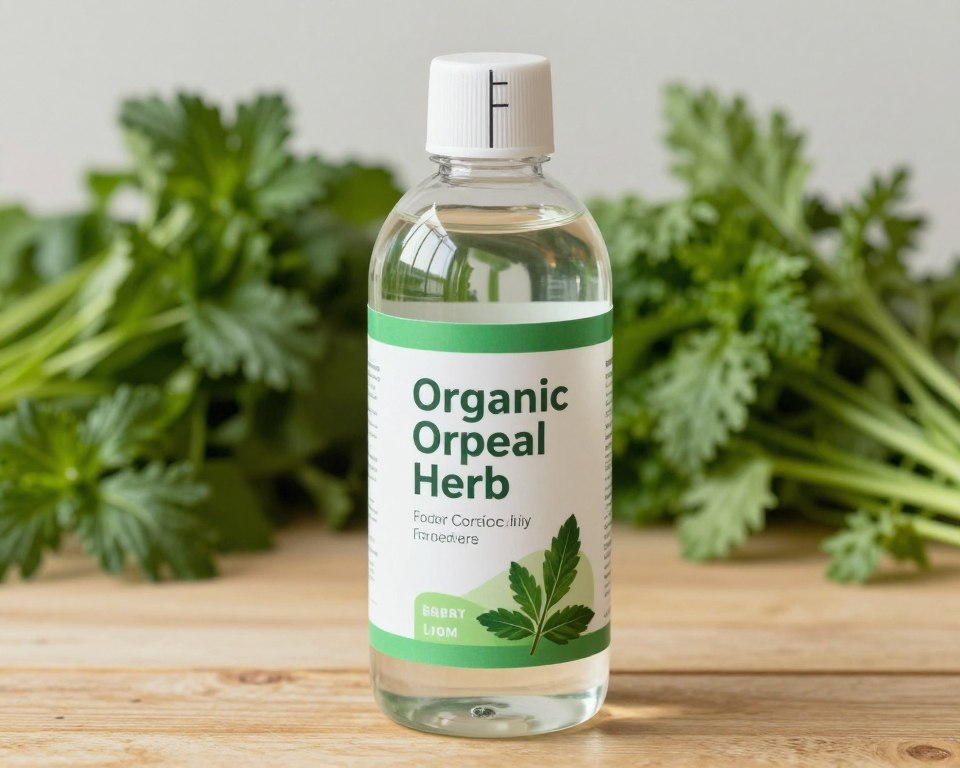
Specially formulated for culinary herbs, this balanced organic fertilizer promotes healthy growth without sacrificing flavor. Safe for edible plants and easy to apply.
- Fish and seaweed blend for complete nutrition
- Half-strength formula prevents over-feeding
- Supports beneficial soil microbes
- One bottle feeds herbs all season
Troubleshooting Common Windowsill Herb Garden Problems
Even experienced gardeners encounter challenges. Understanding common problems and their solutions prevents frustration and keeps your herb garden productive.
Why are my herb stems long and leggy with few leaves?
Insufficient light causes this problem. Herbs stretch toward available light, producing weak, elongated stems with widely spaced leaves. Move plants to a brighter location or supplement with grow lights. Prune leggy growth and provide better light to encourage bushier regrowth.
Why are leaves turning yellow?
Several factors cause yellowing. Overwatering is most common, especially if yellow leaves feel soft. Check soil moisture and adjust watering frequency. Nutrient deficiency causes yellowing too, particularly older lower leaves. If soil moisture is appropriate, increase fertilization. Natural aging also yellows older leaves, which is normal.
Why won’t my seeds germinate?
Temperature, moisture, and seed age all affect germination. Most herb seeds need soil temperatures between 65 and 75 degrees. Cold soil delays or prevents sprouting. Keep soil consistently moist but not waterlogged during germination. Old seeds lose viability—check package dates and buy fresh seeds. Some herbs like parsley germinate slowly, requiring two to three weeks. Be patient.
Why do leaves have brown, crispy edges?
Brown leaf edges typically indicate underwatering or low humidity. Check soil moisture more frequently and water before soil becomes bone dry. Increase humidity around plants by grouping them together or placing pots on a tray of pebbles and water. Fertilizer burn also causes brown edges if you’ve fed too heavily. Flush soil with plain water if this is the cause.
Why isn’t my basil as flavorful as store-bought?
Insufficient light reduces essential oil concentration in leaves. Herbs need strong light to develop robust flavors. Over-fertilization produces lush growth but dilutes flavor. Use fertilizer sparingly. Harvest leaves before flowering when flavor is strongest. Some varieties have naturally milder flavor than others.
Can I grow herbs in a north-facing window?
North windows provide minimal direct sun, making them challenging for most herbs. Shade-tolerant varieties like mint, parsley, and chives manage in lower light but won’t be as productive as in brighter locations. Supplemental grow lights make any window viable for herb growing. Consider LED grow lights that compensate for low natural light.
How do I overwinter perennial herbs indoors?
Bring outdoor perennial herbs inside before first frost. Trim plants back by one-third and inspect for pests. Use fresh potting soil to eliminate outdoor soil-dwelling insects. Place in your brightest window and reduce watering frequency as growth slows. Perennials like rosemary, thyme, and oregano often go semi-dormant in winter. Don’t worry if growth stops—they’ll rebound in spring.
Quick Success Tips for Windowsill Herb Gardening
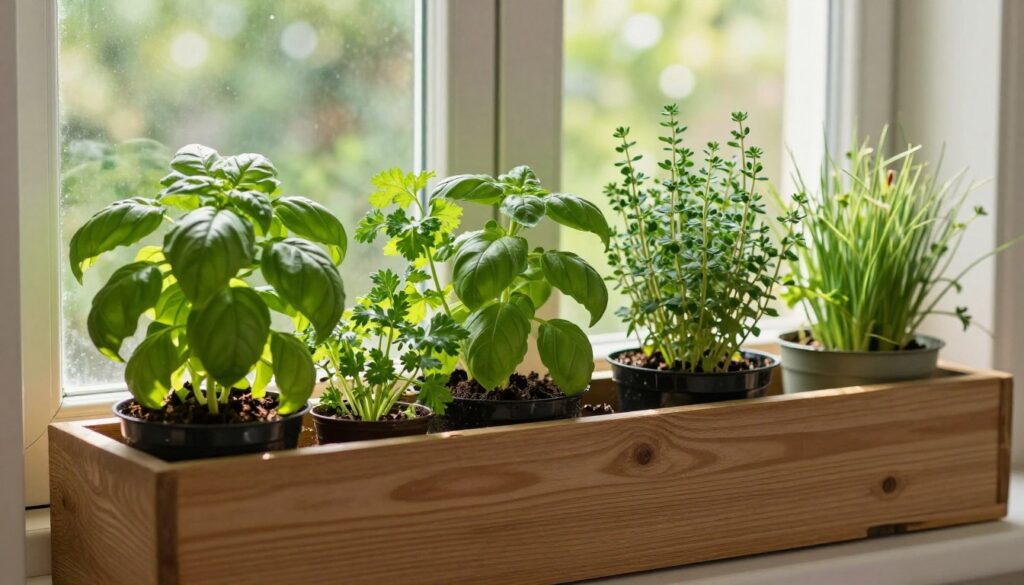
Do These Things
- Check soil moisture with your finger before watering
- Rotate pots every few days for even growth
- Harvest regularly to encourage bushy growth
- Start with easy herbs like basil and chives
- Provide at least six hours of sunlight daily
- Use containers with drainage holes
- Fertilize lightly and infrequently
- Remove flower buds to extend harvest
Avoid These Mistakes
- Don’t use garden soil in containers
- Don’t water on a strict schedule without checking soil
- Don’t over-fertilize herbs—less is more
- Don’t harvest more than one-third at once
- Don’t overcrowd pots—allow air circulation
- Don’t let herbs go to seed if you want leaves
- Don’t give up after early failures—keep trying
- Don’t mix herbs with vastly different water needs
Seasonal Considerations for Year-Round Harvests
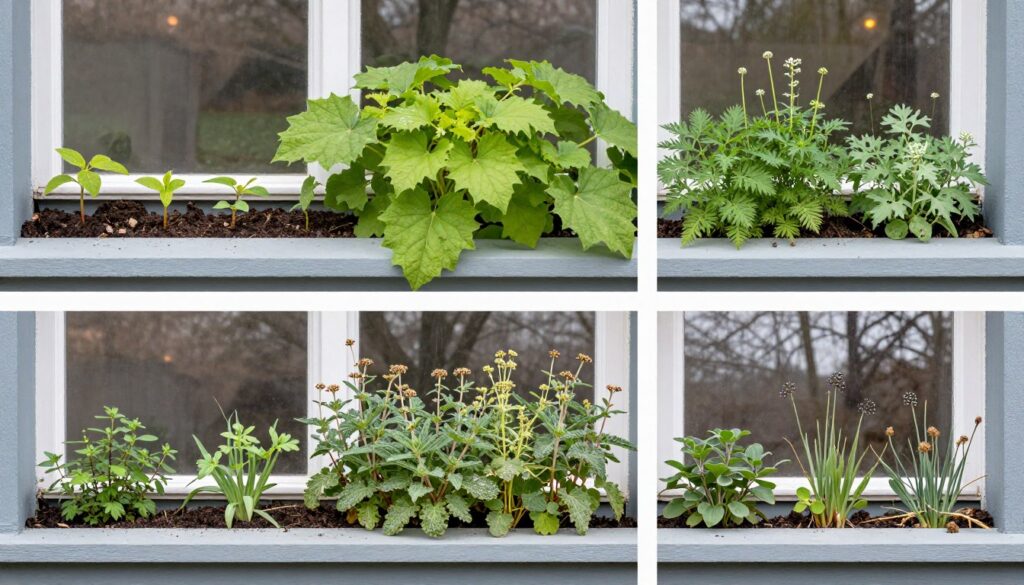
Windowsill herb garden setups can produce year-round, but care requirements shift with seasons. Understanding these changes helps you adjust maintenance and set appropriate expectations.
Spring Growing Season
Spring brings increasing daylight and warmer temperatures. This is the ideal time to start new herbs from seed or purchase transplants. Days lengthen, providing more natural light. Growth accelerates as temperatures warm.
Increase watering frequency as herbs grow faster and transpire more moisture. Begin regular fertilization as plants exit dormancy and start active growth. This is the best season to start basil, cilantro, dill, and other warm-season herbs.
Open windows occasionally for fresh air circulation if temperatures allow. This strengthens stems and reduces pest problems. Watch for aphids, which reproduce rapidly in spring warmth.
Summer Abundance
Summer produces peak growth and heaviest harvests. Long days and warm temperatures create ideal conditions for most herbs. Harvest frequently to keep plants producing and prevent flowering.
Water needs increase significantly during summer heat. Check soil daily, especially for containers in south or west windows where afternoon sun intensifies heat. Consider moving sensitive herbs away from intense afternoon sun to prevent leaf burn.
Monitor for spider mites, which thrive in hot, dry conditions. Increase humidity by misting plants or grouping containers together. Continue regular fertilization to support rapid growth.
Fall Transition
Falling temperatures and shorter days signal herbs to slow growth. Some annual herbs like basil become sensitive to cool temperatures. Bring outdoor containers inside before nighttime temperatures drop below 50 degrees.
Reduce watering frequency as growth slows and evaporation decreases. Cut back fertilization to once monthly or stop entirely. This is a good time to take cuttings from herbs like basil before cold weather kills plants.
Start cool-season herbs like parsley and cilantro, which actually prefer the milder temperatures and shorter days of fall and winter.
Winter Maintenance
Winter challenges windowsill gardeners with low light levels and dry indoor air from heating systems. Many herbs go dormant or semi-dormant. Growth slows dramatically or stops entirely.
Reduce watering significantly. Check soil moisture weekly rather than every few days. Stop fertilizing dormant herbs. They can’t use nutrients during dormancy, and feeding can damage roots.
Supplemental lighting becomes crucial in winter. Natural daylight diminishes in length and intensity. LED grow lights maintain healthy herbs through dark months. Position lights on timers to provide twelve to fourteen hours daily.
Increase humidity around herbs. Winter heating dries indoor air below what herbs prefer. Group pots together, use pebble trays filled with water, or run a small humidifier nearby.
Accept that winter growth will be slower than summer. Many perennial herbs like rosemary and thyme survive winter but don’t produce abundant new growth. Save heavy harvesting for spring and summer.
Expanding Your Windowsill Herb Garden

Once you’ve mastered basic herbs, expanding your garden adds variety to your cooking and keeps gardening interesting. Several strategies allow you to grow more without requiring additional windowsill space.
Vertical Growing Solutions
Vertical gardens maximize production in limited space. Hanging planters, wall-mounted pockets, and tiered plant stands add growing surfaces without consuming more windowsill real estate.
Hanging planters work well for trailing herbs like certain mint varieties. Suspend containers from curtain rods or ceiling hooks at different heights. Make sure hanging containers don’t block light from reaching plants below.
Vertical pocket planters attach to walls or window frames. These felt or fabric systems include multiple planting pockets arranged vertically. They work best for shallow-rooted herbs like thyme, oregano, and small basil plants.
Tiered plant stands function like stair steps for herb pots. Back rows sit higher than front rows, ensuring all plants receive adequate light. Look for narrow stands designed specifically for windowsills.
Succession Planting
Succession planting staggers plantings to ensure continuous harvests. Rather than planting all your basil at once, plant new seeds or transplants every two to three weeks. This provides a constant supply of tender young leaves.
This technique works especially well for quick-maturing herbs like cilantro and dill, which have relatively short productive periods. As one planting bolts to seed, the next one reaches harvest size.
Propagating Herbs from Cuttings
Many herbs propagate easily from stem cuttings, providing free plants to expand your garden. Basil, mint, oregano, and rosemary all root readily in water or soil.
Take cuttings from healthy plants in spring or summer. Cut four to six inch stem sections just below a leaf node. Remove lower leaves, leaving two or three sets at the top. Place cuttings in water or moist potting soil.
Water-rooted cuttings develop roots visible through the glass within one to three weeks. Once roots reach one to two inches long, transplant into potting soil. Soil-rooted cuttings take longer but skip the transplanting step.
Keep cuttings in bright indirect light until roots establish. Direct sun can be too intense for cutting without roots to support water uptake. Maintain high humidity around cuttings by covering them with a clear plastic bag until roots form.
Growing Less Common Herbs
Once you’ve succeeded with basic herbs, experiment with more unusual varieties. These add unique flavors to your cooking and give you access to herbs rarely found fresh in stores.
Lemon balm provides a citrus-mint flavor perfect for teas and fish dishes. This perennial grows vigorously indoors and tolerates partial shade better than most herbs.
Sorrel offers a lemony, slightly sour flavor wonderful in salads and soups. This perennial produces tender leaves through winter with adequate light.
Thai basil brings anise-like flavors essential in Asian cooking. It grows as easily as common basil but offers distinctly different taste.
Marjoram resembles oregano but with sweeter, more delicate flavor. This Mediterranean herb thrives in the same conditions as thyme and oregano.
Stevia provides natural sweetness without calories. Fresh leaves are incredibly sweet, though they taste different from dried stevia powder. This tender perennial needs warmth and strong light.
Ready to Take Your Herb Garden to the Next Level?
Join our free online workshop where we’ll show you advanced techniques for year-round indoor herb production, including propagation methods, vertical growing systems, and maintaining herbs through winter.
Harvesting and Using Your Fresh Herbs
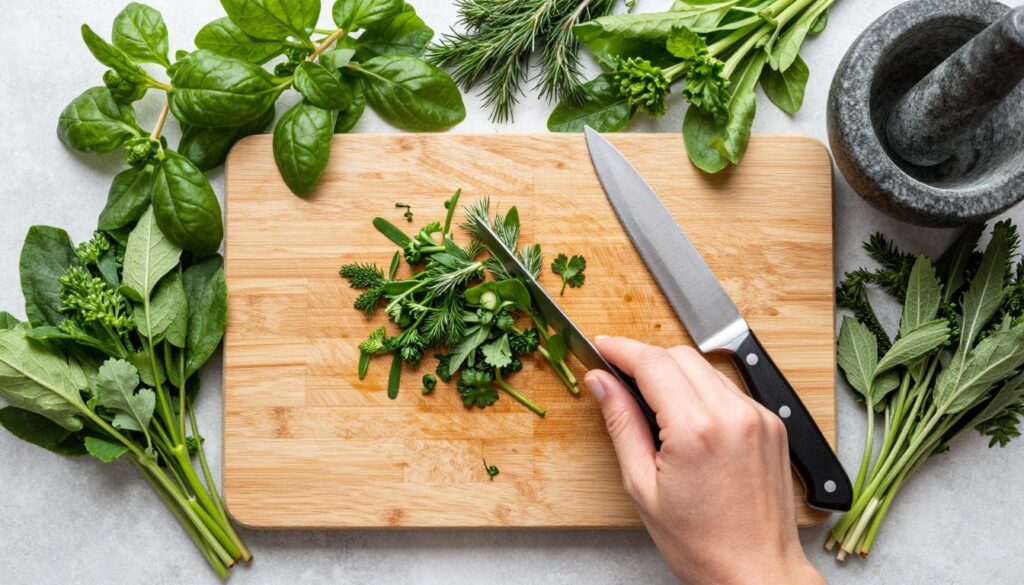
The reward for your care comes at harvest time. Fresh herbs transform ordinary dishes into memorable meals. Knowing when and how to harvest maximizes both yield and flavor.
Optimal Harvest Timing
Harvest herbs in the morning after dew dries but before day heats up. Essential oils concentrate overnight and haven’t yet been diminished by afternoon sun. This timing provides maximum flavor and aroma.
Herb maturity affects flavor too. Young leaves taste milder and more tender. Mature leaves have stronger, more concentrated flavors. Harvest according to your preference and recipe needs.
Never harvest from stressed plants. If an herb looks wilted, yellowed, or otherwise unhealthy, give it time to recover before taking leaves. Harvesting stresses plants further and can prevent recovery.
Harvesting Methods by Herb Type
Leafy herbs like basil, mint, and oregano respond best to cutting stems just above a leaf node. This encourages branching and more vigorous growth. Use sharp scissors or pruning shears for clean cuts.
Parsley and cilantro require cutting individual stems at their base near the soil line. This keeps plants neat and productive longer. Take outer stems first, allowing the center to continue producing new growth.
Chives can be cut aggressively—remove entire leaves down to about two inches above soil level. They regrow quickly from their bulbs. Harvest chives by cutting a portion of the clump rather than snipping individual leaves from all over.
Rosemary grows slowly, so harvest conservatively. Take small sprigs from different parts of the plant rather than heavily pruning any single area. Let rosemary recover between major harvests.
Immediate Use
Fresh herbs taste best used immediately after harvest. Rinse leaves gently under cool water and pat dry with paper towels. Wet herbs don’t chop cleanly and can make dishes watery.
Add delicate herbs like basil and cilantro at the end of cooking to preserve their flavor. Heat quickly diminishes their taste. Sturdier herbs like rosemary, thyme, and oregano tolerate longer cooking and can be added earlier.
Use herb stems as well as leaves when appropriate. Parsley, cilantro, and dill stems contain plenty of flavor. Chop them finely and add to dishes. Woody stems from rosemary, thyme, and oregano can flavor stocks and sauces but should be removed before serving.
Short-Term Storage
Store fresh herbs properly to maintain quality for several days. Different herbs require different storage methods.
Soft herbs like basil, parsley, and cilantro keep well standing in water like a bouquet. Trim stem ends, place in a glass with an inch of water, and store at room temperature. Change water daily. Basil turns black if refrigerated, so keep it on the counter.
Hardy herbs like rosemary, thyme, and oregano store best wrapped in slightly damp paper towels, sealed in plastic bags, and refrigerated. They’ll keep for a week or longer this way.
Preserving Excess Harvest
When herbs produce more than you can use fresh, preserve them for later use. Several methods maintain flavor reasonably well.
Drying works for woody herbs like rosemary, thyme, oregano, and sage. Tie stems in small bundles and hang upside down in a warm, dry location out of direct sunlight. Once completely dry, strip leaves from stems and store in airtight containers.
Freezing better preserves the flavor of tender herbs like basil, parsley, and cilantro. Chop herbs and pack into ice cube trays. Cover with water or olive oil and freeze. Pop frozen herb cubes directly into soups, sauces, and other dishes.
Herb butter combines fresh herbs with softened butter. Mix finely chopped herbs into room-temperature butter, roll into a log using plastic wrap, and freeze. Slice off portions as needed to flavor vegetables, bread, or cooked meats.
Pesto-style sauces preserve basil exceptionally well. Process basil with olive oil, garlic, and nuts. Freeze in small containers or ice cube trays. Thaw and add cheese just before using.
Start Your Windowsill Herb Garden Today
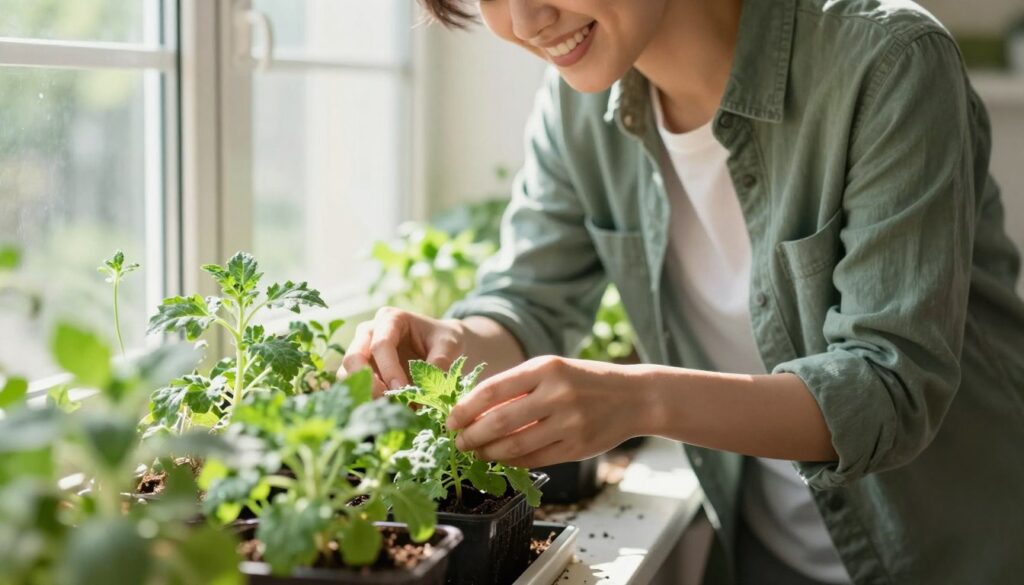
Growing your own windowsill herb garden setups brings satisfaction that extends beyond the kitchen. The simple act of nurturing plants connects you to natural cycles and provides a peaceful counterpoint to busy modern life. Fresh flavor becomes available at arm’s reach whenever inspiration strikes.
Starting small makes success achievable. Choose two or three herbs you use regularly and focus on keeping them healthy. As your confidence grows, expand your garden with new varieties and techniques. Every gardener kills plants occasionally—these moments teach valuable lessons.
The investment required is modest. Basic supplies cost less than a few weeks of store-bought herbs. Your windowsill transforms into productive space that brings life and freshness to your home. The herbs you grow taste better than anything available in stores because you harvest them at peak freshness.
Take that first step today. Select containers, purchase quality potting soil, and bring home your first herb plants. Position them in your sunniest window and commit to checking them daily. Within weeks, you’ll be harvesting your own fresh herbs. That first time you season dinner with basil you grew yourself, you’ll understand why so many people embrace windowsill herb gardening.
Your kitchen—and your cooking—will never be quite the same. The difference fresh herbs make is undeniable, and the pride of growing them yourself adds flavor that can’t be purchased. Start growing, start harvesting, and start enjoying the rewards of your own windowsill herb garden.
Everything You Need to Start Growing Today
Our Complete Windowsill Herb Garden Package includes premium containers, organic soil, top-rated herb seeds, essential tools, and our comprehensive growing guide. Skip the research and get everything in one convenient package.